A Dome Shaped Home Made to Survive Hurricane: Ultimate Safety Design
Imagine a home that stands strong against the fiercest of storms, offering you peace of mind and safety during hurricane season. A dome-shaped home, designed with resilience in mind, is not just a futuristic concept—it’s a reality that could change the way you think about your living space.
These unique structures are not only visually striking but are also engineered to withstand extreme weather conditions, including hurricanes. Are you tired of worrying about your home’s ability to endure Mother Nature’s wrath? Discover why a dome-shaped home might be the perfect solution for you.
As you read on, you’ll uncover the secrets behind their durability and learn how this innovative design can protect what matters most to you.
Dome Home Design Basics
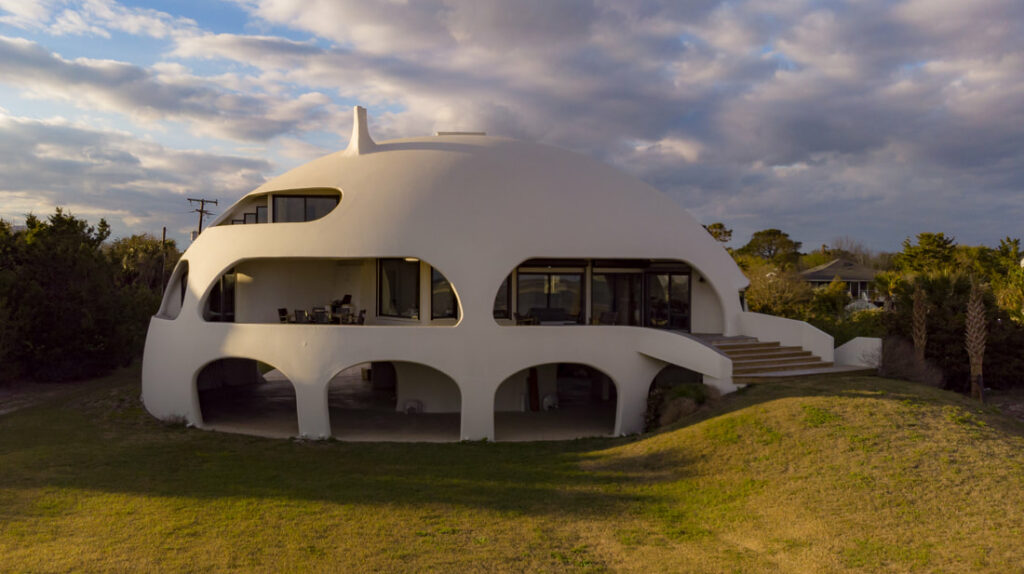
Dome-shaped homes have a unique round design. They are built to stand strong in storms like hurricanes.
These homes use curved walls and roofs to spread out forces from wind and rain. This helps keep the home safe.
Shape Advantages
The dome shape is very strong and can handle high winds better than regular houses. The round design lets wind flow around it.
This shape also uses less materials because it covers more space with less surface area. It helps keep the home cooler or warmer.
- Wind flows smoothly around the dome
- Less wall surface reduces wind pressure
- Strong structure resists collapse
- Energy efficient shape
Material Choices
Dome homes can be made from many materials. Concrete and steel are common for strong, hurricane-proof domes.
Other options include wood, insulated panels, or fiberglass. These materials help with insulation and durability.
- Concrete: very strong and fire resistant
- Steel: flexible and holds shape well
- Wood: natural but needs treatment
- Insulated panels: keep temperature steady
- Fiberglass: lightweight and weatherproof
Credit: extrachill.com
Hurricane Resistance Features
Dome shaped homes have many features that help them survive hurricanes. Their design reduces wind pressure on the structure. They also keep water out during heavy rains.
This article explains how dome homes manage wind loads, waterproofing, and impact resistance. These features make them strong against storms.
Wind Load Management
The dome shape lets wind flow smoothly around the home. This reduces strong pressure on any one area. It helps stop damage from high winds.
Curved surfaces spread out the wind force evenly. This makes the structure more stable than flat walls. The dome form lowers chances of roof lifting.
- Rounded shape avoids wind buildup
- Even force distribution strengthens structure
- No flat surfaces for wind to catch
- Reduced uplift pressure on roof
Waterproofing Techniques
Dome homes use strong waterproof materials on walls and roof. This stops water from leaking inside during storms. Seams are sealed tightly for extra protection.
Many domes have a continuous outer shell. This shell blocks rainwater and wind-driven moisture. Proper drainage systems move water away from the home.
- Seamless outer shell prevents leaks
- Water-resistant coatings on surfaces
- Sealed joints and windows
- Drainage channels around foundation
Impact Resistance
Hurricane winds carry debris that can break windows and walls. Dome homes use tough materials that resist impacts. Small openings lower the chance of breakage.
Reinforced concrete or metal mesh is common in dome construction. This adds strength and keeps the home safe from flying objects.
- Use of reinforced concrete or metal mesh
- Small, strong windows reduce break risk
- Rounded shape deflects flying debris
- Strong doors and shutters protect openings
Construction Process
Building a dome shaped home to survive a hurricane needs careful planning. The shape helps reduce wind pressure on the structure.
This guide explains how to build the foundation, frame, and finish the dome home.
Foundation Setup
The foundation holds the dome home steady during strong winds. It must be deep and strong to resist hurricane forces.
Builders often use reinforced concrete for the base. This material locks the structure tightly to the ground.
- Clear the building site and level the ground
- Dig a circular trench for the foundation
- Install steel rebar inside the trench for strength
- Pour concrete into the trench and let it cure
- Check the foundation for level and cracks
Framework Assembly
The dome frame gives the home its unique shape and strength. Builders use a network of ribs or panels to form the dome.
Materials like steel or wood are common for the frame. The pieces connect to form a strong, curved skeleton.
- Set up temporary supports inside the foundation
- Attach base ribs evenly around the foundation
- Connect vertical ribs to form dome curves
- Secure joints with bolts or welding
- Check alignment to keep the dome balanced
Finishing Touches
After the frame is done, the dome needs outer layers to protect it from weather. These layers also make the home comfortable inside.
Builders add insulation, waterproof layers, and outer cladding. Windows and doors are installed to fit the dome shape.
- Install rigid insulation panels on the frame
- Add a waterproof membrane to keep out rain
- Attach exterior panels like concrete or metal sheets
- Fit custom curved windows and doors
- Seal all joints with weatherproof caulking

Credit: ideaswithwings.org
Energy Efficiency Benefits
A dome shaped home built to survive hurricanes saves energy well. Its shape and materials help keep the inside temperature steady.
This design reduces the need for heating and cooling systems. It helps lower energy bills and uses less electricity.
Insulation Properties
The dome shape has fewer corners and edges, which means less heat loss. It holds warmth in winter and blocks heat in summer.
Thick insulation layers cover the curved walls evenly. This creates a strong barrier against outside weather.
- Curved walls reduce air leaks
- Continuous insulation wraps the dome
- Less surface area means less heat loss
Natural Ventilation
The round shape helps air flow inside the home. Cool air enters low openings while warm air escapes through high vents.
This natural airflow lowers the need for fans or air conditioners. It keeps the home fresh and comfortable without using much energy.
- Air circulates smoothly around curved walls
- Strategic vent placement improves airflow
- Reduces reliance on electric cooling systems
Cost And Maintenance
Building a dome shaped home designed to survive hurricanes involves unique costs. Understanding these costs helps you plan your budget. Maintenance is also key to keep the home safe and durable.
This article explains the initial investment and long-term upkeep needed for such homes. Both affect your total spending over time.
Initial Investment
Constructing a dome home can cost more than a regular house at first. The shape requires special materials and skilled labor. Concrete and steel reinforcements are common to resist strong winds.
- Foundation and dome shell materials
- Specialized construction techniques
- Impact-resistant windows and doors
- Custom interior finishes to fit the curved walls
- Permits and engineering inspections
Long-term Upkeep
Maintaining a dome home can save money in the long run. The design reduces wind and water damage risks. This lowers repair costs after storms. Regular checks keep the dome strong and dry.
| Maintenance Task | Frequency | Estimated Cost |
|---|---|---|
| Roof and shell inspection | Twice a year | $100 – $300 |
| Sealant and paint touch-ups | Every 3 years | $500 – $1,000 |
| Window and door checks | Annually | $50 – $150 |
| Cleaning gutters and drains | Seasonally | $75 – $200 |

Credit: ideaswithwings.org
Real-life Success Stories
Dome-shaped homes are designed to resist strong winds and heavy rain. Many have survived hurricanes with little damage.
This article shares stories from people who lived in dome homes during hurricanes. Their experiences show how these homes perform in storms.
Case Studies
A dome home in Florida faced Hurricane Michael in 2018. The storm had winds over 150 mph.
The dome home stayed intact with no roof damage. Nearby traditional homes lost roofs and windows.
- Dome shape reduced wind pressure
- Concrete shell resisted debris hits
- Minimal water leakage inside
Another dome home in Texas survived Hurricane Harvey’s flooding and wind. The home remained dry and secure.
These case studies show dome homes handle hurricanes better than many other house types.
Homeowner Experiences
Maria, a Florida homeowner, said her dome home felt safe during Hurricane Irma. She saw neighbors lose parts of their homes.
John from Louisiana said his dome home stayed stable in Hurricane Ida. He praised the strong walls and roof design.
- Maria: “No damage to windows or roof.”
- John: “Felt secure even with loud winds.”
- Both recommended dome homes for hurricane areas.
These real stories support the idea that dome homes protect families and property in hurricanes.
Future Of Dome Homes
Dome homes are gaining attention for their strength and efficiency. Their shape helps them resist strong winds and heavy rain.
These homes are built to last and keep people safe during hurricanes. New technologies make dome homes even smarter and stronger.
Innovative Materials
Builders use new materials to make dome homes more durable. These materials protect against water and strong winds.
- Reinforced concrete mixes that resist cracking
- Lightweight, flexible metal frameworks
- Insulating panels that keep homes warm or cool
- Waterproof coatings to prevent leaks
Smart Home Integration
Smart technology helps dome homes respond to weather changes. Systems can warn residents before storms arrive.
| Feature | Benefit |
| Storm sensors | Alert homeowners early |
| Automated shutters | Protect windows quickly |
| Energy management | Reduce power use during storms |
| Emergency communication | Keep contact when power is out |
Frequently Asked Questions
What Makes Dome-shaped Homes Hurricane-resistant?
Dome-shaped homes have aerodynamic curves that reduce wind pressure. Their structure evenly distributes stress, preventing damage during hurricanes. This design minimizes wind uplift and debris impact, enhancing durability and safety.
How Do Dome Homes Withstand Strong Hurricane Winds?
The curved surface of dome homes allows winds to flow smoothly. This reduces force on walls and roof, preventing structural failure. Dome homes are built with reinforced materials, increasing resistance to hurricane-force winds.
Are Dome-shaped Homes Safer Than Traditional Houses?
Yes, dome homes offer superior wind resistance and structural integrity. Their shape deflects wind and reduces damage risk. They also resist flooding better due to elevated and sealed designs.
What Materials Are Used In Hurricane-proof Dome Homes?
Hurricane-proof dome homes use reinforced concrete, steel, and impact-resistant glass. These materials provide strength and durability against strong winds and flying debris. They also improve insulation and energy efficiency.
Conclusion
A dome-shaped home stands strong against fierce hurricane winds. Its round design helps air flow smoothly around it. This reduces pressure and damage during storms. Building with sturdy materials adds extra protection. Such homes offer safety and peace of mind.
They show how smart design can fight nature’s power. Living in one means less worry when storms come. A simple shape can make a big difference. Safe, strong, and efficient—this home style works well. It proves that good ideas keep people safe.