How to Survive Cold Weather Sick Mask: Essential Tips Revealed
Feeling under the weather when it’s cold outside can be downright miserable. You know the drill: sniffles, sneezes, and that dreadful cough that just won’t quit.
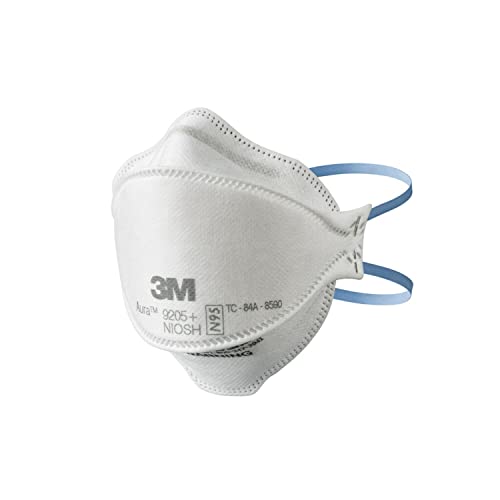
But what if there was a way to navigate the chilly days without spreading or catching even more germs? Enter the cold weather sick mask. By using a mask during the frosty months, you can shield yourself and others from those pesky winter bugs.
Imagine enjoying the winter season with fewer worries about illness. Picture yourself confidently stepping out into the cold, knowing you’re taking an extra step to protect your health. This article will guide you on how to effectively use a sick mask to survive the cold weather. Stick around to discover the best practices, tips, and reasons why a sick mask could be your new winter essential. Ready to breathe easier this winter? Let’s dive in!
Choosing The Right Mask
Wearing a mask in cold weather helps protect you from germs and cold air. Picking the right mask keeps you warm and safe.
Not all masks are good for cold weather. You need to think about the material, fit, and breathability before choosing one.
Material Matters
Choose mask materials that keep you warm and block cold air. Thick fabrics like fleece or wool work well. Cotton is soft but may not keep you very warm.
Look for masks with multiple layers. They trap heat and add protection. Some masks have a warm inner lining to help you stay cozy.
- Fleece and wool offer good warmth
- Cotton is soft but less warm
- Multiple layers add heat retention
- Inner lining improves comfort
Fit And Comfort
A mask should fit snugly on your face without gaps. This stops cold air from sneaking in. Avoid masks that are too tight or too loose.
Look for masks with adjustable ear loops or straps. These help you get a better fit. A comfortable mask is easier to wear for long periods in cold weather.
- Snug fit blocks cold air
- Avoid masks that feel tight
- Adjustable straps improve fit
- Comfort helps with long use
Breathability Factors
Breathable masks let air pass but still protect you. In cold weather, breathing can feel harder with thick masks. Choose materials that balance warmth and airflow.
Look for masks with breathable fabrics like cotton blends. Avoid masks that cause moisture build-up, as this makes you feel colder and uncomfortable.
- Breathable fabrics help airflow
- Balance warmth with easy breathing
- Prevent moisture inside the mask
- Cotton blends are good options

Credit: www.goodrx.com
Protecting Your Skin
Cold weather and wearing masks can harm your skin. The cold air dries out your face. Masks can trap moisture and cause irritation.
It is important to care for your skin to stay healthy. Here are tips to protect your skin in cold weather while wearing a sick mask.
Preventing Dryness
Cold air removes moisture from your skin. Masks can also rub and dry the skin under them. Prevent dryness by protecting your skin.
- Use a gentle cleanser to wash your face.
- Avoid hot water; use lukewarm water instead.
- Apply a thick moisturizer before putting on your mask.
- Choose masks made of soft, breathable fabric.
Dealing With Irritation
Masks can cause redness, itching, or rashes. Irritation happens from friction and trapped sweat. Take steps to calm your skin.
- Change masks regularly to keep them clean.
- Use masks that fit well but are not too tight.
- Apply a barrier cream or ointment on sore spots.
- Give your skin breaks when safe to do so.
Moisturizing Tips
Moisturizing keeps your skin soft and healthy. Use the right products to lock in moisture under your mask.
- Choose fragrance-free moisturizers to avoid irritation.
- Apply moisturizer twice a day, especially before bed.
- Look for products with ingredients like ceramides or hyaluronic acid.
- Reapply moisturizer if your skin feels dry during the day.
Mask Hygiene Practices
Wearing a mask helps protect you in cold weather. Keeping your mask clean is very important. Proper mask care stops germs from spreading.
Learn how often to clean your mask, how to store it right, and ways to avoid contamination. Follow these simple rules to stay safe.
Cleaning Frequency
Wash your mask after every use. Dirt and germs build up quickly on the fabric. Clean masks work best to stop viruses and bacteria.
- Use warm water and soap or detergent for washing.
- Let the mask dry completely before wearing it again.
- If using disposable masks, throw them away after one use.
Proper Storage
Store your clean mask in a dry, clean place. Avoid leaving it in pockets or bags where it can get dirty again.
| Storage Place | Reason |
| Clean container or bag | Keeps mask clean and dry |
| Separate from other items | Prevents cross contamination |
| Cool, dry spot | Stops mold and bacteria growth |
Avoiding Contamination
Touch your mask only by the ear loops or ties. Avoid touching the front part that covers your nose and mouth. Always wash your hands before and after handling the mask.
- Do not share your mask with others.
- Replace masks that are damaged or wet.
- Keep your nails trimmed to avoid damaging the mask fabric.
Layering For Warmth
Cold weather makes it hard to stay warm while wearing a mask. Layering helps keep your face cozy and protected.
Using the right combinations of masks and scarves can block cold air and keep you comfortable outdoors.
Combining Masks And Scarves
Wearing a scarf over or under your mask adds an extra layer of warmth. It also helps block wind and cold air.
- Choose scarves made of wool or fleece for better insulation
- Make sure the scarf does not block your breathing
- Wrap the scarf snugly but not too tight around your face
- Use a mask that fits well under the scarf
Using Thermal Liners
Thermal liners add warmth inside your mask without making it hard to breathe. They are thin but effective.
| Type of Liner | Material | Benefit |
| Fleece Liner | Fleece fabric | Keeps heat close to skin |
| Silk Liner | Silk fabric | Lightweight and breathable |
| Cotton Liner | Cotton fabric | Soft and comfortable |
Balancing Warmth And Breathability
Too many layers can make it hard to breathe. Find a balance to stay warm and comfortable.
Tips for balancing warmth and breathability:
- Use lightweight layers first, then add thicker ones as needed
- Pick masks with breathable fabric like cotton or polyester blends
- Avoid wet or damp layers because they reduce warmth
- Take breaks indoors to cool down and breathe fresh air
Breathing Comfortably In Cold
Cold weather can make wearing a mask uncomfortable. Your breath can feel trapped and cold air may cause irritation. It is important to manage how you breathe with a mask in cold conditions.
This guide covers ways to reduce condensation, stop glasses from fogging, and adjust your mask for better comfort.
Managing Condensation
Condensation builds up when warm breath meets cold air inside the mask. It can make the mask wet and uncomfortable.
- Use masks made with moisture-wicking fabric.
- Take short breaks to let the mask dry.
- Keep your mask dry by changing it if it gets damp.
- Try masks with a nose wire to reduce air escaping upward.
Reducing Fog On Glasses
Foggy glasses block your view and can be very annoying. This happens when warm breath escapes from the top of your mask.
| Method | How It Helps |
| Adjust nose wire | Seals mask tightly to stop air from rising |
| Use anti-fog spray | Prevents fog from forming on lenses |
| Wash glasses with soap | Creates a thin film to reduce fogging |
| Wear glasses over mask | Blocks breath from reaching lenses |
Adjusting Mask Position
Correct mask placement improves breathing and comfort. It also helps keep warm air inside.
- Place the mask snugly over your nose and mouth.
- Use ear loops or ties that keep the mask tight but not painful.
- Adjust the nose wire to fit your nose shape.
- Check that the mask covers your chin fully.

Credit: www.amazon.com
Additional Cold Weather Tips
Cold weather can be tough on your body. You need to take extra care to stay healthy. Here are some tips to help you stay well during cold days.
These tips cover important areas like hydration, boosting your immune system, and spotting cold-related illnesses early.
Staying Hydrated
It is easy to forget to drink water when it is cold. Your body still needs fluids to work well. Drinking enough water helps keep your skin and body healthy.
- Drink warm drinks like herbal tea or warm water with lemon.
- Avoid too much caffeine or alcohol because they can dry you out.
- Eat foods with high water content, like soups and fruits.
- Carry a water bottle to remind yourself to drink often.
Boosting Immune Health
Your immune system protects you from sickness. Cold weather may lower your defenses. You can help by eating good food and getting enough rest.
| Tip | How it Helps |
|---|---|
| Eat fruits and vegetables | Provides vitamins and minerals |
| Get enough sleep | Allows your body to repair and fight germs |
| Exercise regularly | Improves blood flow and immune response |
| Wash your hands often | Reduces the chance of catching viruses |
Recognizing Cold-related Illnesses
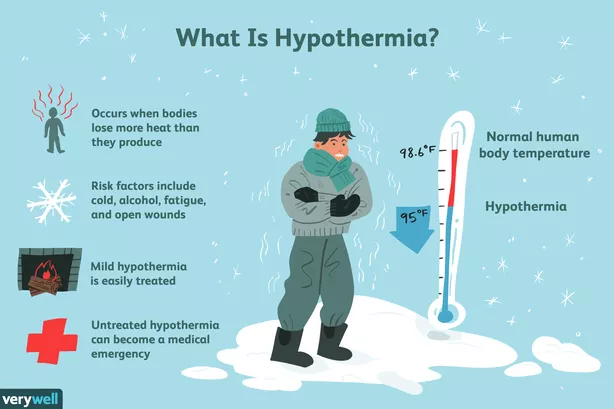
Cold weather can cause problems like frostbite and hypothermia. Knowing the signs can help you get help fast.
| Illness | Signs | What To Do |
|---|---|---|
| Frostbite | Numbness, pale skin, hard or waxy look | Warm the area gently, seek medical help |
| Hypothermia | Shivering, confusion, slow speech, drowsiness | Move to a warm place, call emergency services |
| Cold Flu | Runny nose, cough, sore throat, fever | Rest, drink fluids, see a doctor if severe |

Credit: www.amazon.com
Frequently Asked Questions
What Is The Best Mask For Cold Weather Protection?
The best mask for cold weather is made of insulating, breathable material. Look for masks with fleece lining or thermal fabric to keep warmth. Ensure the mask fits snugly to prevent cold air from entering while allowing comfortable breathing.
How Can I Keep My Mask Dry In Cold Weather?
Keep your mask dry by avoiding wet environments and removing it when necessary. Use moisture-wicking materials and carry a spare mask to change if the current one gets damp. Dry masks maintain warmth and prevent skin irritation in cold conditions.
Can Wearing A Mask Prevent Cold-related Illnesses?
Yes, wearing a mask helps protect against cold-related illnesses by trapping warm air around your face. It also reduces exposure to cold wind and airborne viruses, lowering the risk of respiratory infections during cold weather.
How Often Should I Wash My Cold Weather Mask?
Wash your cold weather mask after each use to remove moisture and bacteria. Regular cleaning maintains hygiene and mask effectiveness. Use gentle detergent and air dry thoroughly before reuse to keep it warm and comfortable.
Conclusion
Staying healthy in cold weather means wearing your mask right. Keep it dry and clean to protect yourself better. Avoid touching your face while outside. Drink warm fluids to feel comfortable and fight sickness. Take breaks indoors to warm up and rest.
Simple habits can keep you safe during cold days. Remember, small steps make a big difference in staying well. Stay warm, stay safe, and keep your mask on.