Do Maggots Survive in Cold Weather: Surprising Facts Revealed
Imagine you’re cleaning out an old shed or garage during the chilly months, and you stumble upon a curious sight—maggots. Instinctively, you might wonder, “Do maggots survive in cold weather?” This question might seem simple, but it holds intriguing secrets of nature.
Understanding how these tiny creatures manage to endure the cold could change how you view them and their role in the environment. Get ready to uncover fascinating insights that could shift your perspective on these often misunderstood larvae. You might find yourself surprised by the resilience and adaptability of maggots, and how it ties into broader ecological systems.
Keep reading to discover the unexpected and intriguing world of maggots in cold weather, and perhaps gain a newfound respect for these tiny survival experts.
Maggot Biology Basics
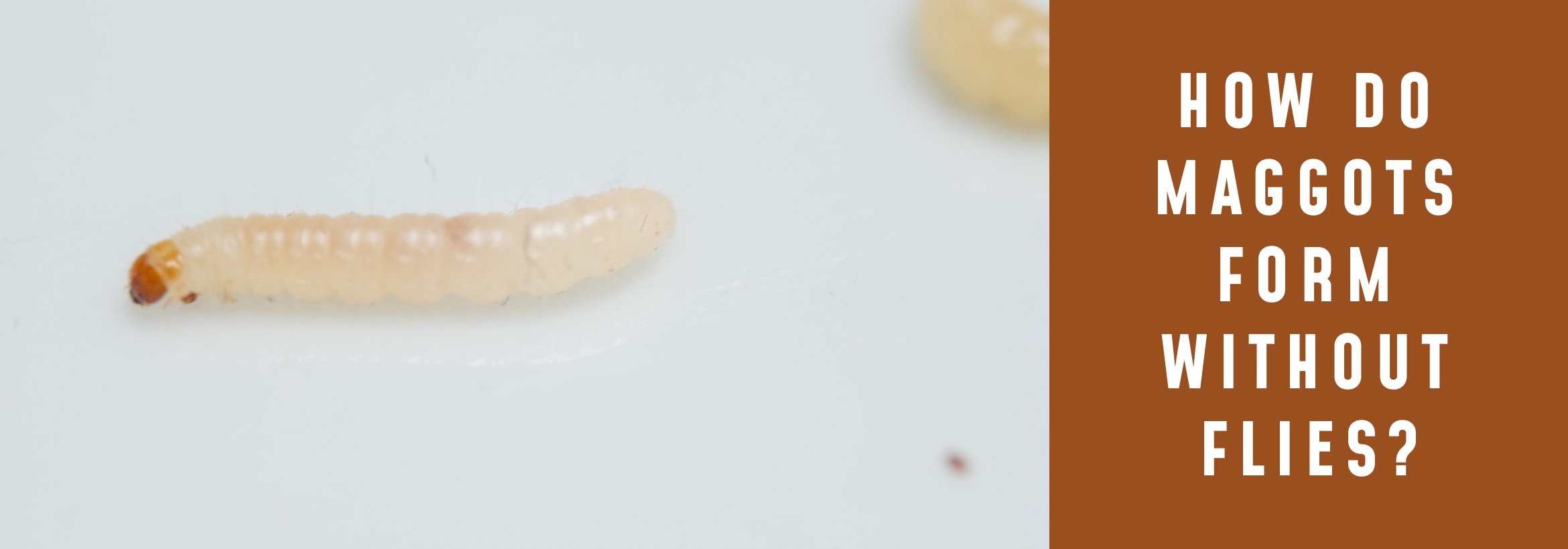
Maggots are the larvae of flies. They grow quickly and need food to survive.
These small creatures play a key role in breaking down dead plants and animals.
Life Cycle Stages
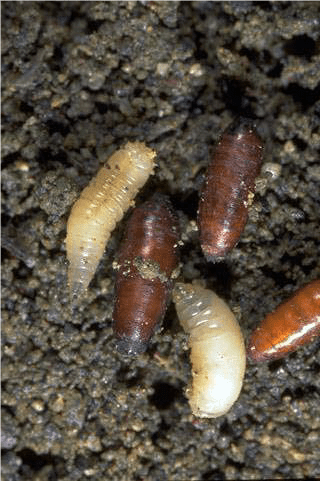
The maggot starts as an egg laid by a fly. It hatches into a larva, called a maggot.
The maggot eats a lot and grows fast. Then it becomes a pupa before turning into a fly.
- Egg: Small and white, laid on food or dead matter
- Maggot (larva): Worm-like, eats and grows
- Pupa: Hard shell stage, changes into fly
- Adult fly: Lays eggs to start cycle again
Preferred Habitats
Maggots live where they find food easily. They like warm, moist places.
Common spots include trash, dead animals, and rotting plants. These areas help maggots grow fast.
- Garbage bins and waste piles
- Animal carcasses and roadkill
- Compost piles with decaying plants
- Warm, damp soil or organic matter
Credit: trashcansunlimited.com
Impact Of Cold On Maggots
Maggots are the larval stage of flies. Their survival depends on temperature. Cold weather affects their growth and activity.
Understanding how cold impacts maggots helps in pest control and forensic studies. Let’s explore the effects of low temperatures on maggots.
Temperature Thresholds
Maggots have specific temperature ranges for survival. Too cold or too hot can stop their development. Below is a table showing key temperature thresholds.
| Temperature Range (°C) | Effect on Maggots |
| Above 10°C | Active feeding and growth |
| 5°C to 10°C | Slow metabolism and development |
| 0°C to 5°C | Minimal movement, survival possible |
| Below 0°C | High mortality, freezing risk |
Physiological Changes
Cold temperatures cause maggots to change internally. These changes help them survive harsh conditions.
- Metabolism slows down to save energy
- Movement reduces to avoid heat loss
- Cell membranes become less fluid
- Production of antifreeze proteins increases
- Some maggots enter a dormant state
Survival Strategies In Winter
Maggots face cold weather that can be harmful. They use special ways to survive winter.
Understanding how maggots live through cold helps us learn about their behavior and life cycle.
Dormancy And Metabolism
In cold weather, maggots slow down their body processes. This state is called dormancy.
During dormancy, maggots use less energy. They reduce metabolism to save resources.
- Metabolism slows to prevent using too much energy
- Dormancy helps maggots survive long cold periods
- They can stay inactive until warmer weather returns
Shelter Seeking Behavior
Maggots look for safe places to stay warm during winter. Shelters protect them from freezing.
They hide in soil, decaying wood, or inside animal remains. These spots keep cold away.
- Soil acts as natural insulation against cold air
- Decaying matter provides warmth and moisture
- Protected areas reduce risk of freezing damage

Credit: trashcansunlimited.com
Experiments On Maggots And Cold
Maggots are often found in warm places. But can they survive cold weather? Scientists have done many tests to find out. These tests help us understand how maggots react to low temperatures.
This article looks at two main sources of information. One is from the lab, where conditions are controlled. The other is from nature, where maggots face real cold weather.
Laboratory Findings
In the lab, researchers placed maggots in different cold settings. They watched how long the maggots stayed alive and how they behaved. Some maggots survived short cold spells, but long exposure was deadly.
- Maggots slow down their movement as temperature drops.
- Below 0°C, many maggots freeze and die quickly.
- Some species can survive brief freezing by producing antifreeze proteins.
- Survival time depends on the cold intensity and duration.
Field Observations
In nature, maggots face many cold conditions. Scientists studied maggots found in dead animals during winter. They noted that some maggots survive by burrowing deep into tissues where it is warmer.
| Condition | Survival Rate | Notes |
| Surface temperatures below freezing | Low | Many maggots die quickly |
| Buried in animal tissue | Moderate | Some survive by insulation |
| Snow cover | Higher | Snow acts as a thermal barrier |
Implications For Pest Control
Maggots can survive in cold weather, but their activity slows down. This affects how pests spread and how we control them. Knowing when maggots are less active helps plan better pest control.
Cold weather does not kill all maggots. Some hide in warm spots or enter a dormant state. Pest control must consider these survival strategies to be effective year-round.
Seasonal Variations
Maggot activity changes with the seasons. They grow faster in warm months and slow down in the cold. This affects how many maggots appear and where they hide.
- Spring and summer: Maggots grow quickly and cause more problems.
- Fall: Activity slows as temperatures drop.
- Winter: Many maggots survive but stay inactive in protected areas.
Effective Treatment Timing
| Season | Best Treatment Time | Reason |
|---|---|---|
| Spring | Early season | Treat before maggots multiply rapidly |
| Summer | Regular intervals | High maggot activity requires frequent treatment |
| Fall | Late season | Stop growth before cold slows maggots |
| Winter | Target warm shelters | Treat hidden maggots in warm areas |

Credit: www.anglingdirect.co.uk
Common Myths About Maggots And Cold
Maggots often appear in warm weather, but many wonder if they survive cold temperatures. There are many stories about maggots freezing or dying in winter. These stories are not always true.
This article clears up common myths about maggots and cold weather. Understanding the facts helps us learn about their survival and behavior.
Debunking Survival Myths
One myth says maggots cannot live in cold weather at all. In reality, maggots can survive in low temperatures for some time. They slow down but do not always die immediately.
- Maggots enter a dormant state to survive cold.
- They avoid freezing by finding sheltered spots.
- Extreme cold can kill them, but mild cold does not.
- Some species are more tolerant to cold than others.
Clarifying Misconceptions
Another misconception is that maggots always die when frost appears. This is not fully true. Maggots have ways to resist cold and may live until temperatures rise again.
| Myth | Fact |
| Maggots freeze and die instantly in cold. | Maggots slow down but can survive brief cold spells. |
| All maggots die during winter frost. | Many maggots seek shelter and survive until spring. |
| Cold prevents maggots from causing decay. | Decay slows but does not stop; maggots may resume activity. |
Frequently Asked Questions
Do Maggots Survive Freezing Temperatures?
Maggots generally cannot survive freezing temperatures. Cold weather slows their metabolism and development. Prolonged exposure to freezing conditions usually kills them. However, some species may enter a dormant state to survive mild cold. Overall, freezing poses a significant threat to maggot survival.
How Does Cold Weather Affect Maggot Growth?
Cold weather drastically slows maggot growth. Lower temperatures reduce their metabolic rate. This delays their development into flies. In very cold conditions, maggots may stop growing entirely or die. Warm environments are essential for their rapid growth and reproduction.
Can Maggots Stay Alive In Winter?
Maggots rarely survive harsh winter conditions outdoors. They may survive indoors if temperatures remain warm. In cold climates, maggots often die unless sheltered. Some species seek protected environments to avoid freezing. Winter generally limits maggot populations significantly.
Why Do Maggots Die In Cold Weather?
Cold weather causes maggots’ bodily functions to slow down. Their enzymes and metabolism become inactive. Prolonged cold exposure damages their cells. This leads to death if temperatures remain low. Maggots rely on warm conditions for survival and growth.
Conclusion
Maggots can survive cold weather but grow slower. They enter a state called diapause to stay alive. This helps them wait until warm days return. Cold does not kill all maggots right away. Some can handle freezing temperatures for short times.
Knowing this helps in pest control and science. Maggots’ survival shows how nature adapts to harsh weather. Keep this in mind if you deal with maggots in winter. Understanding their habits makes managing them easier.