Can Lemon Tree Survive Cold Weather: Essential Tips to Protect It
Are you worried about your lemon tree as the temperature drops? You’re not alone.
Many gardeners face the same concern when cold weather rolls in. You’ve nurtured your lemon tree through the sunny seasons, and now it stands bravely against the chill. But can it truly survive the cold? This question might keep you up at night, especially if you’re fond of those fresh, home-grown lemons.
We’ll uncover the secrets to ensuring your lemon tree thrives, even when the thermometer dips. Stay with us, because the health of your lemon tree might just depend on the next few minutes.
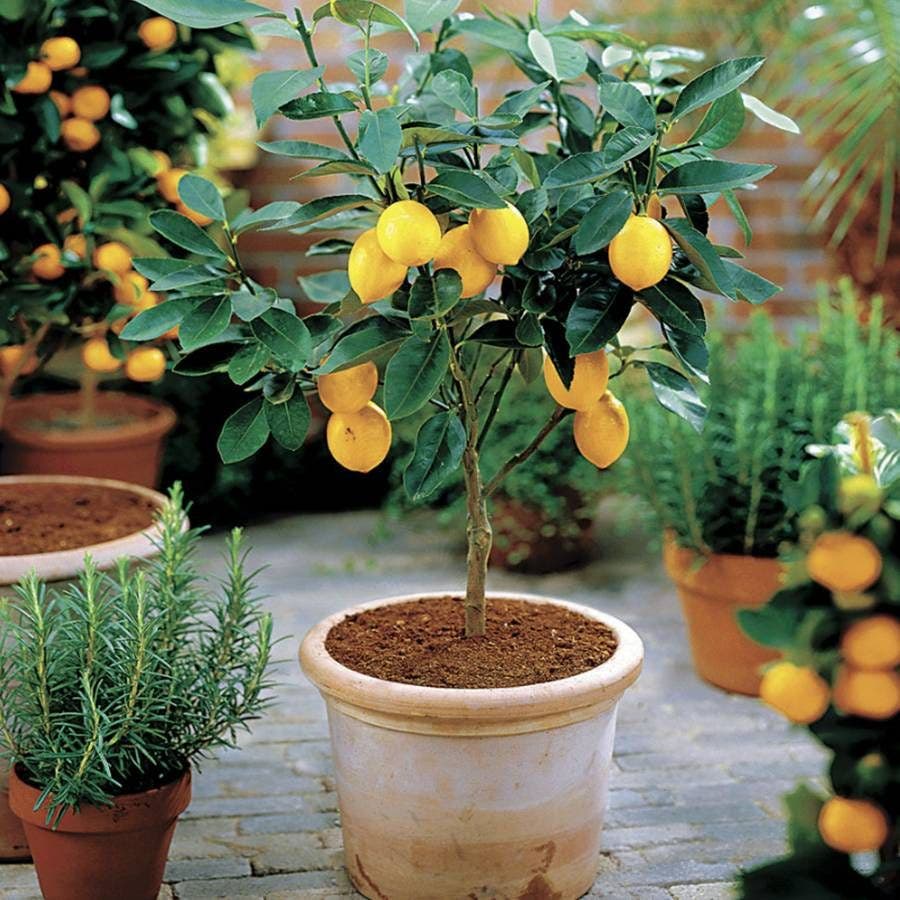
Credit: www.waysidegardens.com
Lemon Tree And Cold Weather
Lemon trees grow best in warm climates. Cold weather can be a challenge for these trees.
Understanding how lemon trees react to cold helps keep them healthy. This guide explains their cold sensitivity and frost effects.
Cold Sensitivity Of Lemon Trees
Lemon trees do not like cold temperatures. They grow well in areas above 50°F (10°C).
When temperatures drop below 32°F (0°C), lemon trees can get damaged. Young trees are more sensitive than mature ones.
- Cold slows down lemon tree growth
- Leaves may turn yellow or drop
- Fruit may not develop well
- Freezing temperatures can kill the tree
Effects Of Frost On Growth
Frost harms lemon trees by freezing their cells. This damage stops growth and can kill branches.
Frost can also cause fruit to drop early. It makes the tree weak and less able to resist pests.
- Leaves may turn brown and die
- New shoots may stop growing
- Fruit may become soft or drop
- Severe frost can kill the whole tree

Credit: www.waysidegardens.com
Identifying Cold Damage
Lemon trees can suffer from cold weather. It is important to spot signs early. Cold damage affects the leaves and fruit.
Knowing what to look for helps protect your tree and improve its health.
Signs Of Frostbite On Leaves
Frostbite on lemon tree leaves shows in several ways. Leaves may look dull or dark. Edges can turn brown or black. Frost can cause leaves to curl or drop early.
- Leaves turn dark green, brown, or black
- Leaf edges become dry and crispy
- Leaves curl inward or wilt
- Leaves fall off the tree sooner than usual
- Soft spots appear on leaves during thawing
Impact On Fruit Production
Cold weather reduces lemon fruit quality and quantity. Frost can cause fruit to drop early. It also makes the fruit smaller and less juicy.
| Cold Damage Effect | Description |
| Fruit Drop | Frost causes lemons to fall before ripening |
| Smaller Fruit | Cold slows growth, producing smaller lemons |
| Poor Flavor | Juice content lowers, making fruit less tasty |
| Skin Damage | Frost causes rough, discolored fruit skin |
Preparing Lemon Trees For Winter
Lemon trees can struggle in cold weather. Preparing them well helps them survive winter. You need to protect the tree from frost and freezing temperatures.
Good preparation includes picking the right location and pruning the tree. These steps keep the lemon tree healthy and ready for cold days.
Choosing The Right Location
Place lemon trees where they get full sunlight. Sunlight warms the tree and helps it stay healthy. Avoid cold drafts and strong winds that can damage the tree.
If planting in pots, move the lemon tree indoors or to a sheltered spot during winter. A bright, cool room is best to keep the tree safe from frost.
Pruning And Maintenance
Prune lemon trees before winter to remove dead or weak branches. This helps the tree use energy better and grow strong in spring. Clean pruning tools prevent disease.
Keep watering the tree moderately in winter. Avoid overwatering because wet soil can freeze and harm roots. Mulch around the base to keep soil warm.

Credit: www.theguardian.com
Protective Measures Against Cold
Lemon trees can be sensitive to cold weather. Taking protective steps helps keep them safe. This guide covers simple ways to protect your lemon tree from cold damage.
Using mulch, wraps, and indoor moves can improve your tree’s chance to survive frost and cold snaps.
Using Mulch And Ground Covers
Mulch keeps the soil warm and protects roots from freezing. Ground covers can also shield the base of the tree from cold winds.
- Spread 2 to 4 inches of organic mulch around the tree base
- Keep mulch about 6 inches away from the trunk to prevent rot
- Use straw, wood chips, or leaves as mulch
- Cover soil with frost cloth or burlap if frost is expected
Applying Protective Wraps And Covers
Wrapping the trunk and branches helps keep heat in. Covers block cold air and frost damage.
| Material | Use | Notes |
| Frost cloth | Wrap tree canopy | Allows light and air flow |
| Burlap | Wrap trunk and branches | Protects from wind and frost |
| Plastic sheets | Cover tree at night | Remove during day to prevent heat buildup |
Indoor Relocation Strategies
Moving lemon trees indoors can save them from harsh cold. Place them near windows with sunlight and keep the room warm.
- Choose a bright spot inside, away from drafts
- Keep temperature between 55 and 70°F (13 to 21°C)
- Reduce watering to prevent root rot
- Check regularly for pests and dry soil
Watering And Feeding In Cold Seasons
Lemon trees need special care during cold seasons. Water and food changes help them stay healthy.
Too much water or fertilizer can harm the tree. Learn how to adjust your care for winter.
Adjusting Watering Frequency
Lemon trees need less water in cold weather. The soil stays moist longer because the tree uses less water.
- Check soil moisture before watering.
- Water deeply but less often.
- Avoid waterlogging the roots.
- Use room temperature water.
- Reduce watering to once every 10 to 14 days.
Fertilizer Tips For Winter Health
Fertilize lemon trees lightly in winter. The tree grows slower and needs fewer nutrients.
| Type of Fertilizer | Application Frequency | Notes |
| Balanced fertilizer (NPK 10-10-10) | Once every 6 to 8 weeks | Use less than in summer |
| Organic compost | Once a month | Improves soil health |
| Slow-release fertilizer | Apply once before winter | Feeds over time |
Recovery After Cold Spells
Lemon trees can suffer damage from cold weather. Knowing how to help them recover is important. Care after frost helps your tree grow healthy again.
Cold spells can hurt leaves and branches. Proper recovery steps bring your lemon tree back to life.
Trimming Frost-damaged Branches
Remove branches that look dead or damaged. Cut them back to healthy wood. This helps the tree focus energy on new growth.
Use clean, sharp tools to avoid infection. Trim branches after the threat of frost passes. Avoid cutting too early to see true damage.
- Look for black or dry branches
- Cut at a 45-degree angle above healthy buds
- Sanitize pruning tools before and after use
- Dispose of trimmed branches away from the tree
Encouraging New Growth
After pruning, encourage new shoots by watering and feeding the tree. Use balanced fertilizer to support fresh growth. Keep soil moist but not waterlogged.
Place the tree where it gets good sunlight. Warm temperatures help buds open and grow. Watch for new leaves and shoots as signs of recovery.
- Water regularly to keep soil slightly damp
- Apply fertilizer designed for citrus trees
- Protect the tree from future frost
- Monitor for pests and diseases
Frequently Asked Questions
Can Lemon Trees Survive Freezing Temperatures?
Lemon trees can survive mild frost but not severe freezing. Protecting them with covers or moving potted trees indoors helps prevent cold damage. Prolonged exposure to freezing can kill the tree or damage fruit production.
How To Protect Lemon Trees From Cold Weather?
Cover lemon trees with frost cloths or blankets during cold nights. Mulch around the base to retain soil warmth. For potted trees, bring them indoors or into a greenhouse to avoid frost damage.
What Is The Ideal Temperature For Lemon Trees?
Lemon trees thrive between 70°F and 85°F (21°C to 29°C). Temperatures below 28°F (-2°C) can cause damage. Maintaining temperatures above freezing ensures healthy growth and fruit production.
Can Lemon Trees Recover After Frost Damage?
Yes, lemon trees can recover if damage is not severe. Prune frost-damaged branches and provide proper care. New growth usually appears in spring with adequate warmth and water.
Conclusion
Lemon trees can survive cold weather with proper care. Protect them from frost and freezing winds. Use covers or move pots indoors during cold snaps. Mulch around the base to keep roots warm. Choose cold-hardy varieties when possible. Watch for signs of damage and prune dead branches.
With some effort, your lemon tree can thrive despite the cold. Patience and attention make a big difference. Keep these tips in mind to help your tree grow strong year-round. Cold weather is a challenge, not the end.