Can Cockatiels Survive in Cold Weather: Essential Care Tips
Are you concerned about your feathered friend braving the chill? Cockatiels, with their cheerful chirps and playful antics, bring so much joy to your life.
But as temperatures drop, you might wonder if they can handle the cold weather. Ensuring your cockatiel stays healthy and happy, even when it’s frosty outside, is crucial. You wouldn’t want your beloved pet to suffer, right? We’ll explore how these charming birds cope with colder climates and what you can do to keep them cozy and content.
Stay with us to discover essential tips that will keep your cockatiel chirping happily through the winter months.

Credit: www.youtube.com
Cockatiel Cold Tolerance
Cockatiels are small parrots that come from warm areas. Their ability to handle cold weather is limited. Understanding their cold tolerance helps keep them safe during chilly days.
Cold weather can cause stress to cockatiels. Knowing how they react and what they need is important for their health and comfort.
Natural Habitat Climate
Cockatiels live mostly in Australia’s dry and warm regions. These places have mild winters and hot summers. They are not used to freezing temperatures.
- Average winter temperatures are above 50°F (10°C).
- They live in open woodlands and scrublands.
- Night temperatures rarely drop below freezing.
- They seek shelter in tree hollows during cold weather.
Signs Of Cold Stress
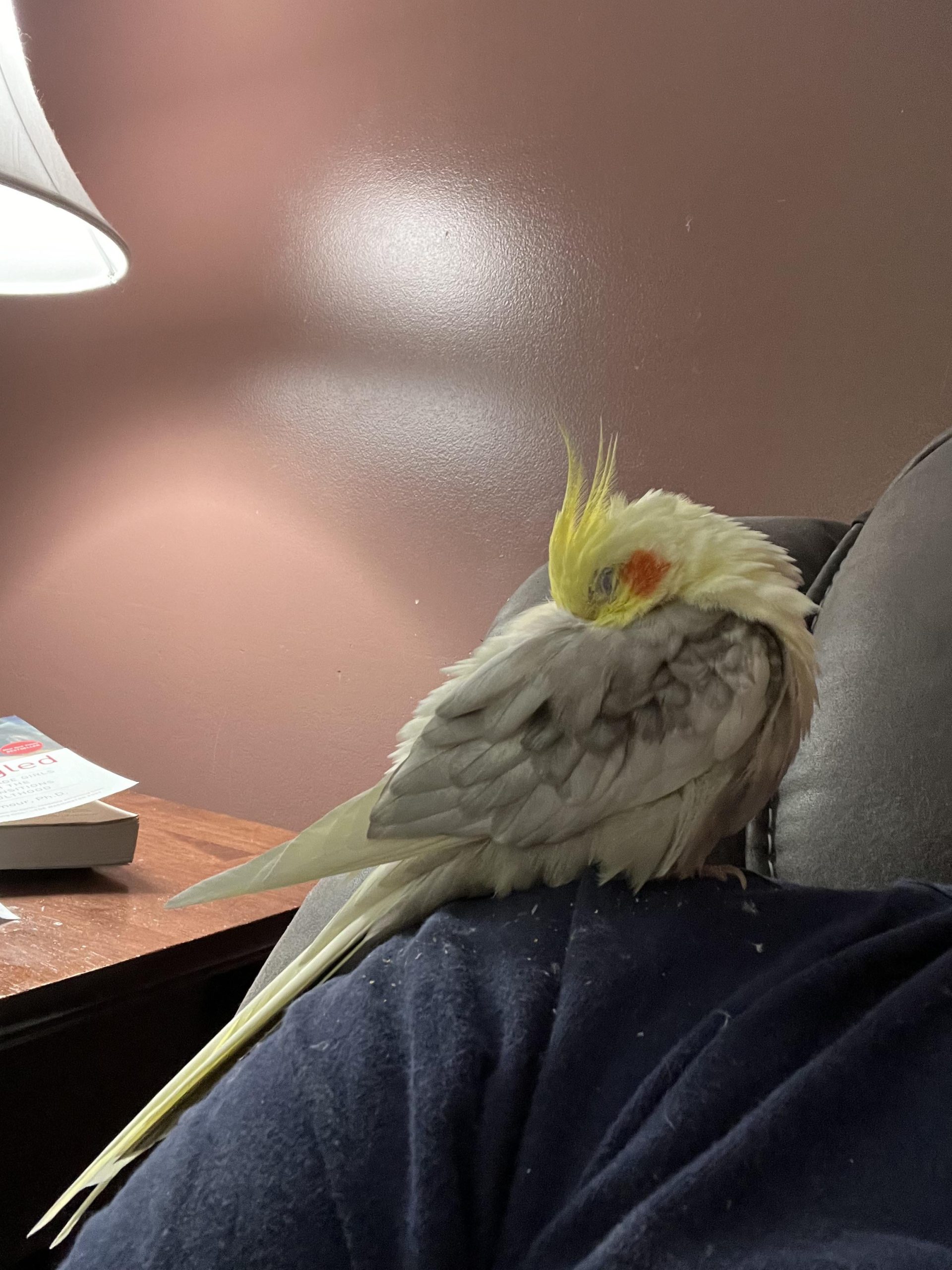
Cockatiels show clear signs when they feel cold. Spotting these signs early helps prevent illness. Owners should watch for changes in behavior and appearance.
| Sign | Description |
| Fluffed Feathers | The bird puffs up to trap heat and stay warm. |
| Shivering | Rapid small movements to generate body heat. |
| Reduced Activity | Less movement or playing to conserve energy. |
| Cold Feet or Legs | Body heat does not reach extremities well. |
| Loss of Appetite | Eating less due to stress or discomfort. |
Ideal Temperature Range
Cockatiels are tropical birds. They do not like very cold weather. Keeping them in the right temperature helps them stay healthy.
Knowing the ideal temperature range is key to caring for cockatiels in cold weather. This guide explains what temperature they need.
Comfortable Temperature For Cockatiels
Cockatiels feel best between 65 and 80 degrees Fahrenheit. This range keeps them warm without overheating.
If the temperature drops below 60 degrees, cockatiels may get cold. They can become weak or sick if chilled too long.
Effects Of Cold Weather On Cockatiels
Cold weather makes cockatiels shiver to keep warm. Shivering uses their energy and can stress their bodies.
Extended cold exposure can cause respiratory problems and lowered immunity. Cockatiels need help staying warm during cold days.
How To Maintain Ideal Temperature
Keep cockatiels indoors when it is too cold outside. Use heaters or heat lamps safely to warm their space.
- Place cage away from drafts and windows
- Use a room thermometer to monitor temperature
- Provide warm perches or covers for extra warmth
Check that the temperature stays steady between 65 and 80 degrees. Avoid sudden changes that stress your bird.
Indoor Heating Options
Cockatiels can be sensitive to cold weather. Indoor heating helps keep them warm and healthy. Choosing the right heating option is important for their safety.
This guide explains safe heating devices and tips for placing heaters near cockatiels.
Safe Heating Devices
Choose heating devices that provide steady warmth without risks. Avoid open flames and unsafe electric heaters. Here are good options for cockatiel cages:
- Infrared heat lamps designed for birds
- Safe ceramic heaters with no exposed elements
- Heating pads made for pets with temperature controls
- Radiant panel heaters mounted on walls
Placement Tips
Proper placement of heating devices prevents burns and stress. Follow these tips to keep cockatiels comfortable and safe:
| Tip | Reason |
|---|---|
| Keep heater 12 inches away from cage | Prevents overheating and burns |
| Place heater above cage | Warms from top down, mimics natural heat |
| Avoid direct heat on birds | Prevents stress and dehydration |
| Use thermostats to control temperature | Keeps environment steady |
| Ensure good ventilation | Prevents air from becoming too dry |
Cage Insulation Methods
Cockatiels are delicate birds that need warmth in cold weather. Proper cage insulation helps keep them safe and comfortable.
Using the right methods to protect your cockatiel from the cold is important. This guide covers two main ways to insulate their cage.
Covering Techniques
Covering the cage can block cold air and keep warmth inside. Use breathable materials to allow fresh air while reducing drafts.
- Use a thick cloth or blanket over the cage at night.
- Cover the cage sides with clear plastic sheets to block wind.
- Make sure to leave the front open during the day for ventilation.
- Check that covers do not trap moisture inside the cage.
Draft Prevention
Drafts cause quick temperature drops. Prevent drafts by placing the cage away from windows and doors.
| Draft Source | Prevention Method |
| Windows | Use weather stripping and keep cage away |
| Doors | Close doors firmly and place cage in quiet room |
| Air Vents | Redirect airflow or cover vents near cage |
| Gaps in Walls | Seal gaps with foam or tape |
Diet Adjustments For Winter
Cockatiels need special diet changes during cold weather. Their bodies use more energy to keep warm.
Proper food and water help them stay healthy and active in winter months.
Nutrient-rich Foods
Give cockatiels foods high in vitamins and minerals. These help their immune system and keep their feathers strong.
- Fresh vegetables like carrots and kale
- Fruits such as apples and berries
- High-quality seeds mixed with pellets
- Cooked grains like quinoa and brown rice
- Small amounts of nuts for healthy fats
Hydration Importance
Water is very important in cold weather. Birds can drink less when it is cold, so offer fresh water often.
| Hydration Tips | Reason |
| Change water twice daily | Prevents freezing and keeps water fresh |
| Use a heated water dish | Keeps water from freezing in cold rooms |
| Provide water at room temperature | Encourages drinking and avoids shock |
| Offer watery fruits like cucumber | Helps increase fluid intake |

Credit: www.reddit.com
Monitoring Health In Cold
Cold weather can be hard on cockatiels. Watching their health is very important during winter. Birds may show signs of stress or illness if they get too cold.
Careful observation helps you catch problems early. This keeps your cockatiel safe and comfortable in chilly conditions.
Behavioral Changes
Cold can cause changes in your cockatiel’s behavior. Look for signs that your bird is not feeling well.
- Fluffed feathers to keep warm
- Less active or more sleepy than usual
- Shivering or trembling
- Hiding or staying still for long periods
- Changes in eating or drinking habits
When To Consult A Vet
Some signs mean you should see a vet right away. Cold stress can cause serious illness if not treated.
| Sign | Reason to Consult a Vet |
| Labored breathing | Possible respiratory infection |
| Loss of appetite | Risk of dehydration or illness |
| Persistent shivering | Body temperature too low |
| Swollen or discolored skin | Frostbite or injury |
| Unusual droppings | Digestive or health problems |
Outdoor Exposure Risks
Cockatiels are sensitive birds that do not tolerate cold weather well. When exposed outside, they can face serious health risks. Cold can cause stress and illness.
Owners must watch for signs of cold stress and protect their birds. Outdoor exposure needs careful planning to keep cockatiels safe.
Avoiding Cold Stress
Cold stress lowers a cockatiel’s immune system and makes it sick. Signs include fluffing feathers, shivering, and lethargy. Avoid letting your bird get too cold.
Keep your cockatiel warm and dry. Provide shelter from wind and rain. Never leave them outside in freezing temperatures.
- Bring birds indoors during cold weather
- Use heated cages or pads if needed
- Check for drafts in outdoor enclosures
- Offer warm food and fresh water daily
Safe Outdoor Practices
Outdoor time can be good if done safely. Let your cockatiel enjoy fresh air but avoid cold days. Choose warm, calm weather for outdoor sessions.
Always supervise your bird outside. Use a secure cage or harness to prevent escape. Protect them from predators and extreme weather changes.
- Check temperature before going outside
- Use a covered cage to block wind
- Limit outdoor time to short periods
- Never leave birds unattended outdoors

Credit: alexsbirdkingdom.com
Frequently Asked Questions
Can Cockatiels Live Outdoors In Cold Weather?
Cockatiels are sensitive to cold and should not live outdoors in low temperatures. They need warmth and shelter to stay healthy.
What Is The Ideal Temperature For Cockatiels?
Cockatiels thrive between 65°F and 80°F. Temperatures below 50°F can stress them and cause health issues.
How To Keep Cockatiels Warm During Winter?
Provide heated cages, avoid drafts, and use warm covers. Ensure their environment stays cozy and stable in cold months.
Can Cold Weather Cause Illness In Cockatiels?
Yes, exposure to cold can lead to respiratory infections and weakened immunity. Proper warmth prevents these health problems.
Conclusion
Cockatiels need warmth to stay healthy in cold weather. Cold can make them sick quickly. Keep their cage inside, away from drafts and cold air. Use soft bedding and provide fresh water daily. Watch for signs of chills or discomfort.
Small steps help your bird feel safe and warm. Caring for them well means they will live happily. Always put your cockatiel’s comfort first. Cold weather does not have to be a problem. Simple care keeps your pet healthy and cozy.