Will My House Survive a Category 4 Hurricane? Essential Tips
When a Category 4 hurricane is on the horizon, it’s natural for you to feel a surge of anxiety about your home’s ability to withstand the impending storm. The powerful winds and relentless rains can turn your world upside down in the blink of an eye.
You might wonder, is your house truly prepared to face such a formidable force of nature? This article will guide you through crucial insights and tips to help you assess and fortify your home against the wrath of a Category 4 hurricane.
Stay with us as we explore essential strategies to ensure your sanctuary remains a safe haven, even when Mother Nature unleashes her fury.
Category 4 Hurricane Impact
Category 4 hurricanes bring very strong winds and heavy rain. These storms can cause serious damage to houses.
Understanding how these hurricanes affect your home helps you prepare better. This guide explains key risks to your house.
Wind Speeds And Damage
Category 4 hurricanes have wind speeds between 130 and 156 miles per hour. These strong winds can break windows and tear off roofs.
Flying debris can hit your walls and cause holes. Trees and power lines may fall on your house.
- Roof shingles may be ripped away
- Windows can shatter from debris
- Garage doors may bend or break
- Exterior walls might crack or collapse
Flooding Risks
Heavy rain often comes with Category 4 hurricanes. Flooding can damage floors and walls inside your home.
Water can enter through doors, windows, or damaged roofs. Flooding may also cause mold growth later on.
- Basements and ground floors are most at risk
- Floodwaters can damage electrical systems
- Water may ruin furniture and personal items
- Drainage systems may become blocked
Common Structural Failures
Strong winds and water pressure can cause parts of a house to fail. Older homes are more likely to suffer damage.
Common failures include roof collapse, wall cracks, and broken windows. These weaken the house’s overall safety.
- Roof trusses may bend or break
- Wood framing can split or warp
- Foundation cracks from water pressure
- Doors may jam or fall off hinges
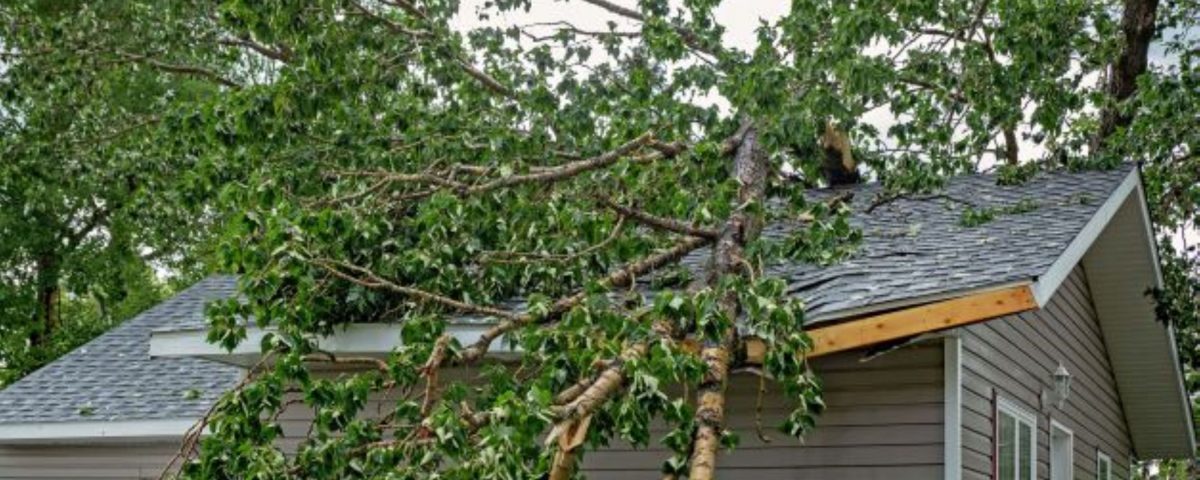
Credit: hurricanedamage.com
Assessing Your Home’s Strength
Knowing how strong your home is can help you prepare for a Category 4 hurricane. This means checking key parts of your house that face the storm’s force.
We will look at the building materials, the age and condition of your home, and the stability of its foundation and roof.
Building Materials Matter
The materials used in your home’s walls, windows, and doors affect how well it stands up to strong winds. Some materials resist wind damage better than others.
- Concrete and brick walls offer strong resistance.
- Wood framing can be weaker if not properly reinforced.
- Impact-resistant windows reduce the chance of breakage.
- Metal or reinforced doors help keep the house sealed.
Age And Condition
Older homes may have weaker points due to wear and outdated building codes. Regular maintenance improves safety but may not fix all risks.
| Age of Home | Risk Level | Recommended Action |
| Less than 10 years | Low | Maintain regular inspections |
| 10 to 30 years | Medium | Check for damage and upgrades |
| More than 30 years | High | Consider structural reinforcement |
Foundation And Roof Stability
The foundation and roof protect your home from wind and water damage. Their strength is key to surviving a hurricane.
- Foundation should be deep and secure to prevent shifting.
- Roof must be well-attached with hurricane straps or clips.
- Check for loose shingles or tiles that can blow away.
- Inspect for cracks or damage that let water inside.
Reinforcement Strategies
Preparing your house for a Category 4 hurricane means making it stronger. Reinforcement helps protect your home from strong winds and heavy rain.
Focus on key areas like windows, doors, roof, and walls. Each part needs special protection to keep your house safe.
Window And Door Protection
Windows and doors are weak spots during a hurricane. They need extra shields to stop wind and debris damage.
Install storm shutters or impact-resistant glass. Reinforce door frames and use strong locks to keep doors secure.
- Use metal or polycarbonate storm shutters
- Install impact-resistant or laminated glass
- Reinforce door frames with steel or heavy wood
- Use deadbolt locks and security bars
Roof Securing Techniques
The roof takes the hardest hit from hurricane winds. Proper securing stops it from lifting or collapsing.
Use hurricane straps or clips to hold the roof to the walls. Check and replace damaged shingles or tiles before the storm.
- Install metal hurricane straps or clips
- Replace loose or missing shingles
- Seal roof edges with waterproof sealant
- Check and repair flashing around chimneys and vents
Wall Reinforcements
Strong walls resist wind pressure and debris impact. Reinforce walls to keep your house standing.
Add braces or plywood to wall studs. Use concrete or brick to strengthen exterior walls.
- Install plywood or metal braces inside walls
- Use concrete blocks or bricks for exterior walls
- Seal cracks and gaps to prevent water entry
- Check and repair wall anchors and fasteners
Landscaping And External Factors
Preparing your house for a Category 4 hurricane means looking beyond the walls. Landscaping and external factors play a big role in your home’s safety. Proper care can reduce damage from strong winds and heavy rain.
Taking time to check trees, drainage, and debris around your property helps protect your home. Small actions outside can make a big difference during a storm.
Tree Maintenance
Tall trees near your house can cause serious damage if they fall. Regularly trimming branches and removing weak trees lowers this risk. Keep trees healthy to prevent breakage from strong winds.
- Cut back branches that hang over your roof
- Remove dead or dying trees close to your home
- Trim trees to allow wind to pass through
- Check tree roots for stability
Drainage Systems
Good drainage keeps water away from your foundation. Blocked gutters and drains can cause flooding and weaken your house’s base. Clean all drainage paths before hurricane season.
| Drainage Part | Maintenance Task | Frequency |
|---|---|---|
| Gutters | Clear leaves and debris | Every 3 months |
| Downspouts | Ensure water flows away from house | Every 6 months |
| Yard Drains | Remove blockages and check slope | Before rainy season |
Debris Hazards
Loose objects can become dangerous projectiles during a hurricane. Clear your yard of items that strong wind can pick up. Secure or store outdoor furniture, tools, and toys.
Key debris hazards to watch for:
- Garden tools and equipment
- Loose roof tiles or siding pieces
- Trash bins and recycling containers
- Small branches and yard waste
Emergency Preparedness
Preparing for a category 4 hurricane can save lives and protect your home. Knowing what to do before the storm helps you stay safe. This guide covers key steps for emergency readiness.
Focus on planning your evacuation, gathering emergency kits, and setting up a communication plan. Each step builds your ability to handle the hurricane’s impact.
Evacuation Planning
Make a clear evacuation plan before the hurricane arrives. Know your local evacuation routes and shelter locations. Share your plan with family members so everyone knows what to do.
- Check evacuation zones and routes from local authorities
- Plan transportation for all family members
- Decide where to stay: friends, family, or official shelters
- Prepare your home by securing windows and doors
- Set a meeting point if family members get separated
Emergency Kits
Emergency kits keep you ready for power outages and shortages. Pack supplies that last at least three days. Include food, water, and medical items.
| Item | Quantity | Notes |
| Water | 1 gallon per person per day | For drinking and hygiene |
| Non-perishable food | 3-day supply | Canned or dried goods |
| First aid kit | 1 | Include medications and bandages |
| Flashlight | 2 | With extra batteries |
| Battery-powered radio | 1 | To get weather updates |
| Important documents | 1 set | Keep in waterproof container |
Communication Plans
Good communication keeps your family connected during the storm. Decide how you will share updates and check on each other’s safety.
Use this simple plan to stay in touch:
- Choose a primary contact outside the affected area
- Share phone numbers and email addresses with everyone
- Set times to check in daily
- Use text messages or social media if calls don’t work
- Keep a list of emergency numbers handy
Insurance And Financial Protection
Living in an area prone to Category 4 hurricanes means you need strong financial protection. Insurance helps cover damage and repairs after storms. It gives peace of mind and support when disaster strikes.
Understanding your coverage options and how to file claims can save time and money. Discounts for home improvements also reduce your insurance costs.
Coverage Options
Insurance policies vary in what they cover. Typical options include wind damage, flood damage, and structural repairs. Some policies also cover temporary housing costs if your home becomes unlivable.
- Windstorm coverage protects against high winds and flying debris.
- Flood insurance covers water damage from storm surge or heavy rain.
- Dwelling protection pays for repairs to your home’s structure.
- Loss of use covers additional living expenses if you must relocate.
Claim Process Tips
Filing a claim quickly helps you get repairs started. Document damage with photos and keep records of all expenses. Communicate clearly and keep copies of all paperwork.
- Contact your insurer as soon as possible after the storm.
- Take photos and videos of all damage before cleanup.
- Save receipts for temporary repairs or living expenses.
- Fill out claim forms completely and honestly.
- Follow up regularly on your claim status.
Mitigation Discounts
| Mitigation Measure | Potential Discount |
| Installing storm shutters | Up to 15% |
| Reinforcing roof straps | 10-20% |
| Adding hurricane-resistant doors | 5-10% |
| Upgrading windows to impact-resistant glass | 10-25% |
Ask your insurer about discounts before and after making home improvements. These savings lower your premiums and increase your home’s safety.
Post-hurricane Actions
After a Category 4 hurricane, your house may need urgent care. Knowing what to do next helps protect your home and family.
Taking quick action can reduce further damage and keep everyone safe. Start by checking your house carefully.
Damage Assessment
Look for visible signs of damage inside and outside your home. Check the roof, walls, windows, and doors for cracks or breaks.
Do not enter rooms with standing water or where the ceiling looks weak. Take photos to document all damage for insurance purposes.
- Inspect the roof for missing shingles or holes
- Check walls for cracks or water stains
- Look for broken windows and doors
- Note any flooding or water inside the house
- Take pictures of all damaged areas
Repair Priorities
Fix the most important problems first to stop more damage. Start with leaks and broken windows to keep water out.
Secure the roof to prevent collapse. Clear debris around your home to avoid hazards and allow safe access for repair workers.
- Cover broken windows with plastic or plywood
- Patch roof holes to stop leaks
- Remove tree branches and debris near the house
- Check and fix broken doors to keep the house secure
- Clean gutters to prevent water buildup
Safety Precautions
Keep yourself and your family safe while assessing and repairing. Avoid downed power lines and flooded areas.
Wear protective gear like gloves and boots. Turn off electricity if water has entered your home to avoid shocks.
- Do not touch fallen power lines
- Wear sturdy shoes and gloves during cleanup
- Turn off main power if the house is wet inside
- Use flashlights, not candles, if power is out
- Stay outside if the building looks unstable

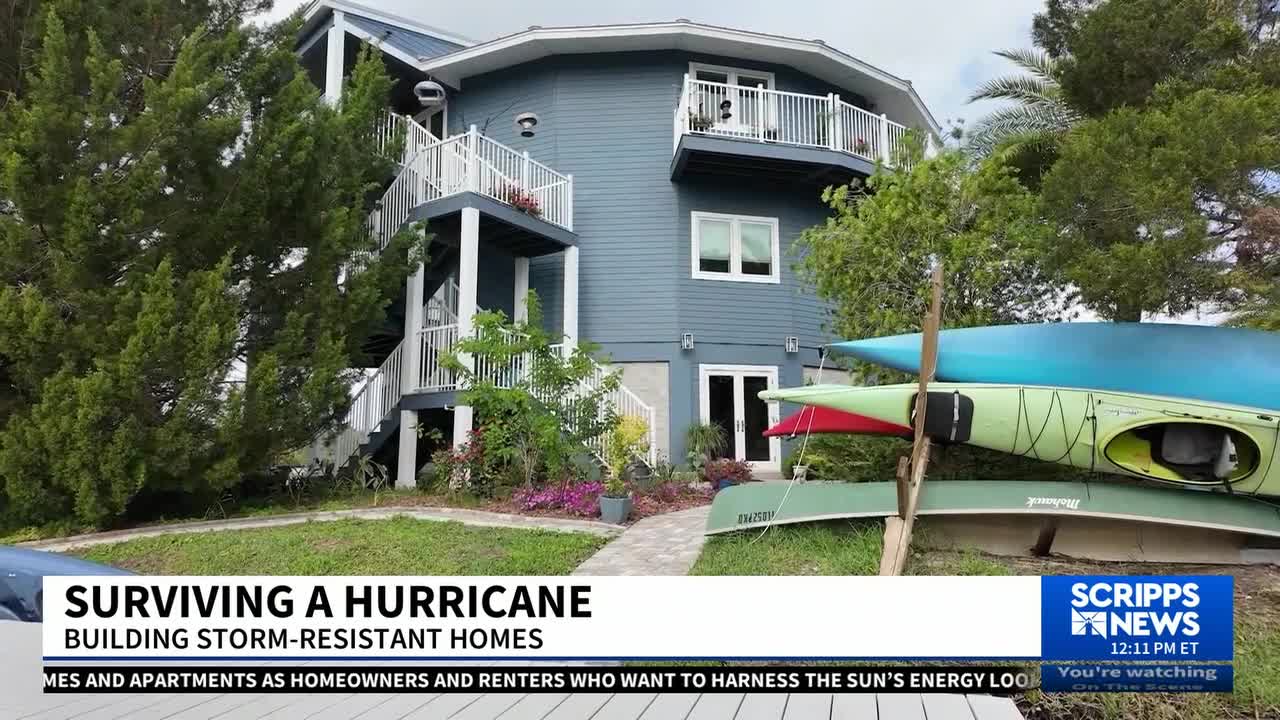
Credit: www.scrippsnews.com
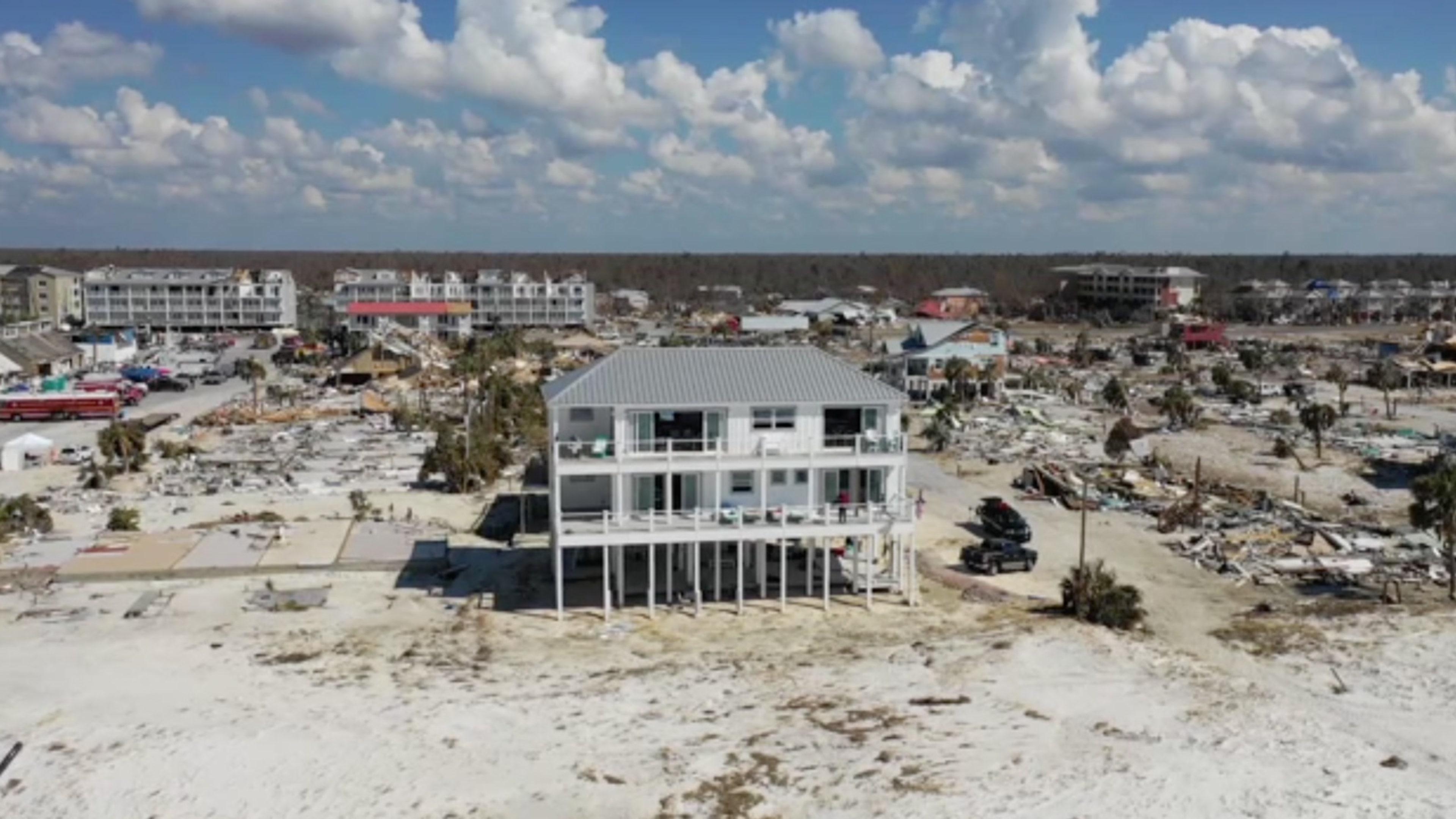
Credit: weather.com
Frequently Asked Questions
What Makes A House Withstand A Category 4 Hurricane?
A house must have strong foundations, impact-resistant windows, and reinforced roofs. Proper building materials and codes also enhance durability.
How Can I Prepare My House For A Category 4 Hurricane?
Secure windows with shutters, reinforce doors, clear debris, and trim trees. Also, check roof integrity and secure loose outdoor items.
Are Older Homes Less Likely To Survive Category 4 Hurricanes?
Yes, older homes often lack modern reinforcements. Updating structures to current codes improves their chances of surviving strong storms.
Does Roof Type Affect Hurricane Survival Chances?
Yes, roofs with proper anchoring and materials like metal or reinforced shingles withstand high winds better. Roof shape also matters.
Conclusion
A Category 4 hurricane brings serious risks to any home. Strengthening your house can help it stand strong. Simple steps like securing windows and reinforcing the roof make a difference. Knowing your home’s weak spots is key. Preparing early gives you peace of mind.
Remember, no house is completely safe, but smart actions improve your chances. Stay informed and ready as storms approach. Your safety depends on how well you prepare today.