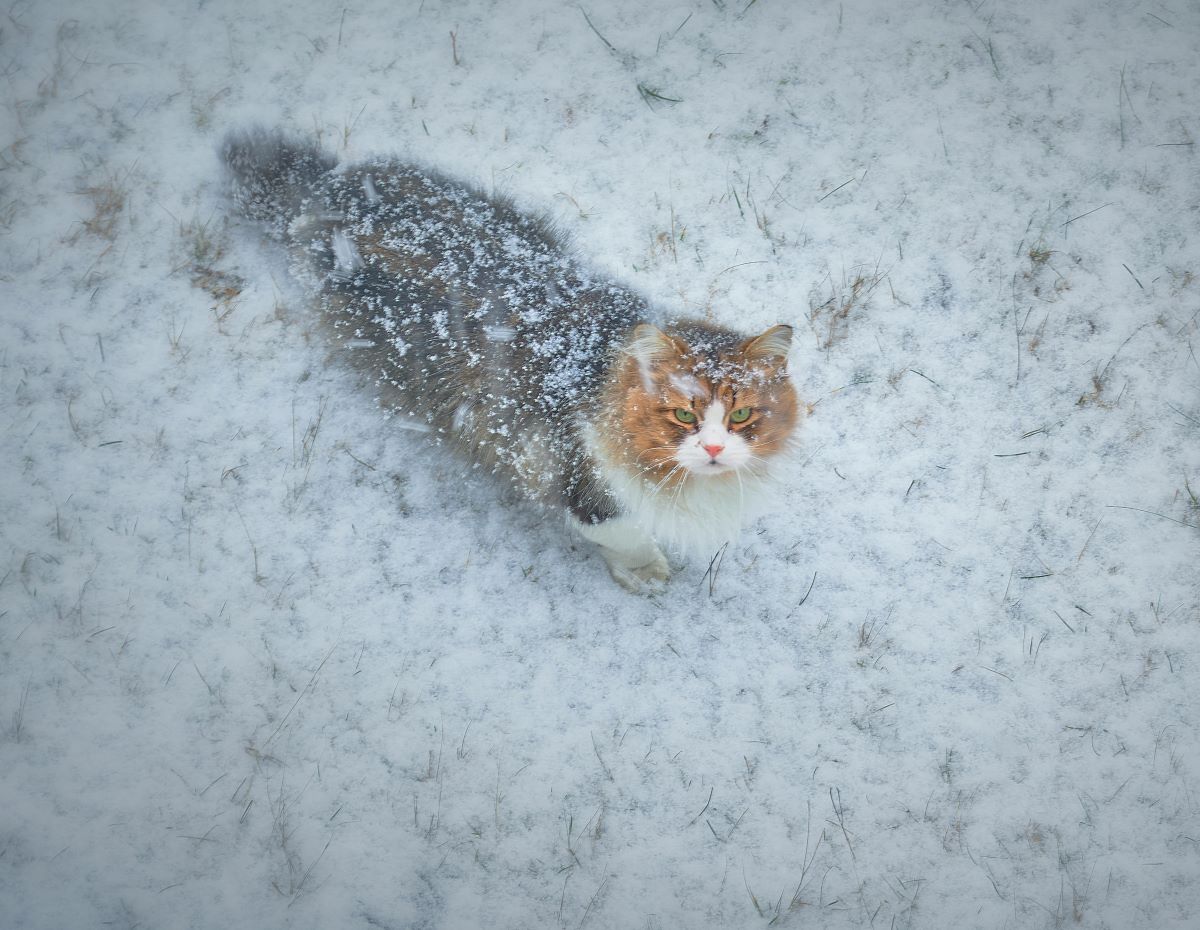
Can Cats Survive Outside in Cold Weather? Essential Survival Tips
When the temperatures drop and the chilly winds begin to bite, you might wonder if your furry friend can handle the cold. Cats are known for their independence and resilience, but can they really survive outside in cold weather?
It’s a question that tugs at your heartstrings and sparks your curiosity. The safety and well-being of your beloved pet are paramount, and understanding the risks and realities of cold weather survival is crucial. Imagine the peace of mind you’d have knowing your cat is safe and comfortable, no matter the weather outside.
We’ll explore the challenges that cold weather poses for cats, debunk common myths, and provide practical tips to ensure your feline companion stays warm and healthy. Stay with us to uncover the truth and equip yourself with the knowledge you need to protect your cat this winter. Your pet’s happiness is worth every moment of your attention.
Cats And Cold Weather
Cats are known for their agility and independence. Many cats spend time outdoors, even in cold weather. It is important to understand how cold affects them.
Cold weather can be dangerous for cats if they are not properly protected. Learning how cats handle cold helps keep them safe.
How Cats React To Cold
Cats feel cold just like humans do. They may shiver or try to find warm places. Some cats curl up to keep their body heat.
When cold lasts long, cats may slow down and rest more. Their bodies try to save energy to keep warm.
Breeds More Tolerant To Cold
Some cat breeds handle cold weather better than others. These cats have thick fur and strong bodies.
- Maine Coon – large and fluffy with a thick coat
- Siberian – dense fur protects against cold
- Norwegian Forest Cat – has a water-resistant coat
- British Shorthair – thick plush fur
These breeds can spend more time outside in winter safely than others.
Risks Of Exposure
Cold weather can cause serious health problems in cats. Frostbite can hurt their ears, paws, and tail. Hypothermia is a risk if they get too cold.
Wet fur makes cats lose heat faster. Being outside too long can lead to sickness or death.
- Frostbite – damage to skin and tissues
- Hypothermia – dangerous drop in body temperature
- Respiratory issues – cold air can cause infections
- Dehydration – less water intake in cold weather

Credit: www.reddit.com
Signs Of Cold Stress
Cats can feel cold just like people. They may show signs if the weather is too cold.
Knowing these signs helps you protect your cat from cold stress and illness.
Behavioral Changes
Cats may act differently when they feel cold. Watch for these changes in behavior.
- Seeking warm places like near heaters or inside blankets
- Hiding more than usual to stay safe and warm
- Less active and moving slowly
- Shivering or curling up tightly to keep heat
- Refusing to eat or drink as much
Physical Symptoms
Cold stress causes visible physical signs. Check your cat for these symptoms.
| Symptom | Description |
|---|---|
| Shivering | Uncontrolled shaking to generate body heat |
| Cold ears and paws | Feeling cold or pale to the touch |
| Pale or blue gums | Low blood flow and oxygen from cold exposure |
| Slow breathing | Breathing becomes weak or irregular |
| Lethargy | Excessive tiredness and weakness |
When To Seek Help
If you see any serious signs, act fast. Cold stress can become dangerous quickly.
- Contact your vet if your cat shivers for a long time.
- Get help if your cat’s gums look pale or blue.
- Take your cat to a warm place immediately if breathing slows.
- Seek veterinary care if your cat shows extreme weakness or confusion.
- Do not wait if your cat stops eating or drinking for more than a day.
Preparing Outdoor Shelters
Cats that live outside need warm shelters in cold weather. A good shelter helps keep them safe and healthy.
Building a shelter with the right materials and location is very important for their comfort.
Choosing The Right Location
Pick a spot that stays dry and is safe from predators. Avoid places near busy roads or loud noises.
The shelter should be near a food source or where the cat often stays. This helps the cat find it easily.
Insulation Materials
Use materials that keep heat inside the shelter. Straw is a good choice because it stays dry and warm.
Avoid using blankets or towels. These can hold moisture and make the cat cold.
- Straw for bedding and insulation
- Foam boards for walls and floor
- Plastic containers or bins for structure
Protection From Wind And Moisture
Make sure the shelter blocks wind and rain. Use a small entrance to keep cold air out.
Cover the shelter with a waterproof roof or tarp. Raise the shelter off the ground to avoid water.
- Place shelter near a wall for wind protection
- Use a flap or door to block wind
- Elevate shelter on bricks or wood
- Add a waterproof cover on top
Feeding And Hydration Tips
Cats living outside in cold weather need special care. Feeding and water help them stay healthy.
Cold weather makes cats use more energy. Good food and water keep them warm and strong.
High-calorie Diets For Energy
Cold weather makes cats burn more calories. Give them food with extra energy to stay warm.
High-calorie food helps cats keep their body heat. It also supports their daily activities outside.
- Feed wet or dry food with more fat and protein
- Include special high-energy cat food if possible
- Offer meals more often during cold days
Access To Fresh Water
Cats need fresh water to stay healthy in winter. Water stops them from getting dehydrated.
Check water bowls often and refill with clean water. Keep water where cats can easily reach it.
- Use shallow bowls for easy drinking
- Place water in a sheltered spot to avoid dirt
- Provide more than one water source if possible
Avoiding Frozen Water Sources
Water outside can freeze in cold weather. Frozen water stops cats from drinking enough.
Check water often and break ice if needed. Use heated bowls or add fresh water regularly.
- Replace frozen water quickly
- Use heated water bowls if possible
- Keep water bowls off the ground to prevent freezing
Clothing And Accessories
Cold weather can be hard for cats that live outside. Clothes and accessories can help keep them warm and safe. These items protect cats from low temperatures and icy winds.
Choosing the right clothing and accessories is important. The gear should fit well and not bother the cat. Let’s look at some useful items for cold weather.
Cat Sweaters And Jackets
Sweaters and jackets help keep a cat’s body warm. Wool and fleece are good materials because they hold heat. Clothes should cover the chest and back but allow movement.
- Choose soft fabrics to avoid skin irritation
- Look for adjustable designs with velcro or buttons
- Make sure the sweater or jacket is easy to put on and take off
- Pick bright colors for better visibility outside
Booties For Paw Protection
Booties keep a cat’s paws safe from ice, snow, and salt. Cold ground can cause discomfort or injury. Booties also help stop the paws from getting wet.
| Bootie Feature | Benefit |
| Waterproof material | Keeps paws dry |
| Non-slip soles | Prevents slipping on ice |
| Elastic straps | Keeps booties secure |
| Soft lining | Comfort for sensitive paws |
When To Use Accessories
Not all cats need clothing or booties. Use accessories if the weather is very cold or the cat is outside for a long time. Young, old, or sick cats need more protection.
- Check the temperature and wind chill before going outside
- Watch your cat’s behavior for signs of cold stress
- Put on accessories before going outdoors
- Remove accessories if the cat seems uncomfortable
Monitoring Outdoor Time
Cats can enjoy being outside, but cold weather is risky. Owners must watch how long cats stay outdoors.
Cold can cause health problems for cats. Careful monitoring helps keep them safe and warm.
Safe Duration Limits
Limit outdoor time based on temperature and your cat’s health. Short visits prevent cold stress.
As temperatures drop below 45°F (7°C), reduce time outside. Below 32°F (0°C), outdoor time should be very brief.
- Above 45°F: up to 30 minutes
- 32°F to 45°F: 10 to 15 minutes
- Below 32°F: less than 5 minutes
Signs To Bring Cats Indoors
Watch your cat for signs of cold or discomfort. Bring them inside if you see these signs.
- Shivering or trembling
- Whining or meowing loudly
- Lifting paws off the ground
- Slowing down or hiding
- Looking for shelter
These signs mean your cat feels cold or unsafe. Do not wait too long to bring them indoors.
Supervised Outdoor Sessions
Always watch your cat when outside in cold weather. Supervision prevents injuries and exposure.
Stay close and keep the time short. Use a leash or enclosed area for safety.
- Check your cat often
- Keep sessions brief
- Use warm shelters or blankets
- Stop outdoor time if weather worsens
Emergency Cold Weather Care
Cats outside in cold weather need special care. Low temperatures can harm their health quickly.
Knowing how to help cats in emergencies can save their lives during cold spells.
Treating Hypothermia
Hypothermia happens when a cat’s body gets too cold. Their temperature drops below normal levels.
Signs include shivering, weakness, and slow breathing. Warm the cat slowly to avoid shock.
- Move the cat to a warm area.
- Wrap in a warm blanket or towel.
- Use warm (not hot) water bottles near the body.
- Avoid direct heat like heating pads.
- Keep the cat calm and still.
First Aid For Frostbite
Frostbite is damage to skin and tissue from freezing. It usually affects ears, paws, and tail tips.
Look for pale, hard, or cold skin. Swelling and blisters may appear later. Handle affected parts gently.
- Move the cat indoors immediately.
- Warm the frostbitten areas with warm water (not hot).
- Do not rub or massage the frostbitten skin.
- Cover the area with a clean cloth to protect it.
- Watch for signs of pain or infection.
When To Contact A Veterinarian
Seek veterinary care if your cat shows severe symptoms or does not improve. Early help can prevent serious problems.
- Unconsciousness or very weak movement
- Extreme shivering or no shivering
- Severe swelling or open wounds
- Frostbite that worsens or blisters
- Difficulty breathing or pale gums

Credit: globalnews.ca

Credit: www.reddit.com
Frequently Asked Questions
Can Cats Survive Outside In Cold Weather?
Cats can survive outside in cold weather but risk hypothermia and frostbite. Shelter, warmth, and food are essential for their safety.
How Do Cats Keep Warm In Freezing Temperatures?
Cats fluff their fur to trap heat and seek sheltered spots. They curl up to conserve body heat and reduce exposure.
Should I Let My Cat Stay Outside In Winter?
It’s safer to keep cats indoors during winter. Outdoor cold can cause health problems and increase risk of injury or illness.
What Signs Show A Cat Is Too Cold Outside?
Shivering, lethargy, and cold ears or paws indicate a cat is too cold. Immediate warmth and shelter are needed to prevent harm.
Conclusion
Cats face many challenges in cold weather. They need shelter, warmth, and food to stay safe. Outdoor cats can suffer from frostbite and hypothermia. Owners should provide cozy places and check on their pets often. Keeping cats indoors during cold spells helps protect their health.
Wild cats have natural ways to survive, but domestic cats rely on humans. Cold weather is tough for all cats, so care is very important. Always watch your cat closely when temperatures drop. Their safety depends on your help and attention.