Can Chickens Survive Very Cold Weather? Essential Survival Tips
When winter rolls in, you might find yourself wondering, “Can chickens survive very cold weather?” If you have a flock or are considering raising chickens, this question is crucial.
The idea of your feathered friends braving the cold might keep you up at night. But fear not! Understanding how chickens cope with chilly temperatures can ease your worries. You’ll discover practical tips and insights to ensure your chickens stay warm and healthy through the frostiest months.
By the end, you’ll feel confident in your ability to provide the best care for your birds, no matter how low the mercury drops. Let’s dive into the cold-weather secrets that every chicken owner should know.
Cold Weather Effects On Chickens
Chickens can live in cold weather but it can be hard for them. Cold changes how they behave and feel.
Cold weather can cause health problems for chickens if not managed well. It is important to watch them closely.
How Chickens React To Cold
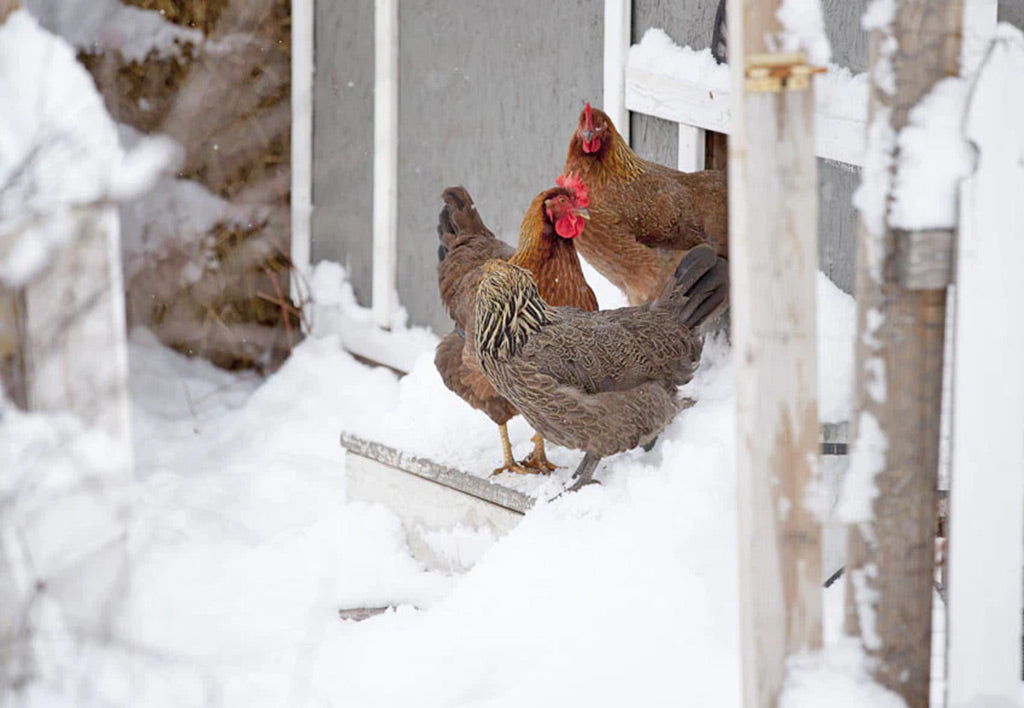
Chickens fluff their feathers to trap warm air. They huddle together to keep warm as a group.
They may eat more food to create energy and stay warm. Chickens also reduce movement to save heat.
- Fluff feathers to trap heat
- Huddle in groups for warmth
- Eat more to boost energy
- Move less to save heat
Signs Of Cold Stress
Cold stress can make chickens weak and tired. They may stop eating and look puffed up all the time.
Watch for pale combs, shivering, and less movement. These signs show they are too cold and need help.
- Puffed up feathers all day
- Shivering or trembling
- Pale or blue comb and wattles
- Less eating and drinking
- Weak or slow movement

Credit: milefour.com
Preparing The Coop For Winter
Chickens can survive very cold weather if their coop is ready. A well-prepared coop keeps chickens warm and safe.
Good preparation helps prevent illness and keeps chickens comfortable during winter months.
Insulation Techniques
Insulate the coop to keep heat inside. Use materials like foam boards or straw bales on walls.
Cover windows with clear plastic to block cold wind and still let light in.
- Seal gaps around doors and windows
- Add extra layers of insulation on walls
- Use heavy curtains over windows at night
Ventilation Without Drafts
Good airflow removes moisture and ammonia from the coop. Keep vents open but block cold drafts.
Place vents near the roof to let warm, moist air escape without chilling chickens.
- Use small, high vents instead of large openings
- Cover vents with hardware cloth to stop drafts
- Check for drafts at chicken level and seal them
Providing Dry Bedding
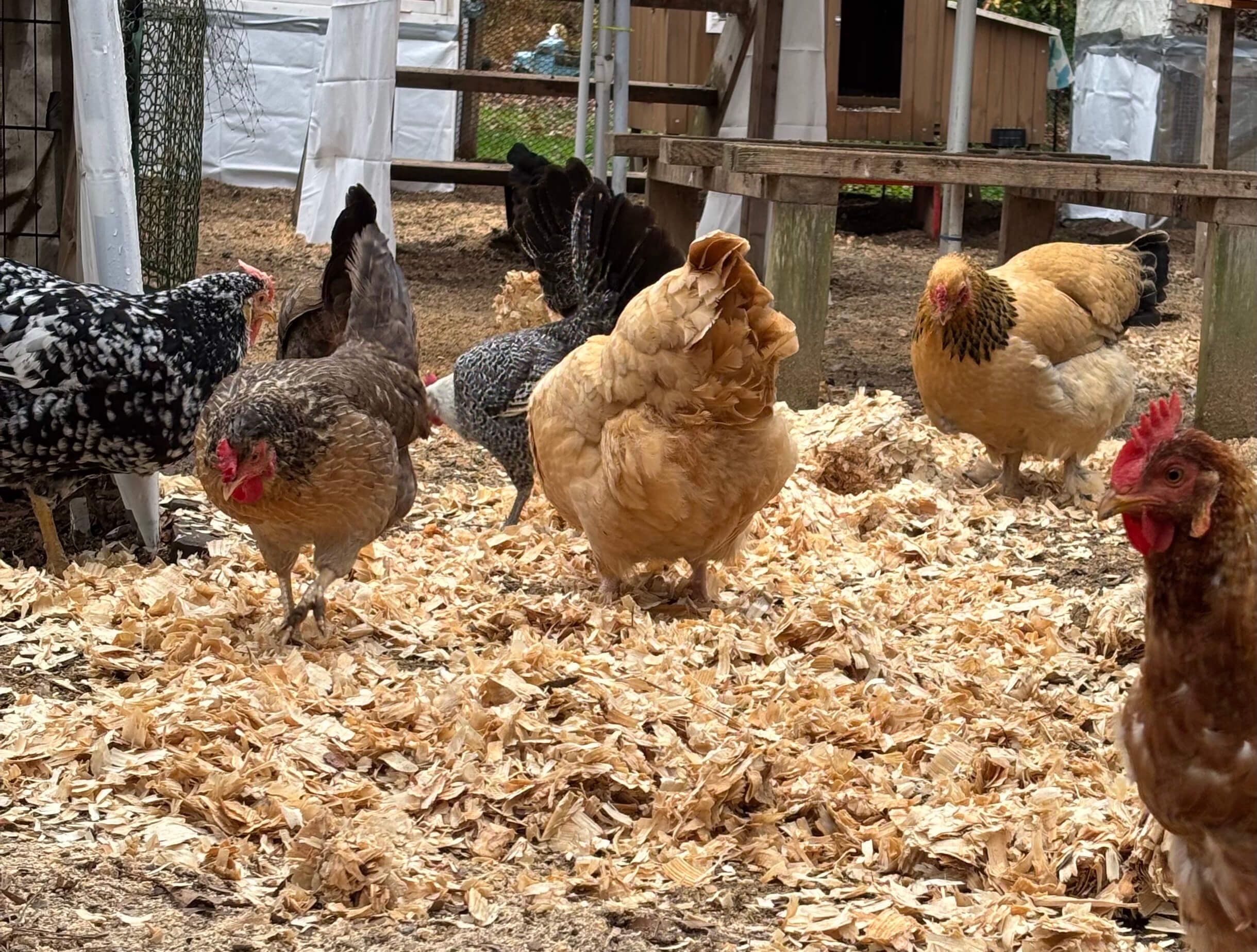
Dry bedding keeps chickens warm and prevents frostbite. Use materials like straw or wood shavings.
Change bedding often to keep it clean and dry. Wet bedding cools the coop and harms chickens.
- Use a thick layer of dry bedding on the floor
- Add fresh bedding regularly
- Remove wet or soiled bedding quickly
Feeding And Hydration In Cold
Chickens need special care during cold weather. Feeding and water are very important. Proper nutrition helps them stay warm and healthy.
Cold weather can make it hard for chickens to drink water. You must keep their water from freezing. This keeps them hydrated and strong.
Nutritional Needs
Chickens burn more energy to keep warm in cold weather. They need extra food with more calories. Feed them high-energy grains and proteins.
- Give them cracked corn or wheat for energy.
- Add protein like mealworms or cooked eggs.
- Offer scratch grains in the evening to help them sleep warm.
- Provide fresh vegetables for vitamins and minerals.
- Feed small amounts often to keep their energy steady.
Keeping Water From Freezing
Water is essential for chickens, even in freezing weather. Frozen water stops them from drinking. Use these tips to keep water liquid and fresh.
| Method | Description |
|---|---|
| Heated Waterers | Use electric heated water bowls to stop freezing. |
| Frequent Refills | Change water 2-3 times a day with warm water. |
| Insulated Containers | Use insulated buckets or cover waterers to keep warmth. |
| Water Placement | Place waterers inside the coop or in sunny spots. |

Credit: www.reddit.com
Protecting Chickens Outdoors
Chickens can survive cold weather if you prepare their outdoor space well. They need warmth and shelter to stay healthy during winter.
Good protection helps prevent frostbite and keeps chickens comfortable. Let’s look at ways to keep them safe in low temperatures.
Shelter Options
A solid shelter protects chickens from wind, snow, and rain. It also keeps cold drafts away and traps body heat inside.
- Use insulated walls to keep warmth inside
- Make sure the roof does not leak
- Provide dry bedding like straw or wood shavings
- Keep the coop clean to avoid moisture buildup
- Seal cracks and holes to block cold air
Using Heat Lamps Safely
Heat lamps can add extra warmth but must be used carefully to avoid fires. Safety is the top priority when adding heat sources.
| Safety Tips | Description |
| Secure Mounting | Attach lamps firmly to prevent falling |
| Use Proper Bulbs | Choose bulbs made for poultry use |
| Keep Away from Flammable Materials | Place lamps far from bedding and wood |
| Check Wiring | Inspect cords and plugs regularly |
| Use Timers | Limit lamp usage to avoid overheating |
Health Care During Winter
Cold weather can be hard on chickens. They need special care to stay healthy. Winter health care helps prevent sickness and injury.
Providing warmth and checking chickens often keeps them safe. Learn how to prevent frostbite and watch for signs of illness.
Preventing Frostbite
Frostbite happens when chicken skin freezes. It often affects combs, wattles, and feet. Cold, wet, and windy conditions make frostbite worse.
- Keep the coop dry and draft-free.
- Use soft bedding like straw to keep feet warm.
- Apply petroleum jelly on combs and wattles to protect skin.
- Provide a heat source if temperatures drop very low.
- Check chickens daily for pale or blackened skin.
Monitoring For Illness
Cold weather makes chickens more likely to get sick. Watch for changes in behavior and appearance. Early detection helps prevent serious illness.
| Sign | What It Means |
| Listless or weak | Possible cold stress or infection |
| Shivering | Trying to keep warm |
| Loss of appetite | May signal illness |
| Swollen eyes or nose | Possible respiratory infection |
| Wet or dirty feathers | Increased risk of chills |
Behavioral Adaptations
Chickens use behavior to stay warm in cold weather. They change how they act to keep their body heat.
These changes help chickens survive when temperatures drop very low. Their actions protect them from the cold.
How Chickens Keep Warm
Chickens fluff up their feathers to trap warm air close to their bodies. This creates an insulating layer that blocks cold wind.
They also huddle together in groups. By sitting close, they share body heat and reduce heat loss.
- Fluff feathers to trap heat
- Huddle with other chickens
- Reduce movement to save energy
- Seek shelter from wind and snow
Encouraging Natural Warmth
Chickens often tuck their heads under their wings to keep their face warm. They also stand on one leg to reduce heat loss from their feet.
| Behavior | Benefit |
|---|---|
| Tucking head under wing | Keeps face warm |
| Standing on one leg | Limits heat loss from feet |
| Finding shelter | Blocks cold wind |
| Limiting movement | Conserves energy |
Credit: chickenwhisperermagazine.com
Frequently Asked Questions
Can Chickens Survive In Freezing Temperatures?
Yes, chickens can survive freezing temperatures if properly cared for. They need a dry, draft-free coop and plenty of bedding to stay warm. Their feathers provide insulation, but additional heat sources may be needed in extreme cold.
How Do Chickens Stay Warm In Winter?
Chickens fluff their feathers to trap heat and huddle together for warmth. Providing shelter, dry bedding, and fresh water helps maintain their body heat during cold weather.
What Is The Ideal Coop Setup For Cold Weather?
A well-insulated, draft-free coop with good ventilation is ideal. Use straw or wood shavings for bedding, and ensure roosts are off the ground to keep chickens warm and healthy.
Can Cold Weather Affect Chicken Egg Production?
Yes, cold weather can reduce egg production. Chickens use more energy to stay warm, which may decrease laying frequency. Proper nutrition and warmth can help maintain egg production.
Conclusion
Chickens can live through very cold weather with proper care. Keep their coop warm and dry to protect them. Give extra food to help them stay strong. Fresh water is important, even in freezing temperatures. Watch for signs of cold stress or illness.
Small changes make a big difference in their survival. Cold weather is tough, but chickens are tougher. With attention and care, they will thrive all winter long.