How Do Arctic Hares Survive in the Cold Weather: Amazing Adaptations
Imagine stepping outside into a world of white, where the temperature plunges to bone-chilling lows, and the wind howls across a barren landscape. It’s the kind of environment that would make most creatures huddle up and shiver.
Yet, the Arctic hare thrives in these harsh conditions. How does it manage to survive and even flourish in such cold weather? The answer lies in a fascinating array of adaptations that you’ll find both surprising and intriguing. By understanding the unique strategies that Arctic hares use to outsmart the cold, you can gain a deeper appreciation for the resilience of nature.
Keep reading to uncover the secrets of these remarkable animals and discover how they inspire resilience in the face of adversity.
Physical Adaptations
Arctic hares live in very cold places. They have special body features. These features help them stay warm and survive.
Their physical adaptations protect them from the freezing weather. These changes help them find food and avoid danger.
Thick Fur And Insulation
Arctic hares have very thick fur. This fur keeps their bodies warm. It traps heat inside and stops cold air from getting in.
The fur also acts like a shield against the wind. Underneath the thick fur, they have a layer of fat. This fat adds extra insulation.
- Thick outer fur blocks cold wind
- Dense underfur traps body heat
- Fat layer under skin adds warmth
Compact Body Shape
Arctic hares have short ears and legs. Their bodies look round and compact. This shape helps them keep heat inside.
A compact body has less surface area. This reduces heat loss in cold air. It helps the hare save energy during winter.
- Short ears reduce heat loss
- Small legs keep warmth near the body
- Rounded shape holds heat better
Fur Color Changes
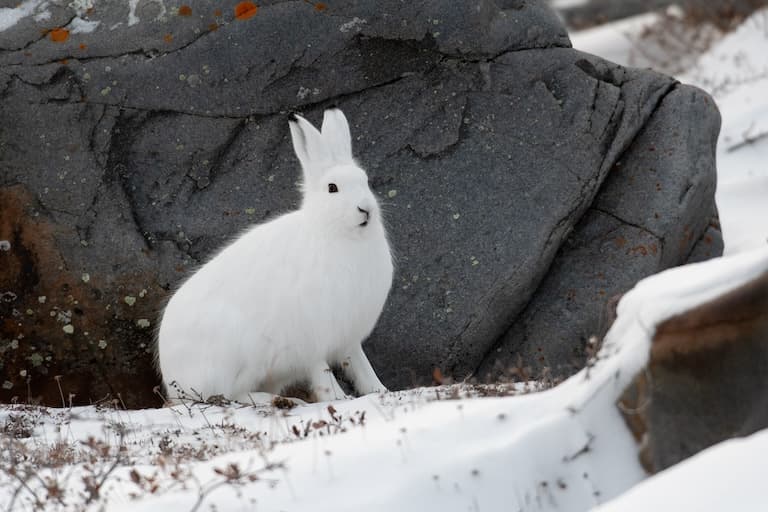
Arctic hares change their fur color with the seasons. Their winter fur is white to blend with snow. This helps them hide from predators.
In summer, their fur turns gray or brown. This color matches the rocks and plants. Changing fur color helps them stay safe year-round.
- White fur in winter for camouflage
- Gray or brown fur in summer
- Color change helps avoid predators

Credit: factanimal.com
Behavioral Adaptations
Arctic hares live in very cold places. They have special ways to survive the harsh weather. Their behavior helps them stay safe and warm.
This section looks at how they use burrowing, change activity by season, and interact socially to survive.
Burrowing And Shelter
Arctic hares dig into the snow and ground to make shelters. These burrows protect them from the cold wind and predators. The snow acts like a blanket to keep the burrow warm.
- Dig shallow tunnels under snow layers
- Use natural shelters like rocks and shrubs
- Rest inside burrows during the coldest hours
- Stay hidden from predators
Seasonal Activity Patterns
Arctic hares change their daily routines depending on the season. They are more active in warmer months and less active in winter. This helps save energy when food is scarce.
| Season | Activity Level | Behavior |
| Spring | High | Foraging and breeding |
| Summer | High | Feeding and moving around |
| Fall | Moderate | Preparing for winter |
| Winter | Low | Resting in burrows, conserving energy |
Social Behavior
Arctic hares live in groups to help protect each other. They watch for danger together and warn the group with loud noises. Group living also helps them find food more easily.
- Living in groups called herds
- Alerting others of predators by thumping their feet
- Huddling together to keep warm
- Sharing feeding areas
Diet And Foraging
Arctic hares live in very cold places. They need special food and ways to find it. Their diet and foraging habits help them survive cold weather.
They eat plants and find food even under snow. Their diet changes with seasons to keep them healthy and warm.
Winter Food Sources
In winter, plants are hard to find. Arctic hares eat twigs, bark, and buds from shrubs and small trees. They also eat mosses and lichens.
These foods have less water and nutrients than summer plants, but they keep the hares alive during cold months.
- Woody plants like willow and birch twigs
- Bark from shrubs and small trees
- Mosses and lichens found under snow
- Any leftover grasses or dried plants
Foraging Techniques
Arctic hares use their strong front paws to dig through snow. This helps them reach hidden plants below the surface.
They move carefully to avoid predators while searching for food. Hares often forage near shelter like rocks or bushes.
- Digging snow with front paws
- Searching under bushes and rocks
- Foraging during daylight for safety
- Moving quietly to avoid predators
Nutritional Strategies
Arctic hares eat high-fiber foods to keep energy. They digest tough plants slowly to get nutrients.
They also eat more food in winter to build fat. Fat helps keep their bodies warm in cold weather.
- Eating high-fiber woody plants
- Slow digestion for nutrient absorption
- Increasing food intake during winter
- Building fat reserves for warmth
Physiological Adaptations
Arctic hares survive in freezing temperatures because of special body changes. Their bodies work in unique ways to keep warm and save energy.
These changes help them live where the cold is harsh and food can be scarce. Their physiology is key to their survival.
Metabolic Rate Adjustments
Arctic hares change their metabolism to save energy during cold months. They slow down their metabolic rate to reduce heat loss.
This helps them use less food for energy. In cold times, their bodies burn fat slowly to keep warm for longer.
Cold Tolerance Mechanisms
The hares have thick fur that traps heat close to their skin. Their blood flows close to the surface to keep their paws warm.
- Thick fur insulates body heat
- Reduced blood flow to extremities prevents frostbite
- Ability to enter a state of torpor to save energy
Water Conservation
| Adaptation | Benefit |
|---|---|
| Efficient kidney function | Reduces water loss |
| Extracts water from food | Needs less drinking water |
| Minimal sweating | Keeps body hydrated |
Predator Avoidance
Arctic hares live in cold places with many predators. They use special ways to stay safe. Their survival depends on avoiding being caught.
This article explains how they use camouflage, speed, and smart escape moves to protect themselves.
Camouflage And Stealth
Arctic hares change their fur color with the seasons. In winter, their fur turns white to blend with the snow. In summer, their fur becomes gray or brown to match rocks and plants.
This color change helps them hide from predators like foxes and wolves. They also stay very still to avoid being seen.
Speed And Agility
Arctic hares are fast runners. They can run up to 40 miles per hour. Their strong hind legs help them jump far and change direction quickly.
- Fast sprints to escape predators
- Sudden turns to confuse hunters
- Long jumps to cross snowy land quickly
Escape Strategies
| Escape Tactic | Description |
|---|---|
| Freezing | Hares stay still to avoid detection. |
| Burrowing | They hide in snow burrows to escape danger. |
| Group Alert | Living in groups helps warn others of predators. |

Credit: www.nautra.co.uk

Credit: creatures-of-the-world.fandom.com
Frequently Asked Questions
How Do Arctic Hares Stay Warm In Freezing Temperatures?
Arctic hares grow thick, dense fur that insulates their bodies. Their fur changes color to white in winter, providing camouflage and extra warmth. They also reduce heat loss by curling up and tucking their limbs close to their bodies during cold weather.
What Adaptations Help Arctic Hares Survive Winter?
Arctic hares have large, powerful hind legs for fast running on snow. Their short ears minimize heat loss. They dig shelters in snow to avoid harsh winds. These adaptations allow them to conserve energy and escape predators in extreme cold.
What Do Arctic Hares Eat In Cold Weather?
Arctic hares eat woody plants, mosses, and lichens during winter. They can survive on limited food sources when vegetation is scarce. Their strong teeth help them chew tough, frozen plants, providing essential nutrients for survival in harsh conditions.
How Do Arctic Hares Avoid Predators In Winter?
Their white fur blends with snowy surroundings, making them hard to spot. They rely on speed and agility to escape predators. Arctic hares also use snow burrows for protection and stay alert to threats in their environment.
Conclusion
Arctic hares survive cold weather through smart adaptations. Their thick fur keeps them warm and white fur blends with snow. They eat tough plants and dig shelters in the snow. Strong legs help them run fast to escape predators. These hares show nature’s power to adapt and thrive.
Their survival skills inspire us to face harsh conditions. Learning about them helps us respect wildlife more. Small creatures, big lessons.