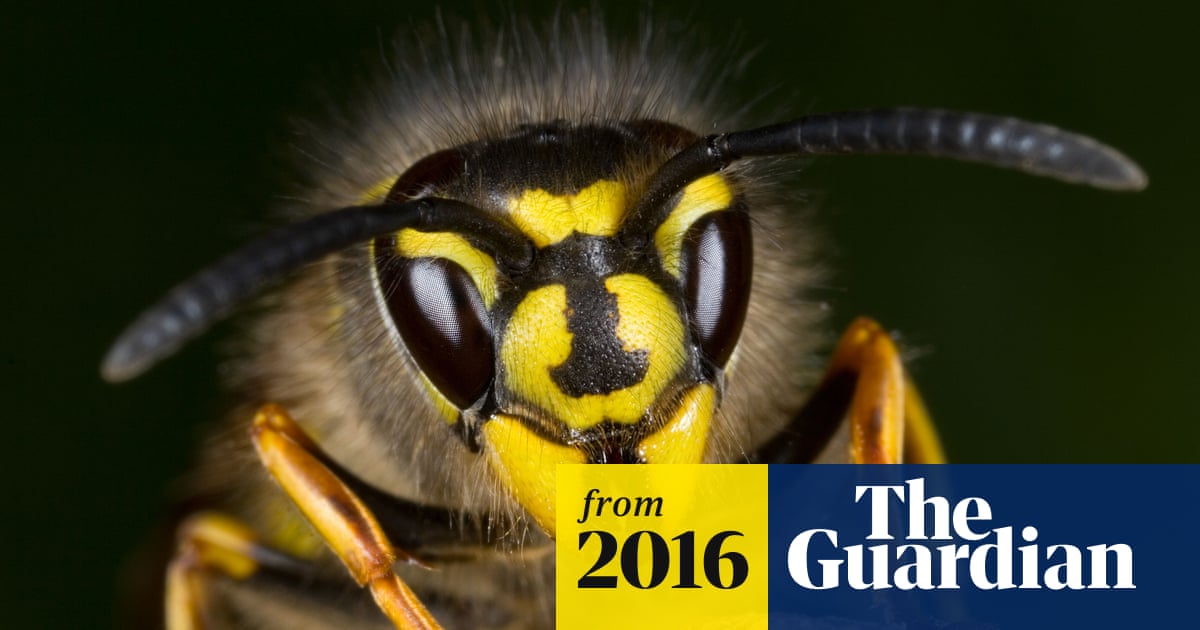
Can Wasps Survive in Cold Weather? Shocking Truth Revealed
Have you ever wondered what happens to wasps when the temperature drops? As the chill of winter sets in, you might notice fewer of these buzzing insects around.
But do they really disappear, or is there more to their story? Understanding how wasps handle cold weather can help you appreciate the intricate balance of nature and even inform how you manage your outdoor spaces. Stick around, and you’ll discover the fascinating strategies wasps use to survive the cold.
You might be surprised at just how resilient these tiny creatures can be. Get ready to uncover the secrets of wasp survival and gain insights that could change how you view your garden visitors.
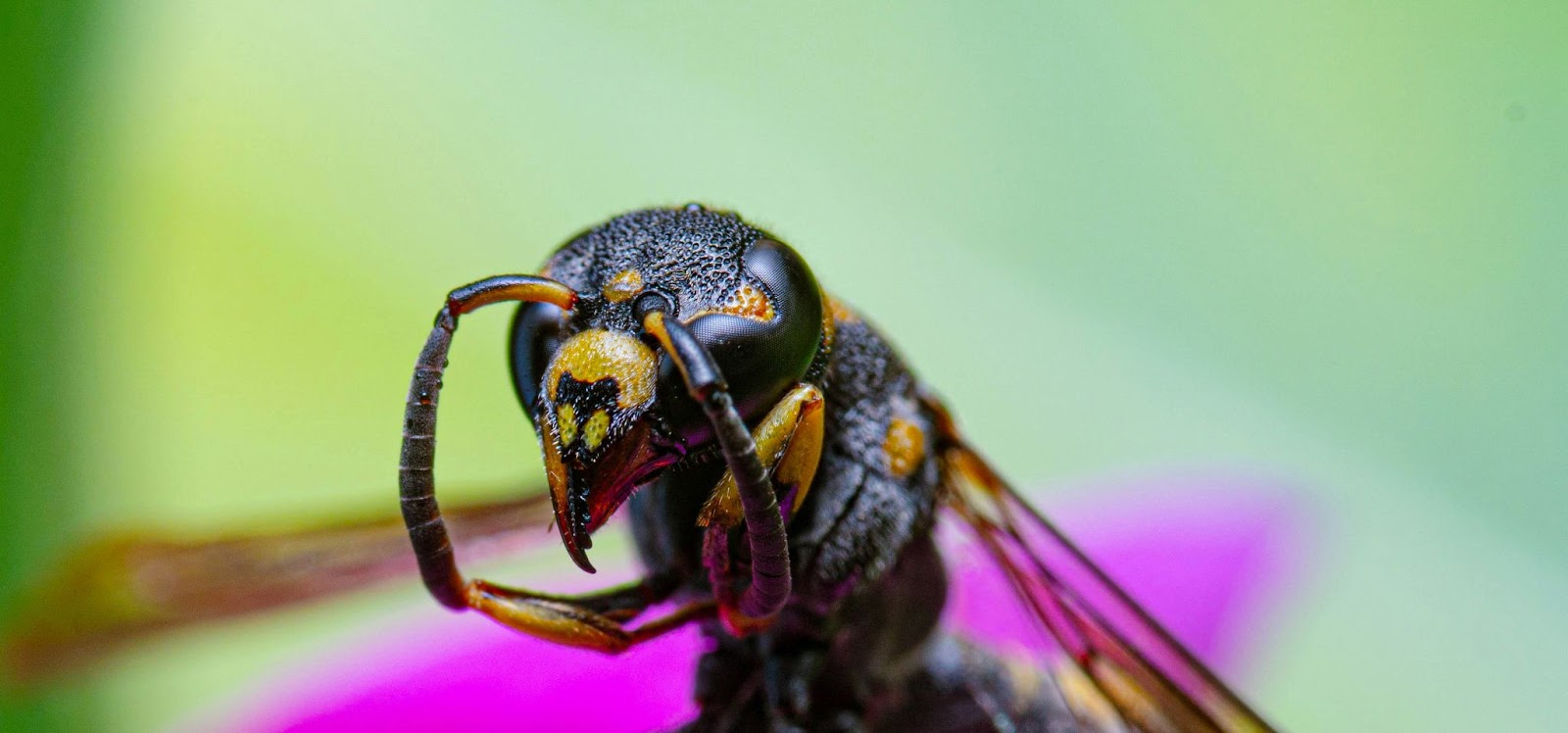
Credit: naturapestcontrol.com
Wasp Biology And Cold Tolerance
Wasps are insects that live in many places. Their ability to survive cold weather depends on their biology.
This article explains how wasp species differ and how they adapt to cold climates.
Wasp Species And Habitats
There are many types of wasps. Some live in warm places, while others live in colder areas. Their habitats affect their survival during winter.
- Paper wasps build nests in sheltered spots like tree branches or buildings.
- Yellowjackets often make nests underground or in wall cavities.
- Hornets prefer tree hollows or large shrubs for their nests.
- Some wasps migrate or die off before winter arrives.
Physiological Adaptations To Cold
Wasps use several body changes to survive cold weather. These adaptations help them resist freezing and low temperatures.
| Adaptation | Description |
| Antifreeze Proteins | Prevent ice from forming in their body fluids. |
| Fat Storage | Energy reserves to survive during inactive winter months. |
| Reduced Metabolism | Slows body functions to save energy. |
| Hibernation | Some wasps enter a dormant state in sheltered places. |
How Wasps Respond To Winter
Wasps face cold weather by changing their behavior and protecting their nests. Winter is tough for them because they do not survive well in freezing temperatures. They have special ways to stay safe until spring.
Understanding how wasps respond to winter helps us learn about their survival skills and their life cycle. These changes keep their colonies alive through the cold months.
Behavioral Changes In Cold Seasons
Wasps change their habits as temperatures drop. Most adult wasps die before winter. Only the queen wasp survives by finding a warm place to hide. She goes into a type of sleep called diapause.
- Worker wasps stop flying and gathering food.
- Queens look for cracks in wood or soil to hide.
- Wasps reduce activity to save energy.
- Some wasps gather in groups to keep warm.
Nest Survival Strategies
Wasps build nests that help protect the colony from cold. The nests are usually made from chewed wood and plant fibers. They are insulated to keep the inside warm. Some species abandon the nest in winter.
| Strategy | Description |
| Nest insulation | Nests have layers to trap heat inside. |
| Location choice | Nests are placed in sheltered spots like tree holes or buildings. |
| Abandonment | Many wasps leave old nests to start new ones in spring. |
| Queen hibernation | Only queens survive winter by hiding alone. |
Cold Weather Survival Mechanisms
Wasps face tough conditions during cold weather. They use special ways to survive winter months. These methods help them avoid freezing and stay alive.
Understanding how wasps survive cold weather can explain their life cycle. Their survival depends on their biology and behavior changes.
Hibernation And Diapause
Wasps do not hibernate like bears. Instead, they enter a state called diapause. This is a pause in their development to survive winter.
During diapause, wasps lower their activity and slow their metabolism. They stay hidden in safe places until warmer weather returns.
- Diapause helps conserve energy.
- Wasps stop eating and moving much.
- They remain inactive to avoid freezing.
- This state lasts through the cold months.
Role Of Queens During Winter
Only queen wasps survive the winter. Worker wasps die off in fall. Queens find warm, dry places to stay safe.
Queens use stored fat to live through winter. In spring, they leave hiding spots to build new nests and start colonies.
- Queens enter diapause to survive cold.
- They find protected spots like wood or soil.
- Stored energy helps queens last months.
- Queens restart colonies after winter ends.

Credit: www.reddit.com
Environmental Impact On Wasp Survival
Wasps are insects that face many challenges in cold weather. Their ability to survive depends on the environment around them. Understanding how cold affects wasps helps us learn more about their role in nature.
Factors like temperature and climate change play big roles in wasp survival. These changes affect where wasps can live and how they behave during winter months.
Temperature Thresholds
Wasps can survive only to a certain cold temperature. If it gets too cold, they cannot stay alive. Most wasps die when temperatures drop below freezing.
Some wasp species find shelter to protect themselves from the cold. They hide in wood, soil, or inside buildings to stay warm enough during winter.
- Below 32°F (0°C), many wasps enter a state like hibernation.
- Extreme cold below 14°F (-10°C) can kill most wasps.
- Wasp queens survive winter by resting in protected places.
Effects Of Climate Change
Climate change affects wasp survival by changing temperature patterns. Warmer winters can help more wasps survive and grow their populations. This can increase their impact on the environment.
Changing climates can also shift where wasps live. Warmer areas may see more wasps, while colder regions may lose them. This shift affects local ecosystems and plants that rely on wasps.
- Warmer winters help wasp queens survive longer.
- More wasps can lead to fewer pests, but also more stings.
- New wasp species may move into areas they did not live before.
Common Myths About Wasps In Winter
Many people wonder if wasps can survive cold weather. There are many ideas about what happens to wasps in winter. Some stories say wasps freeze and die.
Other ideas say wasps stay active all winter long. It is important to know the truth about these bugs and cold weather.
Misconceptions About Wasps Freezing
Some people think wasps freeze during winter like water turns to ice. They believe cold weather kills all wasps. This is not true for all wasp species.
Wasps are insects, and they can handle cold in different ways. Many wasps hide in safe places to stay warm. They do not freeze like ice.
- Wasps do not have antifreeze in their bodies.
- They avoid freezing by finding warm spots.
- Most wasps slow down but do not freeze solid.
Truth About Wasps’ Activity In Cold
Wasps are less active in cold weather. Many wasps die before winter or leave their nests. Only queen wasps survive the cold months.
Queen wasps hide in places like tree bark or underground. They stay quiet and use less energy. When spring comes, they start building new nests.
- Most wasps stop flying when it is cold.
- Only queen wasps survive through winter.
- Wasps become active again in spring.
Tips For Managing Wasps In Cold Weather
Wasps face challenges in cold weather. Many die off or stay inactive. Managing them helps prevent problems.
Understanding how to stop nests and remove wasps safely is important. These tips help keep your home safe.
Preventing Nest Formation
Wasps build nests in warm places before cold weather. Stopping nests early reduces wasp problems later.
- Seal cracks in walls and roofs to block entry.
- Remove food sources like sugary drinks outside.
- Keep trash bins tightly closed.
- Trim tree branches near your home.
- Use wasp-repellent plants such as mint or eucalyptus.
Safe Removal Techniques
Removing wasps safely protects you from stings. Use the right tools and methods to avoid risks.
| Technique | Details |
| Wear protective clothing | Cover skin with thick clothes and gloves. |
| Use wasp spray | Spray nests at night when wasps are inactive. |
| Remove nests carefully | Use a long tool to detach nests gently. |
| Call professionals | Hire experts for large or hard-to-reach nests. |
Credit: naturapestcontrol.com
Frequently Asked Questions
Can Wasps Survive Freezing Winter Temperatures?
Most wasps cannot survive freezing temperatures. Only queen wasps hibernate in insulated places. Workers and males die off before winter.
How Do Wasps Protect Themselves From Cold Weather?
Wasps seek shelter in warm, dry locations like hollow trees or underground nests. Queens enter a dormant state to conserve energy.
Do Wasp Nests Survive Through Winter?
Wasp nests usually do not survive winter. They degrade or get abandoned after the colony dies off in cold weather.
When Do Wasps Become Active After Winter?
Queen wasps emerge from hibernation in early spring. They start building new nests and laying eggs as temperatures rise.
Conclusion
Wasps face tough challenges in cold weather. Most cannot survive freezing temperatures outside. Some hide in safe places to stay warm. Others die, but their eggs live on. This helps wasps return in the spring. Nature has its own way of protecting them.
Understanding this cycle helps us respect wasps more. They play a role in the environment, even in cold seasons.