Can a Husky Survive Cold Weather: Ultimate Guide to Their Resilience
Are you wondering if your Husky can handle the chill of winter? You might be surprised by what these beautiful, fluffy dogs can endure.
Known for their striking appearance and boundless energy, Huskies have a fascinating history rooted in harsh climates. But how do they really fare when the temperature drops? You’ll discover the secrets behind their cold-weather resilience. We’ll explore their unique features and how you can ensure your furry friend stays cozy and safe in the freezing months.
Get ready to uncover the truth about your Husky’s winter adventures and learn how to keep them happy in the cold. Dive in and find out if your beloved Husky is truly built for the cold.
Husky Origins
Huskies are strong dogs known for their ability to live in cold places. They have thick fur and high energy. Their history helps explain why they can survive cold weather.
This article looks at where huskies come from and the places they naturally live. These details show how huskies adapt to cold climates.
Historical Background
Huskies come from Siberia, where native people bred them for work and travel. These dogs pulled sleds and helped with hunting in freezing weather. Over time, huskies grew thick coats and strong bodies.
- Used by Chukchi people in Siberia
- Huskies helped pull heavy sleds
- Bred for endurance and cold resistance
- Known for friendly and loyal nature
Natural Habitat
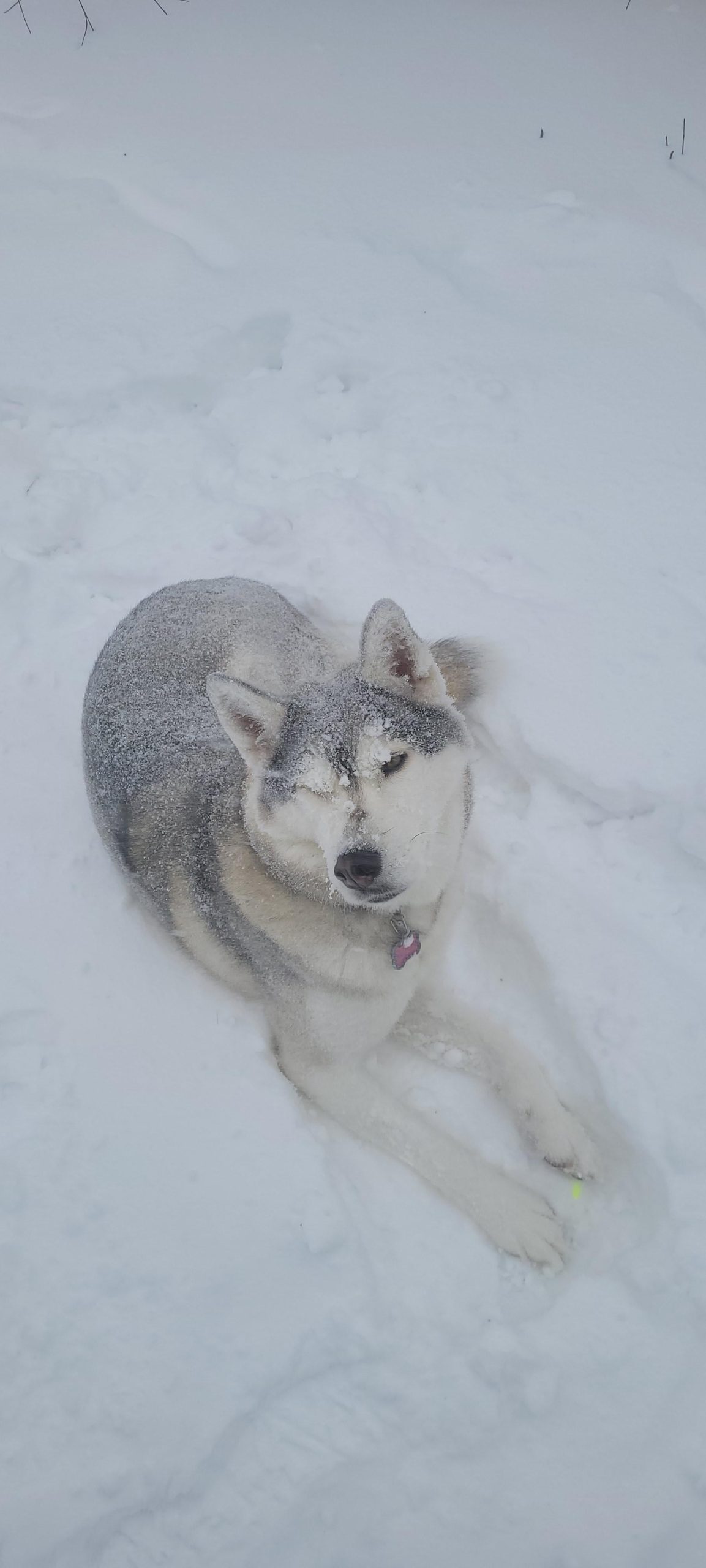
Huskies live in cold areas with snow and ice. They are built to handle freezing temperatures. Their fur keeps them warm and dry. They have special paws to walk on snow and ice safely.
| Feature | Benefit |
| Double coat | Insulates against cold |
| Thick fur on paws | Protects from ice and snow |
| Strong muscles | Allows long runs in snow |
| Compact body | Conserves heat |

Credit: www.reddit.com
Physical Traits For Cold
Siberian Huskies are well-known for their ability to handle cold weather. Their bodies have special features that help them stay warm and active in freezing temperatures.
These traits are natural and help Huskies survive and even enjoy cold climates. Understanding these traits shows why Huskies do so well in snow and ice.
Double Coat Benefits
Huskies have a thick double coat that protects them from cold air and snow. The outer coat is made of stiff guard hairs that repel water and snow. The inner coat is soft and dense, trapping heat close to the skin.
- Outer coat sheds snow and rain
- Inner coat keeps warmth inside
- Coat changes thickness with seasons
- Helps maintain body temperature in extreme cold
Body Structure
Huskies have a compact body that reduces heat loss. Their ears are small and rounded to keep warmth. The tail curls over the back, which the dog can use to cover its nose while resting.
| Feature | Benefit in Cold Weather |
|---|---|
| Compact body | Reduces surface area for heat loss |
| Small, rounded ears | Less heat escapes from ear tips |
| Curled tail | Protects face from cold winds |
Paw Adaptations
Husky paws are designed for cold and snowy surfaces. They have thick fur between their toes to keep frost away. Their paw pads are tough and help with traction on ice.
- Fur between toes prevents ice buildup
- Thick, tough pads protect from cold ground
- Paw shape helps grip slippery surfaces
- Natural insulation supports long activity outdoors
Cold Weather Behavior
Huskies are known for their ability to live in cold weather. Their behavior changes to help them stay warm and active. Understanding these changes helps us care for them better.
In cold weather, huskies show special habits that keep them safe and comfortable. These habits include how they move, stay warm, and interact with others.
Activity Levels
Huskies stay active in cold weather to keep their body heat up. They love to run, play, and explore outside. Activity helps them avoid getting too cold.
When it is very cold, they may rest more but still enjoy short bursts of energy. Regular exercise is important for their health and happiness.
Thermoregulation
Huskies have thick fur that traps heat close to their bodies. Their fur also protects them from wind and snow. This helps them keep a steady body temperature.
They use behaviors like curling up and tucking their nose under their tail to keep warm. Their paws have special pads that protect them from ice and cold ground.
- Thick double coat insulates against cold
- Curling up saves body heat
- Paw pads resist frostbite
Social Interactions
Huskies are social dogs that enjoy being with others in cold weather. They often huddle together to share warmth. This behavior helps them feel safe and warm.
They use body language to communicate, like wagging tails and playful gestures. Social bonds keep them calm and happy during cold seasons.

Credit: www.reddit.com
Limits Of Cold Tolerance
Siberian Huskies are known for their strength in cold weather. Still, they have limits to how much cold they can handle safely. Understanding these limits helps owners keep their dogs healthy and safe.
Cold tolerance depends on many factors like age, health, and weather conditions. Owners must watch for risks and signs of cold-related problems.
Extreme Temperature Risks
Even Huskies can face dangers in extreme cold. These risks include frostbite, hypothermia, and injuries from ice or snow. Strong winds and wet fur make cold more dangerous.
- Frostbite damages skin and tissue.
- Hypothermia lowers body temperature dangerously.
- Ice can cause cuts or slips.
- Wet fur loses insulation power.
- Strong winds increase cold stress.
Signs Of Hypothermia
Hypothermia happens when a dog’s body temperature drops too low. Early signs need quick action to prevent serious harm.
| Sign | Description |
| Shivering | Uncontrolled shaking to warm up |
| Weakness | Low energy and slow movements |
| Cold ears and paws | Body parts feel icy to touch |
| Slow breathing | Breathing rate drops |
| Confusion | Disorientation or unresponsiveness |
Frostbite Awareness
Frostbite harms skin and deeper tissues. It often affects ears, tail, and paws. Early care limits damage.
- Pale or gray skin
- Cold, hard areas on the skin
- Swelling or blisters
- Pain when touched
- Peeling skin after warming
Care Tips In Cold
Huskies are known for their thick coats and love for cold weather. Still, they need care to stay safe and healthy in winter.
Proper care helps Huskies enjoy the cold without risks. You must focus on shelter, food, and exercise.
Proper Shelter
Huskies need a warm, dry place to rest outside. Their shelter should block wind and rain. It must be raised off the ground.
Add straw or blankets for extra warmth. Make sure the entrance is small to keep heat in. Check the shelter often.
- Use insulated dog houses or shelters
- Keep bedding clean and dry
- Place shelter in a wind-protected area
- Check for drafts or leaks regularly
Nutrition Needs
Cold weather makes Huskies burn more energy. Feed them more calories to keep their body warm and strong.
Use high-quality dog food with good protein and fat. Provide fresh water that does not freeze.
- Increase food amount during cold months
- Choose food rich in fats and proteins
- Keep water bowl filled and check often
- Offer warm water to prevent freezing
Exercise Guidelines
Huskies need daily exercise to stay healthy and happy in cold weather. Exercise helps keep their muscles strong.
Watch for signs of cold stress. Shorten outdoor time if it gets too cold or windy.
- Take Huskies for walks every day
- Play active games to keep them moving
- Limit time outside in extreme cold
- Check paws for ice or salt damage

Credit: www.reddit.com
Common Health Issues
Siberian Huskies are built for cold weather, but they still face health risks. Cold weather can cause health problems that owners should watch for.
Understanding these issues helps keep your Husky safe and healthy during cold months.
Cold-related Illnesses
Huskies can get cold-related illnesses like frostbite and hypothermia. These happen when their body gets too cold for too long.
Frostbite affects ears, paws, and tail. Skin turns pale or blue and feels cold. Hypothermia makes dogs very weak and slow.
- Frostbite: damage to skin and tissue from freezing
- Hypothermia: dangerous drop in body temperature
- Chilblains: painful swelling from cold, damp conditions
- Respiratory issues: cold air can irritate lungs
Preventive Measures
Protect your Husky by limiting time outside in extreme cold. Watch their paws and ears for signs of frostbite.
Provide warm shelter and dry bedding. Keep your dog active to improve blood flow and warmth.
- Limit outdoor time in freezing weather
- Use dog booties to protect paws
- Check skin regularly for cold damage
- Provide insulated shelter with blankets
- Keep your Husky dry and clean
Comparing Huskies To Other Breeds
Huskies are known for their ability to handle cold weather. Many dog breeds come from different climates. This affects how well they deal with cold temperatures.
We will look at how Huskies compare to other breeds in cold weather. This includes their suitability and how they adapt.
Cold Weather Suitability
Huskies have thick double coats that keep them warm. Other breeds may have thinner coats or less fat. This makes Huskies better suited for freezing conditions.
- Huskies have dense fur and a woolly undercoat.
- Labradors have short hair and less insulation.
- Chihuahuas have thin coats and low cold tolerance.
- Saint Bernards have heavy coats but overheat in warm weather.
Adaptation Differences
| Breed | Coat Type | Cold Tolerance | Common Habitat |
| Siberian Husky | Double Coat | High | Arctic and Cold Regions |
| German Shepherd | Double Coat | Medium | Temperate Zones |
| Beagle | Short Coat | Low | Warm to Moderate Climates |
| Alaskan Malamute | Thick Double Coat | Very High | Arctic and Snowy Areas |
Frequently Asked Questions
Can Huskies Naturally Survive Extreme Cold Weather?
Yes, Huskies have thick double coats that insulate them from cold. They thrive in freezing temperatures due to their Arctic heritage and dense fur, which keeps them warm and protected from harsh weather conditions.
How Cold Is Too Cold For A Husky?
Huskies tolerate cold well but extreme temperatures below -50°F (-45°C) can be dangerous. Prolonged exposure to such cold can cause frostbite and hypothermia, so monitoring and shelter are crucial.
Do Huskies Need Extra Care In Cold Weather?
Even with their thick coats, Huskies need proper shelter and nutrition in cold. Adequate food, water, and dry resting places help them stay healthy and comfortable during winter months.
Can Huskies Swim In Cold Water?
Huskies can swim but cold water poses risks like hypothermia. They should be supervised and limited in icy water to prevent health issues related to extreme cold exposure.
Conclusion
Huskies have thick fur that keeps them warm in cold weather. They are built to handle snow and ice. Still, they need shelter from strong winds and wet conditions. Giving them proper care helps them stay healthy and happy. Cold weather alone does not harm a husky.
Watch their behavior to know if they feel too cold. With the right care, huskies enjoy cold climates very well. Their natural traits make them strong in winter. They are great dogs for cold places.