Can a Concrete House Survive a Hurricane: Unbreakable Strength Explained
When a hurricane is on the horizon, you might find yourself worrying about the safety of your home. Can your house withstand the powerful winds and torrential rains?
If you’ve ever considered building or buying a concrete house, you’re probably wondering, “Can a concrete house survive a hurricane? ” The answer could mean greater peace of mind for you and your family. We’ll dive into the resilience of concrete structures, and why they might just be your best bet against nature’s fiercest storms.
Stay with us as we uncover how concrete houses stand strong while others falter. You won’t want to miss the surprising insights and practical tips that could protect your home and loved ones.
Hurricane Impact On Homes
Hurricanes bring strong winds and heavy rain that can harm houses. Understanding their effects helps us see why some homes survive better.
Concrete houses often stand stronger than traditional ones. Let’s look at common damage and wind dangers for homes during hurricanes.
Common Damage To Traditional Houses
Traditional houses often use wood and lighter materials. These can break or wash away in strong storms. Roofs and windows are weak spots.
- Roof shingles can blow off or be damaged.
- Windows may break from pressure or flying objects.
- Wooden walls can crack or get holes.
- Flooding can cause water damage inside the home.
- Garage doors may fail, letting in wind and rain.
Wind Forces And Debris Threats
Hurricane winds push hard on buildings and toss debris. Flying objects can break windows and damage walls. Strong winds can lift roofs.
| Wind Force | Effect on Homes |
| Up to 74 mph | Minor damage like loose shingles |
| 75-110 mph | Broken windows and damaged roofs |
| 111-130 mph | Walls damaged and doors forced open |
| Above 130 mph | Severe structural damage possible |
Credit: www.insurancejournal.com
Concrete’s Strength Against Hurricanes
Concrete is a popular building material known for its durability. It can withstand strong forces from nature.
This article looks at how concrete houses resist hurricane damage. We will discuss its material properties, wind and water resistance, and impact absorption.
Material Properties Of Concrete
Concrete is a mix of cement, water, sand, and gravel. It hardens to form a solid, strong mass. Its strength comes from its dense structure and the chemical reaction during curing.
- High compressive strength resists crushing forces.
- Low porosity reduces water absorption.
- Good fire resistance adds safety.
- Long lifespan with minimal maintenance.
Resistance To Wind And Water
Concrete walls block high winds and heavy rain. The solid mass stops wind from passing through. It also prevents water from leaking inside.
| Property | Benefit During Hurricane |
| Density | Stops wind penetration |
| Water Resistance | Blocks rain and flooding |
| Seamless Surface | Limits water leaks |
| Heavy Weight | Prevents wall collapse |
Impact Absorption Capabilities
Hurricanes can throw debris at high speed. Concrete absorbs impact energy well. It cracks but rarely breaks completely.
Concrete houses resist impact by:
- Spreading force through thick walls
- Using steel reinforcement bars inside
- Maintaining structural integrity after hits
Construction Techniques For Hurricane Resistance
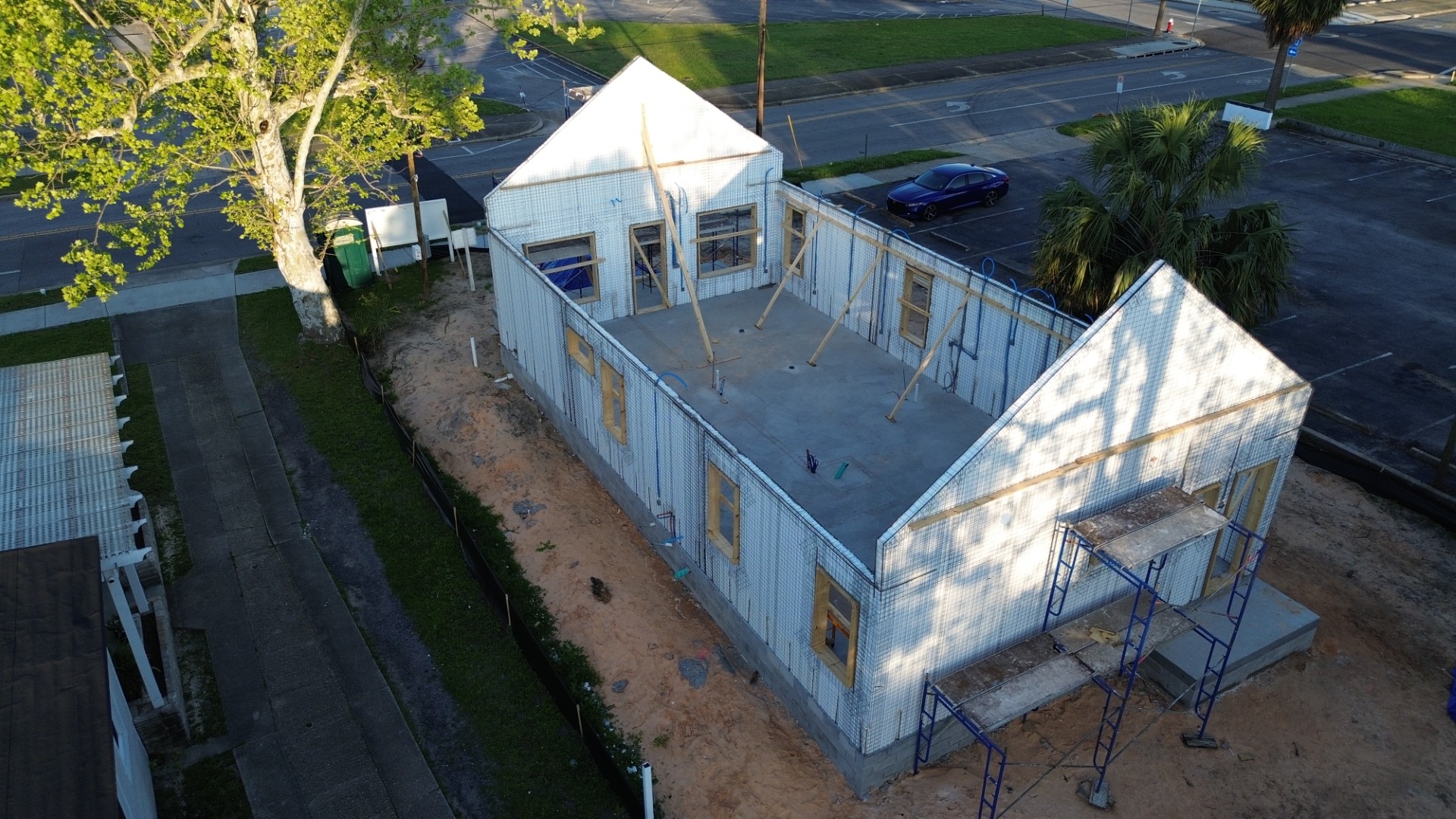
Concrete houses can resist hurricanes well if built with strong methods. Builders use special techniques to make homes tough against wind and rain. These methods help protect people and property during storms.
This guide explains key ways to build concrete houses that stand up to hurricanes. It covers strong structures, smart design, and ways to keep water out.
Reinforced Concrete Structures
Concrete is very strong but it works best with steel inside. Steel bars, called rebar, make the concrete bend without breaking. This helps buildings handle strong hurricane winds and flying debris.
- Use tightly spaced steel bars in walls and roofs.
- Connect beams, columns, and slabs firmly with rebar.
- Make sure concrete is thick and well mixed.
- Anchor structures deeply into the ground.
Design Features That Enhance Durability
Designing a house for hurricanes means reducing weak points. Rounded corners and fewer openings lower wind pressure. Roofs with strong ties stop them from lifting off. Small windows with shutters add extra protection.
| Feature | Benefit |
| Rounded corners | Lower wind pressure |
| Strong roof ties | Prevent roof loss |
| Small windows | Reduce breakage risk |
| Storm shutters | Protect glass from debris |
Sealing And Waterproofing Methods
Water can damage concrete homes during hurricanes. Builders use seals and coatings to keep water out. Proper drainage systems move rain away from the foundation. These steps stop leaks and mold growth.
- Apply waterproof membranes on roofs and walls
- Seal joints and cracks with flexible sealants
- Install flashing around windows and doors
- Use water-resistant paints and coatings

Credit: elementicf.com
Case Studies Of Concrete Homes In Hurricanes
Concrete houses often face hurricanes better than other homes. Their strong walls and roofs resist wind and rain. Many real examples show how concrete homes survive harsh storms.
Looking at stories from recent hurricanes helps us understand concrete’s power. We also compare concrete to wood and brick homes to see the differences.
Survivor Stories From Recent Storms
In Hurricane Michael (2018), many concrete homes in Florida stayed intact. Their walls held strong against winds over 150 mph. One family reported no roof damage or flooding inside.
- A concrete home in Panama City had only minor window damage.
- Concrete block homes in Puerto Rico after Hurricane Maria lost fewer walls than wooden houses.
- In Texas, concrete homes survived Hurricane Harvey’s floods with little harm.
Comparisons With Other Building Types
Concrete homes show clear advantages over other types during hurricanes. Wood houses often lose roofs or walls. Brick homes can crack or collapse under strong winds.
| Building Type | Wind Resistance | Flood Resistance | Common Damage |
| Concrete | High | High | Minor window damage |
| Brick | Medium | Low | Wall cracks, partial collapse |
| Wood | Low | Low | Roof loss, wall failure |
Cost And Maintenance Considerations
Concrete houses are known for their strength during hurricanes. They need different care than wood houses. Understanding cost and maintenance helps you decide if concrete is right for you.
This section looks at how much you pay first and what you save later. It also covers fixing and taking care of concrete homes after storms.
Initial Investment Vs Long-term Savings
Building with concrete costs more at the start than wood or brick. Materials and labor are pricier. But concrete lasts longer and stands up better to storms.
You spend less on repairs and insurance over time. Concrete homes can lower energy costs because they keep heat and cold out well.
- Higher upfront building costs
- Lower insurance premiums
- Reduced energy bills
- Fewer repairs after storms
- Longer lifespan of the house
Repair And Upkeep After Storms
Concrete homes usually suffer less damage in hurricanes. Cracks can appear but are easier to fix than replacing wood or siding. This means less time and money spent on repairs.
Maintenance includes checking for cracks and sealing them. Regular inspections help keep the home strong and safe against future storms.
- Inspect walls for cracks after storms
- Seal cracks promptly to prevent water damage
- Clean gutters and drainage to avoid water buildup
- Check roof connections and repair if needed
- Schedule professional inspections every few years

Credit: www.insurancejournal.com
Future Of Hurricane-resistant Housing
Hurricanes cause strong winds and heavy rain. Houses need to be strong to protect people and belongings.
Concrete houses show promise in surviving hurricanes. New ideas help make homes even safer in the future.
Innovations In Concrete Technology
Concrete now uses special mixes that are stronger and lighter. These mixes resist cracking during storms.
Adding fibers and new materials to concrete helps it absorb impact from debris and high winds.
- Fiber-reinforced concrete improves strength and flexibility
- Lightweight concrete reduces weight without losing durability
- Self-healing concrete fills small cracks automatically
- Water-resistant concrete protects against heavy rain damage
Building Codes And Safety Regulations
Building codes now require stronger materials and designs for hurricane zones. These rules keep homes safer.
Regulations include rules for roof shapes, window strength, and wall construction to resist wind and water.
- Stricter wind resistance standards for walls and roofs
- Impact-resistant windows to stop flying debris
- Elevated foundations to prevent flood damage
- Regular inspections to ensure code compliance
Frequently Asked Questions
Can A Concrete House Withstand Hurricane Winds?
Yes, concrete houses can resist high hurricane winds better than wood structures. Their solid walls offer strong protection against flying debris and pressure.
How Does Concrete Protect Against Hurricane Flooding?
Concrete walls and foundations are water-resistant and can reduce flood damage. Proper sealing and elevation improve a concrete home’s flood resilience during hurricanes.
Are Concrete Homes Safer During Hurricanes?
Concrete homes provide enhanced safety due to their durability and fire resistance. They maintain structural integrity, protecting occupants more effectively than traditional homes.
What Maintenance Keeps Concrete Houses Hurricane-ready?
Regular inspections for cracks and sealing gaps keep concrete homes hurricane-ready. Reinforcing windows and roofs also ensures maximum protection during storms.
Conclusion
Concrete houses stand strong against hurricanes. Their solid walls resist wind and flying debris well. They offer better protection than wood or brick homes. Choosing concrete can save lives and reduce damage costs. Building with concrete means fewer repairs after storms.
It also brings peace of mind during hurricanes. Safety matters most when storms approach fast. Concrete homes prove durable, safe, and smart for hurricane zones. Consider this option for long-term protection and comfort.