How Do Sea Turtles Survive a Hurricane: Incredible Survival Tactics
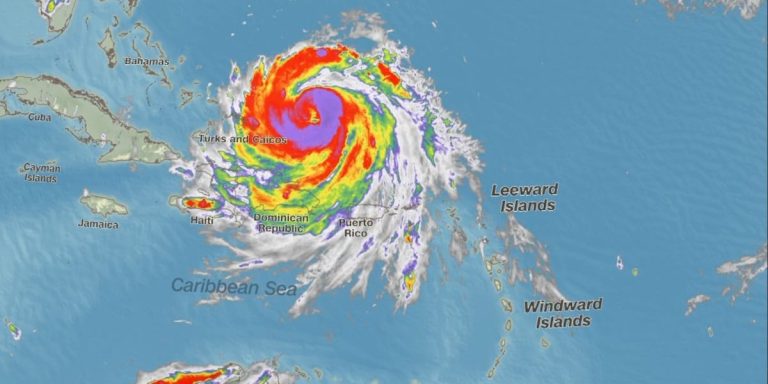
Have you ever wondered how sea turtles manage to survive the fierce and unpredictable force of a hurricane? These ancient mariners face one of nature’s most formidable challenges and yet, miraculously, they endure.
As you navigate through this article, you’ll discover the surprising strategies these resilient creatures employ to weather the storm. You’ll find yourself captivated by their incredible adaptability and perseverance, traits that can inspire and teach us about resilience in the face of life’s tempests.
Stay with us to uncover the secrets behind the survival of sea turtles during hurricanes—you might just find that their story has lessons for your own life.
Sea Turtle Behavior Before Storms
Sea turtles face many dangers during hurricanes. They use special behaviors to survive strong storms. Understanding these actions helps us protect them better.
Before a storm hits, sea turtles change how they act. These changes help them avoid the worst parts of the hurricane.
Detecting Changes In Weather
Sea turtles can sense when the weather is changing. They notice shifts in air pressure and water currents. These signs warn them about coming storms.
Once they detect these changes, turtles prepare to move to safer areas. They may swim to deeper waters or find shelter near reefs.
Migration Patterns Shift
Storms cause sea turtles to change their migration routes. They avoid areas where hurricanes are likely. This helps reduce risk during travel.
Some turtles delay their migration until the storm passes. Others choose alternate paths to stay away from rough waters.
- Move to deeper, calmer waters
- Avoid coastal areas with strong waves
- Delay migration timing
- Change travel routes to safer locations
Deep Diving To Avoid Rough Waters
Sea turtles face strong storms like hurricanes in the ocean. They dive deep to escape rough surface waters. This helps them stay safe and calm during the storm.
By going deep, turtles avoid strong waves and dangerous currents. Their ability to hold their breath allows them to stay underwater for a long time.
Utilizing Ocean Depths
Sea turtles swim down to deep ocean layers where water is calmer. The pressure and darkness below protect them from the storm above. The deep ocean has fewer waves and less turbulence.
This deep water acts like a shelter. Turtles rest here until the hurricane passes. They avoid surface dangers like floating debris and strong winds.
Energy Conservation Underwater
Underwater, sea turtles slow down their movements to save energy. They reduce their heart rate and breathing to stay underwater longer. This helps them use less oxygen during storms.
Saving energy is important because they cannot easily find food during a hurricane. Resting deep underwater lets them survive the storm without wasting energy.
Sheltering Strategies During Hurricanes
Sea turtles face strong winds and waves during hurricanes. They use special ways to stay safe in these storms.
These strategies help them survive until the hurricane passes. Let’s look at how they find shelter in the ocean.
Finding Safe Coastal Areas
Sea turtles swim to calm coastal areas during hurricanes. These areas have less strong waves and currents.
They choose bays, coves, or estuaries where the water is calmer. These spots offer protection from the storm’s force.
- Coastal bays reduce wave impact
- Coves provide shelter from strong currents
- Estuaries offer calmer and shallow waters
Use Of Coral Reefs And Seagrass Beds
Sea turtles use coral reefs and seagrass beds for shelter during hurricanes. These natural features break waves and slow water movement.
Reefs act like barriers that protect turtles from rough ocean water. Seagrass beds provide hiding spots and calm areas to rest.
- Coral reefs reduce wave energy
- Seagrass beds slow down water currents
- Both provide safe areas to avoid storm damage

Credit: www.islandpacket.com
Physical Adaptations For Survival
Sea turtles face strong storms like hurricanes in the ocean. Their bodies have special features that help them survive these tough events. These physical adaptations protect them and keep them safe.
Two key adaptations are their strong shells and their swimming skills. These help sea turtles stay safe during hurricanes and find shelter.
Strong Shell Protection
The shell of a sea turtle is hard and thick. It acts like armor and protects the turtle from flying debris and rough waves during a hurricane. The shell covers most of the turtle’s body, shielding its soft parts.
- The shell is made of tough bone plates covered with keratin.
- Its shape helps reduce water resistance in strong currents.
- The shell can absorb shocks from collisions with objects.
- Sea turtles can pull their heads and limbs inside the shell for extra safety.
Efficient Swimming Abilities
Sea turtles swim well even in rough water. Their large flippers help them move fast and steer through strong waves. This skill helps turtles escape dangerous areas during storms.
| Swimming Feature | Benefit During Hurricane |
| Strong front flippers | Powerful strokes to swim against currents |
| Streamlined body | Less water resistance for easier movement |
| Wide hind flippers | Better steering and balance in waves |
| Ability to dive deep | Escape surface turbulence and find calm water |
Post-hurricane Recovery And Behavior
Sea turtles face many challenges after a hurricane. Their habitats and food sources often change. They must adapt to survive and recover.
Scientists watch how turtles behave after storms. This helps us understand their needs and protect them better.
Navigating Changed Environments
Hurricanes can alter beaches and ocean areas where turtles live. Turtles use their sense of direction to find safe places.
They may swim to new areas if their usual spots are damaged. Turtles rely on currents, water temperature, and landmarks underwater.
- Turtles avoid dangerous debris and strong waves
- They find calmer waters for rest and safety
- They use natural cues to navigate new routes
Reestablishing Feeding Grounds
Hurricanes can wash away or cover turtle feeding areas. Turtles must search for new food sources to survive.
They explore different underwater habitats like coral reefs and sea grass beds. Finding enough food helps turtles regain strength.
- Turtles eat jellyfish, seaweed, and small creatures
- They move to areas with healthy plants and animals
- Feeding helps turtles recover from the storm’s impact

Credit: www.islandpacket.com
Impact Of Hurricanes On Sea Turtle Populations
Hurricanes can create many problems for sea turtles. These storms bring strong winds and heavy rains. They change the beaches where turtles lay eggs. This affects both adult turtles and hatchlings.
Understanding how hurricanes affect sea turtles helps us protect them. The challenges are different in the short term and long term. Each phase has its own impact on survival and recovery.
Short-term Challenges
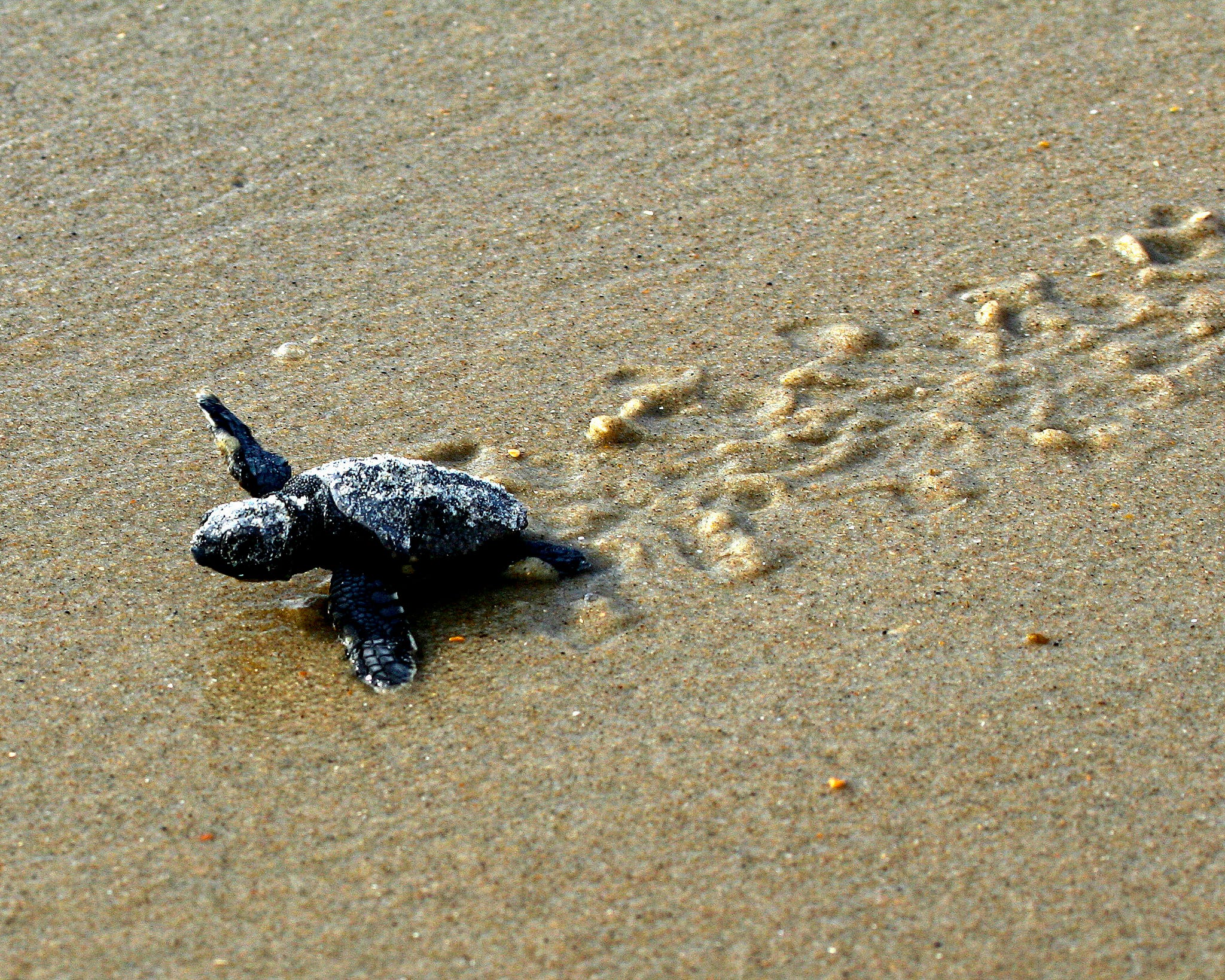
Right after a hurricane, sea turtles face many dangers. The storms can destroy nests and wash away eggs. Flooded beaches make it hard for hatchlings to reach the ocean. Adult turtles may get pushed away from their feeding areas.
- Nests buried under sand or debris
- Eggs flooded or damaged by saltwater
- Hatchlings disoriented by changed beach landscapes
- Adults forced to swim in rough waters
- Loss of feeding and resting habitats
Long-term Resilience
Over time, sea turtles show strong resilience to hurricanes. Beaches often rebuild naturally. Turtles return to nesting sites as they recover. Their populations can bounce back if storms are not too frequent or severe.
| Factor | Effect on Sea Turtles |
| Beach Recovery | New nesting areas form |
| Population Growth | Reproduction resumes |
| Habitat Changes | Some areas become better or worse |
| Storm Frequency | High frequency slows recovery |
Credit: www.abc.net.au
Frequently Asked Questions
How Do Sea Turtles Prepare For Hurricanes?
Sea turtles sense changes in barometric pressure before storms. They move to deeper waters to avoid turbulent waves. This natural behavior helps them stay safe during hurricanes.
Can Sea Turtles Survive Hurricane Flooding?
Yes, sea turtles can survive flooding by swimming to calmer, deeper areas. Their strong swimming skills and buoyancy help them avoid dangerous surface waters.
What Habitats Protect Sea Turtles During Hurricanes?
Coral reefs and deep ocean waters provide shelter for sea turtles. These habitats reduce wave impact and offer safe zones during hurricanes.
Do Sea Turtles Face Risks During Hurricanes?
Yes, turtles risk injury and displacement from debris and strong currents. However, their instincts and adaptations significantly increase their chances of survival.
Conclusion
Sea turtles have strong instincts to survive storms. They swim deep or move to calm waters. Their shells protect them from strong waves and debris. These animals adapt quickly to changing conditions. Nature helps them find safe places during hurricanes.
Understanding their survival helps us protect sea turtles better. Their resilience shows how life endures tough times. Watching sea turtles teaches us about strength and hope.