Can Poinsettias Survive Cold Weather: Essential Survival Tips
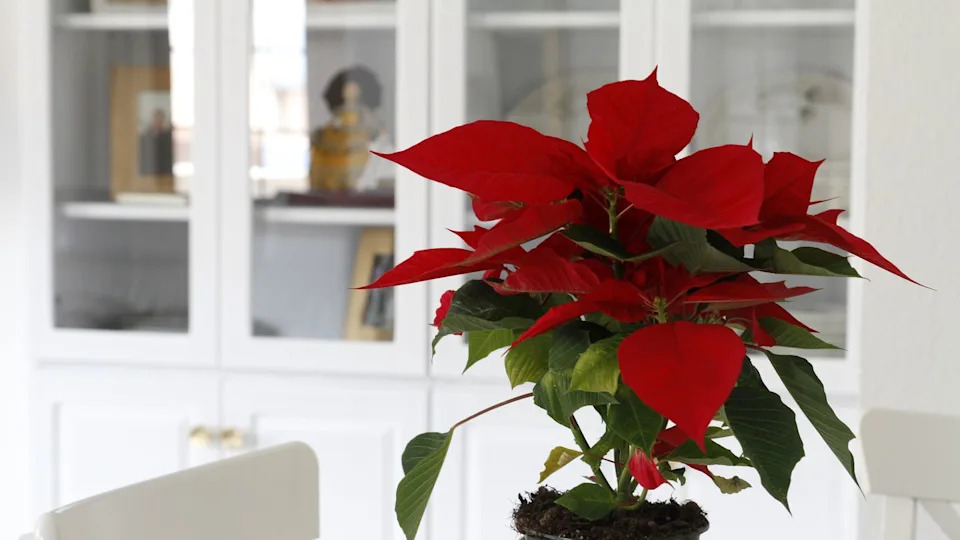
As the temperatures drop and winter approaches, you might be wondering about the fate of your vibrant poinsettias. These festive plants, with their bright red leaves, are a holiday favorite.
But can poinsettias survive cold weather? This is a question that many plant lovers and holiday decorators ask as they try to preserve their seasonal charm. You’ll discover whether your poinsettias can brave the chill or if they need a little extra care.
By understanding how cold affects these beautiful plants, you can ensure they thrive and continue to bring joy to your home. Keep reading to learn the secrets to keeping your poinsettias healthy and vibrant, even when the weather outside is frightful.

Credit: plantcareforbeginners.com
Poinsettia Cold Tolerance
Poinsettias are popular plants during the winter holidays. They come from warm places and do not like cold weather. Knowing their cold tolerance helps keep them healthy.
It is important to protect poinsettias from cold temperatures. This will help them last longer and stay vibrant.
Temperature Limits
Poinsettias can survive only mild cold. They do best in temperatures above 50°F (10°C). If it gets colder, they may suffer damage.
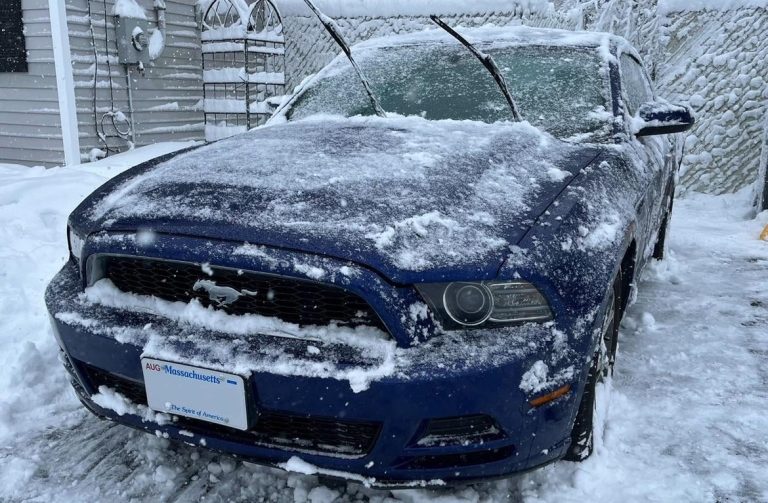
Temperatures below 40°F (4°C) can harm the leaves and stems. Frost can kill the plant quickly. Avoid placing poinsettias outside in cold weather.
- Ideal temperature: 65°F to 75°F (18°C to 24°C)
- Minimum temperature: 50°F (10°C)
- Danger temperature: below 40°F (4°C)
- Frost can cause permanent damage
Signs Of Cold Stress
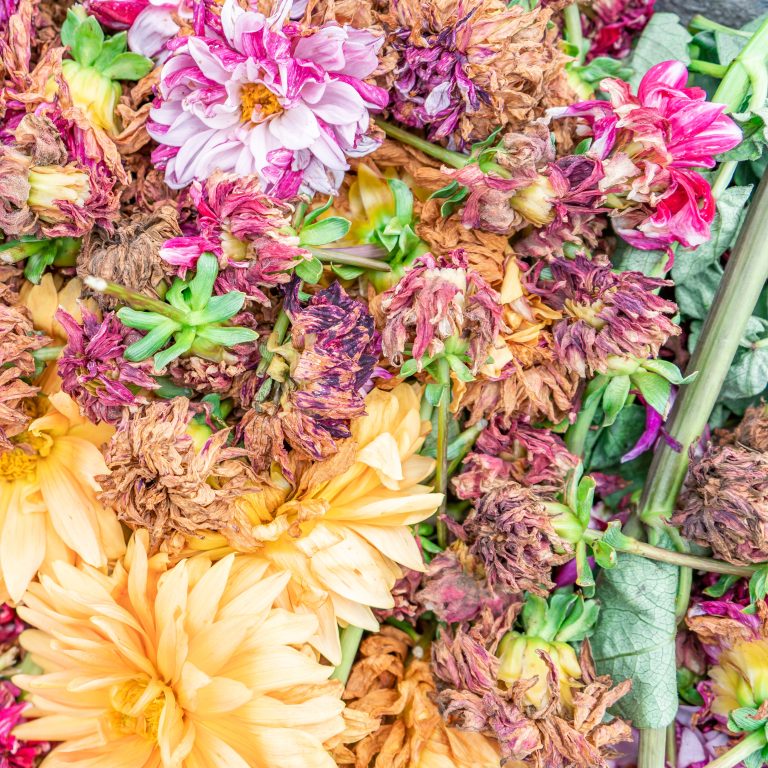
Cold stress shows clear signs on poinsettias. You may see leaves turning dark or dropping off. The plant may look weak and wilted.
Stem damage and black spots on leaves mean the plant is too cold. These signs need quick action to save the poinsettia.
- Leaves turn dark green or black
- Leaves drop easily
- Wilting or drooping stems
- Black or brown spots on leaves and stems
- Plant feels soft or mushy in cold areas

Credit: www.epicgardening.com
Preparing Poinsettias For Cold
Poinsettias are beautiful plants that need care in cold weather. They do not like frost or freezing temperatures. Preparing them well helps keep them healthy through the winter.
Taking simple steps before cold weather arrives can protect your poinsettias. This guide covers choosing the right spot and soil tips to prepare them for cold days.
Choosing The Right Location
Select a spot for your poinsettia that stays warm and shielded from cold winds. Avoid places near doors or windows that open often. A sunny window inside is ideal during winter.
- Place poinsettias indoors when temperatures fall below 50°F (10°C).
- Keep them away from drafts and cold air leaks.
- Choose a room with bright, indirect sunlight for at least six hours daily.
- Ensure the location has stable temperatures without sudden changes.
Soil And Drainage Tips
Good soil and drainage are key to prevent root damage in cold weather. Wet soil can freeze and harm your plant. Use soil that drains well and avoid overwatering.
| Soil Type | Drainage Quality | Watering Advice |
| Light potting mix | High | Water only when top inch is dry |
| Peat-based soil | Moderate | Reduce watering in colder months |
| Clay or heavy soil | Low | Avoid for poinsettias, drains poorly |
Protecting Poinsettias Outdoors
Poinsettias are beautiful plants that can brighten any garden. They do not like cold weather and need help to stay safe outside.
Protecting them from cold winds and frost is very important. You can use mulch and coverings or wind protection methods to keep them healthy.
Using Mulch And Coverings
Mulch helps keep the soil warm and stops moisture loss. Coverings protect poinsettias from frost and freezing temperatures.
- Spread 2 to 3 inches of mulch around the base of the plant.
- Use straw, wood chips, or shredded leaves as mulch.
- Cover plants with frost cloths or burlap on cold nights.
- Remove coverings during the day to allow sunlight and air.
Wind Protection Methods
Cold winds can dry out and damage poinsettias. Using windbreaks can help reduce this problem.
| Wind Protection Method | How It Helps |
| Planting near walls or fences | Blocks cold wind and creates a warmer microclimate |
| Using garden screens or mesh | Reduces wind speed while allowing air flow |
| Temporary windbreaks with burlap | Protects plants during strong cold winds |
| Placing potted poinsettias close together | Creates a shield against wind |
Indoor Care During Winter
Poinsettias need special care inside during cold months. They do not survive frost well. Keeping them indoors helps them stay healthy and colorful.
Proper light, temperature, and moisture are key. Small changes can affect the plant’s health. Let’s look at how to care for poinsettias indoors in winter.
Ideal Indoor Conditions
Place poinsettias where they get bright, indirect light. Avoid direct sunlight, which can burn leaves. Keep the room temperature between 65°F and 70°F during the day.
Night temperatures should not drop below 60°F. Avoid cold drafts and heaters near the plant. These can cause leaf drop and stress.
- Bright, indirect light is best
- Daytime temperature: 65°F to 70°F
- Nighttime temperature: above 60°F
- Avoid drafts and heating vents
- Keep away from cold windows
Watering And Humidity Control
Water poinsettias only when the top inch of soil feels dry. Overwatering causes root rot. Water slowly and let excess drain out.
| Condition | Recommended Range |
| Soil Moisture | Dry to slightly moist |
| Humidity | 40% to 60% |
| Watering Frequency | About once a week |
Use a humidifier or place a tray of water near the plant to raise humidity. Dry indoor air can cause leaf edges to brown.
Recovering From Cold Damage
Poinsettias are sensitive to cold temperatures. Cold weather can harm their leaves and stems. Recovering from cold damage takes time and care.
Understanding how to prune and revive your poinsettia helps it grow healthy again. Follow simple steps to help your plant bounce back.
Pruning And Maintenance
Remove damaged leaves and stems carefully. Cut back any brown or soft parts to stop disease. Use sharp, clean scissors for pruning.
Keep the plant in a warm spot with indirect sunlight. Water it moderately but do not overwater. Check regularly for new growth.
- Trim dead or damaged leaves
- Cut soft or mushy stems
- Place in warm, bright area
- Water lightly and avoid soaking soil
- Watch for signs of recovery
Reviving A Frostbitten Plant
If your poinsettia gets frostbitten, act fast. Move it indoors to a warmer place. Do not expose it to cold drafts again.
Prune frostbitten areas after they dry. New growth may take a few weeks to appear. Keep the plant comfortable and avoid stress.
- Move plant indoors quickly
- Keep away from cold drafts
- Allow damaged parts to dry
- Trim frostbitten leaves and stems
- Wait for new healthy growth
Common Mistakes To Avoid
Poinsettias are popular holiday plants that can brighten any room. Keeping them healthy in cold weather takes some care.
Many people make simple mistakes that harm the plant during winter. Avoiding these errors helps your poinsettia survive cold days.
Exposing Poinsettias To Freezing Temperatures
Poinsettias cannot handle freezing weather. Leaving them outside on cold nights can damage or kill the plant.
Bring your poinsettia indoors before temperatures drop below 50°F (10°C). Keep it in a warm spot away from drafts.
Overwatering During Cold Months
Many think poinsettias need a lot of water in winter. Overwatering causes root rot and weakens the plant.
- Check soil moisture before watering
- Water only when the top inch of soil feels dry
- Ensure pots have good drainage to prevent standing water
Placing Poinsettias In Low Light
Poinsettias need bright, indirect light to stay healthy. Low light makes leaves drop and colors fade.
| Light Condition | Effect on Poinsettia |
| Bright indirect light | Healthy growth and vibrant colors |
| Direct sunlight | Leaf burn and dryness |
| Low light | Leaf drop and weak stems |
Ignoring Temperature Changes Indoors
Sudden temperature shifts can stress your poinsettia. Avoid placing it near heaters or cold windows.
Keep the indoor temperature steady between 65°F and 75°F (18°C to 24°C). Use a thermometer to monitor room temperature.

Credit: www.gardeningknowhow.com
Frequently Asked Questions
Can Poinsettias Survive Freezing Temperatures?
Poinsettias cannot survive freezing temperatures below 32°F (0°C). Cold weather damages their leaves and stems. Protect them indoors or in a warm environment during winter.
How Cold Is Too Cold For Poinsettias?
Temperatures below 50°F (10°C) stress poinsettias. Prolonged exposure to cold causes leaf drop and wilting. Keep them in a warm spot to thrive.
Should Poinsettias Be Kept Outside In Winter?
Avoid keeping poinsettias outside in winter unless temperatures stay above 50°F. Cold air harms their health. Bring them indoors to ensure survival.
How Can I Protect Poinsettias From Cold Weather?
To protect poinsettias, place them in a warm, bright area indoors. Avoid drafts and sudden temperature changes. Use mulch if planting outdoors in mild climates.
Conclusion
Poinsettias need protection from cold weather to stay healthy. They do not survive freezing temperatures well. Keep them indoors or in a warm spot during winter. Water them carefully, avoiding too much moisture. Bright, indirect light helps them grow strong.
With simple care, poinsettias can brighten your home all season. Remember, cold can harm these plants quickly. Watch the weather and move them as needed. Your poinsettia will thank you with vibrant colors and life. Easy steps make all the difference.