What Palm Trees Will Survive 20 Degrees Cold Weather: Top Hardy Picks
Are you dreaming of a tropical oasis in your backyard, but worried about cold temperatures? You’re not alone.
Many homeowners want the beauty of palm trees without the fear of winter damage. The good news is, there are palm trees that can withstand temperatures as low as 20 degrees. Imagine the delight of having lush, green palms waving gracefully even when the mercury drops.
Intrigued? We’ll guide you through the types of palm trees that defy the cold, ensuring your landscape remains a paradise, no matter the season. Keep reading to discover which palms can brave the chill and transform your garden into an evergreen retreat.
Cold-hardy Palm Trees
Palm trees usually grow in warm places. Some types can survive cold weather down to 20 degrees Fahrenheit. These cold-hardy palms are good for cooler climates.
Choosing the right palm tree helps your garden stay green in winter. Here are some palms that handle cold weather well.
Windmill Palm (trachycarpus Fortunei)
The Windmill Palm is one of the hardiest palms. It can survive temperatures as low as 5 to 10 degrees Fahrenheit. This palm has fan-shaped leaves and a slender trunk.
It grows well in many soil types and needs some protection from strong winds. It is a popular choice for cold areas.
Needle Palm (rhapidophyllum Hystrix)
The Needle Palm is very cold-tolerant. It can survive temperatures down to -5 degrees Fahrenheit. This palm grows low to the ground and spreads wide.
It has sharp needles on its trunk, which protect it from animals. The Needle Palm does well in shady areas.
Pindo Palm (butia Capitata)
The Pindo Palm can survive cold weather near 15 to 20 degrees Fahrenheit. It has blue-green leaves that arch downward. This palm produces edible fruit.
Pindo Palms prefer full sun and well-drained soil. They add a tropical look to colder gardens.
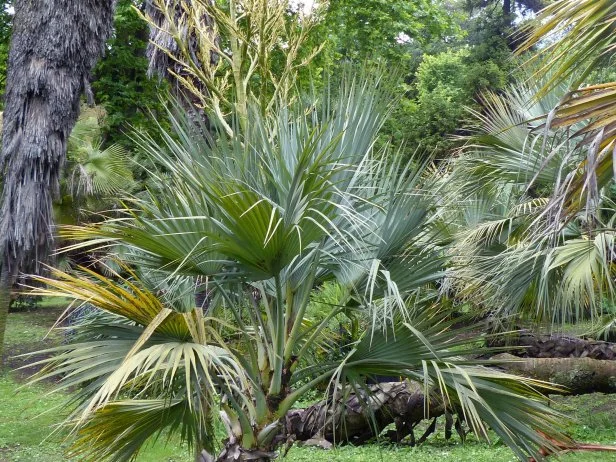
Sabal Palm (sabal Palmetto)
The Sabal Palm can handle temperatures around 15 degrees Fahrenheit. It has fan-shaped leaves and a thick trunk. This palm is very tough and grows tall.
Sabal Palms tolerate wind and salt. They are common in coastal areas with cooler winters.
European Fan Palm (chamaerops Humilis)
The European Fan Palm survives cold down to about 10 degrees Fahrenheit. It is a small palm with fan-shaped leaves and multiple trunks. This palm grows well in rocky soil.
This palm is drought-tolerant and good for gardens with poor soil. It can handle cold winters with some protection.

Credit: www.hgtv.com
Key Traits For Cold Resistance
Not all palm trees can survive cold weather. Some types handle low temperatures better. Knowing their key traits helps choose the right palm for cold areas.
Cold-resistant palms have special features. These traits let them live through cold spells near 20 degrees Fahrenheit.
Frost Tolerance
Frost tolerance means a palm can survive freezing temperatures. Some palms have thick trunks or waxy leaves. These protect them from frost damage.
Palms like the Windmill palm and Needle palm handle frost well. They can stay alive in cold winters down to about 20 degrees.
- Waxy leaf coatings reduce frost damage
- Thick trunks store energy for cold times
- Slow leaf growth helps avoid frost injury
Growth Rate
Cold-tolerant palms often grow slower. Slow growth means they save energy and survive tough weather. Fast growers may not handle cold well.
Slow growth lets palms recover better from cold damage. It also means they need less water and nutrients during winter.
- Slow growth helps energy conservation
- Less water needed in cold seasons
- Better recovery after cold damage
Soil And Moisture Needs
Good soil drainage is key for cold-hardy palms. Wet roots in cold weather can cause damage. Well-drained soil keeps roots healthy.
These palms prefer moderate watering. Too much moisture can freeze and harm roots. Too little water stresses the plant in cold weather.
- Use sandy or loamy soil for good drainage
- Water moderately during cold months
- Avoid waterlogging to prevent root damage
Top Palm Varieties For 20-degree Weather
Many palm trees can survive cold weather down to 20 degrees Fahrenheit. Choosing the right palm helps your garden stay green in winter. Some palms handle cold better than others.
This guide covers five palm varieties that tolerate 20-degree cold weather well. Each type has unique features and care needs.
Needle Palm
The Needle Palm is one of the hardiest palms. It can survive cold temperatures below 20 degrees. It grows slowly and stays small, making it good for small spaces.
This palm has slender, needle-like leaves that give it its name. It prefers shade but can handle some sun. It is also tolerant of wet soil.
Windmill Palm
The Windmill Palm is a popular cold-hardy palm. It can survive temperatures around 15 to 20 degrees. It grows tall with fan-shaped leaves that look like a windmill.
This palm likes full sun but also grows in partial shade. It is drought tolerant once established. It can be planted alone or in groups.
Sabal Palm
The Sabal Palm is very cold tolerant. It can survive temperatures near 20 degrees or lower. It has large, fan-shaped leaves and a sturdy trunk.
- Slow growth rate
- Prefers full sun
- Tolerates wet and dry soils
- Common in coastal areas
European Fan Palm
The European Fan Palm can handle cold weather down to 15 degrees. It has fan-shaped leaves that are blue-green. This palm grows up to 15 feet tall.
It is drought tolerant and prefers full sun. The trunk is slender and rough. It works well in Mediterranean climates.
Pindo Palm
The Pindo Palm is also called the Jelly Palm. It can survive cold weather near 20 degrees. This palm has feather-like leaves and produces edible fruit.
| Feature | Description |
| Cold Hardiness | Down to 20°F |
| Leaf Type | Feather-shaped |
| Fruit | Edible, small orange berries |
| Sun Preference | Full sun to partial shade |
Credit: www.hgtv.com
Planting Tips For Cold Climates
Growing palm trees in areas with cold weather requires special care. Some palm trees can survive temperatures as low as 20 degrees Fahrenheit. Knowing how to plant them correctly helps these trees thrive.
This guide covers site selection, soil preparation, and mulching to protect palms in cold climates. Follow these tips to give your palms the best chance to grow strong.
Site Selection
Choose a planting site that offers some protection from cold winds. A south-facing spot near a building or wall can help keep palms warmer. Avoid low areas where cold air can settle and damage the trees.
- Pick a location with full sun for most of the day.
- Ensure good air circulation to avoid mold and fungus.
- Plant near structures that block cold winds.
- Avoid frost pockets or low spots in the yard.
Soil Preparation
Palms need well-draining soil to survive cold weather. Heavy or clay soils hold water and can freeze, harming the roots. Improve soil by mixing in sand or organic matter before planting.
| Soil Type | Drainage | Amendments Needed |
| Sandy Soil | Good | Organic compost |
| Clay Soil | Poor | Sand and compost |
| Loam Soil | Moderate | Compost as needed |
Mulching And Insulation
Mulching keeps the soil warm and protects roots from freezing. Use thick layers of organic mulch like straw or wood chips around the base of the palm. You can also wrap the trunk with burlap or frost cloth for extra insulation.
- Apply 3 to 4 inches of mulch around the tree base.
- Keep mulch a few inches away from the trunk to avoid rot.
- Wrap the trunk with breathable material during cold snaps.
- Remove insulation once temperatures rise to prevent overheating.
Winter Care And Protection
Palm trees can survive cold weather if cared for properly. Cold temperatures near 20 degrees can stress palms. Protecting them during winter helps keep them healthy.
Using the right techniques helps palms survive frost and cold winds. This guide covers covering, watering, and frost prevention tips.
Covering Techniques
Covering palm trees shields them from freezing temperatures. Use breathable materials like frost cloth or burlap. Avoid plastic which traps moisture and can cause damage.
- Wrap the trunk tightly with burlap or frost cloth.
- Cover the crown with a breathable fabric to block cold air.
- Use stakes to support the cover so it does not touch leaves.
- Remove covers on sunny days to prevent overheating.
Watering During Cold
Watering palms before cold nights helps them resist frost. Wet soil holds heat better than dry soil. Avoid watering during freezing temperatures.
| Time to Water | Reason |
| Late afternoon | Soil stays warm overnight |
| Not during freeze | Ice can damage roots |
| Regular intervals | Keep soil moist but not soggy |
Avoiding Frost Damage
Frost can kill palm leaves and harm growth. Protect palms by reducing exposure to cold winds. Move potted palms indoors if possible.
- Use windbreaks like fences or shrubs to block cold winds.
- Mulch around the base to keep roots warm.
- Prune dead leaves to prevent disease and stress.
- Check weather forecasts and cover palms before frost.
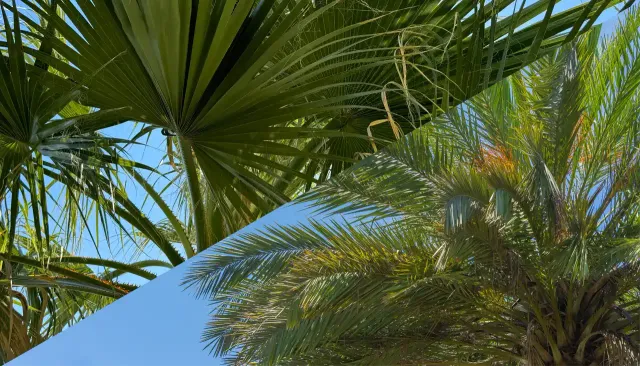
Credit: www.rosehillpalms.com
Common Challenges In Cold Weather
Palm trees face several challenges in cold weather. Temperatures near 20 degrees can cause stress to these tropical plants. Understanding these challenges helps you protect your palms better.
Cold weather affects palms in many ways. Some problems include pests, diseases, and the tree’s ability to recover. Each issue needs attention to keep palms healthy.
Pest Issues
Cold stress weakens palm trees. This makes them easy targets for pests. Insects like scale and spider mites often attack palms after cold spells. They suck sap, causing leaf damage.
- Scale insects cling to fronds and stems.
- Spider mites create tiny webs and cause yellow spots.
- Mealybugs appear as white cottony clusters.
- Weevils bore into trunks, damaging the core.
Disease Risks
Cold weather can increase disease risks for palms. Fungi and bacteria often attack damaged tissue. Leaf spots and root rot become common problems. These diseases can spread quickly.
| Disease | Cause | Symptoms |
| Leaf Spot | Fungal infection | Brown or black spots on leaves |
| Bud Rot | Bacterial or fungal attack | Soft, rotten tips on new growth |
| Root Rot | Overly wet soil after cold | Wilting, yellowing leaves |
Recovery From Cold Stress
Palms need time and care to recover from cold damage. Proper watering and avoiding fertilizer help. Pruning dead leaves prevents disease spread. Patience is key for regrowth.
Tips for helping palm recovery:
- Water palms deeply but less often.
- Remove brown or dead fronds carefully.
- Protect trunks with mulch during cold snaps.
- Avoid heavy pruning until new growth appears.
- Monitor for pests and treat early.
Frequently Asked Questions
Which Palm Trees Survive 20 Degrees Cold Weather?
Cold-hardy palms like Windmill, Needle, and Sabal palms survive 20°F. They adapt well to cold climates and can tolerate brief freezes.
How To Protect Palms In Cold Weather?
Cover palms with frost cloths or burlap during freezes. Mulch around the base to insulate roots and reduce frost damage.
Can Palm Trees Thrive In Cold Climates?
Certain palm species thrive in cold zones if protected properly. Choosing hardy varieties and proper care ensures survival through winters.
What Are Signs Of Cold Damage On Palms?
Cold-damaged palms show browning leaves, blackened tips, and drooping fronds. Early detection helps in timely treatment and recovery.
Conclusion
Palm trees that survive 20 degrees cold bring beauty to cooler areas. Choosing the right type is key for your garden’s success. Some palms handle cold better than others. They add a tropical feel without risk of frost damage. Protect young palms with mulch and covers in winter.
Watch them grow strong and healthy through cold snaps. Enjoy green leaves even when temperatures drop. Cold-hardy palms make outdoor spaces inviting year-round. Your garden can thrive with these tough, beautiful palms.