How to Survive Hurricane Season Don’t Panic: Essential Tips
When hurricane season rolls around, it can be a nerve-wracking time, leaving you wondering how to best prepare and protect your loved ones and property. The unpredictability of storms can be daunting, but with the right knowledge and preparation, you can face the season with confidence.
Imagine feeling assured and ready, knowing that you’ve done everything possible to safeguard your world. This guide will walk you through practical steps to ensure your safety and peace of mind. Stay with us as we unravel the essentials of hurricane survival, so you can weather the storm with resilience and control.

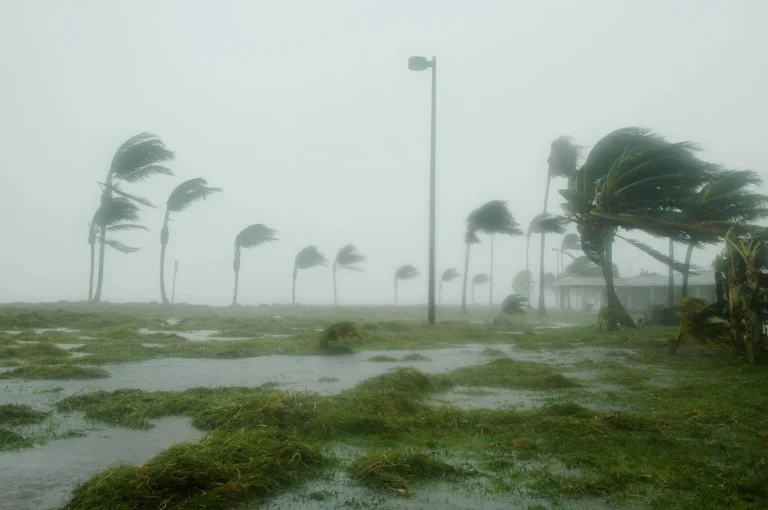
Credit: weather.com
Preparing Your Home
Getting your home ready is key to staying safe during hurricane season. Small actions can protect your house from damage.
Focus on doors, windows, gutters, drains, roofs, and walls. These areas often face the most harm in storms.
Securing Doors And Windows
Doors and windows are weak points during a hurricane. Securing them helps keep water and wind out.
- Install storm shutters or plywood covers
- Check and replace weather stripping
- Use strong, impact-resistant glass if possible
- Reinforce door frames with metal braces
- Keep garage doors closed and reinforced
Clearing Gutters And Drains
Blocked gutters and drains cause water buildup. This can lead to roof damage and flooding.
| Task | Reason |
|---|---|
| Remove leaves and debris | Ensures water flows freely |
| Check for clogs in downspouts | Prevents water backup on roof |
| Inspect gutters for damage | Fix leaks and loose sections |
| Ensure drains lead away from home | Reduces flood risk near foundation |
Reinforcing Roof And Walls
Strong roofs and walls help your home resist heavy winds and rain. Reinforcement is important.
- Check roof for loose or missing shingles
- Use hurricane straps to secure roof to walls
- Seal cracks and holes in walls
- Install plywood or metal panels on vulnerable walls
- Trim trees near the house to avoid damage
Building An Emergency Kit
Preparing an emergency kit helps you stay safe during hurricane season. You need supplies for at least three days. This kit should cover food, water, and important items.
Gathering everything in one place makes it easier to leave quickly if needed. Check your kit often and replace expired items.
Essential Supplies To Include
- Water: One gallon per person per day for at least three days
- Non-perishable food: Canned goods and dry snacks
- Battery-powered or hand-crank radio
- Flashlight with extra batteries
- First aid kit
- Personal hygiene items like soap and toothpaste
- Whistle to signal for help
- Local maps
- Multi-purpose tool or knife
- Emergency blanket or sleeping bag
Storing Important Documents
Keep your important papers safe and dry. Use a waterproof container or sealed plastic bag to protect them. Include documents like:
| Document | Reason to Keep |
| Identification (ID, passport) | Proof of identity |
| Insurance policies | Claims after damage |
| Medical records | Health needs and history |
| Bank information | Access to funds |
| Emergency contacts | Quick communication |
Packing For Pets
Don’t forget your pets when building your kit. Prepare supplies to keep them safe and comfortable during the hurricane.
- Food and water for at least three days
- Leash, harness, and carrier
- Pet medications and medical records
- Sanitation supplies like litter and waste bags
- Comfort items such as a favorite toy or blanket
Creating A Family Plan
Hurricane season can bring strong winds and heavy rain. It is important to prepare your family early.
A family plan helps everyone stay safe and know what to do during a hurricane.
Communication Strategies
Decide how your family will talk to each other during a hurricane. Cell phones may not work.
Choose a contact person outside the area to check in with. Use text messages or social media if possible.
- Save important phone numbers on paper
- Agree on a signal to show you are safe
- Use walkie-talkies if available
- Keep a list of emergency contacts
Evacuation Routes
Know where to go if you need to leave your home. Find safe roads and shelters nearby.
Plan more than one route in case some roads are blocked or flooded.
- Mark primary and backup routes on a map
- Check traffic and road conditions before leaving
- Keep your car’s gas tank full
- Pack a bag with essentials ready to go
Meeting Points
Pick places where your family can meet if you get separated. Choose safe and easy-to-find spots.
Have a spot near your home and one outside your neighborhood in case you must evacuate far.
- Meeting point at a nearby park or school
- Secondary spot at a relative’s house
- Make sure everyone knows the locations
- Practice meeting at these spots before hurricane season
Staying Informed
Knowing about hurricanes early helps keep you safe. Stay updated on weather changes during the season.
Use trusted sources and technology to get alerts fast. Being ready means acting on good information.
Reliable Weather Sources
Check weather updates from official sources. These sources give accurate and timely information.
- National Hurricane Center (NHC)
- National Weather Service (NWS)
- Local TV and radio stations
- Trusted news websites
Understanding Alerts And Warnings
Learn what different alerts mean. This helps you know when to take action.
| Alert Type | Meaning | Action |
| Hurricane Watch | Hurricane possible in 48 hours | Prepare emergency kit and plan |
| Hurricane Warning | Hurricane expected in 36 hours | Follow evacuation orders if given |
| Tropical Storm Warning | Storm expected soon | Stay alert and secure property |
Using Technology Effectively
Use apps and devices to get fast updates. Make sure your phone is charged and ready.
- Download weather apps with alerts
- Sign up for local emergency notifications
- Use a weather radio for power outages
- Follow official social media accounts
During The Hurricane
When a hurricane hits, it is important to stay calm and follow safety rules. Knowing what to do can keep you safe.
Stay inside and avoid windows. Listen to weather updates if possible. Prepare for power outages and flooding.
Safe Areas In The Home
Find a small, windowless room on the lowest floor. A bathroom, closet, or hallway works well. Stay away from glass and outside walls.
Cover yourself with a mattress or heavy blankets if debris falls. Keep a flashlight and water nearby.
Power Outage Tips
Turn off all electrical appliances to avoid damage when power returns. Use flashlights instead of candles to prevent fires.
Keep your refrigerator and freezer doors closed. This helps food stay cold longer. Use a battery-powered radio for updates.
- Turn off circuit breakers if flooding is near
- Charge phones and devices before the storm
- Use generators only outside and away from windows
Handling Flooding
Do not walk or drive through floodwaters. Water may be deeper or faster than it looks. Move to higher ground if water enters your home.
Use sandbags or towels to block water from doorways. Avoid contact with floodwater to prevent illness.
- Keep important documents in waterproof bags
- Turn off electricity if water reaches electrical outlets
- Report flooding to local authorities if safe to do so

Credit: www.youtube.com
After The Storm
After a hurricane passes, it is important to stay safe and calm. You need to check your surroundings carefully. Taking the right steps helps you recover faster.
Many dangers remain even after the storm ends. Knowing what to do can protect you and your family.
Assessing Damage Safely
Only leave your home when officials say it is safe. Look for damage around your property carefully. Watch out for broken glass, sharp objects, and unstable structures.
Take photos of any damage for insurance claims. Do not enter buildings that seem unsafe. Check on neighbors if you can do so safely.
- Wear sturdy shoes and gloves
- Use a flashlight, not candles
- Avoid downed power lines
- Stay clear of flooded areas
Avoiding Hazards
Floodwaters may hide dangers like snakes or sharp objects. Do not touch electrical equipment if it is wet or inside water. Gas leaks can cause fires or explosions.
Keep children and pets away from dangerous areas. Listen to local news for updates on hazards and clean-up efforts.
- Do not drink tap water until it is declared safe
- Use a generator outside and away from windows
- Wear masks if there is mold
- Dispose of spoiled food properly
Accessing Aid And Support
Look for local shelters if your home is damaged. Government and charity groups offer help with food, water, and medicine. Register for aid through official channels.
Stay in touch with family and friends. Share your needs so others can support you. Keep important documents safe and ready for assistance applications.
- Contact local emergency services
- Visit disaster relief centers
- Check news for aid program updates
- Ask neighbors for help if needed

Credit: www.wsav.com
Frequently Asked Questions
What Are The Essential Items For Hurricane Emergency Kits?
A hurricane emergency kit must include water, non-perishable food, flashlight, batteries, first aid, medications, and important documents. These items ensure safety and basic needs during power outages and evacuations.
How Can I Prepare My Home For Hurricane Season?
Secure windows with storm shutters, clear gutters, trim trees, and reinforce doors. These steps reduce damage risks and protect your home from strong winds and flooding.
When Should I Evacuate During A Hurricane Warning?
Evacuate immediately if local authorities advise it. Early evacuation ensures safety and avoids traffic jams and last-minute risks.
How Do I Stay Informed During A Hurricane?
Use a NOAA weather radio, follow local news, and monitor official social media for updates. Reliable information helps you make timely decisions.
Conclusion
Hurricane season can be scary and dangerous. Staying prepared helps keep you safe. Make a plan with your family today. Keep emergency supplies ready and check them often. Know your evacuation routes and listen to local news. Stay calm and act quickly if a storm approaches.
Taking small steps now can protect your home and loved ones. Being ready makes a big difference during storms. Remember, safety comes first. Stay alert, stay safe, and face hurricane season with confidence.