Can Manufactured Homes Survive a Hurricane? Essential Facts Revealed
When you think about hurricanes, images of powerful winds and torrential rain often come to mind. If you own a manufactured home or are considering purchasing one, you might wonder: can these homes really stand up to such fierce storms?
This question is crucial, especially if you live in a hurricane-prone area. Your home is your sanctuary, and ensuring its safety is a top priority. You might feel a little anxious when storm warnings appear on your screen. It’s natural to worry about the durability of your manufactured home.
But imagine the peace of mind you could have if you knew exactly how your home is designed to withstand these natural forces. You’ll discover the truth about manufactured homes and hurricanes. You’ll learn about the engineering behind these homes, hear real stories from homeowners, and get expert tips on how you can enhance your home’s storm resilience. Stay with us, and gain the confidence to weather any storm that comes your way.
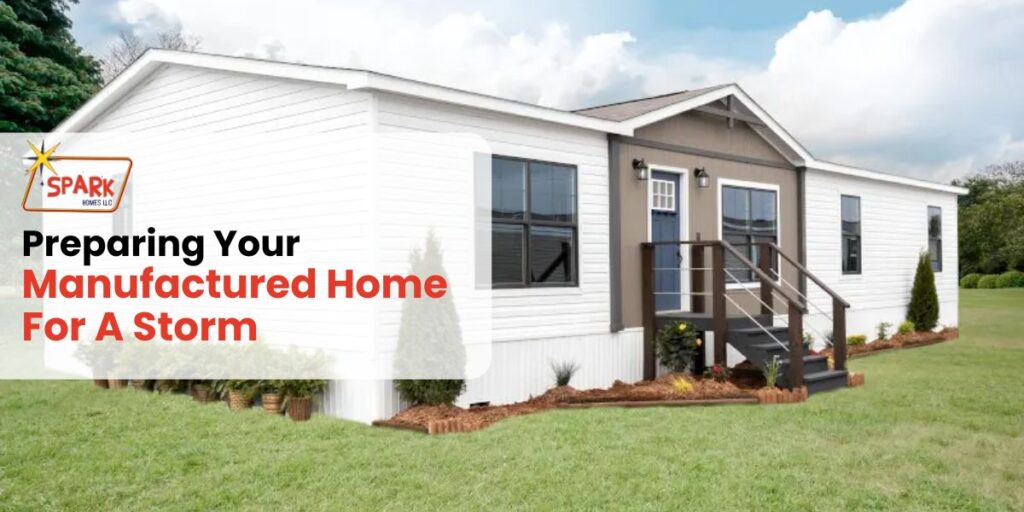
Credit: sparkhomestexas.com
Hurricane Impact On Manufactured Homes
Manufactured homes face many challenges during hurricanes. Strong winds and heavy rain can cause serious damage.
Understanding how hurricanes affect these homes helps in preparing and protecting them better.
Common Vulnerabilities
Manufactured homes often have weak points that hurricanes can exploit. These include the roof, walls, and foundation.
- Roofs may lift or tear due to high winds.
- Walls can collapse if not properly secured.
- Skirting and anchoring systems are sometimes weak.
- Windows and doors may break under pressure.
- Flooding can cause damage to the home’s base.
Historical Damage Patterns
Past hurricanes show patterns in how manufactured homes get damaged. Roof loss is the most common issue.
| Damage Type | Frequency | Severity |
| Roof Damage | High | Severe |
| Wall Failure | Medium | Moderate |
| Anchoring Failure | Medium | Severe |
| Window and Door Breakage | High | Moderate |
| Flood Damage | Low | Severe |
Credit: sparkhomestexas.com
Building Standards And Codes
Manufactured homes must meet strict building standards to endure harsh weather. These standards help protect homes from hurricanes. Codes focus on strength, safety, and durability.
Two important sets of rules guide the construction of manufactured homes. They ensure homes can resist strong winds and heavy storms.
Hud Code Requirements
The U.S. Department of Housing and Urban Development (HUD) sets rules for manufactured homes. These rules cover design, materials, and construction methods. The HUD Code aims to make homes safe and secure during hurricanes.
- Homes must use wind-resistant materials.
- Structural components must pass strength tests.
- Anchoring systems secure homes to the ground.
- Windows and doors must resist impact from debris.
- Electrical and plumbing systems meet safety standards.
Enhanced Wind Zone Regulations
Wind zones classify areas by wind speed risk. Manufactured homes in higher zones follow stronger rules. These rules increase the home’s ability to resist hurricane winds.
| Wind Zone | Maximum Wind Speed | Key Requirements |
| Zone I | 90 mph | Standard anchoring and materials |
| Zone II | 100 mph | Stronger anchors, reinforced walls |
| Zone III | 110 mph | Heavy-duty anchoring, impact-resistant windows |
Construction Features That Improve Survival
Manufactured homes face many challenges during hurricanes. Strong winds and flying debris can cause serious damage. Certain construction features help these homes survive better.
Builders use special designs and materials to make these homes safer. This article looks at key features that improve their strength.
Anchoring Systems
Anchoring systems hold a manufactured home firmly to its foundation. Proper anchors stop the home from lifting or sliding during strong winds.
Steel straps, bolts, and ground anchors connect the home to the ground. These systems must meet local hurricane building codes.
- Use multiple anchors placed evenly around the home
- Choose corrosion-resistant materials for anchors
- Regularly inspect and maintain anchor points
Roof Design And Materials
The roof is one of the most vulnerable parts during a hurricane. Roofs with steep slopes help wind flow over the home more easily.
Strong materials like metal or reinforced shingles reduce the chance of roof damage. Roof edges should be sealed tightly to prevent wind uplift.
- Use hurricane-rated roofing materials
- Install continuous roof decking for strength
- Secure roof edges with wind-resistant trim
Window And Door Reinforcements
Windows and doors are weak points during storms. Reinforcements protect these openings from breaking or flying debris.
Storm shutters or impact-resistant glass help keep windows safe. Doors with strong frames and secure locks prevent wind from entering.
- Install storm shutters for all windows
- Use impact-resistant glass where possible
- Choose doors with heavy-duty frames and locks
Site Preparation And Location Choices
Choosing the right site is important for manufactured homes in hurricane areas. Preparing the site well can reduce damage risks.
Careful location choices help protect your home from strong winds and flooding during hurricanes.
Elevation And Flood Risks
Placing a manufactured home on higher ground lowers flood risk. Avoid low areas near rivers or coasts.
- Check flood maps before choosing a site.
- Build on raised foundations or stilts if needed.
- Ensure good drainage around the home.
- Keep the area clear of debris that can block water flow.
Wind Exposure Considerations
Strong winds can cause serious damage. Select locations that reduce wind impact on your home.
| Wind Factor | Site Recommendation |
| Open fields | Avoid, no wind barriers |
| Near tall trees | Be cautious, risk of falling branches |
| Behind hills or buildings | Good, natural windbreaks |
| Coastal zones | Build extra wind protections |
Retrofitting Existing Manufactured Homes
Manufactured homes face many risks during hurricanes. Retrofitting can help make these homes safer. It means adding or changing parts to strengthen the home.
Retrofitting can reduce damage and protect people inside. It is important to know the best ways to improve the home’s strength.
Strengthening Techniques
Strong winds and flying debris cause most damage in hurricanes. Reinforcing the home’s frame and walls helps it hold up better. Anchoring the home to the ground stops it from lifting or moving.
Windows and doors must be protected. Installing storm shutters or impact-resistant glass keeps wind and water out. Sealing gaps stops water leaks that cause damage inside.
- Install hurricane straps to secure the roof
- Add anchors to tie the home to its foundation
- Use reinforced doors and impact-resistant windows
- Seal gaps and cracks to prevent water entry
- Strengthen walls with extra bracing or panels
Cost Vs. Benefit Analysis
Retrofitting costs money, but it can save more by reducing damage. Some upgrades are inexpensive and highly effective. Others may cost more but offer better protection.
Homeowners should compare costs with potential savings from fewer repairs and less risk. Insurance discounts may also help lower the total cost.
| Retrofitting Action | Estimated Cost | Benefit |
|---|---|---|
| Hurricane Straps | $500 – $1,000 | Strong roof hold, prevents uplift |
| Anchoring System | $1,000 – $3,000 | Keeps home from moving |
| Storm Shutters | $300 – $1,500 | Protects windows from debris |
| Impact-resistant Windows | $1,000 – $4,000 | Blocks wind and water entry |
| Sealing and Bracing | $200 – $800 | Reduces water damage risk |
Emergency Planning For Manufactured Home Residents
Manufactured homes can be vulnerable during hurricanes. Planning ahead helps keep you and your family safe. Prepare early to reduce risks and stress.
Knowing what to do before, during, and after a storm is important. This guide focuses on key emergency planning steps for residents.
Evacuation Strategies
Evacuating quickly is critical if a hurricane threatens your area. Have a clear plan for where to go and how to get there safely.
Decide on a safe destination outside the danger zone. Know the best routes and have backup plans in case roads are closed.
- Identify nearby shelters or stay with family/friends
- Plan transportation, including backup options
- Keep your vehicle fueled and ready
- Inform someone about your evacuation plan
- Practice the plan with your family
Safety Supplies And Resources
Having the right supplies can help you stay safe during a hurricane. Gather items that cover basic needs for several days.
Keep these supplies in an easy-to-carry emergency kit. Check and update your kit regularly to ensure everything works.
- Water (one gallon per person per day for three days)
- Non-perishable food for several days
- Battery-powered or hand-crank radio
- Flashlights and extra batteries
- First aid kit and necessary medications
- Important documents in waterproof bags
- Cash in small bills
- Extra clothing and blankets
- Personal hygiene items
- Chargers for mobile devices
Insurance And Financial Protection
Manufactured homes face many risks during hurricanes. Insurance helps protect your home and finances. It covers damage and losses caused by strong winds and flooding.
Understanding insurance options is important. It helps you prepare for the costs after a hurricane. Financial protection gives you peace of mind and support for repairs.
Coverage Options
Insurance for manufactured homes often includes wind and flood coverage. Some policies cover the home structure, personal property, and loss of use. Flood damage may need a separate policy.
Check if the policy covers damage to the foundation and tie-down systems. These parts keep the home stable during a storm. Also, look for coverage of temporary living costs if you must leave your home.
- Wind damage coverage for roof, walls, and windows
- Flood insurance for water damage protection
- Coverage for personal belongings inside the home
- Protection for foundation and anchoring systems
- Living expenses during home repairs or rebuilding
Claims Process After Hurricanes
After a hurricane, file your insurance claim quickly. Document the damage with photos and notes. Contact your insurance company to start the process.
An adjuster will inspect your home to assess the damage. Keep receipts for repairs and living expenses. Follow the insurer’s instructions to get paid for your losses.
- Report damage to insurer as soon as possible
- Take clear photos of all damaged areas
- Keep receipts for repair costs and extra expenses
- Cooperate with the insurance adjuster during inspection
- Review settlement offer carefully before accepting
Future Innovations In Hurricane-resistant Design
Manufactured homes face many challenges during hurricanes. New designs aim to make these homes stronger and safer.
Scientists and engineers work on ideas to protect homes better from high winds and water damage.
Material Advances
New materials can help manufactured homes resist strong hurricane forces. These materials are lighter and tougher.
For example, special reinforced panels and impact-resistant windows reduce damage from flying debris and wind.
- High-strength steel frames improve building stability
- Fiber-reinforced composites resist water and wind
- Impact-resistant glass protects windows from breaks
- Waterproof coatings prevent flood damage
Smart Technologies
Smart systems help monitor and protect homes during storms. These technologies alert owners to dangers early.
They can also control shutters and secure doors automatically when a hurricane nears.
- Sensors detect strong winds and flooding risks
- Automated storm shutters close to protect windows
- Remote alerts warn homeowners via phone or app
- Energy systems adjust to save power during storms

Credit: m.youtube.com
Frequently Asked Questions
Can Manufactured Homes Withstand Hurricane-force Winds?
Manufactured homes built to HUD Code post-1994 have improved wind resistance. Proper anchoring and tie-downs enhance their ability to withstand hurricane-force winds effectively.
Are Older Manufactured Homes More Vulnerable In Hurricanes?
Yes, older manufactured homes often lack modern anchoring systems and wind-resistant designs. This makes them more susceptible to severe damage during hurricanes.
How Can I Protect My Manufactured Home Before A Hurricane?
Secure tie-downs, reinforce windows with storm shutters, and clear debris around the home. These steps help minimize hurricane damage to manufactured homes.
Is It Safe To Live In A Manufactured Home During A Hurricane?
Safety depends on the home’s age and construction quality. Evacuation is recommended if the home isn’t built to current wind standards or lacks proper anchoring.
Conclusion
Manufactured homes face risks during hurricanes but can survive with proper steps. Strong anchors and wind-resistant designs help protect them. Regular maintenance keeps the structure safe and sturdy. Choosing a good location also lowers damage chances. Preparation matters most before storms hit.
Stay informed and ready to act quickly. Safety should always come first for homeowners. Understanding these points helps you make smart choices. Manufactured homes can stand strong against rough weather.