Can Peacocks Survive in Cold Weather: Essential Facts Revealed
Have you ever wondered if the vibrant and majestic peacocks you admire can survive in cold weather? These beautiful birds, with their dazzling plumage, are often associated with warm, tropical environments.
But what happens when temperatures drop? If you’re curious about how these stunning creatures cope with the cold, you’re in the right place. We’ll explore the resilience of peacocks and reveal surprising facts that will keep you hooked. Discover how they adapt, the challenges they face, and the secrets behind their survival.
Keep reading to uncover the fascinating world of peacocks and their ability to withstand chilly climates.

Credit: ca.news.yahoo.com
Peacock Habitat And Climate
Peacocks are known for their bright feathers and loud calls. They live in warm places with plenty of food and shelter. Their habitat affects how well they can survive cold weather.
Understanding where peacocks live helps us learn if they can stay healthy in cold climates. We will look at their natural environment and temperature needs.
Natural Environment
Peacocks usually live in forests, open woodlands, and farmlands. They like places with trees and bushes to hide from predators. They also need water sources nearby.
Their natural homes are often in tropical or subtropical areas. These environments have warm weather and enough rain to support plants and insects that peacocks eat.
- Forests with dense trees for shelter
- Open areas for feeding
- Water sources like rivers or ponds
- Warm and moist climate
Temperature Range Preferences
Peacocks prefer warm temperatures between 70°F and 95°F. They do not do well in freezing weather. Cold can make them sick and stop them from finding food.
When temperatures drop below 40°F, peacocks may struggle. They need dry, sheltered places to stay warm. Without protection, cold weather can be dangerous for them.
- Ideal temperature: 70°F to 95°F (21°C to 35°C)
- Can tolerate mild cold above 40°F (4°C)
- Below 40°F (4°C) is risky without shelter
- Freezing temperatures can cause health problems

Credit: www.reddit.com
Cold Weather Impact
Peacocks are tropical birds that prefer warm climates. Cold weather can affect their survival and health. It is important to understand how cold impacts these birds.
Peacocks face challenges in cold weather that change their behavior and health. Knowing these effects helps in caring for them properly.
Effects On Health
Cold weather can cause health problems for peacocks. Their feathers do not keep them warm enough in freezing temperatures. This makes them prone to illness.
Frostbite and respiratory infections are common health issues in cold weather. Peacocks may lose weight because they use more energy to stay warm.
- Increased risk of frostbite on feet and combs
- Higher chance of respiratory infections
- Weight loss due to extra energy use
- Weakened immune system from cold stress
Behavioral Changes
Peacocks change their behavior when it gets cold. They may stay inside shelters or huddle together to keep warm. They also reduce their activity to save energy.
Cold weather makes peacocks less active and less likely to display their feathers. They eat more food to get extra energy for warmth.
- Seek shelter more often
- Huddle with other birds for warmth
- Reduce movement to save energy
- Eat more to increase body heat
Adaptations To Cold
Peacocks are known for their bright feathers and warm climates. Cold weather can be tough for them. They have special ways to stay warm and survive the cold.
Understanding these adaptations helps us see how peacocks manage chilly temperatures. Their bodies and behaviors change to keep heat inside.
Feather Insulation
Peacocks have thick feathers that trap air close to their skin. This air acts like a blanket to keep them warm. The feathers are layered to block cold wind.
During cold days, peacocks fluff their feathers. This creates extra space for warm air. Their feathers also cover most of their body to protect against cold.
- Layered feathers trap heat
- Fluffing feathers increases insulation
- Feathers cover body to block wind
Shelter Seeking
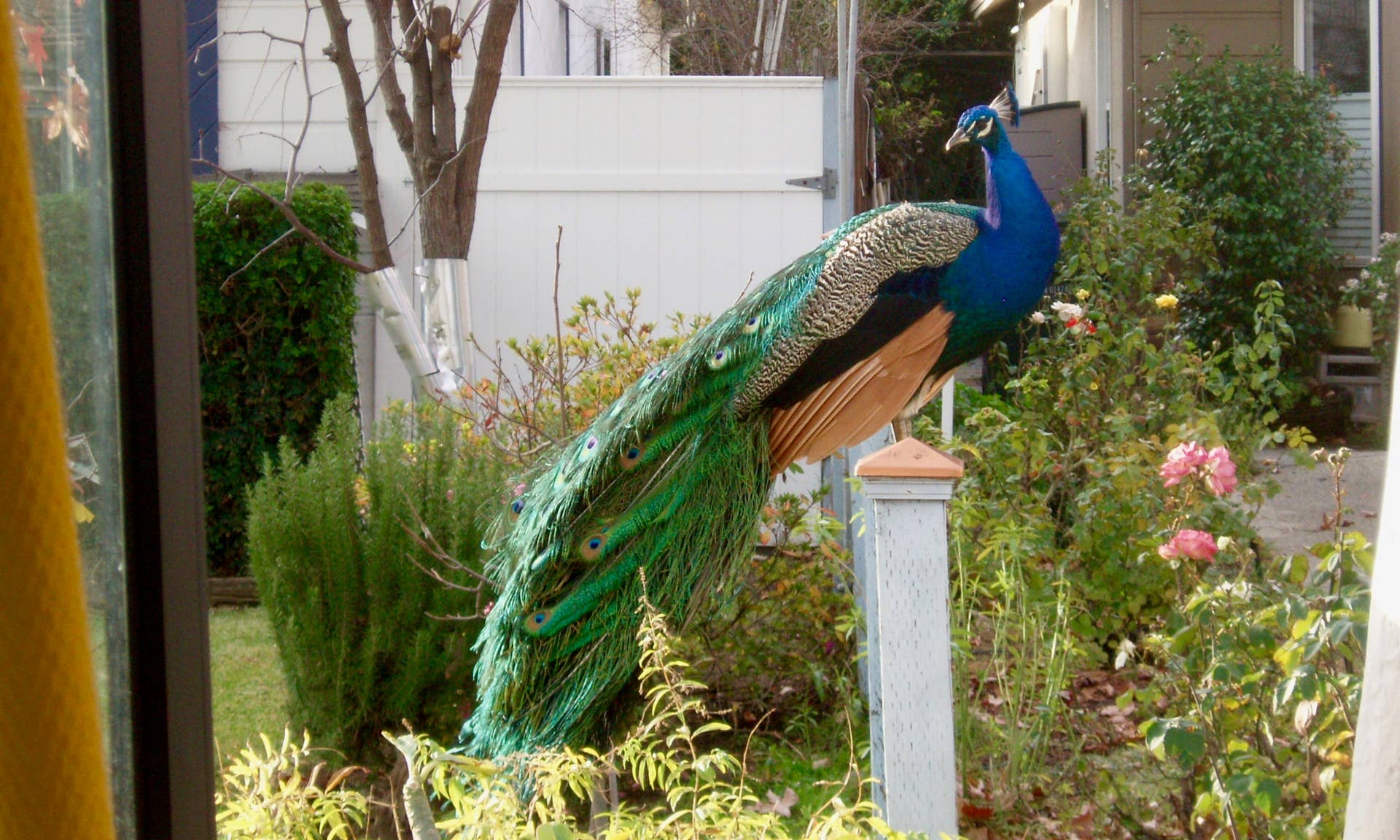
Peacocks look for safe shelters during cold weather. They stay in trees or bushes to avoid cold ground and strong winds. Shelters help keep their body heat.
At night, peacocks often roost in high places. These spots protect them from cold and predators. Finding good shelter is important for their survival.
- Roost in trees to stay warm
- Use bushes to block wind
- Choose high places for safety
Credit: pethelpful.com
Caring For Peacocks In Winter
Peacocks are beautiful birds that need special care in cold weather. Their feathers help keep them warm, but extra help is important.
Proper housing and feeding help peacocks stay healthy during winter months. You can make simple changes to protect them from cold.
Housing Requirements
Peacocks need a dry and draft-free shelter in winter. Their housing should block wind and rain to keep them warm.
Provide soft bedding like straw or wood shavings. This helps keep their feet warm and comfortable.
- Use insulated walls or covers to reduce cold air
- Keep the shelter clean and dry to avoid illness
- Allow enough space for peacocks to move freely
- Ensure good ventilation to prevent moisture buildup
Feeding Adjustments
Peacocks need more energy in cold weather. Feed them extra food to help keep their body heat.
Give fresh water daily and check it does not freeze. Warm water is better for peacocks in winter.
- Increase grains like corn and oats for energy
- Add protein sources like mealworms or cooked eggs
- Offer fresh fruits and vegetables for vitamins
- Provide grit to help digestion
Signs Of Cold Stress
Peacocks are tropical birds that find it hard to live in cold weather. Cold stress can harm their health. It is important to know the signs early.
Recognizing cold stress helps peacock owners keep their birds safe. The signs show in the body and behavior of the bird.
Physical Symptoms
Cold stress causes changes in a peacock’s body. These changes warn that the bird is not comfortable or healthy.
Some physical signs include swelling and frostbite. The feathers may look wet or ruffled. Birds might lose weight or stop eating well.
- Swollen feet or legs
- Frostbite on comb, wattles, or toes
- Wet, fluffed, or ruffled feathers
- Weight loss over time
- Dry or cracked skin
Behavioral Indicators
Behavior changes show how peacocks feel in the cold. They may try to stay warm by staying still or hiding.
Peacocks might huddle together or stop moving much. They may eat less or stop calling out. These signs show they are stressed by cold weather.
- Huddling with other birds
- Reduced movement and activity
- Less eating or drinking
- Quiet or less vocal calls
- Seeking shelter constantly
Preventing Cold-related Issues
Peacocks are beautiful birds but do not like cold weather. Cold can cause health problems for them. It is important to keep peacocks warm and safe during winter.
To help peacocks survive cold weather, you need good warmth strategies and regular health checks. These steps keep them healthy and comfortable.
Warmth Strategies
Peacocks need a warm place to stay when it is cold outside. A shelter that blocks wind and rain helps them stay dry and warm.
Use straw or wood shavings on the floor of their shelter. These materials keep heat in and provide soft bedding.
- Build a covered shelter with walls on three sides
- Keep the shelter dry and clean
- Use straw or wood shavings as bedding
- Place the shelter in a sunny spot if possible
- Limit outdoor time during very cold days
Health Monitoring
Watch peacocks closely for signs of cold stress. Look for shivering, lethargy, or loss of appetite. These signs mean they are too cold.
Check their feet and legs for frostbite. Keep their water from freezing so they can drink easily. Healthy peacocks resist cold better.
- Observe behavior daily for cold stress signs
- Check feet and legs for frostbite
- Provide fresh, unfrozen water
- Feed extra food to keep energy levels high
- Contact a vet if peacocks show illness
Frequently Asked Questions
Can Peacocks Live In Freezing Temperatures?
Peacocks can tolerate mild cold but struggle in freezing temperatures. They need shelter and extra care during severe cold to survive.
How Do Peacocks Stay Warm In Winter?
Peacocks fluff their feathers to trap heat. They also seek sheltered spots and reduce activity to conserve energy in cold weather.
Are Peacocks Vulnerable To Frostbite?
Yes, peacocks are susceptible to frostbite on exposed skin parts. Proper shelter and warmth are essential to prevent frostbite in cold climates.
What Habitat Suits Peacocks In Cold Climates?
Peacocks thrive best in temperate to warm climates. In cold areas, they need heated enclosures or insulated shelters to survive winter.
Conclusion
Peacocks can survive cold weather with proper care. They need shelter from wind and rain. Warm bedding helps keep them comfortable at night. Food and water must stay unfrozen. Watch them closely for signs of cold stress. Not all peacocks handle cold the same way.
Small steps protect these birds during winter months. Caring for peacocks in cold weather takes effort. But it helps them stay healthy and happy.