Did Bimini Survive Hurricane Dorian: Shocking Truth Revealed
When you think of paradise, the serene beauty of Bimini often comes to mind. This stunning island, part of the Bahamas, is a beloved destination for its crystal-clear waters and vibrant marine life.
But in the wake of Hurricane Dorian, you might wonder: Did Bimini survive this monstrous storm? You’re not alone in your curiosity. The impact of such a powerful hurricane can leave lasting scars, and it’s natural to be concerned about the well-being of a place you hold dear.
You’ll discover the resilience of Bimini and how its community has coped with the aftermath of Dorian. You’ll learn about the challenges they faced and the remarkable stories of hope and recovery. If you have a soft spot for Bimini or simply want to understand the strength of human spirit in the face of natural disasters, keep reading. The story of Bimini’s survival is one of inspiration and a testament to the island’s enduring charm.
Bimini Before Dorian
Bimini is a small island group in the Bahamas. It was known for its calm waters and friendly people.
The islands had a peaceful life with a focus on fishing and tourism. Many visitors came to enjoy the beaches.
Geography And Climate
Bimini is made up of two main islands and some smaller ones. It lies close to Florida in the Atlantic Ocean.
The climate is tropical with warm temperatures year-round. Rainfall is common in summer, but winters stay dry.
- Two main islands: North Bimini and South Bimini
- Close to the United States, about 50 miles east of Miami
- Warm, tropical weather all year
- Rain mostly in summer months
Tourism And Economy
Tourism was very important for Bimini. Visitors came to fish, dive, and relax on the beaches.
Fishing and boating also helped the local economy. Small shops and restaurants served tourists and residents.
- Popular for sport fishing, especially for big game fish
- Scuba diving and snorkeling spots attract visitors
- Local businesses rely on tourists
- Fishing is a key job for many locals
Community Life
Bimini had a close-knit community. People knew each other and often helped one another.
Local events and traditions were important. Residents celebrated their culture with music and festivals.
- Small population with strong family ties
- Community gatherings and celebrations
- Fishing and boating were daily activities
- Local schools and churches supported community life

Credit: www.cbc.ca
Hurricane Dorian’s Path
Hurricane Dorian was a powerful storm that affected the Bahamas in 2019. Many people wondered if Bimini survived the storm. Understanding the hurricane’s path helps explain the impact on Bimini.
This article looks at how the storm formed, its path toward Bimini, and the warnings issued during the event.
Storm Formation
Dorian started as a tropical wave off the coast of Africa. Warm ocean water helped it grow stronger. The storm moved west, gaining power over the Atlantic.
It quickly became a hurricane because of high winds and warm sea temperatures. This made it one of the strongest storms of the season.
Trajectory Towards Bimini
Dorian’s path took it near the Bahamas islands. Bimini is the first major island group in the Bahamas along this route. The storm passed close but did not hit Bimini directly.
The storm moved slowly, giving time for warnings. It moved northwest after passing Bimini, heading toward Grand Bahama and Abaco islands.
- Started near Africa
- Moved west across Atlantic
- Passed close to Bimini
- Moved northwest after Bimini
Intensity And Warnings
Dorian reached Category 5 status with very strong winds. This made it very dangerous for the Bahamas. Officials issued warnings to all islands in its path.
Bimini received alerts early. The warnings helped residents prepare. Thankfully, Bimini avoided the worst damage seen on other islands.
Impact On Bimini
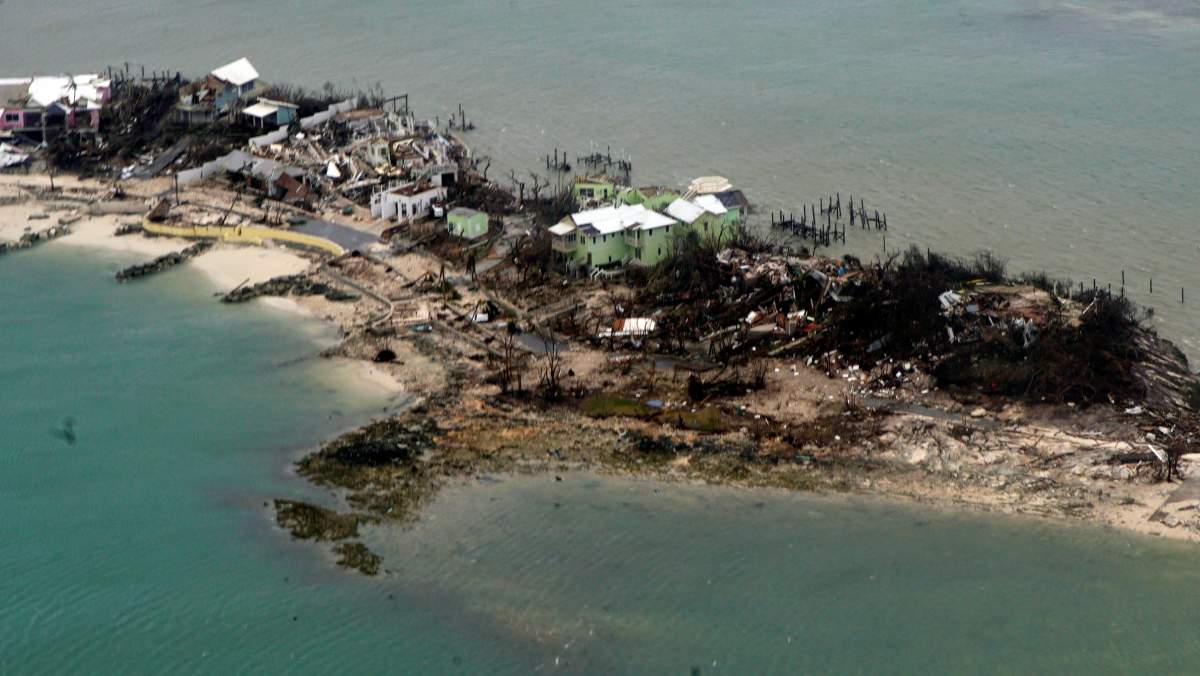
Hurricane Dorian hit the Bahamas with great force. Bimini, a small island, faced many challenges. The storm caused damage to buildings and nature. People on the island had to cope with the aftermath.
This article looks at the damage to infrastructure, the effect on residents, and the environmental consequences on Bimini.
Damage To Infrastructure
The hurricane damaged many parts of Bimini’s infrastructure. Homes, roads, and utilities suffered from strong winds and flooding.
- Many homes lost roofs or had broken windows.
- Power lines were down, causing outages for days.
- Roads were blocked by debris and fallen trees.
- Water supply systems were contaminated or damaged.
- Businesses faced structural damage, halting operations.
Effect On Residents
Residents of Bimini faced many difficulties after the storm. Many lost their homes or had to live without power and clean water. The community came together to help each other.
| Challenge | Impact |
| Loss of Homes | Many families were displaced and needed shelter. |
| Power Outage | Electricity was unavailable for several days. |
| Water Shortage | Clean water was scarce due to damage to pipes. |
| Health Risks | Increased risk of illness from contaminated water. |
Environmental Consequences
The hurricane harmed Bimini’s natural environment. Trees were uprooted, and coastal areas were eroded. Marine life also faced threats from pollution and habitat loss.
Key environmental effects included:
- Damage to coral reefs from strong waves.
- Flooding of wetlands and natural habitats.
- Pollution from debris and waste materials.
- Loss of vegetation that protects the shoreline.
Credit: www.miamiherald.com
Emergency Response
Hurricane Dorian caused serious damage in many places. Bimini faced strong winds and floods. The emergency response was critical to save lives and protect property.
Local officials and rescue teams worked fast. They helped people leave unsafe areas. Aid groups brought supplies and support. The community showed great strength during the crisis.
Evacuation Efforts
Authorities ordered early evacuations to keep people safe. Residents were told to leave low-lying zones. Emergency shelters opened with food and water.
Transportation was arranged for those without vehicles. Police and volunteers helped guide people. The quick evacuation reduced injuries and deaths.
- Evacuation alerts sent by radio and text
- Safe shelters set up on higher ground
- Assistance for elderly and disabled residents
- Clear routes marked for quick exit
Aid And Relief Operations
Relief teams arrived soon after the storm passed. They provided food, water, and medical help. Damage assessments began to plan rebuilding.
Donations and supplies came from nearby islands and countries. Volunteers worked day and night to distribute aid. Communication lines were restored to coordinate efforts.
- Medical teams treated injuries on site
- Food and clean water delivered to shelters
- Damage surveys done to prioritize help
- Coordination between local and international aid groups
Community Resilience
Residents showed strong spirit to rebuild after the storm. Neighbors helped each other clear debris and repair homes. Local leaders organized community meetings to share news.
Schools and businesses reopened quickly. People stayed positive and hopeful. The community’s unity helped them recover faster from the disaster.
- Neighbors supported each other with food and shelter
- Community groups organized cleanup events
- Local leaders communicated recovery plans
- Schools and shops restarted to bring normal life back
Recovery And Rebuilding
Hurricane Dorian hit Bimini hard. The island faced severe damage to homes, roads, and natural areas. Recovery work started soon after the storm passed.
Rebuilding efforts focus on restoring the community and preparing for future storms. Many groups and locals work together to bring Bimini back to life.
Restoration Projects
Several projects aim to restore Bimini’s infrastructure and natural beauty. These include fixing damaged buildings and cleaning beaches. Efforts also protect local wildlife habitats.
- Repair homes and public buildings
- Clear debris from streets and beaches
- Restore coral reefs and marine life areas
- Replant native trees and plants
Economic Recovery
Bimini’s economy depends on tourism and fishing. Both sectors suffered losses but are slowly improving. Support for local businesses helps speed up the recovery.
| Sector | Damage | Current Status |
| Tourism | Hotels damaged, fewer visitors | Hotels reopening, visitor numbers rising |
| Fishing | Boats lost, fishing areas affected | Boat repairs underway, fishing picking up |
| Local Shops | Inventory loss, closed temporarily | Restocked and reopening |
Future Preparedness
Preparing for future storms is key to protecting Bimini. New plans focus on stronger buildings and better warning systems. The community trains for quick responses.
- Build homes with storm-resistant materials
- Install early warning and communication systems
- Develop evacuation plans for residents and tourists
- Educate the community on emergency safety

Credit: www.wikiwand.com
Lessons From Dorian
Hurricane Dorian was one of the strongest storms to hit the Bahamas. It caused great damage, especially to small islands like Bimini. Learning from this event helps improve safety for future storms.
This article shares important lessons from Dorian. It focuses on disaster response, climate change effects, and ways to protect small island communities.
Improving Disaster Response
Quick and organized disaster response saves lives. During Dorian, delays and communication issues made rescue efforts harder. Better planning can reduce these problems.
- Create clear evacuation plans for every island
- Use technology to share weather updates fast
- Train local teams for emergency medical aid
- Set up shelters with food, water, and supplies
Climate Change Implications
Stronger storms like Dorian happen more often due to climate change. Rising sea levels add risk to island communities. Understanding this helps prepare for future events.
| Climate Factor | Effect on Islands |
| Warmer Ocean Temperatures | More powerful hurricanes |
| Rising Sea Levels | Increased flooding and erosion |
| Changing Weather Patterns | Unpredictable storm paths |
Protecting Small Island Communities
Small islands need special protection plans. They have limited resources and face unique challenges during storms. Building strong communities helps them recover faster.
Key actions to protect small islands include:
- Strengthening buildings to withstand winds and floods
- Creating community emergency teams
- Preserving natural barriers like mangroves and reefs
- Educating residents about storm safety
Frequently Asked Questions
Did Bimini Survive Hurricane Dorian In 2019?
Yes, Bimini survived Hurricane Dorian in 2019 with minor damages. The island faced strong winds and flooding but remained largely intact. Recovery efforts were quick, and the local community rebuilt essential infrastructure promptly. Tourism resumed soon after, showing Bimini’s resilience to powerful storms.
How Strong Was Hurricane Dorian When Hitting Bimini?
Hurricane Dorian struck Bimini as a Category 3 storm with sustained winds of 115 mph. The hurricane caused significant wind damage and flooding on the island. Despite the storm’s strength, Bimini’s natural barriers helped reduce the overall destruction compared to other affected areas.
What Damage Did Hurricane Dorian Cause In Bimini?
Hurricane Dorian caused wind damage to buildings, uprooted trees, and flooding in low-lying areas. Power outages and disrupted communication were reported. However, the island’s infrastructure largely withstood the storm, allowing a swift recovery and minimal long-term impact on residents and businesses.
How Did Bimini Recover After Hurricane Dorian?
Bimini’s recovery involved restoring power, clearing debris, and repairing damaged homes and businesses. Local authorities and volunteers worked quickly to rebuild infrastructure. Tourism rebounded as facilities reopened, showing the island’s strong community spirit and effective disaster response strategies.
Conclusion
Bimini faced Hurricane Dorian’s strong winds and heavy rain. The island showed great strength and resilience. Many homes and nature areas suffered damage. People worked hard to clean and rebuild. Life on Bimini is returning to normal. The community’s spirit remains hopeful and strong.
Visitors can still enjoy Bimini’s beauty and charm. The island’s recovery continues step by step. Bimini’s story is one of courage and hope.