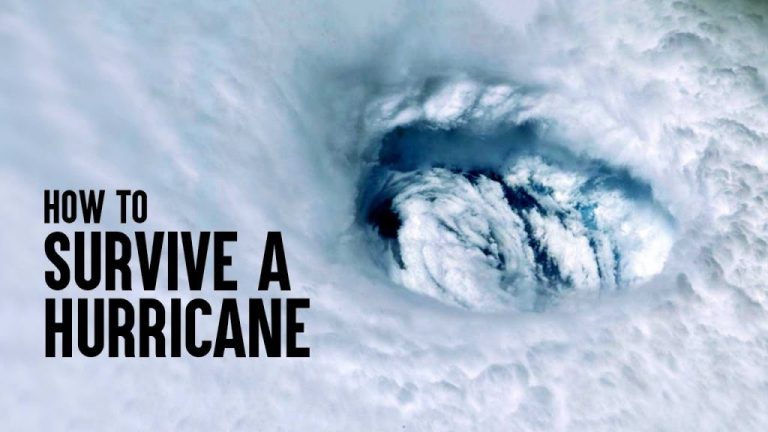
How to Survive a Hurricane Book: Essential Tips for Safety
Imagine a storm so fierce that it leaves towns in ruins and lives in disarray. Hurricanes are powerful forces of nature that can strike with little warning, leaving you and your loved ones vulnerable.
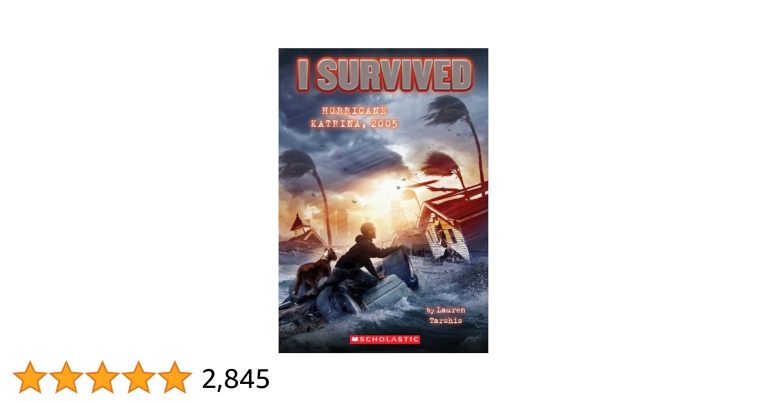
But what if you had a guide, a beacon of hope amid the chaos? “How to Survive a Hurricane Book” could be that lifeline you need. With straightforward advice and essential tips, this book promises to arm you with the knowledge to weather the storm.
Are you prepared for when the next hurricane hits? Keep reading, because your safety—and peace of mind—depend on it.

Credit: www.amazon.com
Preparing Before The Storm
Preparing before a hurricane is very important. It helps keep you and your family safe during the storm.
Start early to avoid last-minute stress. Make a plan, gather supplies, and protect your home.
Creating An Emergency Plan
An emergency plan tells everyone what to do before, during, and after the hurricane. It helps you stay calm and organized.
Include where to meet, how to contact each other, and evacuation routes. Practice the plan with your family.
- Choose a safe meeting place outside the danger zone
- List emergency contacts and phone numbers
- Know local evacuation routes
- Plan for pets and special needs
Assembling A Survival Kit
A survival kit has all the supplies you need if you lose power or water. It helps you stay safe and healthy.
Include food, water, and first aid items. Check and update the kit every year.
- At least three days of non-perishable food
- One gallon of water per person per day
- Flashlight and extra batteries
- First aid kit and medicines
- Important documents in a waterproof bag
- Battery-powered radio
- Personal hygiene items
Securing Your Home
Protect your home to reduce damage from wind and rain. Secure loose items outside.
Cover windows and doors, and check your roof. Keep gutters and drains clear.
- Install storm shutters or plywood on windows
- Bring outdoor furniture inside
- Trim trees and remove weak branches
- Check and repair roof leaks
- Clear gutters and downspouts
- Secure garage doors
Staying Informed About Alerts
Keep up to date with weather alerts and warnings. This helps you act fast and stay safe.
Use multiple ways to get alerts. Listen to local news and use weather apps.
- Sign up for local emergency alerts
- Use a NOAA weather radio
- Follow trusted news sources
- Download reliable weather apps
- Keep your phone charged

Credit: www.amazon.com
During The Hurricane
During a hurricane, your safety depends on staying calm and following clear steps. This time is critical to protect yourself and your loved ones.
Knowing what to do inside your home or shelter helps reduce risks. Stay informed and keep essential supplies close.
Safe Shelter Options
Find a small, windowless room on the lowest floor for shelter. Interior bathrooms, closets, or basements work well.
Away from glass and outside walls, this space offers more protection from flying debris and strong winds.
- Use a mattress or heavy blankets to cover yourself
- Keep a flashlight and emergency kit nearby
- Seal doors and windows if possible
Managing Power Outages
Power outages are common during hurricanes. Stay calm and avoid using candles to prevent fires.
Use battery-powered lights and keep your phone charged. Turn off electrical appliances to avoid damage when power returns.
- Have extra batteries for flashlights and radios
- Use a portable charger for phones
- Keep refrigerator and freezer doors closed
Protecting Your Family And Pets
Keep your family close and calm during the storm. Check on children and elderly family members often.
Bring pets inside and keep them in a secure space. Have food, water, and supplies ready for them too.
- Keep leashes and pet carriers nearby
- Have extra water and food for pets
- Comfort pets with familiar blankets or toys
Avoiding Common Hazards
Stay away from windows and doors during the hurricane. Flying glass and debris cause many injuries.
Do not use electrical devices or touch downed power lines. Avoid floodwaters as they may hide dangers.
- Stay indoors until authorities say it is safe
- Do not walk or drive through floodwater
- Listen to emergency alerts for updates
After The Hurricane
The storm has passed, but the danger is not over. You must stay careful and act wisely to stay safe.
Check your surroundings and follow key steps to protect yourself and your family after the hurricane.
Assessing Damage Safely
Look around your home and yard for damage. Avoid downed power lines and broken glass. Wear sturdy shoes and gloves. Watch out for gas leaks or unstable structures.
- Check walls, roof, and windows for cracks or holes
- Do not enter buildings that look unsafe
- Turn off electricity if water is inside your home
- Use a flashlight instead of candles for light
Dealing With Floodwaters
Floodwaters can carry germs and dangerous debris. Avoid walking or driving through water. If you must move through water, use a stick to check the ground.
| Floodwater Danger | Action to Take |
| Contaminated water | Do not drink or touch with bare skin |
| Hidden debris | Wear boots and protective clothing |
| Strong currents | Find higher ground immediately |
| Electric shock risk | Avoid downed power lines and electrical devices |
Accessing Emergency Services
Contact emergency services only if you need urgent help. Use your phone or radio to reach rescue teams. Stay calm and give clear information about your location and needs.
- Call emergency numbers if life is in danger
- Provide your exact address and situation
- Follow instructions from emergency responders
- Help neighbors if it is safe to do so
Preventing Illness And Injury
Clean drinking water and food are very important. Wash hands often. Use clean bandages for cuts. Watch for signs of illness and seek medical care if needed.
Tips to Stay Healthy After a Hurricane
- Boil water before drinking
- Discard food that touched floodwater
- Keep wounds clean and dry
- Rest and avoid overexertion
- Keep medicines handy and take as directed

Credit: www.amazon.com
Special Considerations
Hurricanes can be very dangerous. Preparing well helps you stay safe. This section covers important tips for special situations during a hurricane.
These tips focus on helping others, planning your escape, managing stress, and using technology wisely.
Helping Vulnerable Individuals
Some people need extra help during a hurricane. This includes the elderly, children, and people with disabilities. Make sure they have a safe place and supplies.
Check on neighbors or family members who may not get information easily. Offer to help with their evacuation plans.
- Prepare special medical supplies and medications
- Keep emergency contacts for doctors and caregivers
- Arrange transportation if they cannot drive
- Explain safety steps in simple terms
Evacuation Tips And Routes
Know your evacuation routes before a hurricane hits. Plan at least two ways to leave your area safely. Follow local officials’ orders to evacuate early.
Pack your emergency kit and important documents in a ready bag. Avoid heavy traffic by leaving early and stay on main roads.
- Identify shelters along your route
- Keep your car fueled and ready
- Inform someone where you are going
- Do not return until officials say it is safe
Handling Emotional Stress
Hurricanes cause fear and anxiety. It is normal to feel stressed during a storm. Talk to family or friends about your worries.
Take breaks from news and social media if it makes you upset. Practice deep breathing or simple exercises to calm your mind.
- Stay connected with loved ones
- Keep a routine to reduce chaos
- Ask for help if you feel overwhelmed
- Focus on what you can control
Using Technology For Safety
Technology can keep you safe during a hurricane. Use weather apps and alerts to get the latest information. Charge your devices before the storm.
Share your location with trusted contacts. Use flashlights on your phone instead of candles. Keep a portable charger handy in case of power loss.
- Download local emergency apps
- Set up text alerts for weather warnings
- Use maps to track evacuation routes
- Keep important contacts saved on your phone
Resources And Support
Preparing for a hurricane needs good resources and strong support. Knowing where to find help makes staying safe easier.
This section covers key resources and support systems to help you through a hurricane. Use these to stay informed and ready.
Government Assistance Programs
Government programs offer help during and after hurricanes. They provide money, supplies, and shelter for affected people.
Many programs also give advice on how to prepare and recover safely. Check local and national government websites for updates.
- Disaster relief funds for urgent needs
- Temporary housing assistance
- Emergency food and water supplies
- Medical aid and counseling services
Community Support Networks
Local groups and neighbors are important during hurricanes. They share information and help each other stay safe.
Community centers often become safe places. Volunteers help with food distribution and emergency care.
- Neighborhood watch groups
- Local shelters and food banks
- Volunteer emergency teams
- Communication groups for updates
Educational Materials And Tools
Books, guides, and apps teach how to prepare for hurricanes. They explain safety steps in clear ways.
Using these materials helps you plan and stay calm. Many tools include checklists and emergency contacts.
- Hurricane survival guides and manuals
- Emergency kit checklists
- Weather alert apps and radios
- Instructional videos and workshops
Frequently Asked Questions
What Are The Key Tips In ‘how To Survive A Hurricane’ Book?
The book offers essential tips like preparing an emergency kit, securing your home, and creating a family evacuation plan. It emphasizes staying informed and calm during the hurricane.
How Does The Book Help In Hurricane Emergency Planning?
It guides readers to develop a clear, step-by-step emergency plan. This includes communication methods, safe shelter locations, and necessary supplies for survival.
Does The Book Explain Hurricane Safety For Kids?
Yes, it provides age-appropriate advice to help kids understand hurricanes and stay safe. It encourages involving children in emergency preparations.
What Makes This Book Reliable For Hurricane Survival Advice?
The book is based on expert research, real-life experiences, and official safety guidelines. It offers practical, tested strategies for all hurricane situations.
Conclusion
Staying safe during a hurricane starts with good knowledge. This book gives clear steps to prepare and act fast. You learn what to pack, where to go, and how to stay calm. Being ready helps protect you and your family.
Don’t wait for a storm to hit. Read, plan, and practice your safety plan today. A little effort now can save lives later. Stay informed, stay safe, and face hurricanes with confidence.