What to Have in Your Hurricane Survival Kit: Essential Life-Saving Items
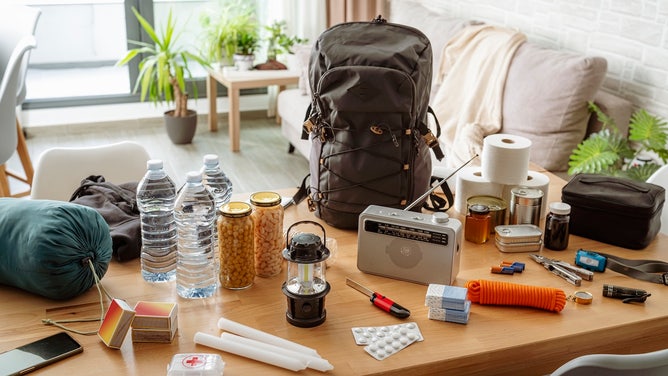
When the winds start to howl and the skies darken with impending storms, are you prepared to face the wrath of a hurricane? Your safety and peace of mind hinge on one crucial element: a well-equipped hurricane survival kit.
Imagine the calmness you’ll feel knowing you have everything you need to weather the storm. In this guide, you’ll discover exactly what essentials to include, ensuring you’re ready for any unexpected twists. By the end, you’ll not only know what to pack but also understand why each item is vital for your survival.
Keep reading to make sure you and your loved ones are safe and sound when nature’s fury strikes.
Water And Hydration
Water is crucial during a hurricane. Staying hydrated helps your body work well. You need clean water for drinking, cooking, and hygiene.
Preparing your survival kit with enough water and ways to purify it can keep you safe. Learn what to include for water and hydration.
Bottled Water
Store bottled water in your kit. Each person needs at least one gallon per day. Keep enough water for several days.
- Choose sealed, unopened bottles
- Store water in a cool, dark place
- Rotate water every six months
- Label bottles with the date of storage
- Use food-grade containers if storing your own water
Water Purification Methods
Water may get contaminated during a hurricane. Use purification methods to make it safe to drink. Different methods suit different situations.
| Method | How It Works | Notes |
| Boiling | Heat water until it boils for 1 minute | Kills germs and viruses |
| Water Purification Tablets | Add tablets to water and wait 30 minutes | Lightweight and easy to carry |
| Portable Water Filters | Use a filter to remove bacteria and protozoa | Good for outdoor use |
| Household Bleach | Add 8 drops of bleach per gallon, wait 30 minutes | Use unscented bleach only |
Non-perishable Food
Having non-perishable food in your hurricane survival kit is very important. These foods last a long time without spoiling. They provide energy and nutrients when fresh food is not available.
Choose foods that are easy to store and prepare. Make sure to check expiration dates and rotate your supplies regularly.
Canned Goods
Canned goods offer a reliable food source during emergencies. They come in many varieties and provide essential nutrients. Many cans include ready-to-eat meals or ingredients that need minimal preparation.
- Canned vegetables and fruits
- Canned beans and legumes
- Canned meats like tuna, chicken, or salmon
- Canned soups and stews
- Canned pasta or chili
Energy Bars And Snacks
Energy bars and snacks are compact and provide quick energy. They are easy to carry and eat without cooking. Choose bars with high protein and fiber for longer-lasting energy.
| Type | Benefits | Examples |
| Energy Bars | High in protein and calories | Granola bars, protein bars |
| Nuts and Seeds | Rich in healthy fats and fiber | Almonds, sunflower seeds |
| Dried Fruits | Good source of vitamins and sugar | Raisins, apricots |
| Crackers | Easy to digest and filling | Whole grain crackers, rice cakes |
First Aid Supplies
Having the right first aid supplies in your hurricane survival kit is very important. These items help you treat injuries and stay safe during the storm.
Make sure your kit has basic medical items and any needed medications. This will keep you ready for common health issues.
Basic Medical Items
Basic medical items help treat cuts, scrapes, and other small injuries. They also prevent infections and ease pain.
- Adhesive bandages in different sizes
- Sterile gauze pads and adhesive tape
- Antiseptic wipes and antibiotic ointment
- Scissors and tweezers
- Disposable gloves
- Instant cold packs
- Pain relievers like acetaminophen or ibuprofen
- Thermometer
Medications And Prescriptions
Include all necessary prescription medicines in your kit. Keep enough supply for several days or more.
Also add common over-the-counter drugs for allergies, upset stomachs, and other minor problems.
- Daily prescription medications in labeled containers
- Allergy medicine like antihistamines
- Anti-diarrhea medication
- Antacids for heartburn
- Cough and cold remedies
- Electrolyte packets for dehydration
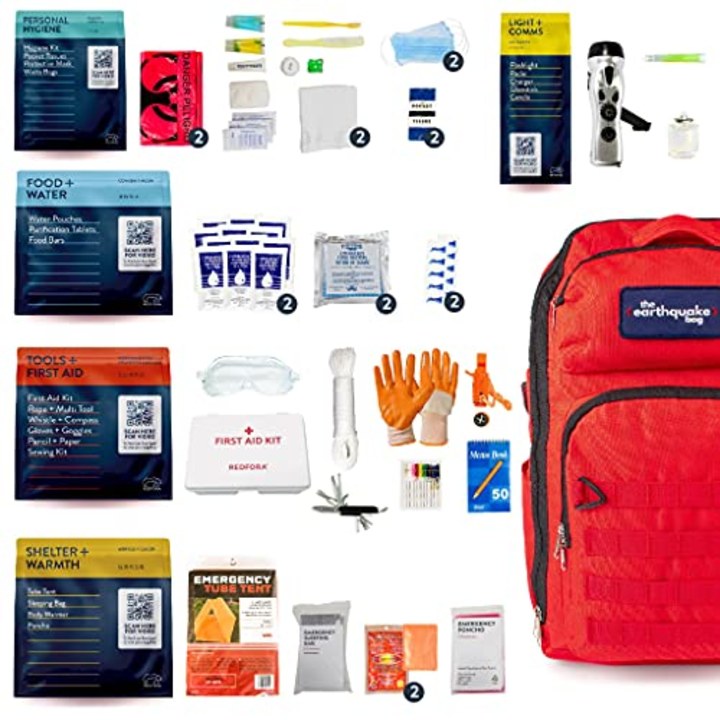
Credit: www.nbcnews.com
Tools And Equipment
Having the right tools and equipment is essential for hurricane survival. These items help you stay safe and manage emergencies.
Focus on durable, easy-to-use tools that support your basic needs during a storm and power outages.
Flashlights And Batteries
Flashlights provide light when the power goes out. Choose bright, long-lasting models to see clearly in the dark.
Keep extra batteries in your kit. Check them often and replace old ones to avoid surprises.
- LED flashlights last longer and use less power
- Bring various battery sizes for different devices
- Consider hand-crank or solar flashlights for backup
Multi-tools And Knives
Multi-tools are handy because they have many functions in one device. They save space and help with many tasks.
A sharp knife is useful for cutting rope, opening packages, or preparing food. Choose a strong, reliable blade.
- Look for multi-tools with pliers, screwdrivers, and scissors
- Keep tools in a safe place for easy access
- Check that knives have secure locking mechanisms
Portable Phone Chargers
Portable phone chargers keep your phone powered during outages. They help you stay connected to emergency services.
Choose chargers with enough capacity to fully charge your phone multiple times.
- Bring chargers that are easy to recharge before the storm
- Consider solar-powered chargers for longer use
- Keep charging cables organized and in good condition
Clothing And Shelter
Having the right clothing and shelter is important during a hurricane. These items protect you from harsh weather and keep you safe.
Prepare your kit with clothes and shelter that help you stay warm and dry. This will make a big difference in your comfort and safety.
Weather-appropriate Clothing
Choose clothes that fit the weather before and after a hurricane. Waterproof jackets and sturdy shoes help keep you dry and safe.
Pack layers so you can adjust to changing temperatures. Avoid cotton because it holds water and takes long to dry.
- Waterproof jacket or raincoat
- Sturdy closed-toe shoes
- Quick-dry shirts and pants
- Warm layers like fleece or wool
- Hat and gloves for cold weather
- Extra socks and underwear
Emergency Blankets And Tents
Emergency blankets keep your body heat in and protect from wind and rain. They are lightweight and easy to carry.
Tents provide shelter from rain and wind. Choose tents that are quick to set up and strong against storms.
- Mylar emergency blankets for warmth
- Waterproof tents with sturdy poles
- Ground tarp to keep moisture away
- Extra stakes and ropes for stability
- Compact and lightweight for easy transport
Personal Hygiene Items
Staying clean during a hurricane is very important. Personal hygiene helps prevent sickness.
Prepare your survival kit with items that keep you fresh and healthy.
Sanitary Products
Sanitary products help you stay clean and comfortable. Include enough supplies for everyone.
- Sanitary pads or tampons for women
- Disposable underwear or adult diapers
- Toilet paper rolls or travel packs
- Feminine wipes for quick cleaning
- Plastic bags for used items
Hand Sanitizers And Wipes
Clean hands stop germs from spreading. Hand sanitizers and wipes are easy to carry and use.
| Item | Use | Tip |
|---|---|---|
| Hand Sanitizer | Kills germs without water | Choose at least 60% alcohol |
| Antibacterial Wipes | Clean hands and surfaces | Keep in a sealed pack |
| Baby Wipes | Gentle cleaning for skin | Good for face and hands |
Important Documents
Having important documents ready is key for hurricane survival. These papers help prove your identity and claim aid.
Keep all papers safe in a waterproof folder. This will protect them from water and damage.
Identification And Insurance Papers
Carry your ID cards, driver’s license, and passports. These prove who you are in emergencies.
Include insurance documents for your home, car, and health. These help you get support after the hurricane.
- Driver’s license or state ID
- Passports or birth certificates
- Home and car insurance policies
- Health insurance cards
- Property deeds or rental agreements
Cash And Emergency Contacts
Keep some cash in small bills. ATMs and banks may not work after a hurricane.
Write down emergency contact numbers. Include family, friends, and local emergency services.
- Cash in small bills
- Phone numbers of family members
- Local emergency services contacts
- Insurance agents’ phone numbers
- Nearby shelters or aid centers
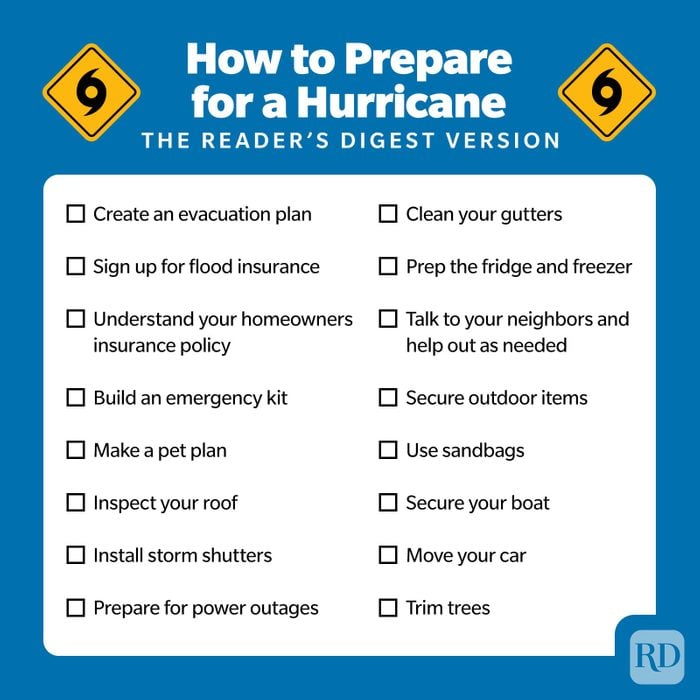
Credit: www.rd.com
Communication Devices
Having reliable communication tools is vital during a hurricane. Power outages can stop regular phone and internet services. Emergency devices help you stay informed and safe.
Choose devices that do not depend on electricity or cellular networks. These tools can send signals or receive weather updates in tough conditions.
Battery-powered Radios
Battery-powered radios keep you updated on weather alerts and emergency news. They work even when the power is out. Make sure to pack extra batteries to keep the radio running for days.
- Choose a radio with NOAA weather channels.
- Pick one with a hand crank or solar power as backup.
- Test the radio regularly before the storm season.
- Keep extra batteries in a dry, accessible place.
Whistles And Signal Mirrors
Whistles and signal mirrors help you send distress signals when you cannot call for help. They are simple but effective tools in emergencies.
| Device | Use | Advantages |
| Whistle | Make loud sounds to attract attention | Works day and night, no batteries needed |
| Signal Mirror | Reflect sunlight to signal rescuers | Effective over long distances in daylight |
Special Needs Items
When preparing your hurricane survival kit, think about special needs. Some family members may require extra items.
Including supplies for babies and pets can keep everyone safe and comfortable during an emergency.
Baby Supplies
Babies need special care during a hurricane. Bring enough diapers, wipes, and formula for several days.
Keep bottles, a manual bottle opener, and a small first aid kit for babies.
- Diapers and wipes
- Formula or breast milk storage
- Bottles and nipples
- Baby food and snacks
- Extra clothes and blankets
- Pacifiers and toys
- Baby first aid kit
Pet Care Essentials
Pets need supplies too. Pack enough food and water for your pet to last several days.
Include a leash, carrier, and any medicines your pet needs.
- Pet food and treats
- Water and bowls
- Leash and collar with ID tags
- Pet carrier or crate
- Sanitation bags and cleaning supplies
- Medications and medical records
- Toys and comfort items
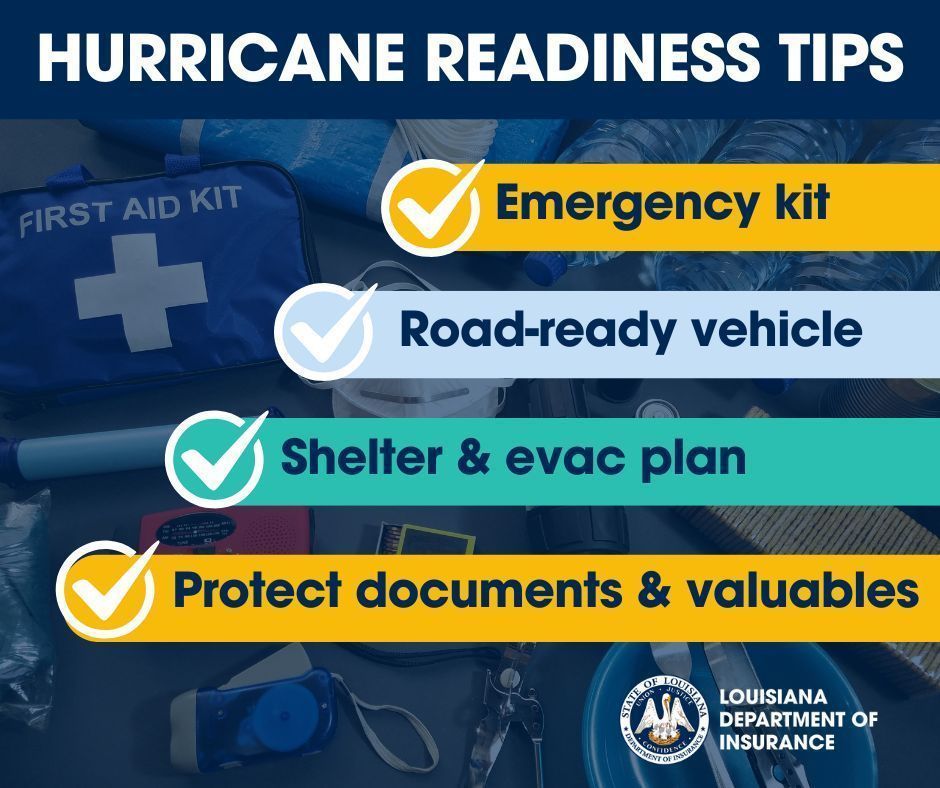
Credit: x.com
Frequently Asked Questions
What Essential Items Go In A Hurricane Survival Kit?
A hurricane survival kit should include water, non-perishable food, flashlight, batteries, first aid supplies, and important documents. Also, pack a portable phone charger, hygiene products, and sturdy clothing. These items ensure safety, communication, and basic needs during a hurricane emergency.
How Much Water Is Needed Per Person For Hurricanes?
Experts recommend at least one gallon of water per person per day. Plan for a minimum of three days to stay hydrated. Water is crucial for drinking, cooking, and sanitation during hurricane emergencies when supplies may be limited.
Why Include A First Aid Kit In Your Hurricane Kit?
A first aid kit helps treat injuries or illnesses during a hurricane when medical help may be delayed. It should contain bandages, antiseptics, pain relievers, and any personal medications. This ensures basic health care and prevents infections in emergencies.
Should I Pack Cash In My Hurricane Survival Kit?
Yes, packing cash is important as ATMs and card readers may not work after a hurricane. Small bills are best for buying essentials. Cash ensures you can purchase supplies or pay for services when electronic payments fail.
Conclusion
A well-packed hurricane survival kit saves lives and reduces stress. Keep water, food, and first aid supplies ready. Don’t forget important documents and a flashlight. Batteries and a radio help you stay informed. Personal items make tough times easier. Check your kit regularly and update it.
Being prepared gives you peace of mind. Stay safe and ready for any storm ahead.