How Do Feral Cats Survive Hurricanes: Stunning Survival Tactics Revealed
Have you ever wondered how feral cats manage to survive the violent wrath of hurricanes? These fierce, independent creatures face nature’s most formidable challenges head-on.
While you might find yourself safely indoors during a storm, feral cats rely on their instincts and resourcefulness to weather the tempest. By understanding their survival tactics, you can appreciate their resilience and perhaps even learn a few lessons in tenacity.
Stick with us as we unravel the mystery of how these wild felines endure nature’s fury, and you might discover surprising insights that change the way you see these remarkable animals.
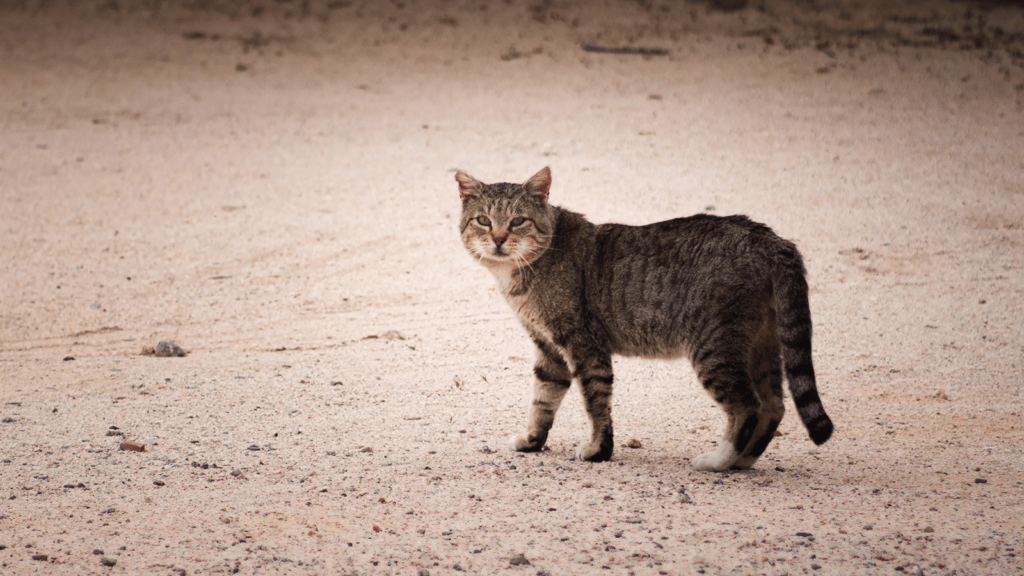
Credit: trapandreturn.com
Feral Cats And Hurricane Risks
Feral cats live outside and do not have owners. They face many dangers during hurricanes. These storms bring strong winds and heavy rains.
Feral cats must find ways to survive despite the risks. Their survival depends on shelter, food, and safety from the storm.
Challenges Faced During Storms
Hurricanes cause many problems for feral cats. They struggle to find dry places to hide. Flooding can drown their usual shelters.
Strong winds can separate cats from their groups. Food becomes scarce because hunting is hard. Injuries are common from flying debris.
- Finding safe shelter is difficult
- Food and water become rare
- Risk of injury from debris
- Separation from their groups
Impact Of Hurricanes On Cat Habitats
Hurricanes can destroy the places where feral cats live. Trees and bushes that provide cover may fall. Floods wash away nests and dens.
After a storm, the environment changes a lot. This makes it harder for cats to find shelter and food. Some cats may move to new areas to survive.
- Loss of natural shelters like trees and bushes
- Flooded areas reduce safe living spots
- Changes in the environment force cats to relocate
Instincts That Drive Survival
Feral cats have strong instincts that help them survive hurricanes. These instincts guide their actions before and during storms.
They use their senses and knowledge of the environment to stay safe. Two key survival instincts are sensing weather changes and seeking shelter.
Sensing Weather Changes
Feral cats can detect changes in the weather early. They sense shifts in air pressure and hear sounds humans cannot.
- They feel the drop in barometric pressure before a storm.
- They notice changes in wind direction and speed.
- They hear distant thunder or heavy rain approaching.
- Their whiskers pick up subtle changes in air movement.
Seeking Shelter Strategically
When a hurricane nears, feral cats look for safe places to hide. They choose shelters that protect them from wind and flooding.
| Shelter Type | Protection Offered |
| Thick bushes | Blocks wind, hides from predators |
| Underground burrows | Keeps dry and safe from debris |
| Abandoned buildings | Provides cover and warmth |
| Tree roots or hollow logs | Shields from rain and wind |
Shelter Choices In The Wild
Feral cats face many dangers during hurricanes. Finding safe shelter is key to their survival. They use different places to hide and stay protected.
These cats choose shelters based on what is available nearby. Their choices help keep them safe from strong winds and heavy rain.
Natural Hiding Spots
Feral cats often use natural places to hide during storms. These spots give good cover and protection from the weather.
They look for thick bushes, hollow trees, or dense tall grass. These areas block the wind and rain well. Cats stay low to the ground to avoid flying debris.
- Dense bushes shield cats from wind and rain
- Tree hollows provide a dry, enclosed space
- Tall grass hides cats from predators and flying debris
- Rock crevices offer strong shelter from storms
Urban Refuge Options
In cities, feral cats find shelter in man-made places. These spots protect them from harsh weather and danger.
Common urban shelters include abandoned buildings, under cars, and inside storm drains. These areas often stay dry and block wind well.
- Abandoned buildings offer dry, safe spaces
- Under cars provides a low, hidden refuge
- Storm drains protect from rain and wind
- Garbage piles can give warmth and cover
Food And Water Strategies
Feral cats face many challenges during hurricanes. Finding food and water becomes very hard. They use smart ways to survive and stay strong.
These cats rely on their natural skills and instincts. Their survival depends on hunting and finding clean water.
Hunting Techniques Amid Chaos
Hurricanes make hunting harder for feral cats. Flooded areas and strong winds scare away prey. Cats become more patient and careful when hunting.
They look for small animals hiding in safe places. Cats use their sharp senses to find food despite noise and movement.
- Hunt near shelters or debris where prey hides
- Wait quietly for the right moment to catch prey
- Use night hours when it is calmer to hunt
Finding Water Sources
Water sources change during hurricanes. Feral cats seek clean water to avoid sickness. They avoid flooded or dirty water that can harm them.
Cats often find water in natural spots that stay safe and clean. They also drink from rain puddles after storms slow down.
- Look for water in covered or hidden spots
- Use small pools formed by rain in safe areas
- Drink from moving water if still and clean
Behavioral Adaptations During Hurricanes
Feral cats face many dangers during hurricanes. They use special behaviors to survive strong winds and heavy rains.
These cats change how they act to stay safe and find shelter. Their behavior helps them live through storms.
Group Dynamics And Cooperation
Feral cats often form small groups called colonies. These groups help each other during storms.
They share safe spots to hide and warn each other of dangers. Cooperation increases their chance to survive.
- They stay close to protect each other.
- Group members share food and shelter.
- They use calls to alert about threats.
Staying Calm Under Pressure
Feral cats stay calm to make smart choices during hurricanes. Panic can cause them to get lost or hurt.
They use quiet movements and avoid loud noises to stay hidden and safe until the storm ends.
- Remain still to avoid attracting attention.
- Find shelter in hidden, secure places.
- Wait patiently for the storm to pass.
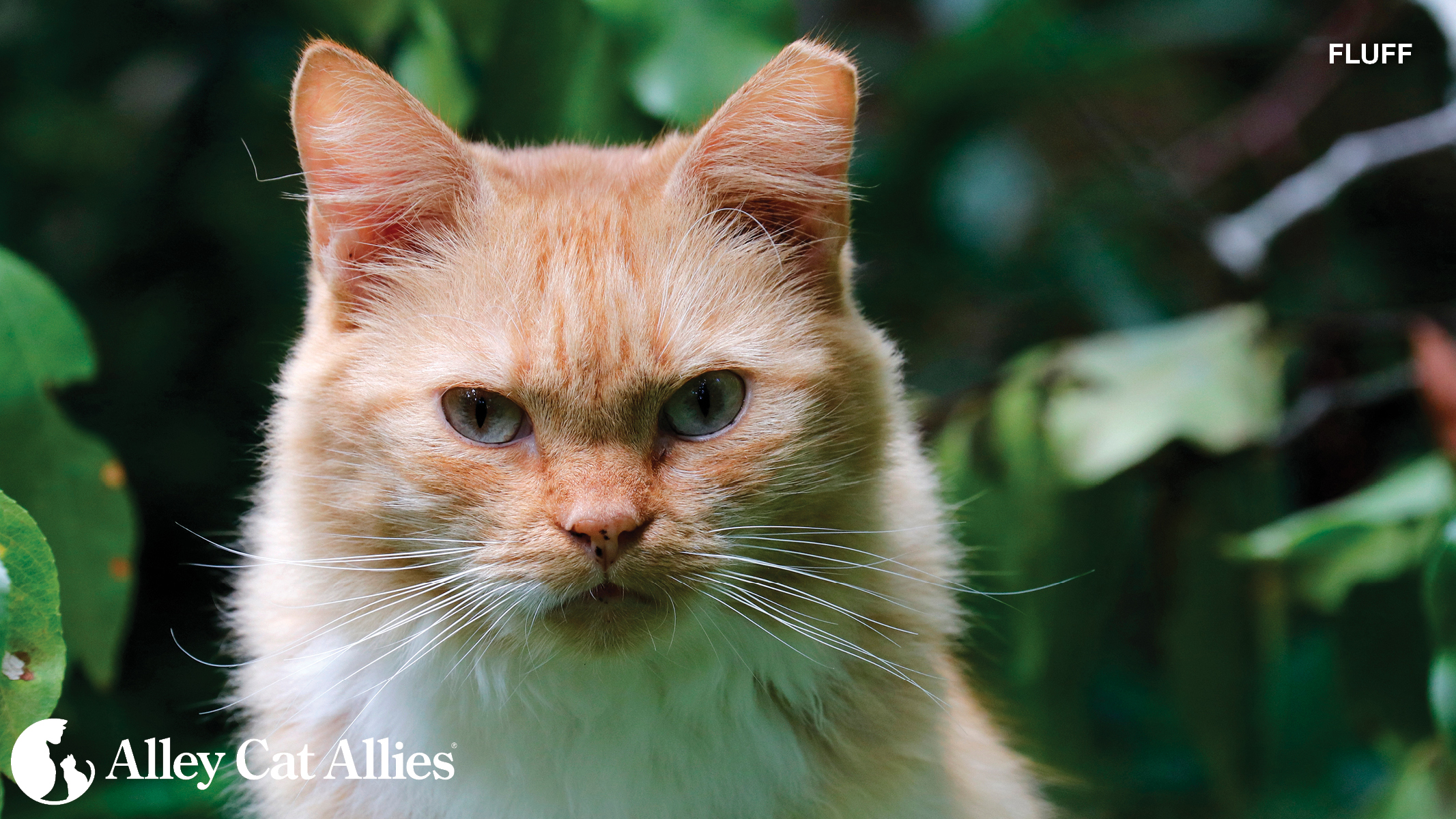
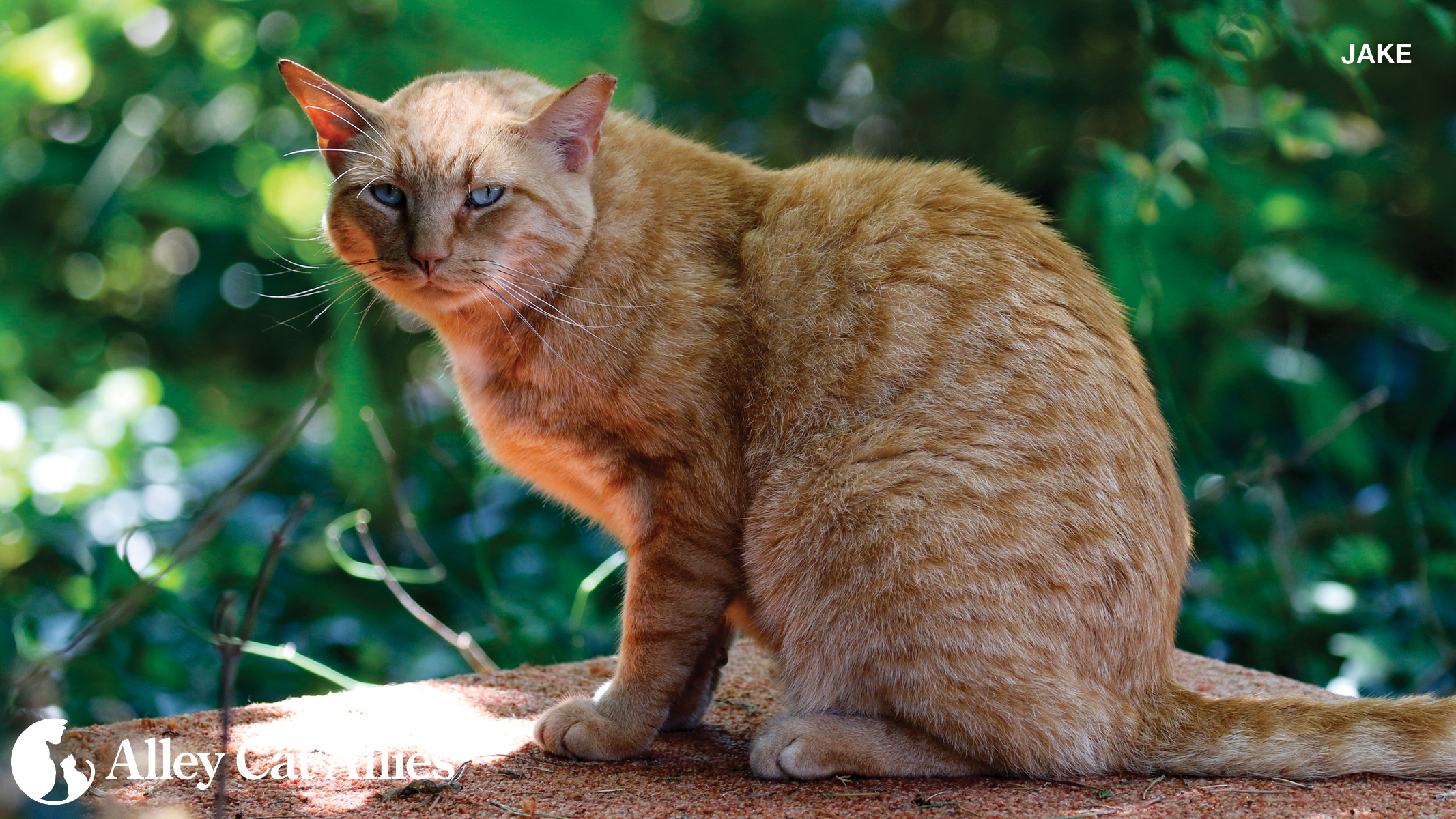
Credit: www.alleycat.org
Post-hurricane Survival Tactics
Feral cats face many challenges after a hurricane. They use special skills to survive the harsh conditions.
These cats must find food, water, and shelter quickly. Their ability to adapt helps them live through the storm’s aftermath.
Assessing Damage And Relocating
After a hurricane, feral cats check if their usual homes are safe. Flooding and debris often destroy their shelters.
If the area is too dangerous, cats move to new places. They look for quieter spots with less risk from humans and other animals.
- Search for dry, hidden shelters
- Avoid flooded or crowded areas
- Stay near food and water sources
- Use natural cover like bushes or trees
Rebuilding Territory
Once settled, feral cats start marking new territory. This helps them feel safe and warns other animals to stay away.
They also search for regular food spots. Finding steady food helps them regain strength after the storm.
- Mark territory with scent glands
- Find hunting areas rich in prey
- Use safe paths to avoid danger
- Rest in secure places during the day
Human Impact And Rescue Efforts
Feral cats face many dangers during hurricanes. People often affect their survival chances.
Rescue groups work hard to help these cats after storms. Their efforts save many lives.
Challenges In Assisting Feral Cats
Feral cats avoid humans, making rescue hard. They hide in unsafe places during storms.
Rescuers risk their safety to catch and care for these cats. Limited resources slow down help.
- Feral cats hide from people and shelters
- Storm damage blocks rescue access
- Few volunteers know how to handle wild cats
- Shortage of food and medical supplies
Community And Shelter Support
Communities often join to feed and trap feral cats after storms. They help cats stay safe.
Shelters offer medical care and shelter for rescued cats. Volunteers care for cats until they heal.
- Local groups provide food and water
- Volunteers trap cats for health checks
- Shelters give shelter and treatment
- Community awareness helps protect feral cats

Credit: www.cbc.ca
Frequently Asked Questions
How Do Feral Cats Find Shelter During Hurricanes?
Feral cats seek natural shelters like dense bushes, trees, and abandoned buildings. They use these safe spots to avoid harsh weather and stay hidden from predators.
What Do Feral Cats Eat When Hurricanes Strike?
Feral cats rely on hunting small animals, insects, and scavenging leftover food. Their strong survival instincts help them find food even in tough hurricane conditions.
Can Feral Cats Swim To Escape Floodwaters?
Yes, feral cats can swim short distances to escape rising waters. They prefer high ground but will swim if necessary to survive flooding.
How Do Feral Cats Protect Themselves From Hurricane Dangers?
Feral cats stay alert and hide in secure places to avoid debris and predators. Their agility helps them quickly move away from danger zones during storms.
Conclusion
Feral cats face tough challenges during hurricanes. They find shelter in hidden places like caves or thick bushes. These cats rely on their strong survival skills and keen senses. They stay alert to dangers and move quickly when needed. Food and water become scarce, but they adapt to survive.
Nature’s power is fierce, yet feral cats show great resilience. Watching them endure reminds us of nature’s strength and life’s will to go on.