Can Termites Survive Cold Weather? Shocking Survival Facts Revealed
Imagine cozying up in your home during a chilly winter, believing you’re safe from those pesky termites. But what if these tiny invaders are more resilient than you think?
The question, “Can termites survive cold weather? ” Might have crossed your mind, especially if you want to protect your home from potential damage. You deserve peace of mind and a termite-free sanctuary. By understanding how termites adapt to lower temperatures, you can take proactive steps to safeguard your home.
Dive into the details and uncover the surprising truth about termites in cold weather. Your home’s safety might just depend on it.
Termite Biology Basics
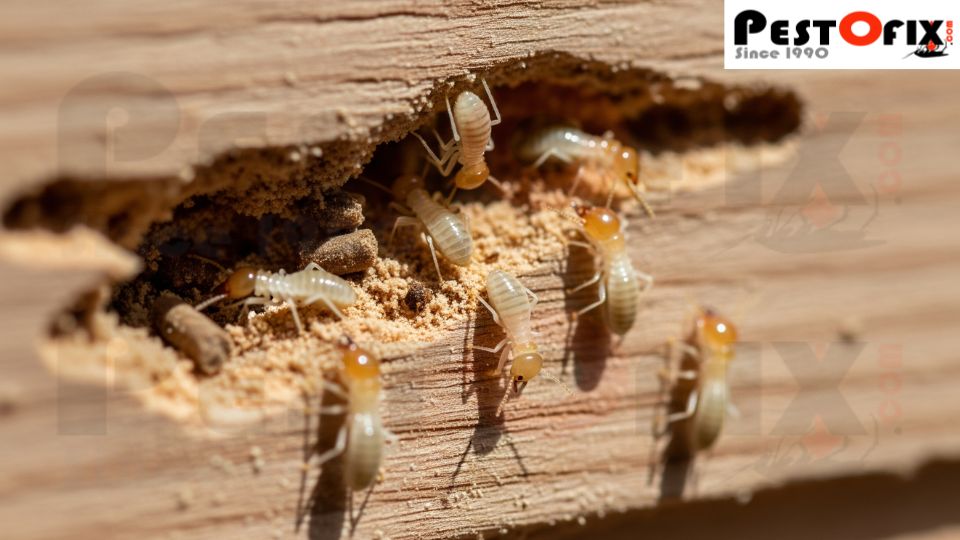
Termites are small insects that live in large colonies. They eat wood and plant material. Their biology helps them survive in many places.
This article looks at termite species and where they live. It also explains their temperature needs.
Termite Species And Habitats
There are many types of termites. Each type lives in a different place. Some live underground, others in wood or dry soil.
- Subterranean termites live in soil and need moisture.
- Drywood termites live inside dry wood and do not need soil contact.
- Dampwood termites prefer wet and decayed wood.
Temperature Preferences
Termites survive best in warm places. Cold weather can slow them down or kill them. Some species handle cold better than others.
| Termite Species | Preferred Temperature Range | Cold Survival Ability |
| Subterranean | 75°F to 95°F (24°C to 35°C) | Moderate |
| Drywood | 70°F to 90°F (21°C to 32°C) | Low |
| Dampwood | 60°F to 85°F (16°C to 29°C) | High |
Credit: www.pestofix.com
Impact Of Cold On Termites
Termites are insects that usually live in warm places. Cold weather can change how they behave and survive.
This article explains how cold affects termite activity and their risk from freezing temperatures.
How Cold Affects Termite Activity
When temperatures drop, termites slow down. They do less digging and feeding. Cold weather makes them less active.
- Termites stay deeper in wood or soil to stay warm.
- They reduce their movement to save energy.
- Cold can delay their growth and reproduction.
- Termite colonies become less aggressive during cold periods.
Termite Vulnerability To Freezing
Termites are not very good at surviving freezing temperatures. Ice crystals can damage their bodies.
| Temperature Range | Effect on Termites |
| Above 10°C (50°F) | Normal activity and survival |
| 0°C to 10°C (32°F to 50°F) | Reduced movement and feeding |
| Below 0°C (32°F) | High risk of freezing and death |
Survival Strategies In Cold
Termites face tough challenges in cold weather. They use special ways to survive freezing temperatures.
Understanding these survival methods helps explain how termites live through winter.
Seeking Shelter Underground
Termites dig deep tunnels below the ground. The soil keeps them warm and safe from cold air.
- Underground nests stay warmer than the surface.
- Soil protects termites from frost and ice.
- Termites can find food and moisture underground.
Slowing Metabolism
Termites reduce their energy use during cold months. This helps them survive with less food.
| Metabolism State | Activity Level | Energy Use |
| Normal | High | High |
| Slowed | Low | Low |
Using Antifreeze Proteins
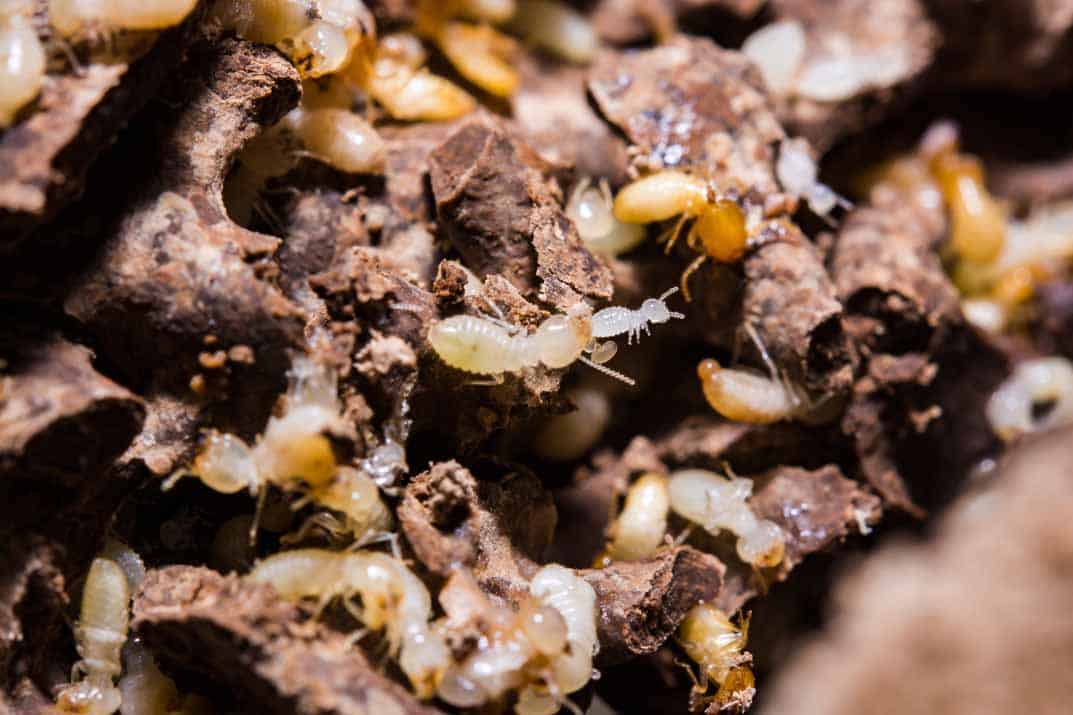
Termites produce special proteins that stop ice from forming in their bodies. These antifreeze proteins protect cells from damage.
Key functions of antifreeze proteins:
- Prevent ice crystals inside cells
- Keep body fluids liquid at low temperatures
- Increase termite chances of surviving winter
Credit: www.wakepest.com
Termites In Temperate Regions
Termites live in many parts of the world, including places with cold weather. They face challenges during winter months. Their survival depends on special traits that help them handle low temperatures.
In temperate regions, termites must adapt to seasonal changes. These changes affect their activity and life cycle. Understanding these adaptations shows how termites survive cold weather.
Adaptations To Seasonal Changes
Termites have ways to cope with cold seasons. They slow down their activity and stay inside warm nests. Some build thick mud tubes to protect themselves from frost and wind.
- Reduce movement to save energy
- Stay deep inside the wood or soil
- Build insulated nests
- Use antifreeze-like chemicals in their bodies
- Close off tunnels to keep warmth
Examples Of Cold-hardy Species
Some termite species live well in cold climates. These species show unique traits that help them survive freezing temperatures. Below is a table with examples of these termites.
| Species | Region | Cold Survival Method |
| Reticulitermes flavipes | North America | Deep underground nests with antifreeze proteins |
| Reticulitermes lucifugus | Southern Europe | Insulated mud tubes and slowed metabolism |
| Kalotermes flavicollis | Mediterranean | Hiding inside dry wood to avoid cold |
Effects Of Climate Change
Termites usually live in warm places. Cold weather stops their activity. Climate change causes warmer winters and hotter summers. This can affect how termites survive cold weather.
As temperatures rise, termites may spread to new areas. This creates changes in how they live and affect the environment around them.
Shifts In Termite Range
Warmer temperatures allow termites to move into places they could not live before. These areas once had cold winters that kept termites away. Now, termites can survive in these new regions.
This shift means termites may appear in homes and forests where they were rare. Warmer winters help them stay active longer each year.
- Termites expand northward or to higher altitudes
- Longer warm seasons increase termite activity
- Cold barriers become less effective at stopping termites
Potential Impact On Ecosystems
Termites play a role in breaking down dead plants and recycling nutrients. If they move to new areas, they can change local ecosystems. This may affect plants, animals, and soil health.
New termite populations can also cause damage to wooden structures and crops. This leads to economic and environmental problems.
- Changes in soil quality and nutrient cycling
- Possible harm to native plants and animals
- Increased damage to buildings and crops
Credit: www.pestofix.com
Preventing Termite Damage In Cold Areas
Termites can survive cold weather by hiding in warm places. This makes it important to protect your home during winter. Taking steps to prevent termite damage can save you money and stress.
Cold climates do not stop termite activity completely. They may slow down but still cause harm. Regular checks and controls help keep termites away in winter.
Inspection Tips For Winter
Inspect your home carefully during winter. Termites look for warm, moist areas inside buildings. Watch places like basements, crawl spaces, and near pipes.
- Check for mud tubes on foundation walls
- Look for damaged or hollow wood
- Inspect wooden beams and flooring
- Use a flashlight to spot termite activity
- Look for tiny holes or sawdust piles
Effective Control Methods
Controlling termites in cold areas needs careful methods. Use barriers and treatments that work all year. Keep wood and soil dry to make your home less inviting.
| Control Method | How It Works | Winter Suitability |
|---|---|---|
| Soil Treatment | Creates a chemical barrier | Effective if done before frost |
| Bait Systems | Attracts and kills termites | Works year-round with monitoring |
| Wood Treatment | Protects wood from damage | Needs reapplication in cold months |
| Moisture Control | Reduces termite food source | Important in winter to prevent damp |
Frequently Asked Questions
Can Termites Survive Freezing Temperatures?
Termites cannot survive extreme freezing temperatures. They protect themselves by burrowing deep underground or inside wood. This insulation helps them avoid lethal cold and continue their activity during winter.
How Do Termites Adapt To Cold Weather?
Termites adapt by slowing their metabolism and forming protective clusters. They seek insulated areas like wood or soil. This behavior helps them conserve energy and survive colder months.
Do Cold Winters Kill Termite Colonies?
Cold winters rarely kill entire termite colonies. Most termites stay underground or inside wood, which provides warmth. Only prolonged severe cold can reduce their population significantly.
Are Termites Active During Winter?
Termites remain active but at a slower pace in winter. They avoid freezing by staying in insulated places. Activity levels increase again when temperatures rise in spring.
Conclusion
Termites face challenges in cold weather but can survive in many ways. They stay deep inside wood or soil to stay warm. Some species slow down their activity during winter months. Cold weather does not always kill termites quickly. Homeowners should watch for signs of termites year-round.
Protecting your home takes early action and regular checks. Understanding termite behavior helps keep them away. Winter does not stop termite risks entirely. Stay alert and keep your property safe from damage.