Can Palm Trees Survive Hurricanes: Shocking Truth Revealed!
Have you ever wondered if your favorite tropical paradise can weather the storm? When a hurricane looms, the resilience of palm trees is put to the test.
These iconic symbols of the tropics might seem delicate with their slender trunks and feathery fronds, but they have some surprising tricks up their sleeves. Understanding how palm trees withstand the fury of hurricanes not only satisfies your curiosity but can also guide your landscaping choices, ensuring your garden remains lush and vibrant even after the fiercest storms.
Dive into the secrets of these natural survivors and discover how they manage to bend but not break when Mother Nature unleashes her power.
Credit: medium.com
Palm Trees And Hurricanes
Palm trees often face strong winds during hurricanes. Their ability to survive depends on their structure and traits.
This article explains how palm trees resist hurricane forces and what makes them unique in storms.
Palm Tree Structure
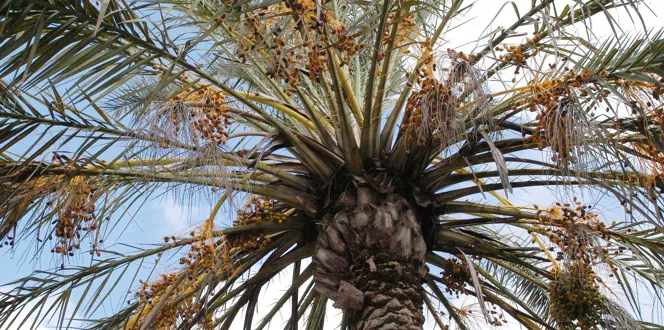
Palm trees have a flexible trunk and leaves that help them bend during strong winds. Their roots grow deep and wide to hold the tree firmly in the ground.
- The trunk is tall and slender.
- Leaves are long and narrow, reducing wind resistance.
- Roots spread out to anchor the tree deeply.
- Flexible trunk bends instead of breaking.
Wind Resistance Traits
Palm trees have special traits that increase their chances of surviving hurricanes. These traits reduce damage from high winds and flying debris.
| Trait | Description |
| Flexible trunk | Bends with strong winds to avoid breaking |
| Feather-like leaves | Allow wind to pass through easily |
| Strong root system | Anchors tree firmly to the soil |
| Self-pruning | Drops damaged leaves to reduce weight |
Hurricane Forces On Trees
Hurricanes bring strong winds and heavy water. These forces test trees’ strength and survival.
Palm trees face many challenges during hurricanes. Understanding these forces helps us know if they can survive.
Wind Speeds And Impact
Wind speeds in hurricanes can reach over 150 miles per hour. These winds push hard against tree trunks and leaves.
- High winds can break branches or uproot trees.
- Palm trees have flexible trunks that bend without breaking.
- Leaves may tear but palms often survive better than rigid trees.
- Strong winds can cause soil erosion, weakening roots.
Storm Surge Effects
Storm surge is the rise of sea water during a hurricane. It floods coastal areas and affects trees.
| Effect | Impact on Palm Trees |
| Saltwater Flooding | Can damage roots and cause stress |
| Soil Saturation | Leads to root rot if water stays too long |
| Debris Impact | Falling objects can injure trunks and leaves |
| Water Erosion | Removes soil, exposing roots to damage |
Survival Strategies Of Palms
Palm trees often face strong winds during hurricanes. Their survival depends on special features in their structure. These features help palms bend and stay rooted.
Understanding how palms survive can help us protect them in storm-prone areas. Two key strategies are their flexible trunks and strong root systems.
Flexible Trunks
Palm trunks are not rigid like many trees. They are flexible and can bend without breaking. This flexibility lets palms survive strong hurricane winds.
The trunk’s structure allows it to sway with the wind. This movement reduces stress and prevents damage during storms.
- Trunks bend instead of breaking
- Wind pressure is spread out evenly
- Flexibility helps palms avoid snapping
Root System Adaptations
Palm trees have a wide and strong root system. Their roots grow deep and spread out to hold the tree firmly in the soil. This helps palms resist being uprooted by hurricane winds.
The roots also absorb water quickly, which keeps the soil stable. This prevents the tree from falling during heavy rains.
- Roots spread wide and deep
- Strong grip on the soil
- Quick water absorption stabilizes ground
Comparing Palms To Other Trees
Palms and other trees react differently to hurricanes. Their structures and flexibility affect how they survive strong winds.
This comparison helps to understand why palms often fare better in storms than many deciduous trees.
Deciduous Vs. Palm Trees
Deciduous trees have thick trunks and broad branches. They lose their leaves in fall. Palms have slender trunks and long, flexible leaves that move with the wind.
- Deciduous trees are rigid and can snap under pressure.
- Palms bend easily without breaking.
- Deciduous trees often lose large branches during storms.
- Palms usually lose only a few fronds.
Damage Patterns
| Tree Type | Common Damage in Hurricanes | Recovery |
|---|---|---|
| Deciduous Trees | Broken branches, uprooting, trunk snapping | Slow, may need pruning or replacement |
| Palm Trees | Frond loss, slight trunk bending | Fast, new fronds grow quickly |
Factors Influencing Palm Survival
Palm trees often face harsh weather like hurricanes. Their ability to survive depends on several factors. Understanding these helps in protecting palms better.
This article looks at two key factors: the type of palm species and the tree’s health and age. Each factor plays a role in how well palms withstand strong storms.
Palm Species Variations
Not all palm species react the same during hurricanes. Some have stronger trunks and flexible leaves that resist wind better. Others are more fragile and break easily.
- Species with thick, fibrous trunks tend to survive better.
- Palms with tall, slender trunks may snap under strong winds.
- Species that grow in clusters can support each other in storms.
- Leaves that bend easily reduce wind damage.
Tree Health And Age
Healthy and younger palm trees usually endure hurricanes more successfully. Older or weakened trees have less chance to survive harsh weather.
| Factor | Impact on Survival |
| Healthy Trees | Stronger roots and flexible trunks resist wind damage |
| Unhealthy Trees | Weak branches and roots break easily in storms |
| Younger Trees | More flexible and recover faster after damage |
| Older Trees | Brittle trunks and slower recovery increase risk of failure |
Credit: blog.davey.com
Real Hurricane Case Studies
Palm trees often face strong winds during hurricanes. This section looks at real storms to see how palm trees survive. We explore what happened and what we can learn.
Understanding these cases helps gardeners and city planners protect palm trees better in future storms.
Recent Storm Examples
Hurricane Irma hit Florida in 2017 with winds over 130 mph. Many palm trees lost fronds but stayed standing. Their flexible trunks helped reduce damage. In the Florida Keys, palm trees acted as windbreaks, protecting homes behind them.
- Hurricane Michael in 2018 caused severe damage in Florida Panhandle.
- Palm trees closer to the coast suffered more damage.
- Older palms with weak roots fell more often.
- Young, healthy palms survived better due to strong roots and flexible stems.
Recovery And Regrowth
After hurricanes, palms start to regrow lost fronds within weeks. Their ability to recover depends on the storm’s strength and tree health. Some palms need human help to remove broken parts and treat diseases.
| Storm | Damage Type | Recovery Time |
| Irma (2017) | Frond loss, some trunk damage | 3-6 months |
| Michael (2018) | Uprooted palms, broken fronds | 6-12 months |
| Dorian (2019) | Frond stripping, salt spray damage | 4-8 months |
Tips To Protect Palms During Storms
Palm trees can survive hurricanes better than many trees. Their flexible trunks bend in strong winds. Still, you should prepare palms to reduce damage. Protecting palms helps them recover faster after storms.
Use simple steps before and after storms. These tips keep your palms healthy and safe during hurricanes.
Pre-storm Preparation
Check your palm trees well before a storm arrives. Remove weak or dead fronds that can break off in high winds. This reduces the risk of damage to the tree and nearby property.
Make sure your palms get enough water before the storm. Healthy palms with moist soil handle strong winds better. Avoid overwatering, which can weaken roots.
- Trim dead or loose fronds carefully
- Water palms deeply a day before the storm
- Clear debris around the tree base
- Check for signs of disease or pests
Post-storm Care
After the storm, inspect your palms for damage. Remove broken or hanging fronds to prevent injury and pests. Avoid pruning healthy green fronds as they help the tree recover.
Water your palms well after the storm. This helps reduce stress and supports new growth. Watch for signs of disease or root damage over the next few weeks.
- Remove broken fronds safely
- Do not cut healthy green fronds
- Water the palms deeply after the storm
- Monitor for pests or disease regularly
Credit: medium.com
Frequently Asked Questions
Can Palm Trees Survive Strong Hurricane Winds?
Yes, palm trees are uniquely flexible and can bend without breaking. Their strong root systems help them withstand high winds during hurricanes.
Why Do Palm Trees Withstand Hurricanes Better Than Other Trees?
Palm trees have flexible trunks and fibrous root systems. These features allow them to absorb wind force without snapping or uprooting.
How Do Palm Trees Recover After A Hurricane?
Palm trees often shed damaged fronds but regrow them quickly. Their resilience helps them bounce back faster than many other tree species.
Are All Palm Tree Species Hurricane-resistant?
No, not all palms are equally resistant. Some species have stronger trunks and roots, making them better suited to survive hurricanes.
Conclusion
Palm trees show strong resilience during hurricanes. Their flexible trunks bend but rarely break. Deep roots help them stay firmly planted. Not all palm types survive equally well. Proper care improves their chances of surviving storms. Planting palms in safe spots reduces damage risks.
They add beauty and strength to coastal areas. Understanding their limits helps protect landscapes better. Palm trees offer hope even in harsh weather. Nature’s design often wins against fierce winds.