Are you a plant enthusiast worried about the upcoming frost and its impact on your beloved geraniums? You’re not alone.
As the seasons change, many gardeners face the challenge of protecting their plants from the cold. You might be wondering, can geraniums survive light frost? This question is more common than you think, and finding the answer could make all the difference in your garden’s health and beauty.
We’ll uncover the truth about geraniums and frost, offering practical tips to keep your flowers thriving even when the temperature dips. Stick around to discover how you can become a frost-fighting garden hero and ensure your geraniums bloom beautifully, season after season.
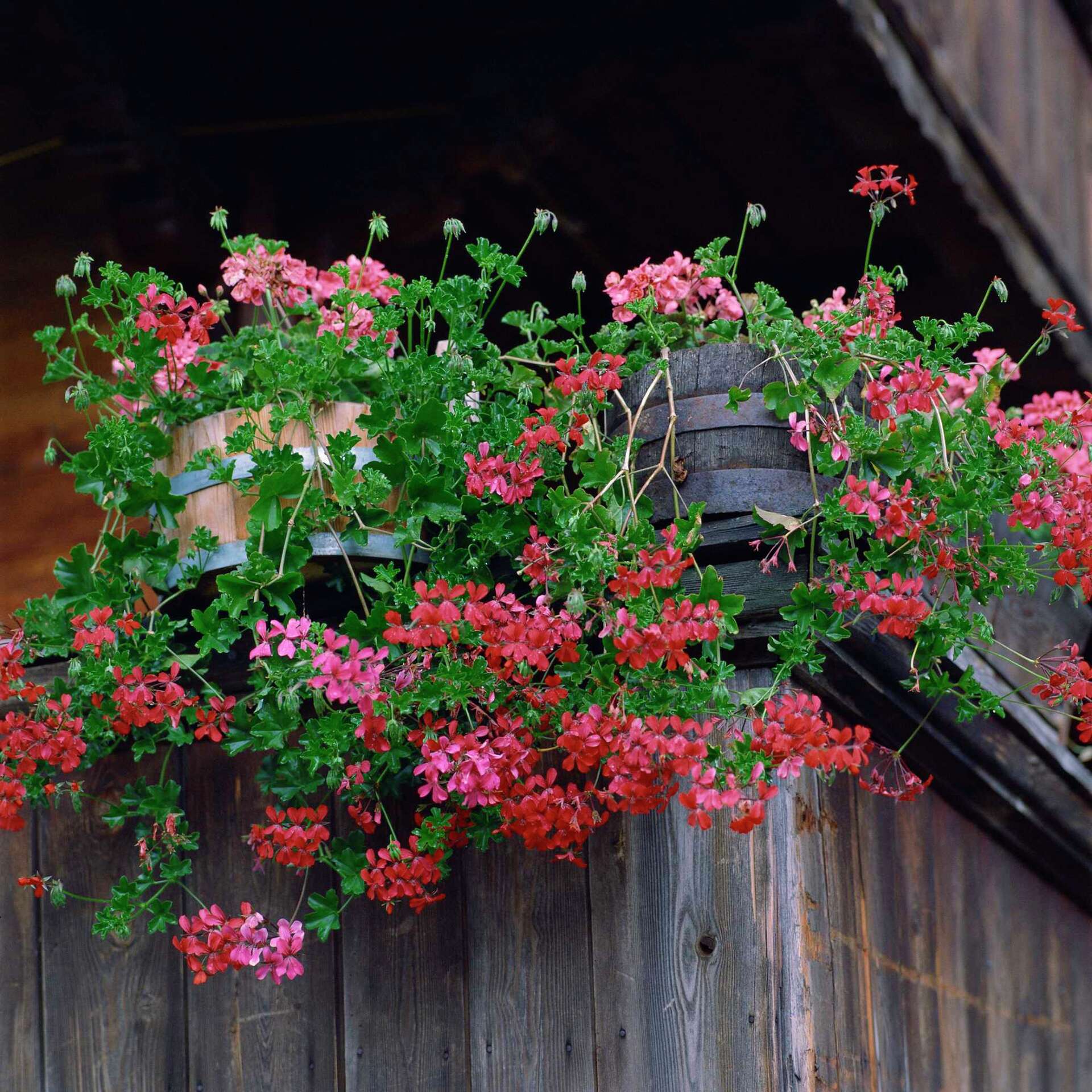
Credit: www.weekand.com
Geraniums And Frost Sensitivity
Geraniums are popular for their vibrant colors and ease of care, but their relationship with cold weather can be tricky. Understanding how sensitive these plants are to frost helps you protect them effectively. Knowing what happens when temperatures drop can save your geraniums from unexpected damage.
How Light Frost Affects Geraniums
Geraniums are not frost-hardy. Even a light frost can cause cellular damage in their leaves and stems. When temperatures dip just below freezing, the water inside the plant’s cells freezes, causing the cells to rupture.
This leads to wilting and blackened leaves, often overnight. I once left my geraniums outside during a light frost, thinking they’d tough it out. By morning, many leaves were limp and discolored, showing just how sensitive they are.
Light frost rarely kills the entire plant immediately but weakens it. This makes them vulnerable to diseases and slows down new growth. Have you ever noticed your geraniums looking droopy after a chilly night? That’s frost at work.
Signs Of Frost Damage
Recognizing frost damage early is key to saving your plants. Look for these signs:
- Black or brown spotson leaves
- Wilted or soggy foliage
- Soft, mushy stems
- Leaves curling or crispingaround the edges
If you notice these symptoms, it’s important to move your geraniums indoors or cover them immediately. Don’t wait until the damage spreads. Acting quickly can often help the plant recover and bounce back stronger.
Protecting Geraniums From Cold
Geraniums are vibrant and cheerful plants, but their beauty can be threatened by cold weather. Protecting your geraniums from frost is key to keeping them healthy and blooming longer. Taking a few simple steps can make a big difference in how well they survive chilly nights.
Best Locations During Frost
Choosing the right spot for your geraniums when frost is expected is crucial. Ideally, place them near south-facing walls or under eaves where they get some warmth and shelter.
Avoid low-lying areas where cold air settles. If you keep your geraniums in pots, moving them indoors or into a garage overnight can save them from damage.
Have you noticed how plants near your house seem to tolerate frost better? That microclimate effect is real and can protect your geraniums too.
Using Covers And Mulches
Covers like frost cloths, old sheets, or even burlap can shield your geraniums from the cold. Make sure the cover extends to the ground to trap warmth around the plant.
Mulching around the base with straw, leaves, or bark helps insulate the roots. This keeps the soil temperature stable and prevents frost from penetrating deeply.
Be careful not to let covers touch the leaves directly, as this can freeze the plant tissue. Supporting the cover with stakes or a frame creates a protective air pocket.
Caring For Geraniums Post-frost
Geraniums can suffer damage from light frost, but careful care helps them recover. After frost, plants need gentle treatment to regain strength. Proper care prevents further stress and encourages healthy growth.
Pruning Frost-damaged Leaves
Remove leaves that look brown or wilted. Cut back to healthy tissue to stop disease. Use clean, sharp scissors or pruners for best results. Pruning helps the plant save energy and focus on new growth.
Watering And Feeding After Frost
Keep soil moist but not soggy to aid recovery. Avoid watering frozen soil to prevent root damage. Once new growth appears, feed geraniums with a balanced fertilizer. Light feeding supports strong, healthy plants after frost stress.

Credit: www.bloomingbackyard.com
Choosing Frost-resistant Geranium Varieties
Choosing frost-resistant geranium varieties helps protect your plants during cold spells. Some geraniums handle light frost better than others. Selecting these types can keep your garden colorful and healthy.
Frost-resistant geraniums have stronger cell walls. They prevent ice damage inside the leaves. These varieties often come from cooler climates, making them naturally tougher.
Pelargonium X Hortorum: The Classic Geranium
This popular geranium shows moderate frost tolerance. It can survive light frost if temperatures stay just below freezing. Protecting it during hard freezes is still needed.
Hardy Geraniums (cranesbills)
True hardy geraniums differ from common garden geraniums. They are perennials and withstand colder weather well. These plants can survive frost without much damage.
Choosing Varieties With Thick Leaves
Thick-leaved geraniums store more water. This helps them resist frost damage better. Look for varieties with fleshy, dense foliage.
Using Native Geraniums For Frost Resistance
Native geraniums adapt to local climates. They often handle frost better than imported varieties. Check local nurseries for these options.
Tips For Buying Frost-resistant Geraniums
- Ask nursery staff about frost tolerance.
- Choose plants labeled as hardy or frost-tolerant.
- Read seed packets or plant tags carefully.
- Select plants with healthy, thick leaves.
Indoor Care During Frosty Periods
Geraniums need special care indoors during frosty periods. Cold air outside can harm these plants. Bringing them inside helps keep them safe and healthy. Proper indoor conditions support their growth even in winter. Understanding the right steps makes indoor care easy and effective.
Bringing Geraniums Indoors
Move geraniums indoors before frost arrives. Choose a dry day to prevent extra moisture. Handle plants gently to avoid damage. Inspect for pests and remove any dead leaves. Use pots with good drainage to stop water buildup. Place plants in a bright spot away from drafts.
Maintaining Light And Temperature Indoors
Geraniums need plenty of light inside. Place them near south-facing windows for best sunlight. If natural light is low, use grow lights for 10 to 12 hours daily. Keep indoor temperature between 60°F and 70°F (15°C to 21°C). Avoid placing plants near heaters or cold windows. Maintain moderate humidity to prevent leaf drying.
Preventing Frost Damage Year-round
Preventing frost damage to geraniums needs care throughout the year. These plants are sensitive to cold and frost can harm their leaves and flowers. Taking simple steps before frost season keeps them healthy and vibrant. Proper preparation helps geraniums survive cold snaps and grow strong.
Seasonal Maintenance Tips
Keep soil moist but not soggy during colder months. Cut back dead leaves and spent blooms to reduce stress. Move potted geraniums to sheltered spots away from cold winds. Fertilize lightly in early fall to boost plant health before winter. Check plants regularly for signs of frost damage like blackened leaves.
Using Frost Cloths And Heaters
Cover geraniums with frost cloths on cold nights to trap warmth. Use lightweight fabrics that let air and light through. Avoid plastic covers that can cause moisture buildup and freeze damage. For outdoor plants, small heaters or heat lamps provide extra warmth. Turn heaters off during the day to prevent overheating. These tools create a safe microclimate for your plants.
Credit: www.gartenzauber.com
Frequently Asked Questions
Can Geraniums Survive A Light Frost Outdoors?
Yes, geraniums can survive a light frost if temperatures stay just below freezing. However, prolonged frost may damage leaves and flowers.
How To Protect Geraniums From Light Frost Damage?
Cover geraniums with frost cloths or blankets during cold nights. Move potted plants indoors to avoid frost exposure.
What Temperature Kills Geranium Plants In Frost?
Geraniums usually die if temperatures drop below 28°F (-2°C) for several hours. Light frost around 32°F (0°C) is often survivable.
Are Geraniums Frost-tolerant Or Frost-sensitive?
Geraniums are frost-sensitive and prefer temperatures above 40°F (4°C). Light frost causes stress but rarely kills healthy plants.
Conclusion
Geraniums can survive light frost with some care and protection. Cover plants during cold nights to keep frost away. Move potted geraniums indoors if frost is expected. Water plants well before frost to help them stay strong. Light frost may cause some leaf damage but won’t kill healthy plants.
Watch the weather and act early to protect your geraniums. With simple steps, these colorful flowers can bloom even after a light frost. Keep your garden bright and alive through chilly nights.