Why You Would Want to Survive a Hurricane: Essential Tips
Imagine facing a powerful hurricane, with roaring winds and relentless rain closing in around you. You might wonder, why would you want to survive such a terrifying event?
The answer goes beyond just making it through the storm. Surviving a hurricane means protecting your loved ones, preserving your home, and having the chance to rebuild your life stronger than before. You’ll discover the crucial reasons why surviving a hurricane is not just important—it’s life-changing.
Stay with me, and you’ll learn how survival can turn fear into strength and uncertainty into hope.

Credit: www.newsobserver.com
Hurricane Risks
Hurricanes are powerful storms that cause serious problems. They bring strong winds, heavy rain, and floods. Understanding hurricane risks helps people stay safe.
Surviving a hurricane is important because these storms can harm people and damage homes. Knowing the risks helps you prepare and protect yourself.
Common Dangers
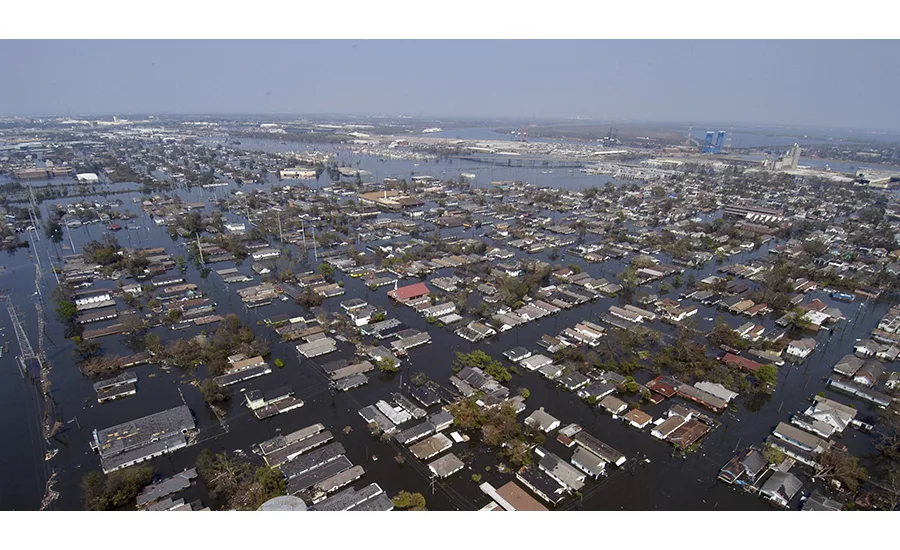
Hurricanes cause many dangers. Strong winds can blow away roofs and trees. Flooding can cover streets and homes. Storm surges push seawater inland.
Flying debris and power outages make the situation worse. People can get hurt by falling objects or slipping in water. It is important to avoid these risks.
- High winds that break windows and trees
- Flooding from heavy rain and storm surge
- Flying debris that can cause injuries
- Power outages lasting days or weeks
- Roads blocked by water or fallen trees
Impact On Communities
Hurricanes damage homes, businesses, and roads. Many families lose their houses or have to leave their neighborhoods. Schools and hospitals may close.
Communities face challenges with clean water, food, and electricity. Emergency services work hard, but help may take time to arrive. People often need to support each other.
- Homes damaged or destroyed
- Businesses shut down temporarily
- Roads and bridges blocked or damaged
- Shortage of food and clean water
- Schools and hospitals closed
Long-term Effects
Hurricanes leave long-lasting effects on people and places. Many lose jobs and income. Rebuilding homes and businesses can take months or years.
Some people face health problems from stress and poor living conditions. Environmental damage can harm wildlife and natural resources. Communities may change after a big storm.
- Job loss and economic struggles
- Health issues from stress and injuries
- Slow rebuilding of homes and roads
- Damage to natural habitats and wildlife
- Changes in community population and layout

Credit: goodmenproject.com
Preparation Steps
Surviving a hurricane requires careful preparation. You need to plan ahead to keep yourself and your family safe.
These steps will help you prepare for a hurricane and reduce risks.
Creating An Emergency Kit
An emergency kit has all the supplies you need if you lose power or cannot leave your home.
- Water: At least one gallon per person per day for three days
- Non-perishable food: Enough for at least three days
- Flashlight and extra batteries
- First aid kit with essential medicines
- Battery-powered or hand-crank radio
- Personal hygiene items and sanitation supplies
- Important documents in a waterproof container
Securing Your Home
Protect your home to reduce damage during a hurricane. Secure windows and doors, and remove loose items outside.
| Action | Reason |
| Install storm shutters | Protect windows from flying debris |
| Reinforce garage doors | Prevent wind from entering |
| Clear gutters and drains | Avoid water damage and flooding |
| Bring outdoor furniture inside | Reduce risk of objects becoming projectiles |
| Trim trees near the house | Prevent branches from breaking windows |
Planning Evacuation Routes
Know where to go if you must leave your home. Plan routes in case roads are blocked or flooded.
Tips for planning evacuation routes:
- Identify at least two different routes out of your area.
- Know the locations of nearby shelters and safe zones.
- Keep your car fueled and ready to go.
- Share your plan with family and friends.
During The Hurricane
Surviving a hurricane means staying calm and safe while the storm passes. Knowing what to do during the hurricane can keep you and your family protected.
It is important to prepare your space and manage challenges like power outages. Staying connected with others helps you get support if needed.
Staying Safe Indoors
Stay inside and away from windows during the hurricane. Flying glass and debris can cause injuries.
Find a small, windowless room on the lowest floor. This room will protect you from strong winds and rain.
- Use blankets or pillows to protect yourself
- Keep your phone nearby for emergencies
- Avoid using candles to reduce fire risk
Managing Power Outages
Power outages are common during hurricanes. Keep flashlights and extra batteries ready to use.
Use your phone wisely to save battery. Turn off appliances to avoid damage when power returns.
- Charge devices before the storm
- Use battery-powered lights, not candles
- Keep a supply of bottled water and non-perishable food
Communicating With Others
Keep your phone charged and use text messages to save battery. Calls may not connect during the storm.
Let family or friends know you are safe as soon as possible. Use social media or apps if you have internet access.
- Set a meeting point if communication fails
- Check on neighbors if it is safe
- Listen to official updates on battery-powered radios
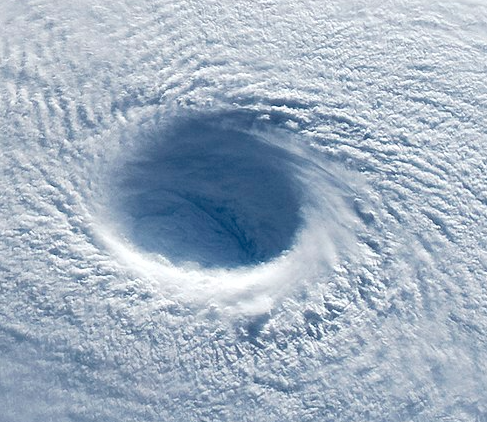
Credit: craigkcollins.medium.com
Post-hurricane Actions
After a hurricane, taking quick and safe actions helps protect you and your family. Knowing what to do can reduce risks and aid recovery.
Focus on checking damage, finding shelter, and staying safe from hazards that may remain after the storm.
Assessing Damage
Look around your home and neighborhood for damage once it is safe. Stay cautious of broken glass, fallen power lines, and unstable structures.
- Check your roof, windows, and doors for cracks or leaks
- Note any flooding or water damage inside the house
- Take photos for insurance claims
- Report major hazards to local authorities
Finding Shelter And Aid
If your home is unsafe, find a shelter or a safe place nearby. Many communities open emergency shelters after storms.
| Type of Shelter | What to Expect | How to Prepare |
| Public Shelter | Food, water, basic medical aid | Bring personal ID and essentials |
| Family or Friends | Comfort of known people | Confirm availability before arrival |
| Hotel or Motel | More privacy, possible cost | Check for vacancies and rates |
Avoiding Hazards
Stay alert for dangers that remain after the hurricane. These hazards can cause injury or illness.
- Do not touch downed power lines
- Wear boots and gloves to avoid cuts and infections
- Boil water before drinking if the supply is doubtful
- Keep away from flooded areas and moving water
- Use flashlights instead of candles to prevent fires
Mental And Emotional Resilience
Surviving a hurricane requires more than physical strength. Mental and emotional resilience helps you face the challenges.
Building this resilience lets you handle stress and support others around you during tough times.
Coping With Stress
Stress rises during and after a hurricane. It is important to stay calm and focused.
Simple actions can reduce stress and improve your mental health.
- Take deep breaths to relax your body
- Keep a routine to feel more in control
- Talk about your feelings with friends or counselors
- Rest well to recharge your energy
Supporting Family And Neighbors
Helping family and neighbors builds a stronger community. It also improves your own emotional health.
Being there for others creates trust and shared strength during hard times.
- Check on vulnerable people regularly
- Share food, water, and supplies
- Listen to others’ worries and offer comfort
- Work together to rebuild and recover
Frequently Asked Questions
What Are The Main Benefits Of Surviving A Hurricane?
Surviving a hurricane allows you to protect your life and loved ones. It preserves your home and possessions. It also offers a chance to rebuild stronger and gain valuable emergency experience for future storms.
How Does Surviving A Hurricane Impact Mental Health?
Survival can lead to resilience and personal growth. However, it may also cause stress or trauma. Seeking support helps manage emotions and promotes recovery. Being prepared reduces anxiety during future hurricanes.
Why Is Hurricane Survival Important For Community Safety?
Survivors contribute to community recovery and support neighbors. They help restore local services and infrastructure. Their experience aids in planning and preparedness for future storms, strengthening overall community resilience.
What Key Skills Help Improve Hurricane Survival Chances?
Essential skills include emergency planning, first aid, and safe evacuation. Knowing how to secure property and access supplies is crucial. Staying informed and calm enhances decision-making during hurricanes.
Conclusion
Surviving a hurricane means protecting your life and loved ones. It gives you a chance to rebuild and grow stronger. Facing such a challenge shows courage and resilience. Remember, preparation helps reduce fear and danger. Stay aware, stay ready, and stay safe.
Life after a hurricane can be full of hope. Every step you take toward safety matters a lot. Surviving is not just luck; it is about smart choices. Your life and future depend on your actions today.