Can You Survive a Hurricane: Essential Tips for Safety and Survival
Imagine the wind howling outside your window. The rain is pounding down, and the power flickers off.
A hurricane is coming. Do you know what to do? Can you survive a hurricane? Knowing how to prepare and act during such a storm can make all the difference. This article is here to help you feel confident and ready.
You’ll learn crucial tips that could save your life and keep your loved ones safe. As you read on, you’ll discover simple steps to take before, during, and after the storm. Stay with us, and let’s ensure you have the knowledge you need when nature’s fury strikes.
Hurricane Basics
Hurricanes are powerful storms that form over warm ocean waters. They can cause strong winds, heavy rain, and flooding.
Knowing how hurricanes form and their categories helps people prepare and stay safe during these storms.
How Hurricanes Form
Hurricanes start as small storms over warm ocean water. The heat from the water makes the air rise and form clouds. Winds begin to spin around a low pressure center. This spinning grows stronger as the storm moves over warm water.
- Warm ocean water fuels the storm
- Air rises and cools, creating clouds
- Winds start to rotate around a calm center
- Storm grows stronger with more heat and moisture
Categories And Their Impact
Hurricanes are classified into categories based on their wind speed. Each category shows how strong the hurricane is and the damage it can cause.
| Category | Wind Speed (mph) | Impact |
| 1 | 74-95 | Minimal damage, mostly to trees and power lines |
| 2 | 96-110 | Moderate damage to roofs and trees |
| 3 | 111-129 | Severe damage to buildings and trees |
| 4 | 130-156 | Extreme damage, many roofs and walls destroyed |
| 5 | 157+ | Catastrophic damage, most structures destroyed |

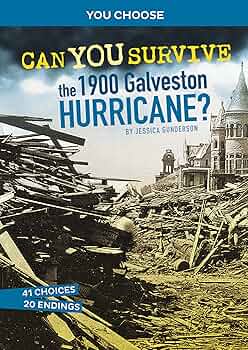
Credit: www.amazon.com
Preparing Before The Storm
Getting ready before a hurricane can save lives. You must plan and prepare early.
Knowing what to do helps you stay safe and protect your family and home.
Creating An Emergency Kit
An emergency kit has all the things you need if the power goes out or you must leave.
Gather supplies that will last for several days without help.
- Water – at least one gallon per person per day
- Non-perishable food – enough for at least three days
- Flashlight with extra batteries
- First aid kit with medicines
- Important documents in a waterproof bag
- Battery-powered or hand-crank radio
- Personal hygiene items and sanitation supplies
- Cash in small bills
- Clothing and blankets
Developing A Family Plan
Talk with your family about what to do before and during a hurricane.
Decide on a meeting place and how to contact each other if phones do not work.
- Choose a safe room in your home
- Learn evacuation routes and shelters
- Assign roles like who grabs the emergency kit
- Keep a list of emergency contacts
- Practice your plan regularly
Securing Your Home
Protect your home from damage by making it strong against high winds and rain.
Check your roof, windows, and doors. Fix weak spots before the storm arrives.
- Install storm shutters or board up windows
- Secure loose outdoor items like furniture and trash cans
- Clear gutters and drains to prevent flooding
- Trim trees and remove dead branches
- Know how to turn off utilities like gas and electricity
Staying Safe During A Hurricane
Hurricanes are strong storms that cause heavy rain and wind. It is important to know how to stay safe if a hurricane comes. Being prepared helps protect your life and property.
Listen to local news and follow safety advice. Take action early to avoid danger from the storm.
Evacuation Guidelines
Evacuate if local officials tell you to leave. Do not wait until the last minute to go. Plan your route ahead and know where you will stay.
Take important items like ID, medicines, and food. Tell family or friends where you are going. Drive carefully and watch for hazards on the road.
- Check evacuation routes before the storm
- Follow official evacuation orders
- Keep your car fueled and ready
- Bring emergency supplies and important documents
Safe Shelter Options
Find a safe place to stay during the hurricane. Use a storm shelter if available. If not, choose a small, windowless room inside your home.
Avoid rooms with many windows. Stay away from the roof or outside walls. Keep emergency supplies with you in the shelter.
- Use a basement or storm cellar if possible
- Choose an interior room on the lowest floor
- Bring water, food, and a flashlight
- Stay indoors until officials say it is safe
Handling Power Outages
Power may go out during a hurricane. Have flashlights and batteries ready. Use candles carefully and never leave them unattended.
Keep your refrigerator and freezer closed to keep food cold. Use a generator only outside and away from windows. Stay warm with blankets and clothes.
- Charge phones and devices before the storm
- Have extra batteries and flashlights
- Use generators outdoors only
- Keep refrigerator closed to save food
Survival Tips After The Storm
After a hurricane, the danger is not over. You must stay careful and smart to stay safe. The damage can be hidden and cause risks.
Follow these tips to protect yourself and your family after the storm ends. Take your time and do not rush.
Assessing Damage Safely
Look around your home and property for damage only when it is safe. Check for broken glass, fallen trees, and weak structures. Avoid climbing on roofs or walls.
Use a flashlight if it is dark. Do not enter buildings that look unsafe. Take pictures for insurance if you can do so safely.
- Wear sturdy shoes and gloves
- Watch for loose nails and sharp objects
- Do not touch downed power lines
- Stay outside if you smell gas
Avoiding Hazards
Floodwaters and debris can hide dangers. Stay away from floodwater because it may be dirty or carry harmful things. Do not drive through flooded roads.
Keep away from animals that may be scared or hurt. Avoid using candles inside to prevent fire risks. Use a battery-powered light instead.
- Do not drink tap water until cleared
- Throw away food spoiled by power loss
- Stay clear of damaged electrical equipment
- Be careful of sharp debris on the ground
Seeking Help And Resources
Contact emergency services if someone is hurt. Listen to the radio or use your phone for official updates. Find local shelters if your home is unsafe.
Ask neighbors for help if needed. Use community centers or relief groups for food, water, and supplies. Stay connected with family and friends.
- Call 911 only for emergencies
- Check with local authorities for safe water sources
- Register with disaster relief organizations
- Share your location with rescuers if trapped
Technology And Tools For Safety
Technology helps you stay safe during a hurricane. Tools can give you quick updates and ways to communicate. Knowing which tools to use is important for your safety.
Use modern devices to prepare and respond to emergencies. These tools make it easier to get information and stay connected with others.
Using Weather Apps
Weather apps give real-time alerts about hurricanes. They show maps, storm paths, and warnings. Many apps also provide safety tips and emergency contact info.
- Check for updated hurricane warnings and watches.
- View storm tracking maps with clear visuals.
- Receive push notifications for severe weather.
- Access local emergency shelter locations.
- Learn safety tips and evacuation plans.
Emergency Communication Devices
Communication devices help you reach others if power or cell service fails. Some devices work without internet or phone lines. Having more than one device can be very helpful.
| Device | Description | Power Source | Use Case |
| Satellite Phone | Sends calls and texts via satellites | Battery | Use when cell towers are down |
| Two-Way Radio | Short-range voice communication | Rechargeable or batteries | Good for nearby family or neighbors |
| Emergency Radio | Receives alerts and weather updates | Solar, hand crank, or batteries | Access info when power is out |
| Mobile Phone with Power Bank | Standard phone for calls and apps | Battery and external power bank | Daily use and emergency calls |

Credit: www.youtube.com
Special Considerations
Preparing for a hurricane requires extra care for those who need help. Some people and pets need special attention to stay safe.
Knowing how to support vulnerable individuals and protect pets can make a big difference during a storm.
Caring For Vulnerable Individuals
Some people have more needs during hurricanes. This includes seniors, children, and those with disabilities or medical conditions. Plan ahead to keep them safe and comfortable.
- Make a list of medications and medical supplies needed.
- Identify safe places in your home or nearby shelters.
- Arrange for transportation if needed.
- Keep emergency contacts and important documents handy.
- Check on neighbors or family members who may need help.
Pet Safety During Hurricanes
Pets need protection too during storms. Prepare a safe space and supplies for your animals to reduce stress and keep them healthy.
| Item | Purpose |
| Food and water | Keep pets nourished and hydrated |
| Carrier or leash | Safe transport and control |
| Medical records | Proof of vaccinations and health info |
| Comfort items | Reduce anxiety and stress |
| Identification tags | Help find pets if lost |

Credit: www.amazon.com
Frequently Asked Questions
What Are The Key Steps To Survive A Hurricane?
To survive a hurricane, prepare an emergency kit, secure your home, stay informed, evacuate if advised, and avoid floodwaters. Planning ahead and following official warnings increase your chances of safety during the storm.
How Long Does A Hurricane Typically Last?
A hurricane can last from several hours to a few days. Its impact varies by size and speed, with the most intense conditions usually lasting a few hours at any one location.
Can You Stay Safe Indoors During A Hurricane?
Yes, staying indoors in a secure room away from windows is safest. Avoid using electrical appliances and stay updated through a battery-powered radio or phone.
What Should You Include In A Hurricane Emergency Kit?
Include water, non-perishable food, flashlight, batteries, first aid supplies, medications, important documents, and a portable phone charger. Having these items ready helps you stay self-sufficient during power outages and emergencies.
Conclusion
Surviving a hurricane takes careful planning and quick action. Know your risks and prepare your home early. Have supplies ready, like food, water, and medicine. Stay informed by listening to weather updates and alerts. Follow evacuation orders without delay to stay safe.
Protect yourself and your family by staying indoors during the storm. After the hurricane, watch out for hazards and ask for help if needed. Staying calm and prepared can save lives. Stay safe, stay ready.