Can Wild Rabbits Survive in Cold Weather? Expert Insights Revealed
Have you ever wondered how wild rabbits manage to survive the harsh grip of winter? As temperatures drop and snow blankets the ground, these small creatures face a daunting challenge.
Yet, their survival is nothing short of remarkable. If you’re curious about how wild rabbits withstand the cold and what you can do to help them, you’re in the right place. This article will uncover the secrets of their winter survival tactics and provide insights that might surprise you.
By the end, you’ll not only understand more about these resilient animals but also feel a deeper connection to the natural world around you. Keep reading to uncover the fascinating strategies wild rabbits use to thrive in the coldest months.

Credit: uk.news.yahoo.com
Wild Rabbit Adaptations
Wild rabbits face cold weather with special adaptations. These changes help them survive harsh winters.
Their bodies and habits adjust to keep warm and find food during cold times.
Physical Traits For Cold
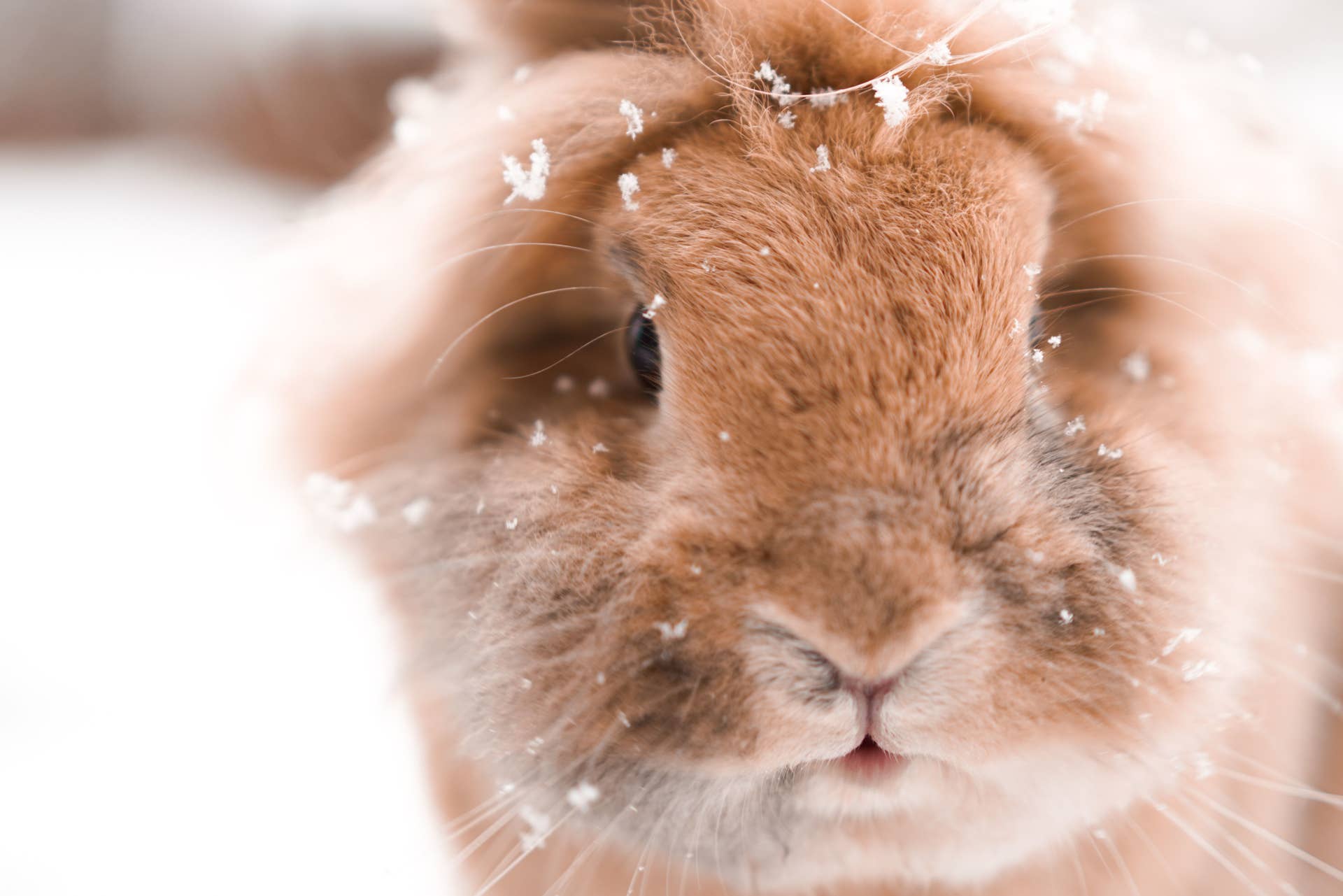
Wild rabbits have thick fur that grows longer in winter. This fur traps heat and keeps them warm.
They also have a layer of fat under their skin. This fat adds extra insulation against the cold.
- Thicker winter coat to hold body heat
- Fat layer under skin for insulation
- Compact body shape to reduce heat loss
- Large ears that help control body temperature
Behavioral Changes In Winter
Wild rabbits change how they act in winter to stay safe and warm. They rest more during the coldest parts of the day.
Rabbits dig burrows or use dense bushes to shield themselves from wind and snow. They also eat different foods to get enough energy.
- Stay in burrows or under dense cover for warmth
- Reduce activity during very cold hours
- Eat bark, twigs, and buds when grass is scarce
- Gather in small groups to share warmth
Shelter And Habitat Choices
Wild rabbits face cold weather by finding safe places to stay warm. They use natural shelters and dig burrows to protect themselves. These choices help them survive harsh winters.
Choosing the right shelter keeps rabbits safe from wind and cold. Their habitats provide food and cover from predators during winter months.
Natural Shelters
Wild rabbits use natural features in the environment to stay warm. They often hide in dense bushes, tall grass, or under fallen logs. These places block cold winds and keep snow away.
- Thick bushes and shrubs provide cover.
- Tall grass helps hide rabbits from predators.
- Fallen logs offer wind protection and warmth.
- Rock crevices give safe and dry shelter.
Burrowing Techniques
Rabbits dig burrows to create warm homes under the ground. These tunnels protect them from cold air and predators. Burrows have special chambers where rabbits rest and store food.
| Burrow Feature | Purpose |
| Main Tunnel | Entry and exit |
| Resting Chamber | Warm sleeping area |
| Food Storage | Keep food dry and safe |
| Ventilation | Fresh air flow |
Food Sources In Winter
Wild rabbits face many food challenges during cold months. Snow and ice cover many plants they usually eat.
To survive, rabbits change their diet and search harder for food. They adapt to what is available in winter.
Diet Adjustments
Rabbits switch from eating mostly green plants to bark and twigs. They eat woody plants more in winter.
- They chew bark from young trees and shrubs.
- They eat twigs and small branches.
- Roots and buds become important food.
- They may eat dried grasses and leaves found under snow.
Foraging Challenges
Finding food is harder in winter. Thick snow blocks access to many plants. Cold weather slows plant growth.
| Challenge | Effect on Rabbits |
| Snow Cover | Hides food, forcing rabbits to dig or eat bark |
| Cold Temperature | Reduces available fresh plants |
| Limited Daylight | Shortens foraging time |
| Frozen Ground | Makes digging for roots harder |

Credit: edmontonhort.com
Survival Challenges
Wild rabbits face many problems during cold weather. They must find food, stay warm, and avoid dangers. Cold months bring unique risks that test their survival skills.
Understanding these challenges helps us learn how wild rabbits live through winter. Two major survival issues are predators and harsh weather conditions like snow and ice.
Predators During Cold Months
Cold weather makes it harder for rabbits to hide from predators. Snow reduces cover and leaves tracks that predators can follow. Many animals hunt more in winter due to scarce food.
- Foxes become more active and hunt rabbits in open fields.
- Owls use the quiet nights to catch rabbits in low light.
- Weasels and coyotes look for rabbits near burrows and bushes.
- Predators watch for rabbit tracks in the snow to find them easily.
Impact Of Snow And Ice
Snow and ice make it hard for rabbits to move and find food. Thick snow blocks access to grass and plants. Ice can make the ground slippery and dangerous for quick escapes.
| Challenge | Effect on Rabbits | Adaptation |
| Deep Snow | Limits movement and food access | Use shallow paths and browse twigs |
| Ice Cover | Slippery ground slows escape | Move carefully and hide more |
| Cold Temperatures | Risk of hypothermia | Stay in burrows and fluff fur |
Expert Tips For Rabbit Care
Wild rabbits face many challenges in cold weather. Proper care helps them survive harsh conditions. Learn how to support wild rabbit populations safely.
This guide shares simple tips for protecting rabbits without harming their natural habits. Respect their space and environment for best results.
Supporting Wild Populations
Helping wild rabbits means creating safe, natural spaces. You can improve their chances by offering shelter and food sources that suit their needs.
- Provide dense shrubs or brush piles for shelter from wind and snow.
- Plant native grasses and herbs for natural food sources.
- Leave fallen leaves and twigs for ground cover and warmth.
- Ensure water is available by clearing ice from natural sources.
- Avoid using chemicals or pesticides near rabbit habitats.
Avoiding Human Interference
Wild rabbits survive best with little human contact. Too much interference can stress them and disrupt their natural behaviors.
| Do | Don’t |
| Observe rabbits quietly from a distance | Try to touch or catch wild rabbits |
| Keep pets away from rabbit areas | Feed rabbits human food or bread |
| Report injured rabbits to wildlife experts | Remove rabbits from their natural habitat |
| Use natural landscaping to support habitat | Disturb nests or burrows |
Credit: pethelpful.com
Frequently Asked Questions
Can Wild Rabbits Survive Harsh Winter Conditions?
Yes, wild rabbits can survive harsh winters by growing thicker fur and seeking shelter. They use burrows or dense vegetation for protection against cold and wind, conserving energy to endure freezing temperatures.
How Do Wild Rabbits Adapt To Cold Weather?
Wild rabbits adapt by increasing their fat reserves and developing thicker coats. They stay active during the day to find food and use natural shelters to maintain body heat during cold spells.
Do Wild Rabbits Change Their Diet In Winter?
Yes, wild rabbits shift to eating bark, twigs, and buds in winter. When grass is scarce, they rely on woody plants to meet their nutritional needs during cold months.
What Shelters Help Wild Rabbits Survive Cold Weather?
Wild rabbits use burrows, dense shrubs, and tall grass as shelters. These protect them from wind, snow, and predators, providing a safe, warm environment to survive freezing temperatures.
Conclusion
Wild rabbits have natural ways to stay warm in cold weather. They grow thick fur and find cozy places to hide. Their bodies use less energy to survive the winter. Food can be scarce, but rabbits adapt by eating bark and twigs.
Not all rabbits survive harsh winters, but many do. Nature helps them face cold days and nights. Watching wild rabbits shows us how strong and clever they are. Cold weather is tough, but wild rabbits manage to live through it.