Can Stink Bugs Survive Cold Weather: Shocking Facts Revealed
Have you ever wondered if those pesky stink bugs can outlast the chill of winter? As temperatures drop, you might think these little critters would vanish.
But, to your surprise, stink bugs have some tricks up their sleeves when it comes to surviving the cold. Discover how these bugs manage to endure the freezing months and what it means for your home. Understanding their winter survival tactics can help you prepare and protect your living space.
Keep reading to uncover the secrets of stink bug resilience and learn how you can stay one step ahead.
Stink Bug Basics
Stink bugs are insects known for the bad smell they release. They get this smell from glands on their bodies. These bugs can be a problem for farmers and gardeners. Understanding their habits helps control them better.
People often wonder if stink bugs can survive cold weather. To answer this, we must learn about their types and habitats. This knowledge shows how they live through different seasons.
Types Of Stink Bugs
There are many kinds of stink bugs. They differ in color, size, and where they live. Some are harmful to crops, while others are harmless. Knowing the types helps identify which bugs cause damage.
- Brown Marmorated Stink Bug: The most common in many areas.
- Green Stink Bug: Bright green and often found on plants.
- Harlequin Bug: Has bright patterns and attacks vegetables.
- Spined Soldier Bug: A beneficial bug that eats pests.
Habitat Preferences
Stink bugs live in places that suit their needs. They like warm spots with food and shelter. Many bugs hide under leaves, wood, or inside homes during cold months.
| Habitat | Description |
| Fields and Gardens | Where they feed on crops and plants. |
| Wooded Areas | Provide shelter and places to hide. |
| Homes and Buildings | Used for overwintering in cold weather. |
| Under Rocks and Leaf Litter | Offer protection from predators and cold. |
Cold Weather Effects
Stink bugs face many challenges in cold weather. The cold affects their survival and behavior.
Understanding how cold weather impacts stink bugs helps us learn about their life cycle and habits.
Temperature Tolerance
Stink bugs can survive cold, but only to a certain point. They tolerate mild cold better than extreme cold.
When temperatures drop below freezing for long, many stink bugs cannot survive. Their bodies do not handle ice inside well.
- They survive short cold spells around 32°F (0°C).
- Extended cold below 20°F (-6°C) is usually deadly.
- Some species have better cold tolerance than others.
Behavioral Changes
Stink bugs change their behavior to survive cold weather. They look for warm places to hide.
They often gather in groups inside homes or under tree bark. This helps them keep warm during winter.
- They enter a state called diapause to slow down their body functions.
- They stop feeding and move less to save energy.
- They choose sheltered spots to avoid freezing.
Survival Strategies
Stink bugs face cold weather that can be harsh and deadly. They use smart ways to survive the winter months.
Understanding their survival strategies helps us learn how these insects cope with freezing temperatures.
Hibernation Habits
Stink bugs enter a state like sleep called hibernation. This lowers their body activity and saves energy.
- They stop eating and moving much during cold months.
- They slow down their metabolism to survive on stored fat.
- Hibernation helps them avoid freezing by reducing ice formation in their bodies.
Seeking Shelter
Finding a safe place is key for stink bugs to survive cold weather. They look for spots that protect them from wind and frost.
| Shelter Type | Protection Level |
| Under tree bark | High |
| Inside house walls | Medium |
| Leaf litter on ground | Low |
| Crevices in rocks | Medium |

Credit: www.westernpest.com
Impact On Populations
Stink bugs face challenges during cold weather. Their survival affects how many bugs live in the next season.
Understanding this helps predict stink bug populations and plan how to manage them.
Winter Mortality Rates
Cold temperatures cause many stink bugs to die during winter. Not all bugs survive the freezing weather.
Mortality rates depend on how cold the winter is and where the bugs hide.
- Severe cold kills more bugs
- Bugs in protected places survive better
- Young bugs are less likely to survive
Population Recovery
After winter, stink bug populations can grow fast. Surviving bugs lay eggs in spring.
Population recovery depends on food, weather, and how many bugs survived the winter.
- Good food sources help bugs multiply
- Mild weather speeds up growth
- Fewer survivors mean slower recovery
Preventing Winter Infestations
Stink bugs can survive cold weather by hiding inside homes. They seek warm places to stay during winter.
Stopping stink bugs from entering your home helps prevent large infestations. Taking simple steps can protect your space.
Home Protection Tips
Check your home for cracks and gaps. Stink bugs can enter through small openings in walls and windows.
Seal all openings with caulk or weather stripping. Use screens on vents and chimneys to block bugs.
- Inspect doors and windows for gaps
- Seal cracks around pipes and cables
- Use door sweeps to close gaps under doors
- Keep window screens in good condition
- Turn off outdoor lights at night to reduce attraction
Garden Management
Stink bugs live on plants and fruits in your garden. Removing their food sources helps reduce their numbers.
Clean up fallen fruits and leaves. Keep plants healthy and trim overgrown bushes to limit hiding spots.
- Harvest ripe fruits promptly
- Remove plant debris regularly
- Trim dense shrubs and trees
- Plant stink bug-resistant varieties
- Use natural predators like birds and beneficial insects

Credit: uk.news.yahoo.com
Shocking Facts About Stink Bugs
Stink bugs are pests that many people find annoying. They give off a bad smell when disturbed. But these bugs can survive in cold weather better than you think.
Understanding how stink bugs live through winter helps us know how to control them. Their survival skills are quite surprising.
Unexpected Cold Resistance
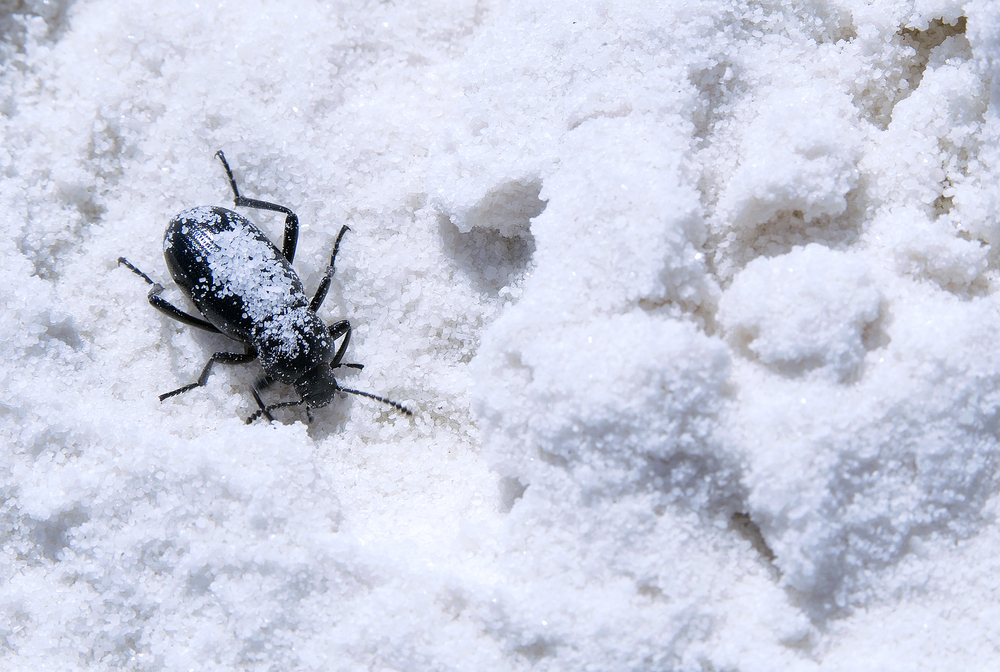
Stink bugs can survive cold temperatures that would kill many insects. They slow down their bodies and enter a state called diapause. This helps them use less energy during winter.
They often hide in warm places like inside homes or under tree bark. This shelter protects them from freezing cold winds and ice.
Adaptations For Survival
Stink bugs have special ways to survive cold weather. Their bodies produce chemicals that act like antifreeze. These chemicals stop ice crystals from forming inside their cells.
They also gather in groups to keep warm. This behavior raises their chances of surviving cold nights and frost.
- Produce antifreeze-like chemicals
- Enter diapause to reduce energy use
- Hide in protected places like homes
- Cluster together to share body heat
Credit: www.brodybrotherspestcontrol.com
Frequently Asked Questions
Can Stink Bugs Survive Freezing Winter Temperatures?
Stink bugs cannot survive freezing temperatures for long. They seek shelter indoors or under debris to stay warm. Prolonged exposure to cold usually kills them.
Where Do Stink Bugs Hide During Cold Weather?
Stink bugs hide in warm places during cold weather. Common spots include attics, wall cracks, and under leaves. These shelters help them survive winter.
Do Stink Bugs Become Inactive In Cold Weather?
Yes, stink bugs enter a state called diapause in cold weather. This makes them inactive and conserves energy until temperatures rise again.
How Does Cold Weather Affect Stink Bug Reproduction?
Cold weather slows down stink bug reproduction significantly. They breed less or stop altogether during winter. Warmer temperatures in spring restart their breeding cycle.
Conclusion
Stink bugs can survive cold weather by finding warm places. They hide in homes, under leaves, or inside cracks. Cold does not always kill them. Some bugs slow down but stay alive. Knowing this helps protect your house better. Watch for signs and seal entry points.
Stay alert in fall and winter months. Keeping bugs out means less trouble inside. Simple steps make a big difference. Stay safe and bug-free this season.