Can Miami Survive a Hurricane: Unveiling the Truth and Risks
Imagine looking out over Miami’s stunning skyline, only to see ominous clouds rolling in. If you’ve ever wondered how this vibrant city stands up to the mighty force of a hurricane, you’re not alone.
With its beautiful beaches and bustling nightlife, Miami is a dream destination. But what happens when nature’s fury is unleashed? You might be curious about how well-prepared Miami is to face these powerful storms. Can its skyscrapers withstand the wind?
Are the evacuation plans robust enough to keep everyone safe? Your questions are valid, and understanding the resilience of this iconic city is more important than ever. Join us as we delve into Miami’s strategies, strengths, and vulnerabilities when it comes to surviving a hurricane. Your insights might just surprise you and could be crucial if you ever find yourself in the path of a storm.
Miami’s Hurricane History
Miami has faced many hurricanes over the years. These storms test the city’s strength and readiness.
Understanding Miami’s hurricane history helps us see how the city has changed and grown.
Past Major Storms
Miami has been hit by several strong hurricanes. Some caused major damage and loss.
- Hurricane Andrew in 1992 was very destructive.
- Hurricane Irma in 2017 caused flooding and power outages.
- Hurricane Katrina in 2005 affected the region, though less severely.
- Hurricane Wilma in 2005 also brought strong winds and rain.
Impact On Infrastructure
Hurricanes damage buildings, roads, and power lines in Miami. This causes big problems for residents.
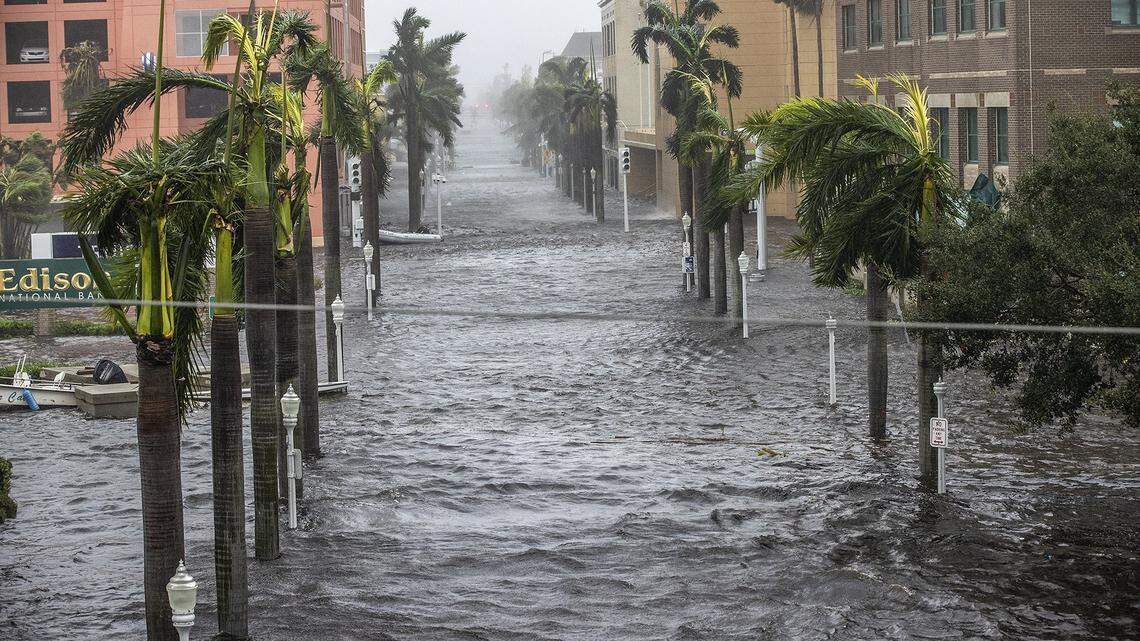
The city often faces power outages, flooded streets, and broken bridges after storms.
- Homes and businesses may lose roofs or walls.
- Floods can damage cars and houses.
- Roads may close due to debris or water.
- Power outages can last for days or weeks.
Lessons Learned
Miami has learned many lessons from past hurricanes. These lessons help the city prepare better.
The city improved building codes and created better evacuation plans for safety.
- Stronger building rules protect homes and businesses.
- Emergency plans help people leave dangerous areas quickly.
- Better storm tracking gives more warning time.
- Community shelters provide safe places during storms.

Credit: www.miamiherald.com
Current Hurricane Risks
Miami faces serious risks from hurricanes every year. These storms can bring strong winds, heavy rain, and flooding.
Understanding the main risks helps people prepare and stay safe during hurricane season.
Geographical Vulnerabilities
Miami sits on a low-lying coastal area. This makes it very open to hurricane damage.
The city is near the Atlantic Ocean and has many waterways. These increase the chance of flooding when storms hit.
- Flat terrain causes water to spread quickly
- Many homes are close to the coast
- Barrier islands protect some areas but not all
Climate Change Effects
Climate change is making hurricanes stronger and more frequent. Warmer ocean water fuels bigger storms.
Rising sea levels cause higher flood risks during hurricanes. Miami’s coastal areas feel these changes the most.
- Hotter seas increase storm energy
- Sea levels rise about 3 inches per decade
- Longer hurricane seasons increase chances of hits
Storm Surge And Flooding
Storm surge is the rise of ocean water pushed by wind during a hurricane. It can flood large parts of Miami.
Heavy rain adds more flood risk. Drainage systems often struggle to handle the water fast enough.
- Storm surge can reach several feet high
- Floodwaters can block roads and homes
- Flooding causes damage to buildings and infrastructure
City Preparedness Measures
Miami faces hurricanes every year. The city takes many steps to get ready. These measures help protect people and property.
Preparedness includes strong rules, clear plans, and safe places to go. Each part works to keep Miami safe during storms.
Building Codes And Standards
Miami has strict building codes to resist hurricanes. New buildings must follow rules for strong roofs and walls. These codes reduce damage and keep people safe inside.
- Use impact-resistant windows and doors
- Reinforce roofs with hurricane straps
- Elevate buildings in flood-prone areas
- Secure outdoor structures and equipment
Emergency Response Plans
The city has detailed plans to respond fast during a hurricane. These plans guide emergency workers and city officials. They include rescue, medical help, and restoring services.
| Response Step | Description |
| Alert System | Send warnings to residents early |
| Emergency Teams | Deploy rescue and medical staff |
| Resource Distribution | Provide food, water, and supplies |
| Communication | Keep public informed during crisis |
Evacuation Routes And Shelters
Miami plans clear evacuation routes to move people safely. Shelters are set up in safe buildings. These places offer food, water, and care during storms.
- Main roads marked for quick evacuation
- Public transport options for those without cars
- Designated shelters with emergency supplies
- Special shelters for pets and people with needs
Credit: www.miamiherald.com
Infrastructure Challenges
Miami faces serious problems with its infrastructure during hurricanes. The city’s systems often struggle to handle strong storms. These challenges put many residents at risk.
Understanding the main issues helps to see why Miami must improve. Three key areas show the biggest concerns: utilities, transportation, and communication.
Aging Utilities
Many of Miami’s water, electricity, and sewage systems are old. These systems can break easily during hurricanes. Repairing them takes time and leaves people without power or clean water.
Old pipes and wires are vulnerable to floods and winds. Upgrading them is costly but needed to protect the city.
Transportation Systems
Miami’s roads, bridges, and public transit face many problems in storms. Flooding can close streets and damage bridges. This stops emergency services and slows evacuations.
- Many roads flood quickly due to poor drainage.
- Bridges are old and need repairs to stay safe.
- Public transit lines may stop running during storms.
- Traffic jams delay people trying to leave the city.
Communication Networks
Communication is vital during hurricanes. Miami’s cell towers and internet lines are often damaged. This cuts off contact between emergency workers and residents.
| Network Type | Common Issues | Impact During Hurricanes |
|---|---|---|
| Cell Towers | Power outages and physical damage | Loss of phone service and emergency calls |
| Internet Lines | Flood damage and cable breaks | Disrupted communication and information flow |
| Broadcast Systems | Equipment failure from storms | Missed weather warnings and updates |
Community Resilience Efforts
Miami faces hurricanes every year. The city works hard to stay safe and strong.
People and groups come together to prepare and help each other before and after storms.
Public Awareness Campaigns
Miami runs many campaigns to teach people about hurricane safety. These campaigns share tips on how to prepare.
They use TV, radio, and social media to reach many residents quickly.
- How to make an emergency kit
- Evacuation routes and plans
- Ways to protect homes from damage
- Information about shelters and resources
Neighborhood Initiatives
Neighbors work together to check on each other before storms. They share supplies and help with cleanup after.
Local groups organize meetings and drills to practice hurricane safety plans in their areas.
- Creating local support groups
- Sharing emergency contact info
- Helping elderly or disabled neighbors
- Community clean-up days after storms
Role Of Local Organizations
Local organizations play a big role in Miami’s hurricane response. They offer resources and aid to families in need.
These groups also work with the city to improve shelters and emergency services.
- Distributing food and water supplies
- Providing safe shelter locations
- Offering medical help and counseling
- Coordinating volunteer efforts
Future Outlook
Miami faces ongoing threats from hurricanes as climate patterns change. The city must improve its defenses and planning to stay safe. This outlook explores key areas shaping Miami’s future against storms.
Advances in technology and smart city design can help reduce damage. Long-term plans also focus on keeping the city livable and sustainable for residents.
Innovations In Hurricane Defense
New tools and methods help predict hurricanes better and protect buildings. Miami uses stronger building codes and flood barriers to reduce harm. Scientists develop materials that resist high winds and water.
- Improved weather radar and forecasting systems
- Storm surge barriers along the coastline
- Hurricane-resistant windows and roofs
- Smart sensors to monitor flood levels in real time
Urban Planning Adaptations
Miami changes how it builds and grows to handle storms better. City planners focus on green spaces that absorb water and slow flooding. They redesign streets to improve drainage and reduce heat.
| Adaptation | Purpose | Example |
| Elevated Buildings | Prevent flood damage | Homes raised on stilts |
| Green Roofs | Absorb rainwater | Parks and gardens on rooftops |
| Permeable Pavements | Improve drainage | Sidewalks that let water pass |
| Evacuation Routes | Ensure safe exit | Clearly marked roads and signs |
Long-term Sustainability
Miami aims to build a city that stays strong over many years. This means using clean energy and reducing waste. Residents learn to prepare for storms and conserve resources.
Key Goals for Miami’s Sustainability
- Increase renewable energy use like solar power
- Protect natural wetlands that absorb floodwaters
- Promote water and energy conservation in homes
- Educate the public about hurricane safety and climate risks

Credit: www.msn.com
Frequently Asked Questions
Can Miami Withstand A Category 5 Hurricane?
Miami has strong building codes and emergency plans to resist Category 5 hurricanes. However, severe damage is still possible, especially to older structures and infrastructure.
How Prepared Is Miami For Hurricane Evacuations?
Miami has detailed evacuation routes and shelters. Local authorities conduct regular drills and public awareness campaigns to ensure residents can evacuate safely and quickly.
What Infrastructure Helps Miami Survive Hurricanes?
Miami’s infrastructure includes storm surge barriers, reinforced buildings, and advanced drainage systems. These reduce flooding and structural damage during hurricanes.
Does Miami’s Geography Affect Hurricane Impact?
Yes, Miami’s coastal location exposes it to storm surges and strong winds. Its flat terrain can lead to flooding, increasing hurricane risks.
Conclusion
Miami faces strong hurricanes every year. The city has plans and tools to fight back. Buildings are stronger now than before. People learn how to stay safe fast. Flood barriers and warning systems help a lot. Still, nature’s power is tough to beat.
Preparation and quick action save many lives. Miami’s future depends on smart choices today. Can it survive? It has a good chance if everyone works together. Safety is a shared job, not just luck. Stay ready, stay safe, and keep hope alive.