Can Cats Survive Very Cold Weather: Essential Tips for Safety
When the temperature drops and snow blankets the ground, you might find yourself wondering, “Can cats survive very cold weather?” This is a question that weighs heavily on the minds of many cat owners, especially if your feline friend enjoys spending time outdoors.
Understanding how cold weather affects cats is crucial for their safety and well-being. You wouldn’t want your beloved pet to face any unnecessary risks, would you? We’ll uncover the surprising truths about how cats cope with winter chills, and we’ll provide you with actionable tips to ensure your furry friend stays warm and healthy.
Keep reading to discover how you can be your cat’s best ally during the cold months.

Credit: globalnews.ca
Cats And Cold Weather
Cats live in many places, even where it gets very cold. Their bodies react in different ways to stay warm. It is important to understand how cold weather affects cats.
Some cats can handle cold better than others. Knowing these differences helps owners keep their cats safe in winter.
How Cats React To Cold
Cats shiver to create heat when they feel cold. They may also curl up tightly to keep warm. Their fur grows thicker in winter to protect them from the chill.
Cold weather can slow down a cat’s activity. They often sleep more to save energy. Some cats may hide in warm places like under furniture or near heaters.
- Shivering helps generate body heat
- Thicker fur acts as insulation
- Sleeping more saves energy
- Seeking shelter prevents heat loss
Breeds More Tolerant To Low Temperatures
Some cat breeds have thick coats and strong bodies. These traits help them survive cold weather better. They can stay outside longer without harm.
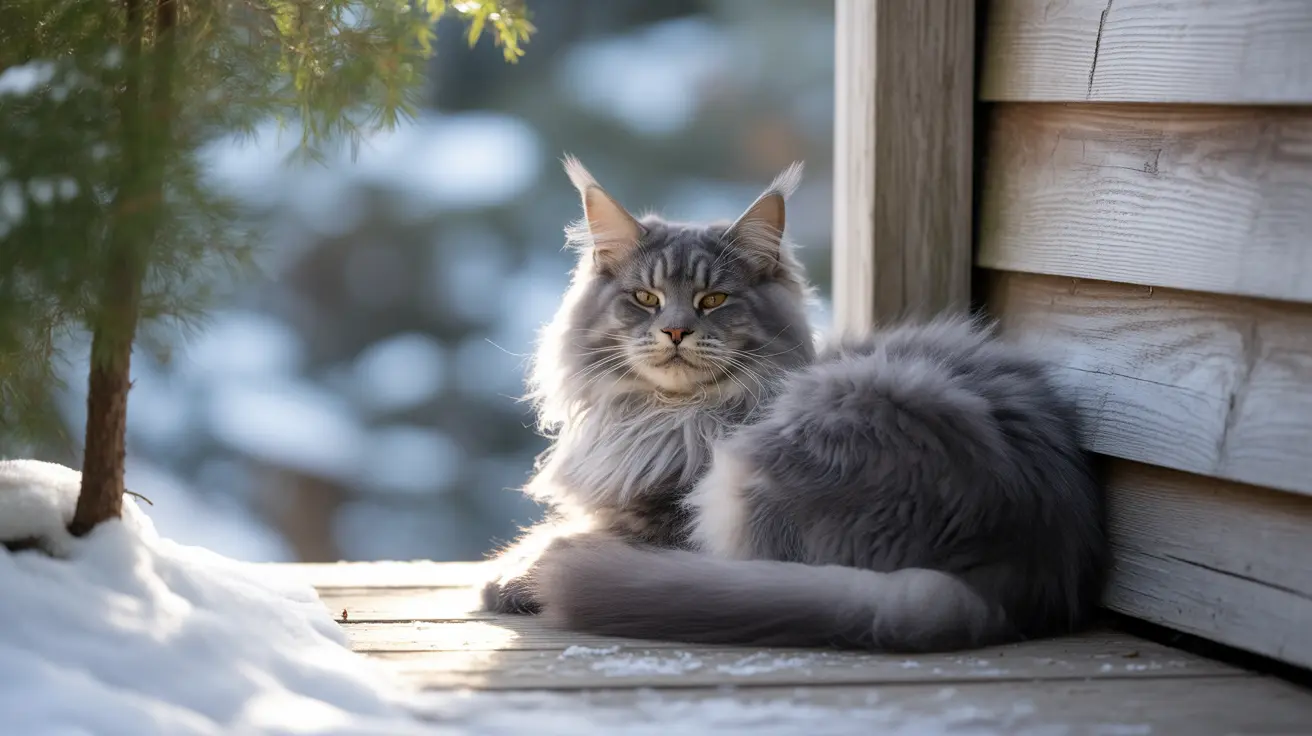
Breeds like the Maine Coon and Norwegian Forest Cat are known for cold tolerance. They have dense fur and large paws that work like snowshoes.
- Maine Coon: Thick fur and large size
- Norwegian Forest Cat: Water-resistant coat
- Siberian Cat: Dense triple-layered fur
- British Shorthair: Stocky build with dense fur

Credit: www.reddit.com
Risks Of Cold Exposure
Cats can face serious dangers in very cold weather. Their bodies may not handle freezing temperatures well. Cold exposure can cause health problems that need quick care.
Knowing the risks helps pet owners protect their cats. Cold can harm cats in many ways, from mild discomfort to severe illness.
Hypothermia And Frostbite
Hypothermia happens when a cat’s body temperature drops too low. This can slow their heart rate and breathing. Cats become weak and may lose consciousness.
Frostbite is damage to the skin and tissues from freezing. It usually affects ears, paws, and tail. The skin turns pale or blue and feels cold or hard.
- Hypothermia signs: shivering, slow movement, weak pulse
- Frostbite signs: pale skin, swelling, pain in cold areas
- Both need fast veterinary care to prevent serious harm
Health Issues From Prolonged Cold
Long exposure to cold can cause other health problems in cats. It lowers their immune system and increases infection risk. Cats may also suffer from dehydration and malnutrition.
Cold stress can worsen arthritis and other chronic conditions. Older and sick cats are more at risk. Protecting cats from long cold exposure is very important.
- Weakened immune system leads to more infections
- Dehydration can occur if cats drink less water
- Malnutrition happens if cats cannot find food
- Chronic illnesses may get worse in cold weather
Indoor Safety Tips
Cats can feel cold just like people. Keeping them safe indoors is very important during cold weather.
Providing warm and cozy places helps cats stay comfortable and healthy when it is very cold outside.
Creating Warm Spaces
Set up warm areas in your home where your cat can rest. Choose quiet spots away from drafts.
Use blankets and soft cushions to make these spaces cozy. Place them near heaters but not too close.
- Pick sunny windowsills for natural warmth
- Block cold air from doors and windows
- Use heated pads made for pets if available
Proper Bedding And Shelter
Good bedding keeps your cat warm through cold nights. Use thick blankets or pet beds with high sides.
Make sure the bedding is dry and clean. Change it regularly to avoid dampness that can make cats cold.
- Choose materials like fleece or wool for bedding
- Elevate beds off cold floors if possible
- Provide a covered shelter for extra protection

Credit: www.reddit.com
Outdoor Protection Strategies
Cats can face serious risks in very cold weather. Protecting them outdoors is important to keep them safe and warm.
Some simple strategies help reduce cold exposure and prevent health issues. Let’s look at two key ways to protect cats outside.
Limiting Outdoor Time
Keep outdoor time short during cold days. This helps lower the chance of frostbite and hypothermia.
- Bring cats inside if temperature drops below freezing.
- Watch for signs of cold stress like shivering or slow movements.
- Allow outdoor play only during the warmest part of the day.
- Provide a warm shelter nearby for quick rest if needed.
Using Protective Clothing
Protective clothing can help keep cats warm outside. Choose items that fit well and do not restrict movement.
| Clothing Type | Benefits |
| Cat Sweaters | Provide warmth without bulk |
| Booties | Protect paws from ice and salt |
| Waterproof Jackets | Keep fur dry in snow or rain |
Nutrition And Hydration
Cold weather makes cats need more energy to keep warm. Their food and water habits must change to help them stay healthy. Proper nutrition and hydration are key to surviving freezing temperatures.
Cats burn more calories in cold weather. They also need fresh water that does not freeze. Owners should adjust feeding and watering routines to meet these needs.
Feeding For Energy Needs
Cold weather raises a cat’s calorie needs. Feed your cat foods that provide extra energy. Protein and fat are very important for warmth and strength.
- Give meals with higher fat content to provide more calories.
- Include high-quality protein to support muscle and body heat.
- Feed smaller, frequent meals to keep energy steady.
- Offer wet food to help with hydration and warmth.
- Consult your vet to adjust diet for outdoor or indoor cats.
Ensuring Water Doesn’t Freeze
Water is vital in cold weather but can freeze quickly. Cats need fresh water that stays liquid. Use these tips to keep their water safe and accessible.
| Method | Description |
| Heated Water Bowls | Use bowls with built-in heaters to prevent freezing. |
| Frequent Water Changes | Replace water multiple times a day to keep it fresh. |
| Insulated Bowls | Use insulated or covered bowls to slow freezing. |
| Indoor Water Access | Provide water inside the house if outside bowls freeze. |
| Check Water Temperature | Test water often to ensure it is not frozen. |
Recognizing Cold-related Symptoms
Cold weather can be dangerous for cats. They may not show signs clearly at first.
Knowing how to spot symptoms of cold stress helps you protect your pet.
Signs Of Hypothermia
Hypothermia happens when a cat’s body temperature drops too low. Watch for these signs:
- Shivering or trembling
- Slow or shallow breathing
- Weakness and lack of coordination
- Cold, pale ears and paws
- Stiff muscles or lethargy
- Slow heartbeat
- Unresponsiveness or unconsciousness in severe cases
When To Seek Veterinary Help
If you notice these signs, get veterinary help fast. Early treatment is vital.
| Symptom | Action to Take |
| Shivering | Warm the cat gently and monitor |
| Slow breathing or heartbeat | Go to the vet immediately |
| Lethargy or unresponsiveness | Call the vet for emergency care |
| Cold ears or paws | Keep cat indoors and warm |
Emergency Preparedness
Cats can suffer in very cold weather if they are not protected. Preparing for cold weather emergencies helps keep cats safe. Knowing how to act quickly can save their lives.
Cold weather can cause health problems for cats. It is important to have a plan and supplies ready. This helps cats stay warm and healthy during winter.
First Aid For Cold Exposure
Cold exposure can cause frostbite and hypothermia in cats. Watch for signs like shivering, weakness, or pale skin. Act fast if you notice these signs.
Move the cat to a warm place immediately. Use warm towels or blankets to gently warm the cat. Do not use hot water or heating pads that may burn the skin.
- Check the cat’s breathing and heartbeat
- Wrap the cat in warm blankets
- Offer warm (not hot) water to drink if the cat is alert
- Contact a veterinarian as soon as possible
Essential Supplies For Winter
Having the right supplies helps protect cats in winter. These items keep cats warm and safe during cold weather.
- Warm blankets and towels for shelter
- Heating pads designed for pets
- Food and fresh water to maintain energy
- Insulated shelter or cat house
- First aid kit for emergencies
- Extra bedding to keep cats dry and warm
Frequently Asked Questions
Can Cats Survive In Freezing Temperatures?
Yes, cats can survive cold weather but are vulnerable to hypothermia. They need shelter, warmth, and proper care to stay safe during freezing temperatures.
How Do Cats Stay Warm In Cold Weather?
Cats use thick fur, body heat, and seek sheltered spots to stay warm. They often curl up to conserve heat and avoid wind exposure.
Should Outdoor Cats Be Brought Inside During Cold?
Bringing outdoor cats inside during cold weather is recommended. It protects them from frostbite, hypothermia, and harsh elements, ensuring their health and safety.
What Signs Show A Cat Is Too Cold?
Shivering, lethargy, cold ears, and hiding are signs a cat is too cold. Immediate warmth and shelter are necessary to prevent serious health issues.
Conclusion
Cats can survive cold weather but need extra care and shelter. Their thick fur helps, yet long exposure is risky. Always provide warm places and fresh water. Watch for signs of cold stress or illness. Keeping cats safe means watching the weather closely.
Protect your pet to help them stay healthy and happy. Cold days call for kindness and attention to their needs. Simple steps make a big difference in cold weather survival.