Can a Virus Survive in Cold Weather: Shocking Truth Revealed
Have you ever wondered why the flu seems to rear its ugly head every winter? Or why your nose runs more when the temperature drops?
If you’ve ever suspected that viruses thrive in cold weather, you’re not alone. The relationship between viruses and chilly temperatures is a topic that piques curiosity and concerns, especially when you’re trying to keep yourself and your loved ones healthy.
Understanding how viruses behave in the cold can not only help you stay informed but also empower you to make smarter decisions for your health. Ready to uncover the truth? Let’s dive into the fascinating world of viruses and their frosty survival tactics.

Credit: www.theguardian.com
Virus Behavior In Cold Weather
Viruses can act differently depending on the weather. Cold weather affects how long viruses survive outside the body. Understanding this helps us stay safe during winter.
Some viruses become more active in cold weather. Others may slow down or disappear. Let’s explore how temperature affects viruses and what happens with cold and flu viruses in winter.
How Temperature Affects Viruses
Cold temperatures can help some viruses live longer on surfaces. This means they can spread more easily. Warm temperatures often reduce a virus’s survival time.
Low temperatures also affect the virus’s outer layer. It can stay stable longer when it is cold. This helps the virus keep its shape and infect people.
- Cold air slows virus breakdown
- Viruses can survive hours or days longer in cold
- Warm air and sunlight usually weaken viruses faster
Common Cold And Flu Viruses In Winter
Cold and flu viruses spread more in winter. People stay inside close together. This helps viruses move from person to person.
The cold air also makes our noses dry. This can lower our body’s defense against viruses. That is why colds and flu happen more in cold months.
- Flu viruses survive longer in cold, dry air
- People spend more time indoors in winter
- Dry air weakens the body’s ability to fight viruses
Credit: uk.style.yahoo.com
Virus Survival Mechanisms
Viruses are tiny germs that can live outside the body. They use special ways to stay alive in cold weather.
Understanding how viruses survive helps us prevent infections during cold seasons.
Protective Viral Structures
Some viruses have outer shells that protect them from cold and drying out. These shells are called envelopes.
Viruses with strong shells stay alive longer in cold places than those without.
- Envelope viruses have a fatty layer that helps them survive.
- Non-envelope viruses rely on tough protein coats.
- Stronger shells block damage from cold and dryness.
Role Of Humidity And Cold
Cold air often has low humidity, which helps some viruses stay alive longer. Dry air stops water from damaging the virus.
High humidity can hurt viruses by making them swell and break. Cold slows down virus decay, helping them survive.
- Low humidity + cold = longer virus survival
- High humidity can reduce virus lifespan
- Cold slows virus breakdown
Scientific Studies On Virus Longevity
Viruses can survive outside a host for different times. Cold weather affects how long viruses live on surfaces.
Scientists study viruses in labs and in real life to learn how cold impacts their survival.
Laboratory Findings
Lab tests show many viruses last longer at low temperatures. Cold slows down virus decay and damage.
Some studies kept viruses on surfaces at different temperatures. Viruses stayed active for days in cold.
- Influenza virus survives longer at 4°C than at 37°C
- Cold temperatures protect virus shape and proteins
- Viruses on frozen surfaces can stay infectious for weeks
Real-world Observations
In cold climates, virus outbreaks often last longer. Low temperatures help viruses stay alive outside bodies.
Studies in winter show more virus spread and longer survival on objects like door handles and phones.
- Flu spreads more during cold months
- Viruses found on surfaces last longer in cool, dry air
- Cold weather slows virus breakdown outdoors
Impact Of Cold Weather On Virus Transmission
Cold weather can change how viruses spread among people. Some viruses survive longer in low temperatures.
Understanding these effects helps us stay safe during cold seasons.
Indoor Crowding Effects
People spend more time indoors during cold weather. This causes crowded spaces with poor air flow.
Crowding makes it easier for viruses to move from person to person.
- Close contact increases virus spread
- Shared surfaces help virus transmission
- Limited ventilation traps virus particles
Reduced Immune Response
Cold weather can weaken the immune system. The body may not fight viruses as well.
Lower immune response means higher risk of catching infections.
- Less sunlight reduces vitamin D levels
- Dry air affects nose and throat defenses
- Cold stress lowers white blood cell activity
Debunking Myths About Cold And Viruses
Many people believe cold weather makes viruses stronger or causes illness. This is not true. Viruses behave differently in cold conditions, but cold itself does not create sickness.
Understanding how viruses survive in cold weather helps us avoid wrong ideas. This article explains common myths and facts about cold and viruses.
Can Cold Itself Cause Illness?
Cold weather alone does not cause illness. Illness happens when viruses or bacteria enter your body. Being cold does not create these germs.
Sometimes people catch colds in winter because they spend more time indoors near others. This close contact spreads viruses faster, not the cold air.
Misconceptions About Freezing Temperatures
Freezing temperatures do not kill all viruses. Some viruses survive well in cold and low humidity. They can stay active on surfaces for days.
Cold can slow down virus activity, but it does not stop infections. Washing hands and avoiding close contact remain the best protection.
- Viruses like flu survive longer on cold surfaces
- Freezing does not destroy all viruses
- Cold air can dry out your nose, making infection easier
- Good hygiene helps prevent virus spread, regardless of temperature
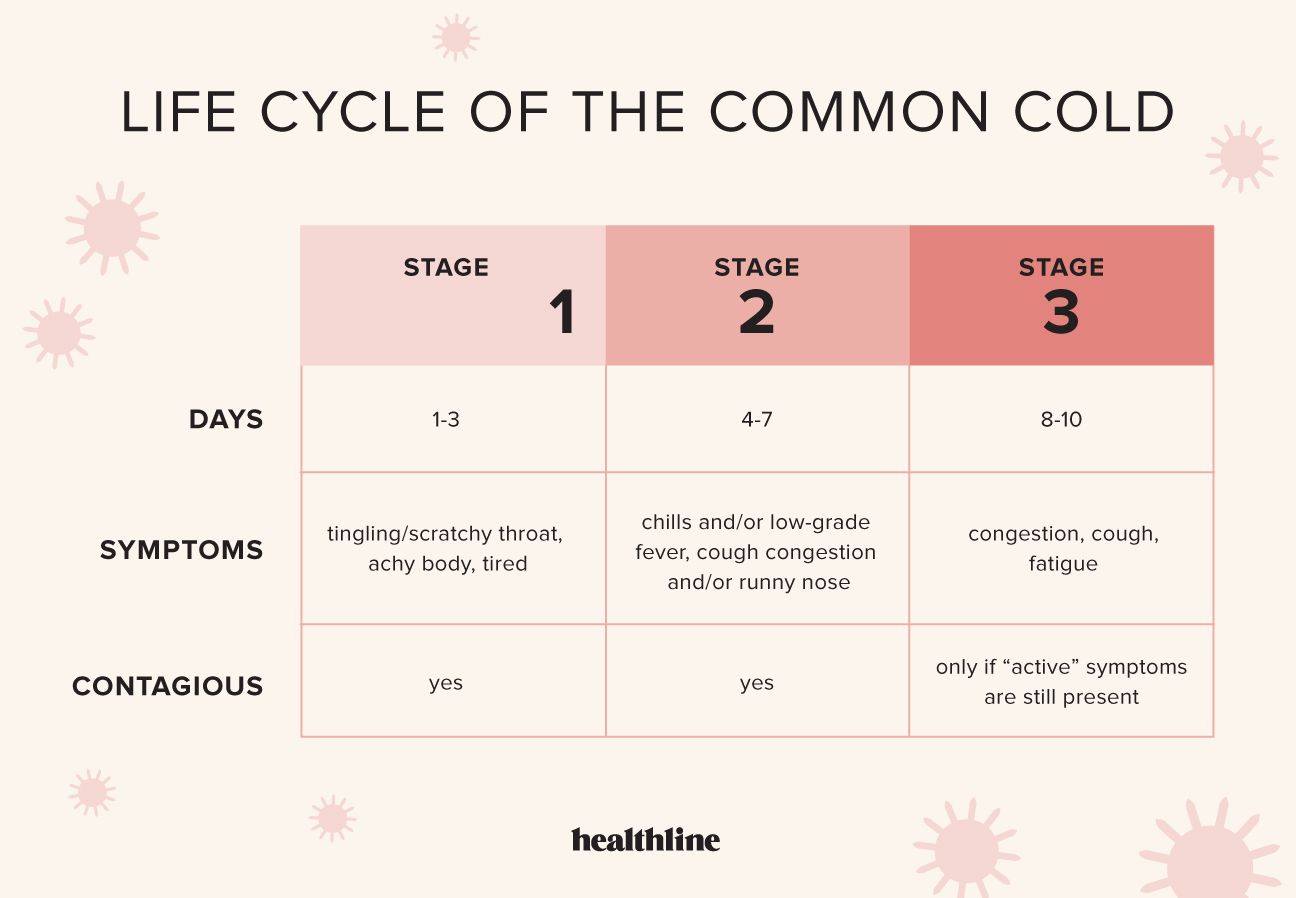
Credit: www.healthline.com
Preventing Virus Spread In Winter
Cold weather can affect how viruses survive and spread. It is important to protect yourself and others during winter months.
Simple actions can reduce the chance of catching or spreading viruses in cold conditions.
Effective Hygiene Practices
Good hygiene stops viruses from moving between people. Washing hands often and covering coughs help a lot.
- Wash hands with soap and water for 20 seconds
- Use hand sanitizer if soap is not available
- Avoid touching your face with unwashed hands
- Cover your mouth and nose when coughing or sneezing
- Clean and disinfect surfaces regularly
Vaccination And Seasonal Preparedness
Vaccines help your body fight viruses. Getting vaccinated before winter lowers illness risk.
| Preparation | Reason |
| Flu vaccine | Protects against the flu virus |
| COVID-19 vaccine | Reduces severity of infection |
| Stay home if sick | Prevents spreading viruses to others |
| Wear masks in crowded places | Limits virus spread in the air |
Frequently Asked Questions
Can Viruses Survive In Cold Weather Conditions?
Yes, many viruses can survive longer in cold weather. Low temperatures slow down their decay, allowing them to remain infectious.
Does Cold Weather Increase Virus Transmission Rates?
Cold weather can increase virus spread as people stay indoors. Close contact in enclosed spaces helps viruses transmit more easily.
How Does Cold Affect Virus Stability On Surfaces?
Cold temperatures help viruses remain stable and infectious on surfaces for longer periods than in warm conditions.
Are Some Viruses More Resilient To Cold Than Others?
Yes, viruses like the flu and coronaviruses survive better in cold weather due to their protective outer layers.
Conclusion
Viruses can survive in cold weather, but not forever. Cold helps some viruses stay active longer. Still, warmth and sunlight can stop many viruses quickly. Staying clean and washing hands often reduces infection risks. Wearing masks and keeping distance also help during cold seasons.
Remember, cold alone does not cause illness. Protect yourself by following simple health steps. Stay safe and healthy all year round.