Can a Lighthouse Survive a Hurricane: Stunning Facts Revealed
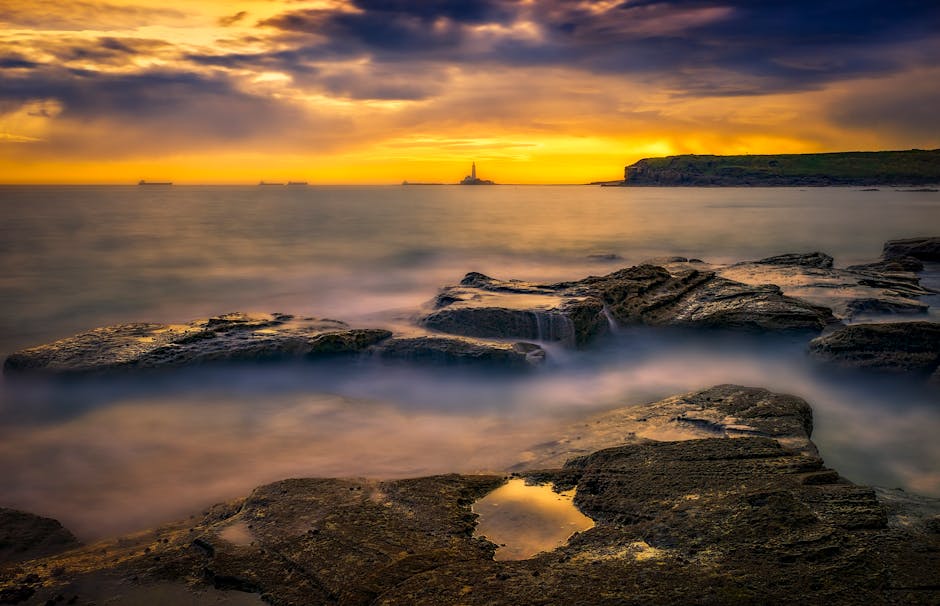
Imagine standing on a windswept cliff, the ocean roaring below and storm clouds churning above. A lighthouse stands tall, a beacon of hope in the tempest, its light piercing through the darkness.
But as a hurricane approaches, you might wonder: Can a lighthouse truly withstand such a fierce storm? This question isn’t just about the survival of a structure; it’s about the resilience of human engineering and the power of nature. You’ll discover the secrets behind these towering sentinels and how they’ve been designed to face nature’s fury.
Dive in and uncover whether the lighthouse can hold its ground when the winds howl and the waves crash.
Lighthouses In Hurricane Zones
Lighthouses stand tall along many coastlines where hurricanes occur. They guide ships safely through storms and rough seas. But can they survive the powerful winds and waves of a hurricane?
This article looks at where these lighthouses are and what materials help them stay strong during hurricanes.
Common Locations
Many lighthouses are built in areas that often face hurricanes. These places include:
- Coastal regions of the southeastern United States
- The Gulf Coast along Texas, Louisiana, and Florida
- Caribbean islands prone to tropical storms
- Parts of Central America near the Atlantic Ocean
- Eastern coasts of Mexico and Belize
These locations are chosen because ships need guidance near dangerous shores. The lighthouses help sailors avoid rocks and shallow waters during storms.
Construction Materials
Lighthouses must be built to resist strong winds and heavy rain. Different materials help them stay standing during hurricanes.
| Material | Advantages | Example Use |
| Brick | Strong and fire-resistant | Walls of older lighthouses |
| Concrete | Durable and heavy | Modern lighthouse towers |
| Steel | Flexible and resistant to impact | Frames and reinforcements |
| Stone | Very strong and weatherproof | Foundations and walls |
| Wood | Lightweight but less durable | Smaller lighthouse structures |
Many lighthouses combine these materials to get the best protection. For example, a concrete base with steel reinforcements is common.

Credit: medium.com
Structural Design Against Storms
Lighthouses stand strong against harsh storms and hurricanes. Their design helps them survive heavy winds and waves.
Engineers build lighthouses with special shapes and strong materials. These features protect them from damage during storms.
Shape And Foundation
Lighthouses usually have a round or tapered shape. This form lets wind and waves flow around them easily.
The foundation is deep and sturdy. It anchors the lighthouse to the ground and stops it from tipping over.
- Round or cone shape reduces wind pressure
- Strong base made of stone or concrete
- Deep foundation reaches solid ground or bedrock
- Heavy materials add stability against strong forces
Wind And Water Resistance
Lighthouses use thick walls to block strong winds and heavy rain. Their windows and doors are built to stay sealed tight.
Water resistance comes from smooth surfaces and good drainage. This design stops water from pooling or causing damage.
- Thick, reinforced walls withstand high wind speeds
- Small, sturdy windows reduce breakage risk
- Waterproof coatings protect walls from rain and salt
- Drainage systems prevent water buildup around the base
Historic Lighthouse Survivals
Lighthouses often stand in places where storms hit hard. Many have faced hurricanes and strong winds. Some lighthouses survived these storms for hundreds of years.
We will look at famous lighthouses that survived hurricanes. Then we will see common damage patterns they show after these storms.
Famous Cases
The Cape Hatteras Lighthouse in North Carolina has faced many hurricanes since 1870. It is known for its strong structure and tall height. Another example is the St. Augustine Lighthouse in Florida, which survived several major storms.
- Cape Hatteras Lighthouse stood firm during Hurricane Isabel in 2003.
- St. Augustine Lighthouse resisted damage from Hurricane Matthew in 2016.
- Tybee Island Lighthouse in Georgia survived Hurricane Irma in 2017.
- Port Isabel Lighthouse in Texas withstood Hurricane Harvey in 2017.
Damage Patterns
Lighthouses often suffer damage to windows, doors, and outer walls during hurricanes. Water and wind cause the most harm. The base or foundation usually remains strong if built well.
| Damage Type | Common Cause | Effect on Lighthouse |
| Window Breakage | Strong Winds | Water leaks inside |
| Wall Cracks | Storm Pressure | Structural weakening |
| Flooding | Storm Surge | Damage to lower floors |
| Foundation Shifts | Soil Erosion | Stability risks |
Modern Technology And Upgrades
Lighthouses face strong storms like hurricanes every year. Modern technology helps protect them from damage. Upgrades make lighthouses stronger and smarter.
These improvements keep lighthouses standing tall. They also help warn ships and people on land about dangers.
Reinforcement Methods
Builders use new materials to make lighthouses tougher. Steel and concrete help resist strong winds and waves.
Some lighthouses get extra support inside. This stops cracks and breaks during storms.
- Use of reinforced concrete walls
- Steel frames added inside towers
- Waterproof coatings to stop damage
- Stronger foundations dug deeper
Early Warning Systems
Modern lighthouses have sensors to detect hurricanes early. These sensors track wind speed and pressure.
Alerts send signals to nearby ships and rescue teams. Early warnings help people prepare and stay safe.
- Weather sensors monitor storms
- Automated alarms warn of danger
- Communication tools connect with coast guards
- Remote systems allow quick response
Challenges During Extreme Weather
Lighthouses face many dangers during hurricanes. Strong winds and heavy rains test their strength. These storms cause damage that is hard to fix quickly.
Understanding the main problems helps protect lighthouses better. Flooding and maintenance are two big challenges during extreme weather.
Flooding Effects
Flooding from storm surges can reach the base of a lighthouse. Water can damage the foundation and the lower walls. Saltwater causes corrosion on metal parts.
- Foundation weakening from water pressure
- Salt damage to iron and steel structures
- Electrical system failures due to water exposure
- Debris hitting and breaking windows or doors
Maintenance Difficulties
After a hurricane, repairs can be slow and costly. Roads and bridges may be damaged. This limits access for workers and equipment. Weather delays make work harder and longer.
| Maintenance Issue | Cause | Effect |
| Access to lighthouse | Damaged roads and bridges | Delays in repair work |
| Material delivery | Flooded or blocked routes | Shortage of supplies |
| Worker safety | Unstable structures and weather | Reduced workforce |
Credit: www.miamiherald.com
Role Of Lighthouses Post-hurricane
Lighthouses play an important role after a hurricane passes. They help ships find safe routes in damaged waters.
These structures often survive storms and become vital tools for rescue and recovery efforts.
Rescue And Navigation Aid
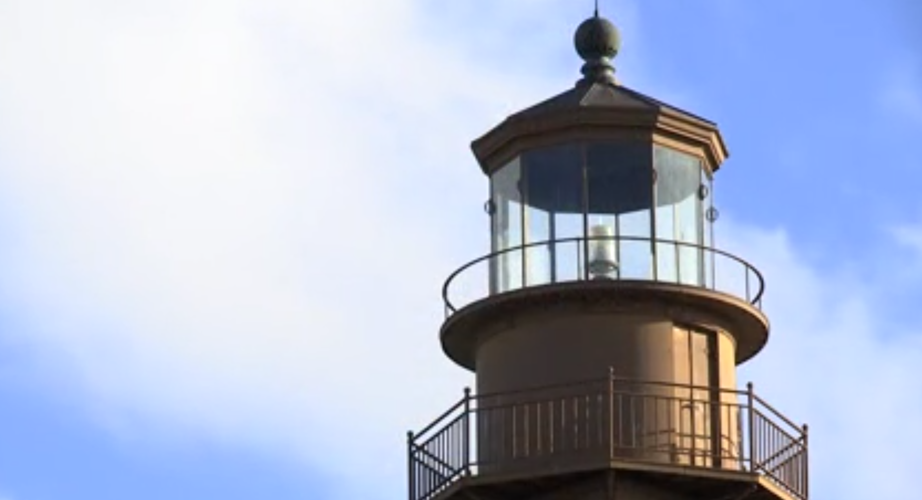
Lighthouses guide rescue teams through dangerous waters after a hurricane. They mark safe paths where debris or sandbars may block ships.
Even if some lights fail, the lighthouse towers still serve as clear landmarks from the sea.
- Help rescue boats avoid wreckage
- Mark safe channels in changed coastlines
- Provide visual signals for emergency teams
Community Impact
After hurricanes, lighthouses give hope to coastal communities. They stand as symbols of strength and safety.
Communities use lighthouses as meeting points and emergency shelters during recovery efforts.
- Serve as landmarks for rebuilding efforts
- Offer shelter and communication spots
- Boost morale by showing resilience
Credit: www.winknews.com
Frequently Asked Questions
Can A Lighthouse Withstand Hurricane-force Winds?
Yes, many lighthouses are built with strong materials and designs to endure hurricane-force winds and storms.
What Features Help Lighthouses Survive Hurricanes?
Lighthouses often have reinforced concrete, tapered shapes, and deep foundations to resist hurricane damage.
Have Lighthouses Been Destroyed By Hurricanes Before?
Some lighthouses have been damaged or destroyed, but many survive due to their sturdy construction.
How Do Lighthouses Protect Coastal Areas During Hurricanes?
They provide crucial navigation guidance, helping ships avoid dangerous areas during severe storms and hurricanes.
Conclusion
Lighthouses stand strong against fierce hurricane winds. Their thick walls and solid bases help them resist damage. These towers are built to protect ships and guide sailors safely. Still, some storms can cause serious harm to even these sturdy structures.
Repairs and maintenance keep lighthouses ready for future storms. Their survival shows human skill and nature’s power. In the end, lighthouses remain symbols of safety and hope by the sea.