Imagine you’re out in the wild, savoring the beauty of nature, when suddenly, you find yourself face-to-face with a wild animal. It’s a situation no one wants to be in, but knowing how to survive an animal attack can make all the difference.
This blog is your essential guide to staying safe and making it back home to tell the tale. You might think it’ll never happen to you, but being prepared is key. Understanding animal behavior, knowing which actions to avoid, and learning how to react could be your lifeline.
Curious about the simple yet effective strategies that could save your life? Keep reading to discover the expert tips that can transform your outdoor adventures from potentially dangerous encounters to safe and memorable experiences.
Common Dangerous Animals
Understanding common dangerous animals is key to staying safe outdoors. These animals can pose threats in different ways. Some attack with sharp teeth and claws. Others use venom to defend themselves. Even certain plant-eating animals can become aggressive if provoked. Knowing which animals to watch for helps you avoid risks and react properly.
Predators To Watch Out For
Predators hunt for food and can be very dangerous. Big cats like lions, tigers, and leopards rely on stealth and speed. Bears are strong and can attack if surprised or threatened. Wolves and wild dogs hunt in packs and may chase prey relentlessly. Stay alert in areas where these animals live.
- Lions: Use powerful jaws and sharp claws.
- Tigers: Silent hunters, often attack from behind.
- Bears: Can run fast and have a strong swipe.
- Wolves: Hunt in groups and chase prey.
Venomous Creatures
Venomous animals inject poison through bites or stings. Their venom can cause pain, paralysis, or death. Snakes like rattlesnakes and cobras are common venomous threats. Spiders such as black widows and brown recluses also pose risks. Always watch your step and avoid disturbing these creatures.
- Rattlesnakes: Warning rattles before striking.
- Cobras: Can spit venom to blind enemies.
- Black widow spiders: Small but highly venomous.
- Brown recluse spiders: Venom causes skin damage.
Aggressive Herbivores
Some plant-eaters can attack aggressively if they feel threatened. Animals like elephants, hippos, and buffalo are large and strong. They may charge to protect themselves or their young. Deer and moose can also become dangerous during mating seasons. Respect their space and avoid sudden movements.
- Elephants: Use tusks and trunks to defend.
- Hippos: Very territorial and fast on land.
- African buffalo: Known for unpredictable charges.
- Moose: Can attack with hooves and antlers.
Preventing Animal Encounters
Preventing animal encounters is your first line of defense against dangerous situations in the wild. Understanding how to minimize the chances of crossing paths with wildlife can keep you safe and your outdoor experience enjoyable. Small choices made before and during your adventure can make a big difference in avoiding unwanted interactions.
Choosing Safe Locations
Pick areas known for low wildlife activity, especially if you’re new to outdoor exploration. Research parks and trails that have clear signs about animal sightings or warnings. Avoid dense brush or thick forests where animals may hide, particularly during dawn and dusk when many animals are most active.
Think about the time of year, too. Some places attract animals seasonally, like bears during berry season or deer during rutting periods. Have you checked local wildlife reports before heading out? This simple step can save you from walking into trouble.
Avoiding Attractants
Animals are often drawn by food smells and trash. Never leave food scraps or wrappers behind, and store your snacks in sealed containers or bear-proof canisters. Avoid wearing strong perfumes or lotions that might pique an animal’s curiosity.
Camping? Keep your cooking and eating areas separate from your sleeping spot by at least 100 yards if possible. This reduces the chances of animals associating your tent with food. Remember, your careful habits can prevent animals from becoming bold or aggressive around humans.
Staying Alert Outdoors
Stay aware of your surroundings at all times. Use your eyes and ears to spot signs of animals, like tracks, droppings, or rustling bushes. Carry a whistle or bear spray if you’re in known wildlife territories—it’s better to be prepared.
Don’t rely solely on headphones or distractions while hiking. Have you ever been so caught up in music that you missed a nearby animal? Keep your senses sharp to notice changes in the environment early, giving you time to react calmly.
Responding To Attacks
Responding quickly and correctly during an animal attack can save your life. Staying calm and knowing what to do reduces panic. Focus on protecting yourself and escaping danger.
Defensive Actions Against Predators
Stand tall and make yourself look bigger. Do not run or turn your back. Maintain eye contact with the animal. Use a loud, firm voice to scare it away. Slowly back away without sudden moves. Protect your neck and face with your arms.
Dealing With Bites And Stings
Clean the wound immediately with soap and water. Apply pressure to stop bleeding. Use a cold pack to reduce swelling. Avoid squeezing the wound to prevent infection. Seek medical help quickly for deep or serious bites. Watch for signs of allergic reactions like swelling or difficulty breathing.
Using Tools And Weapons
Carry items like sticks, pepper spray, or whistles outdoors. Use sticks to keep the animal at a distance. Pepper spray can deter aggressive animals effectively. Blow whistles loudly to attract attention and scare the animal. Throw small objects to distract, not to hurt. Always aim to escape, not to fight.

Credit: www.amazon.ca
First Aid After Animal Bites
Animal bites can cause serious injuries and infections. Knowing how to give first aid after an animal bite is crucial. Quick and proper care reduces pain and prevents complications. The right steps help your body heal faster and lower health risks.
Cleaning And Dressing Wounds
Start by washing your hands well. Rinse the bite area gently with clean water. Use mild soap around the wound, but avoid harsh scrubbing. Remove dirt and debris carefully to stop infection.
After cleaning, dry the wound softly with a clean cloth. Apply an antibiotic ointment to protect against germs. Cover the wound with a sterile bandage or dressing. Change the dressing daily or if it gets wet or dirty.
Recognizing Infection Signs
Watch the wound for redness or swelling. Warmth around the bite can mean infection. Pus or bad smell also shows infection may be present. Pain that gets worse over time is a warning sign.
Fever or chills mean the infection might be spreading. Look for red streaks near the bite, which signals a serious infection. Keep monitoring the wound for changes each day.
When To Seek Medical Help
Seek medical help if the bite is deep or bleeding heavily. If the animal was wild or unknown, see a doctor quickly. Tetanus shots or rabies vaccines might be needed.
Go to the hospital if you notice infection signs. Also, get help if you feel weak, dizzy, or have a fever. Medical care is important for proper wound treatment and prevention of illness.
Training And Preparedness
Training and preparedness are your best defenses against animal attacks. They help you react quickly and confidently when faced with danger. Without proper preparation, panic can take over, making even simple actions difficult.
Self-defense Techniques
Learning how to protect yourself physically is crucial. Basic moves like using your arms to shield your neck or targeting sensitive areas such as eyes and nose can stop an aggressive animal. Practice these techniques regularly so they become natural under stress.
Have you ever tried practicing these moves with a partner or in a controlled environment? It builds muscle memory, which is key during a real encounter. Remember, staying calm and deliberate often prevents escalation.
Carrying Safety Gear
Carrying the right tools can make a huge difference. Items like pepper spray designed for animals, a sturdy walking stick, or even a whistle can deter threats effectively. Make sure you know how to use them properly before heading out.
Think about your usual outdoor spots: Are you prepared with the right gear for those specific environments? Adjust what you carry based on the wildlife you might encounter. It’s better to be over-prepared than caught off guard.
Emergency Communication
Having a way to call for help is essential. Carry a fully charged phone, a GPS device, or an emergency beacon if you are in remote areas. Quick communication can save your life by alerting others to your situation.
Do you have emergency numbers saved and easily accessible? Consider sharing your location with a trusted contact before setting off. This small step can ensure help arrives faster if something goes wrong.
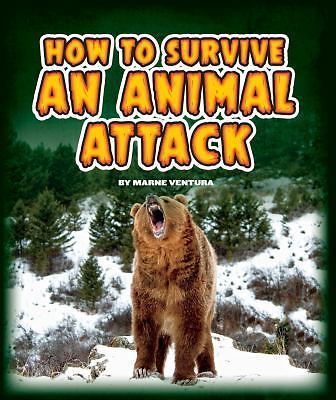
Credit: www.ebay.com

Credit: armycadets.com
Frequently Asked Questions
What Are The First Steps During An Animal Attack?
Stay calm and avoid sudden movements. Slowly back away if possible. Use any available object to protect yourself. Do not run unless you can safely escape.
How Can I Prevent Animal Attacks In The Wild?
Stay alert and avoid surprising animals. Make noise while hiking. Keep food sealed and stored properly. Respect wildlife and maintain a safe distance.
What Should I Do If A Predator Attacks Me?
Fight back using any tools or limbs. Aim for sensitive areas like eyes or nose. Make loud noises to scare it away. Seek immediate medical help after the encounter.
How To Treat Animal Bite Wounds Safely?
Clean the wound immediately with soap and water. Apply antiseptic and cover with a clean bandage. Seek medical attention promptly to prevent infection. Monitor for signs of rabies or other infections.
Conclusion
Staying calm helps you think clearly during an animal attack. Always know your surroundings and keep a safe distance. Use loud noises or objects to scare animals away. Protect vital areas like your neck and face if attacked. Running may trigger a chase, so stay still when needed.
Remember, prevention is the best defense. Learning how to react saves lives. Practice these tips to stay safe outdoors. Your awareness and quick actions make the difference. Stay alert, stay safe, and respect wildlife.