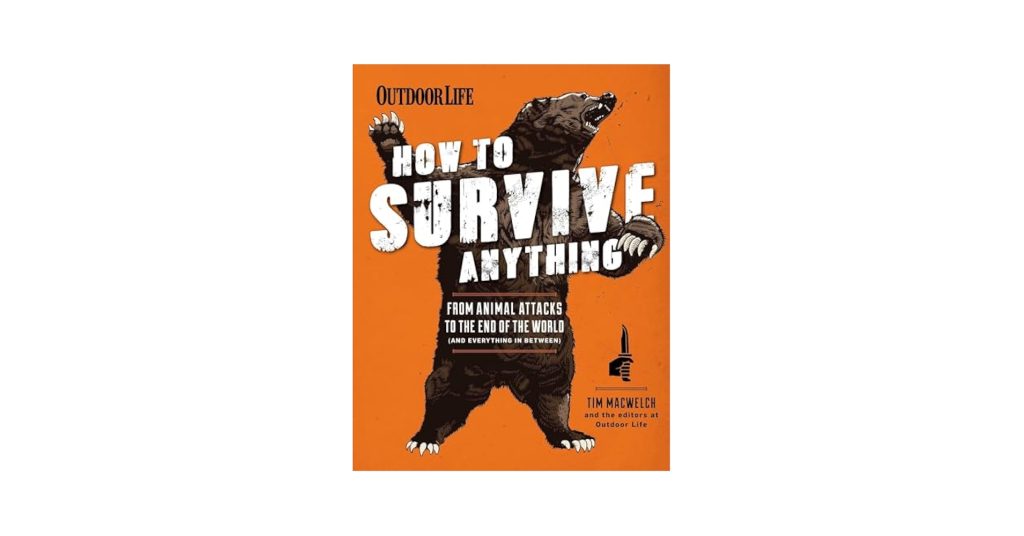
Picture this: You’re hiking in the wilderness, the fresh air filling your lungs, the beauty of nature all around you. Suddenly, you hear a rustle in the bushes, and your heart skips a beat.
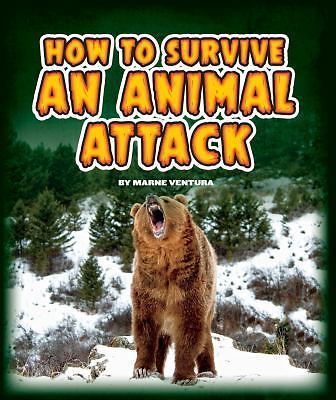
What would you do if faced with a wild animal? Knowing how to react could be the difference between danger and safety. That’s where the “How to Survive Animal Attacks Book” comes in. This guide is your essential companion for staying safe in the great outdoors.
Imagine having the confidence to handle any encounter with wildlife. Intrigued? Keep reading to discover how this book can empower you to face nature’s challenges head-on.

Credit: www.amazon.com
Types Of Animal Attacks
Understanding the different types of animal attacks can prepare you to react appropriately and increase your chances of survival. Not every animal attack is the same; the motives behind them vary greatly. Knowing these distinctions helps you read the situation better and choose the right response.
Predatory Attacks
Predatory attacks occur when an animal views you as prey. These are often silent and calculated, with the animal stalking before striking. Big cats like lions or tigers and some large reptiles are known for this type of attack.
Recognizing signs like intense eye contact or slow, deliberate movements can alert you early. If you find yourself targeted, try to appear larger, make noise, and avoid running—this can disrupt their hunting instinct. Have you ever wondered how your body language can change the outcome of such a tense moment?
Defensive Attacks
Defensive attacks happen when an animal feels threatened or cornered. Here, the animal’s goal is to protect itself, its young, or its food. Bears and snakes often attack defensively when surprised or provoked.
Backing away slowly without sudden movements can reduce the risk of escalating the attack. Carrying deterrents like bear spray can provide a crucial advantage. What would you do if you accidentally stumbled upon a mother bear with cubs?
Territorial Aggression
Territorial aggression occurs when an animal perceives you as an intruder in its space. This attack is about defending territory rather than hunting or self-defense. Dogs, wild boars, and some birds display this behavior.
Respecting animal boundaries and avoiding known nesting or den areas can help prevent these attacks. If confronted, stay calm and avoid direct eye contact, which might be seen as a challenge. Have you noticed how some animals react fiercely just to keep you out of their home turf?
Credit: www.ebay.com
Preparing For Wildlife Encounters
Encountering wildlife can be both thrilling and dangerous. Being prepared helps you stay calm and safe during these moments. Understanding how to get ready for wildlife encounters can make all the difference in your survival.
Essential Gear To Carry
Carrying the right gear is your first line of defense. Items like bear spray, a whistle, and a sturdy flashlight can help you avoid or manage unexpected animal encounters. Don’t forget a first aid kit tailored to bites and stings, which might be overlooked but is crucial.
Think about your last outdoor trip—did you carry anything that could have helped if an animal showed up? Packing smart means considering the specific wildlife in the area and preparing accordingly.
Recognizing Animal Signs
Animals leave clues about their presence. Tracks, scat, and broken branches can all signal that wildlife is nearby. Learning to identify these signs can help you avoid dangerous areas before you see the animal.
Have you ever noticed fresh footprints or heard unusual sounds while hiking? These signs should prompt you to stay alert and possibly change your route. Paying attention to your surroundings can prevent surprise encounters.
Planning Safe Routes
Choosing your path carefully reduces the chances of running into wildlife unexpectedly. Stick to well-used trails and avoid dense brush where animals may hide. Planning your route with wildlife habitats in mind keeps you one step ahead.
Before heading out, research the area’s common wildlife and their active times. Would you hike at dawn if you knew bears were most active then? Planning safe routes means thinking like the animals you might meet.
Behavioral Responses To Attacks
Understanding how to behave during an animal attack can save your life. Animals react to threats based on their instincts. Your actions can either calm them or provoke more aggression. Learning the right behavioral responses helps you stay safer in dangerous situations.
Staying Calm Under Pressure
Keeping calm slows your heart and breathing. It helps you think clearly and act wisely. Panic makes you move fast and loud, which may scare animals. Take slow, deep breaths to steady yourself. Focus on the animal and your surroundings. Calmness can reduce the chance of attack.
Body Language To Avoid
Animals read body language better than words. Avoid sudden movements that look like a threat. Do not stare directly into the animal’s eyes. This can be seen as a challenge. Avoid turning your back or running away fast. These signals can trigger chasing or attacking instincts.
When To Fight Or Flee
Some animals attack only if they feel trapped. Others may stop if you show you are bigger or stronger. Fighting back can work against certain animals like bears or big cats. Running away can help if the animal is slow or distracted. Know the specific animal’s behavior before deciding to fight or flee.
Survival Techniques By Animal
Facing a wild animal can be terrifying, but knowing the right survival techniques tailored to each species can make all the difference. Different animals react in unique ways, so your response needs to be just as specific. Understanding these survival techniques by animal helps you stay calm and act effectively under pressure.
Bear Attack Strategies
Bears are powerful and fast, but they rarely attack without warning. If you encounter a bear, stay calm and avoid sudden movements.
- Do not run:Bears can easily outrun you. Instead, back away slowly while speaking softly.
- Use bear spray:This is your best defense. Aim for the bear’s face if it charges.
- If attacked by a grizzly:Play dead. Lie flat on your stomach with your hands clasped behind your neck.
- If attacked by a black bear:Fight back aggressively using any object or your fists.
I once witnessed a hiker survive a black bear encounter by shouting loudly and using sticks to fend it off. Staying loud and assertive can confuse the animal and buy you time.
Snake Bite Responses
Snake bites are emergencies that require quick, calm action. Knowing how to respond can prevent serious complications.
- Move away slowly:Avoid startling the snake further.
- Keep the bitten area still:This slows venom spread.
- Remove tight clothing or jewelry:Swelling can occur rapidly.
- Seek medical help immediately:Do not try to suck out venom or use a tourniquet.
Remember, not all snakes are venomous. But if you’re unsure, treat every bite as dangerous. Have you prepared a snakebite kit for your outdoor trips?
Big Cat Confrontations
Big cats like mountain lions and leopards are stealthy predators. Your reaction can decide your fate.
- Do not run:Sudden movement triggers chase instincts.
- Make yourself look bigger:Raise your arms or open your jacket wide.
- Maintain eye contact:Avoid turning your back or looking away.
- If attacked:Fight back using any available object, aiming for the face and eyes.
On a hiking trip, I once saw a fellow hiker raise his hiking poles when a mountain lion approached. The animal backed off, proving that confidence and presence matter. What would you grab first in such a situation?
Insect And Arachnid Stings
Insect and spider stings can range from mild irritation to life-threatening reactions. Knowing how to respond quickly is vital.
- Remove the stinger if visible:Use a flat object, not tweezers, to avoid squeezing venom.
- Clean the area:Wash with soap and water to prevent infection.
- Apply a cold pack:This helps reduce swelling and pain.
- Monitor for allergic reactions:Seek emergency help if you experience difficulty breathing or swelling beyond the sting site.
Once, a friend got stung by a wasp during a camping trip. Thanks to quick removal and cold compress, the swelling was minimal. Do you carry an epinephrine injector if you have allergies?
First Aid After An Attack
First aid after an animal attack is critical for survival and recovery. Immediate care can reduce pain, stop bleeding, and lower infection risks. Knowing basic steps helps you act quickly and calmly.
Treating Wounds And Bites
Stop the bleeding by applying gentle pressure with a clean cloth. Avoid using dirty materials that can cause infection. Clean the wound with clean water to remove dirt and saliva. Do not scrub hard; this may cause more damage. Cover the wound with a sterile bandage to protect it.
Preventing Infection
Animal bites carry a high risk of infection. Use antiseptic wipes or solutions to clean the wound well. Change bandages regularly to keep the area dry and clean. Watch for signs of infection such as redness, swelling, or pus. Keep the injured area elevated to reduce swelling.
Seeking Medical Help
Seek medical help immediately for deep wounds or heavy bleeding. Tell the doctor about the animal involved and your vaccination history. You may need antibiotics or a tetanus shot. Rabies vaccination might be necessary depending on the animal type. Follow the doctor’s advice for wound care and medication.
Long-term Safety Tips
Long-term safety in the wild demands more than quick reactions; it requires consistent habits and smart choices. Staying safe from animal attacks is about understanding your environment and preparing for the unexpected every time you step outside. Let’s break down some practical ways to keep yourself protected over the long haul.
Avoiding High-risk Areas
Knowing where animals are most likely to be active helps you steer clear of danger zones. Certain trails, watering holes, or dense forests can be hotspots for wildlife encounters. If you’ve ever found yourself face-to-face with a wild animal, you know how quickly fear can take over—avoiding these places reduces the chance of that happening.
Check local advisories about animal activity before heading out. Pay attention to signs like fresh tracks, scat, or sounds that indicate recent wildlife presence. Choose well-traveled paths and open areas where you can spot animals from a distance.
Educating Yourself On Local Wildlife
Understanding the behavior of animals in your area transforms fear into confidence. Different species react in unique ways when threatened—knowing these reactions helps you respond correctly. For example, knowing that playing dead can deter some bear species might just save your life.
Read up on animal habits, feeding times, and warning signs. Talk to park rangers or local experts about recent sightings and common encounters. The more you know, the better you can predict and avoid risky situations.
Using Technology For Safety
Technology can be your best ally in the wild. GPS devices and wildlife tracking apps help you stay aware of your surroundings and avoid dangerous areas. Imagine receiving an alert about a cougar sighting nearby before you even spot it—technology gives you that edge.
Carry a whistle, personal alarm, or bear spray, and learn how to use them effectively. Even a simple smartphone flashlight can deter some animals when used suddenly. Don’t rely solely on gadgets, but use them as part of a comprehensive safety plan.

Credit: www.amazon.com
Frequently Asked Questions
What Are The Key Tips From The Book For Animal Attack Survival?
The book emphasizes staying calm, avoiding eye contact, and making yourself appear larger. It advises using deterrents and knowing each animal’s behavior. Quick, decisive action can reduce injury and increase survival chances during an attack.
How Does The Book Explain Defending Against Bear Attacks?
It details the difference between defensive and predatory bear attacks. The book suggests playing dead for defensive attacks and fighting back in predatory attacks. Carrying bear spray and knowing escape routes are also vital survival strategies.
Which Animals Are Covered In The Book For Attack Scenarios?
The book covers common dangerous animals like bears, mountain lions, snakes, and wild dogs. It explains their attack behaviors and provides tailored defense techniques for each species. This prepares readers for diverse wildlife encounters.
Does The Book Include First Aid For Animal Attack Injuries?
Yes, it offers practical first aid tips for bites, scratches, and puncture wounds. The guide stresses cleaning wounds immediately and seeking medical help. Prompt first aid can prevent infections and improve recovery outcomes.
Conclusion
Knowing how to act during animal attacks saves lives. Stay calm and use the right steps. Understanding animal behavior helps you avoid danger. Keep this book’s advice close when outdoors. Practice safety to protect yourself and others. Being prepared gives you confidence in wild places.
Remember, quick thinking can make all the difference. Stay safe and respect wildlife always.