How to Survive a Hurricane Outise: Essential Life-Saving Tips
When a hurricane is on the horizon, your heart might race with worry. It’s natural to feel overwhelmed by the thought of facing such a powerful force of nature.
But don’t panic. With the right preparation and mindset, you can navigate through the storm safely. Imagine the peace of mind knowing you and your loved ones are ready for anything. In this guide, we’ll walk you through essential tips on how to survive a hurricane outside.
You’ll discover practical steps to protect yourself and your surroundings, ensuring you stay safe even when the winds howl. Let’s dive in and arm you with the knowledge you need to face the storm with confidence.
Preparing Before A Hurricane
Preparing before a hurricane helps keep you and your family safe. Take time to plan and gather what you need. This reduces risks and stress during the storm.
Focus on three key areas: gathering emergency supplies, making an evacuation plan, and securing outdoor items. These steps make a big difference in safety.
Gathering Emergency Supplies
Having the right supplies ready can keep you safe and comfortable during a hurricane. Store enough items to last at least three days.
- Water: One gallon per person per day
- Non-perishable food items
- Flashlights with extra batteries
- First aid kit
- Battery-powered or hand-crank radio
- Medications and important documents
- Personal hygiene items
- Cash in small bills
Creating An Evacuation Plan
Know where to go if you must leave your home. Plan your route and prepare transportation. Share the plan with family members.
| Task | Details |
| Identify Shelter | Find the nearest safe shelter |
| Plan Route | Map out at least two ways to get there |
| Arrange Transport | Decide who will drive or use public transit |
| Pack Essentials | Grab emergency supplies and important items |
| Communicate | Tell family and friends about your plan |
Securing Outdoor Items
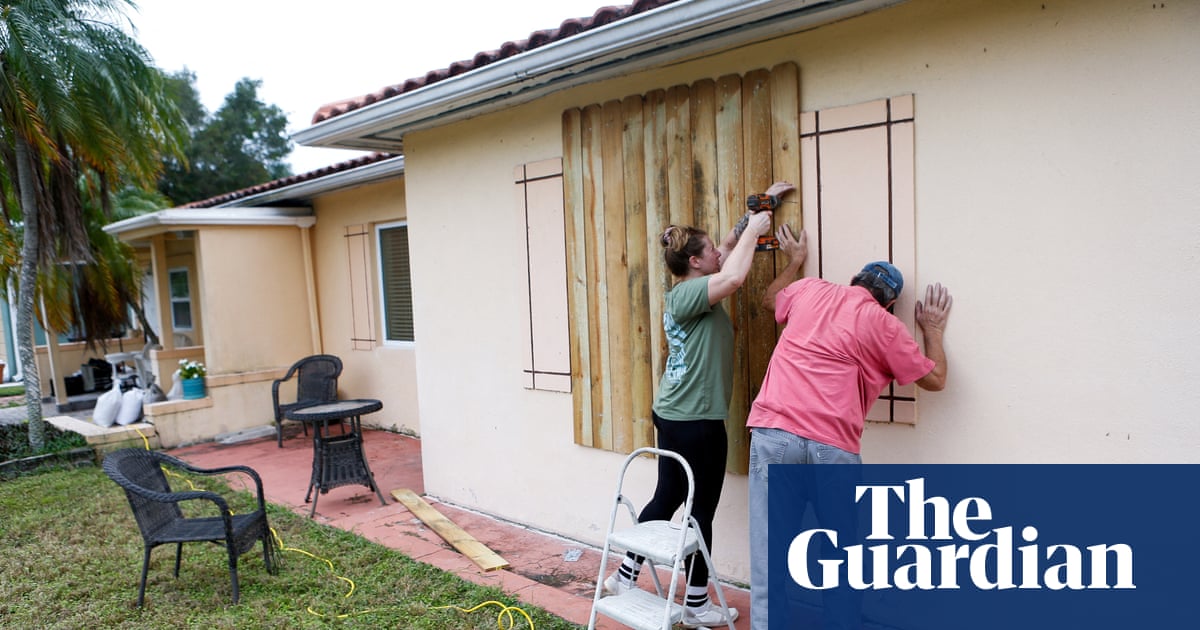
Strong winds can turn loose items into dangerous projectiles. Secure or move outdoor things before the hurricane arrives.
- Bring patio furniture inside or tie it down
- Store trash cans and recycling bins in a garage
- Trim tree branches close to your home
- Secure boats and vehicles
- Close and lock all windows and doors

Credit: x.com
Recognizing Hurricane Signs
Knowing the signs of a hurricane is important if you are outside. Early recognition helps you stay safe.
This guide explains key weather alerts and physical signs to watch for when a hurricane is near.
Weather Alerts To Watch
Weather alerts warn you about hurricanes before they arrive. Pay attention to local news and weather apps.
Common alerts include watches and warnings. Watches mean conditions are possible. Warnings mean conditions are expected.
- Hurricane Watch: Hurricane conditions possible within 48 hours
- Hurricane Warning: Hurricane conditions expected within 36 hours
- Tropical Storm Watch: Tropical storm conditions possible
- Tropical Storm Warning: Tropical storm conditions expected
Physical Signs In The Environment
Physical changes outside can show a hurricane is near. Watch for these signs to act quickly.
Strong winds and dark clouds often come before a hurricane. The air feels heavy and smells salty.
- Rapidly darkening sky with thick clouds
- Sudden strong winds that grow stronger
- Unusual quietness before the storm hits
- Rising water levels near coasts or rivers
- Falling pressure causing ear popping
Finding Safe Shelter Outside
Surviving a hurricane outside is very risky. Finding safe shelter can protect you from strong winds and flying debris.
It is important to know where to find natural shelters, how to use vehicles safely, and which areas to avoid during a hurricane.
Identifying Natural Shelters
Natural shelters can protect you from wind and rain during a hurricane. Look for sturdy trees, caves, or large rock formations.
Choose shelters that block wind from multiple sides and do not flood easily. Avoid weak or dead trees that may fall.
- Find thick, healthy trees close together
- Look for caves or deep rock overhangs
- Avoid low areas that might flood
- Stay away from trees with loose branches
Using Vehicles For Protection
Vehicles can offer some protection from the wind and rain. Stay inside your car if you have no other options.
Park your vehicle away from trees, power lines, and flood zones. Keep your seatbelt on and protect your head.
- Choose a low area away from falling hazards
- Keep windows closed and seatbelt fastened
- Use blankets or cushions to protect your head
- Stay inside until the storm passes completely
Avoiding Unsafe Areas
Some places become very dangerous during a hurricane. Avoid open fields, beaches, and flood-prone zones.
Stay away from rivers, bridges, and areas with loose debris. These spots increase your risk of injury or drowning.
- Do not stay in open spaces with no shelter
- Avoid beaches and shorelines with strong waves
- Keep away from rivers and flood zones
- Do not stand near unstable structures or power lines
Credit: www.theguardian.com
Protecting Yourself During The Storm
Hurricanes bring strong winds and heavy rain. It is important to stay safe inside. Protect yourself from dangers during the storm.
Knowing how to shield yourself can save your life. Follow simple steps to stay safe until the storm passes.
Shielding From Flying Debris
Flying debris can cause serious injuries during a hurricane. Use strong materials to protect your body and head.
Find a sturdy piece of furniture or use thick blankets or pillows as shields. Cover your head with your arms to avoid cuts and bruises.
- Use a mattress or heavy blankets to cover yourself
- Wear sturdy shoes to protect your feet
- Keep your arms over your head for extra protection
Staying Low And Covered
Stay low to avoid being hit by flying objects. Find a small, windowless room or a basement if possible.
Get under a table or desk to protect yourself from falling debris. Keep your body covered with blankets or pillows for safety.
- Choose an interior room away from windows
- Stay close to the floor to avoid wind impact
- Cover yourself with thick materials for added safety
Keeping Warm And Dry
Storms can cause cold and wet conditions inside your shelter. Stay dry to avoid hypothermia and sickness.
Use dry clothes and blankets to keep warm. Avoid getting wet from rain or leaks inside your shelter.
- Wear dry clothing and change if clothes get wet
- Use blankets or sleeping bags for warmth
- Seal windows and doors to keep rain out
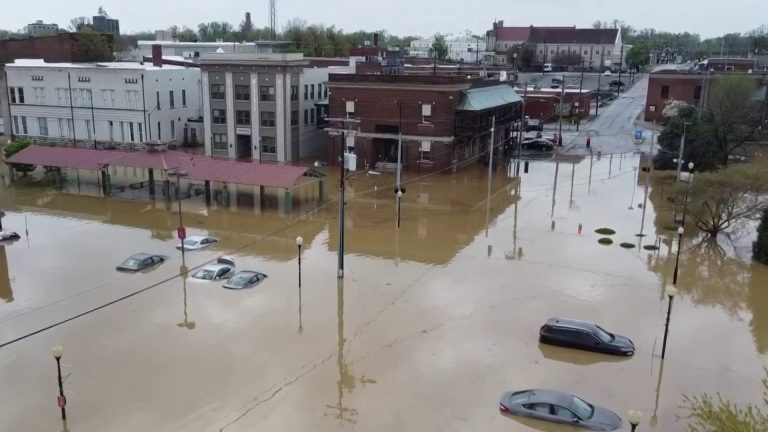
Dealing With Floodwaters
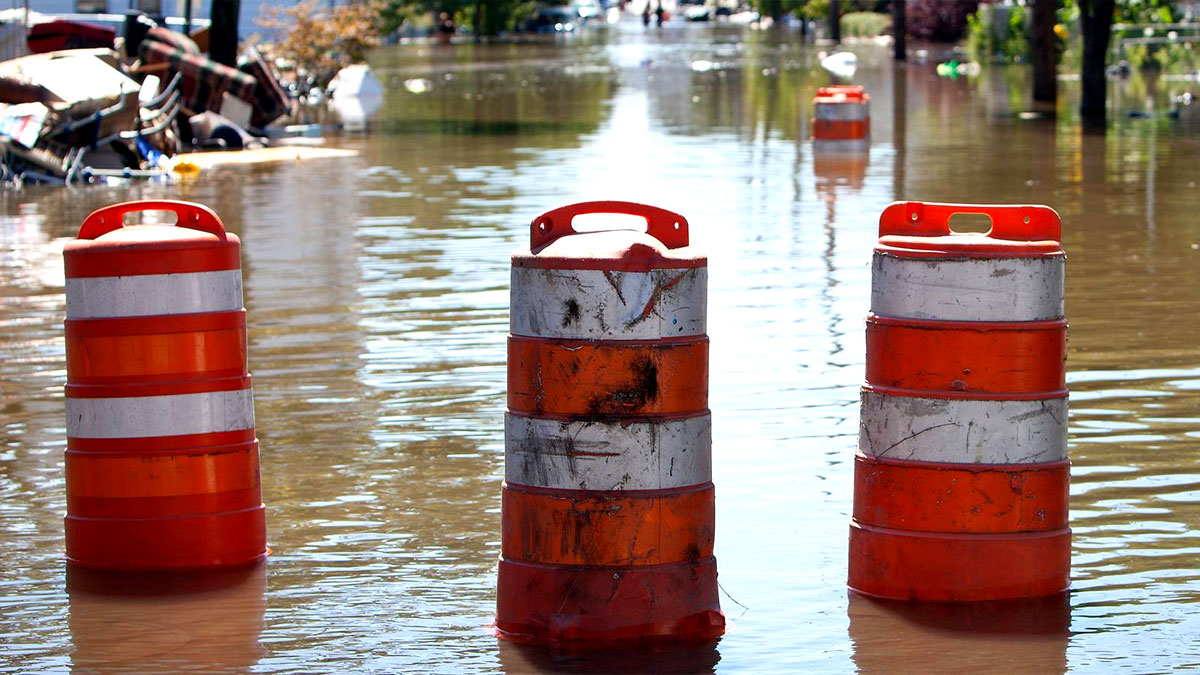
Floodwaters after a hurricane can be very dangerous. They hide many risks that you need to avoid.
Knowing how to stay safe around floodwater can save your life and protect your health.
Avoiding Swift Currents
Swift currents can knock you off your feet. They can sweep you away quickly.
Do not walk or drive through flowing water. Stay on high ground and avoid flood zones.
- Look for warning signs about floodwaters
- Do not enter water moving faster than a walking pace
- Find safe paths that avoid rivers or flooded streets
Crossing Water Safely
If you must cross water, use a stick to check depth and firmness. Move slowly and carefully.
Wear sturdy shoes to protect your feet from sharp objects under the water.
- Never cross water higher than your knees
- Hold onto something stable if possible
- Ask for help if the water looks unsafe
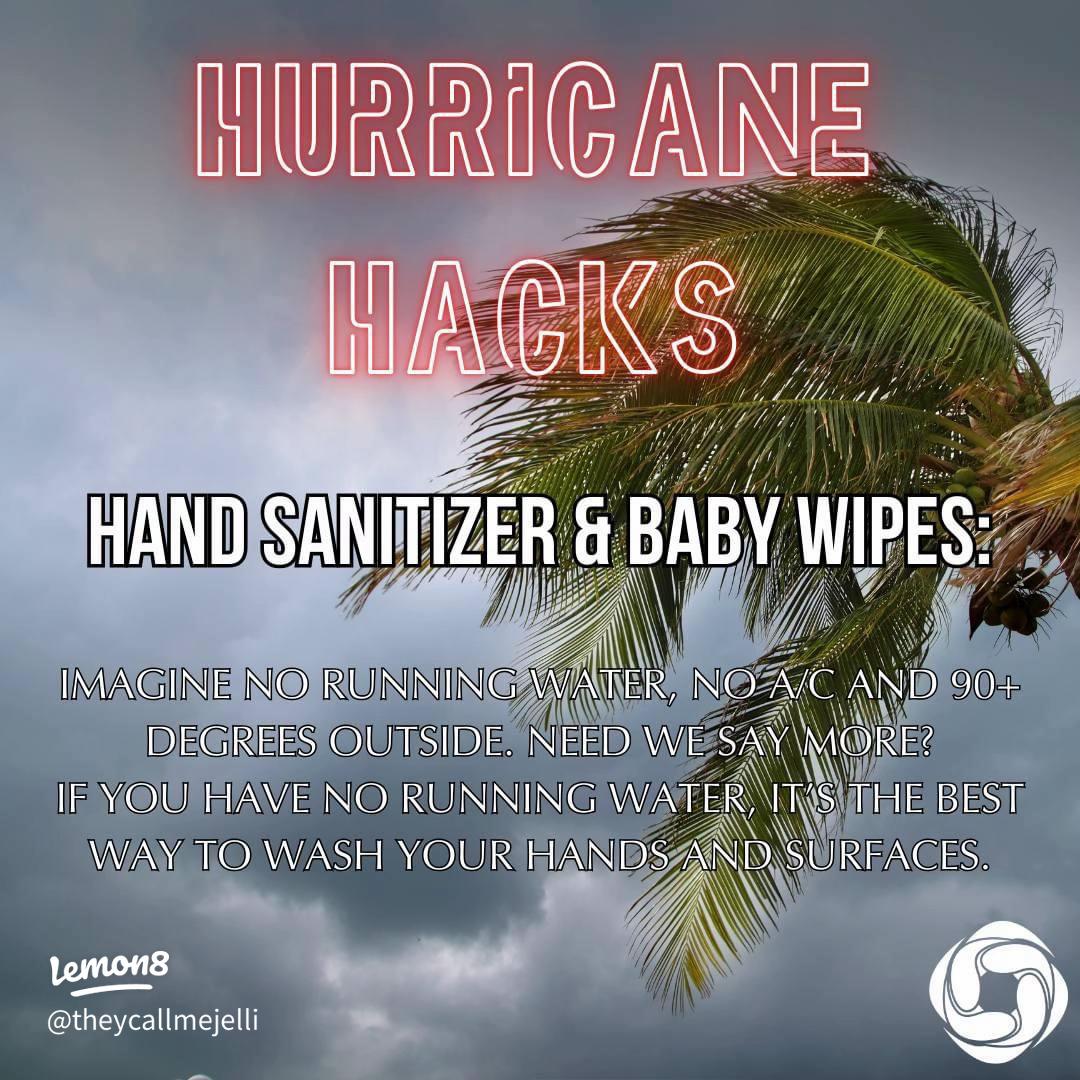
Preventing Waterborne Illness
Floodwaters often carry germs and chemicals. Avoid swallowing or touching floodwater.
Wash your hands with clean water and soap after contact. Use disinfectant if soap is unavailable.
- Do not drink floodwater or use it for cooking
- Boil or use bottled water for drinking and cleaning wounds
- Wear gloves when cleaning up flood debris
Credit: www.cdc.gov
After The Hurricane Passes
The hurricane has passed, but dangers remain. Stay calm and stay safe as you check your situation.
Knowing what to do next helps protect you and others around you. Follow these steps carefully.
Checking For Injuries
Look for injuries on yourself and others. Give first aid if you know how. Do not move anyone seriously hurt unless they are in danger.
- Check for bleeding and stop it by pressing a cloth.
- Look for broken bones and keep the person still.
- Help anyone who feels weak or dizzy to lie down.
- Call emergency services if injuries are serious.
Assessing Surroundings
Look around for hazards like downed power lines, gas leaks, or flooded areas. Avoid these dangers and warn others.
| Hazard | What to Do |
| Downed Power Lines | Stay away and report to authorities. |
| Gas Smell | Leave area and call emergency services. |
| Flooded Roads | Do not drive or walk through water. |
| Fallen Trees | Clear small branches carefully; avoid large trunks. |
Seeking Help And Communicating
Contact emergency responders if needed. Let family and friends know you are safe. Use a phone only when necessary to save battery.
- Send text messages instead of calls.
- Use social media or apps to check in.
- Listen to battery-powered radio for updates.
- Stay near others for safety and support.
Frequently Asked Questions
What Essential Items Should I Carry During A Hurricane Outside?
Carry water, non-perishable food, first-aid kit, flashlight, batteries, and a portable phone charger. Also, wear sturdy shoes and protective clothing to stay safe during a hurricane outside.
How Can I Stay Safe From Flying Debris Outdoors?
Seek shelter behind sturdy structures or natural barriers like large trees. Use thick blankets or cushions to cover your body and protect yourself from flying debris during a hurricane.
Is It Safe To Drive During A Hurricane Outside?
Avoid driving during a hurricane as roads can flood and visibility drops. If necessary, drive slowly and avoid flooded areas to reduce risks while outside.
How Do I Protect Myself From Strong Hurricane Winds?
Stay low and avoid open fields or tall objects. Find a low-lying area or sturdy shelter to minimize exposure to strong hurricane winds outdoors.
Conclusion
Surviving a hurricane outside takes careful planning and quick action. Stay calm and find strong shelter fast. Keep essential supplies close, like water and food. Protect your head and stay low to the ground. Listen for updates from officials on your phone or radio.
Avoid floodwaters and fallen power lines at all times. Remember, your safety depends on staying alert and prepared. Taking these steps can help you stay safe during the storm. Stay strong and ready until the hurricane passes.