How to Survive a Hurricane in the Caribbean: Essential Life-Saving Tips
When a hurricane is approaching the Caribbean, your safety becomes the top priority. You might feel a wave of anxiety as you think about how to protect yourself and your loved ones.
But don’t worry – you’re not alone, and with the right preparation, you can face the storm with confidence. Imagine the peace of mind that comes from knowing you’ve done everything possible to keep your family secure. In this guide, you’ll discover practical tips and strategies to ensure your safety and help you weather the storm.
Keep reading to find out how you can transform fear into preparedness and resilience.
Preparing Before The Hurricane
Hurricanes can cause serious damage and danger in the Caribbean. Preparing early helps protect your family and home. Knowing what to do before the storm hits saves time and stress.
Use this guide to prepare well. Focus on emergency kits, securing your house, planning safe routes, and storing important papers.
Creating An Emergency Kit
Prepare a kit with essentials to last at least three days. Include food, water, and medical supplies. Keep it easy to carry and in a safe place.
- Non-perishable food items
- At least one gallon of water per person daily
- First aid kit and medicines
- Flashlight and extra batteries
- Portable phone charger
- Important contact numbers written down
- Cash in small bills
- Personal hygiene items
- Clothing and blankets
Securing Your Home
Protect your home from wind and rain. Check doors and windows for damage. Use strong materials to cover glass. Remove loose objects from outside.
| Task | Action |
|---|---|
| Windows | Install storm shutters or board up with plywood |
| Doors | Check locks and reinforce if needed |
| Roof | Secure loose shingles and inspect for weak spots |
| Yard | Bring inside or tie down outdoor furniture and tools |
Planning Evacuation Routes
Know where to go if you must leave your home. Find the nearest shelter and safe roads. Share your plan with family and friends.
- Identify local shelters and their addresses
- Map out two or more routes to each shelter
- Keep your car fueled and ready
- Prepare a bag with essentials for quick departure
- Set a meeting point if family members get separated
Storing Important Documents
Keep important papers safe and easy to find. Use waterproof bags or containers. Consider digital copies stored securely online.
- Birth certificates and passports
- Insurance policies and medical records
- Property deeds and car titles
- Bank account and credit card information
- Emergency contact lists
During The Hurricane
The hurricane is at its strongest. You must stay calm and follow safety steps. Avoid leaving your shelter until it is safe.
Knowing what to do during the storm helps protect you and your loved ones. Focus on safety and stay alert.
Finding Safe Shelter
Find a secure place away from windows and doors. Stay in an interior room or basement if possible. Avoid mobile homes or tents.
- Use a small, windowless room on the lowest floor
- Keep a flashlight, water, and supplies nearby
- Close all doors and stay clear of glass
- Cover yourself with a mattress or heavy blankets if needed
Staying Informed
Listen to a battery-powered radio or use a phone for updates. Do not rely only on social media. Follow instructions from local officials.
- Charge your devices before the storm
- Keep extra batteries for your radio
- Use NOAA Weather Radio if available
- Check official government websites for alerts
Avoiding Floodwater And Debris
Do not walk or drive through floodwater. It can hide dangerous objects and strong currents. Stay clear of fallen power lines and debris.
| Hazard | Risk | Action |
| Floodwater | Drowning, hidden debris | Do not enter or drive through |
| Debris | Injury, infection | Avoid and report to authorities |
| Downed power lines | Electrocution | Keep distance and call emergency services |
Protecting Your Family And Pets
Keep your family and pets close inside the shelter. Comfort them and keep everyone calm. Have food and water for pets ready.
- Keep pets on a leash or in carriers
- Provide familiar blankets or toys to calm pets
- Do not let pets outside during the storm
- Check on children frequently
After The Hurricane
After a hurricane hits the Caribbean, it is important to stay calm and act carefully. The damage can be severe, and safety should come first.
This section explains what to do after the hurricane passes to protect yourself and others.
Assessing Damage Safely
Wait until officials say it is safe to go outside. Look for hazards like broken glass, fallen power lines, and sharp objects.
Wear sturdy shoes, gloves, and protective clothing before checking your property. Avoid flooded areas because water may hide dangers.
- Check your home for structural damage carefully
- Do not enter buildings with cracks or leaning walls
- Take photos of damage for insurance claims
Accessing Emergency Services
Contact emergency services if you or others need help. Use your phone to call or text if possible.
Local authorities provide information about shelters, food, and medical aid. Follow their instructions and stay updated on radio or official websites.
- Call emergency numbers for medical or fire help
- Visit community shelters if your home is unsafe
- Use official sources for news and alerts
Preventing Health Risks
Flood water may contain harmful bacteria and chemicals. Avoid contact with it and keep wounds covered.
Drink bottled or boiled water to avoid illness. Throw away food that touched flood water or lost power.
- Wash hands often with soap and clean water
- Use insect repellent to prevent bites
- Seek medical care for cuts or infections
Communicating With Loved Ones
Let family and friends know you are safe as soon as you can. Use text messages or social media to save phone battery.
Keep phone calls short and only for urgent needs. Check on neighbors and others who may need help.
- Send quick messages to update your status
- Use social media for wider communication
- Help others communicate if possible
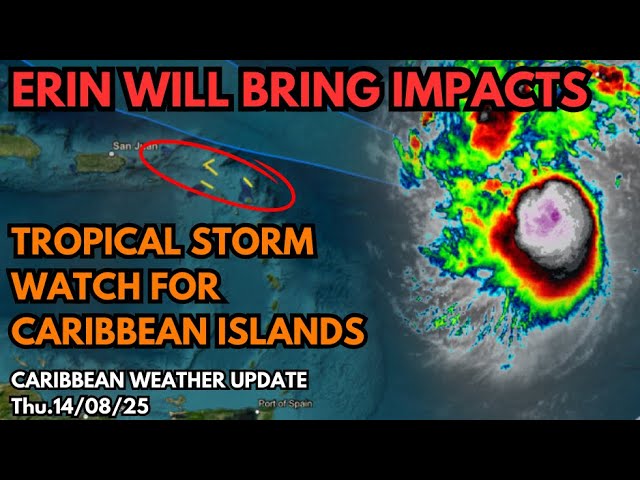
Credit: www.youtube.com
Special Tips For Caribbean Residents
Living in the Caribbean means facing hurricanes often. It is important to prepare well to stay safe. This guide gives special tips for residents to survive a hurricane.
These tips focus on power outages, limited resources, and community support. Follow them to protect yourself and others during storms.
Dealing With Power Outages
Power often goes out during hurricanes. Prepare by having backup options ready. Keep flashlights and batteries in an easy place. A charged power bank helps keep phones on.
- Store extra batteries and candles
- Charge all devices before the storm
- Use a solar charger if possible
- Keep a battery-powered radio for news
Handling Limited Resources
During and after a hurricane, resources may be scarce. Water and food supplies can run low. Save what you have and use it carefully. Plan meals that do not need cooking.
| Resource | Tips to Save |
| Water | Drink only when thirsty; collect rainwater safely |
| Food | Eat dry or canned foods first; avoid waste |
| Fuel | Use sparingly for generators or cooking |
| Medicine | Keep a list and store properly |
Community Support And Cooperation
Neighbors can help each other during a hurricane. Sharing resources and information makes everyone safer. Check on elderly or disabled people nearby. Plan a meeting spot for emergencies.
- Share food and water with those in need
- Help clear debris after the storm
- Exchange emergency contact numbers
- Volunteer with local aid groups
Long-term Preparedness
Preparing for hurricanes in the Caribbean means planning ahead. Long-term readiness helps protect your home and family.
Focus on strong buildings, staying informed, and keeping supplies ready. These steps reduce risk during storms.
Building Resilient Structures
Strong buildings withstand hurricane winds and rain. Use sturdy materials like concrete and metal for roofs.
- Install impact-resistant windows and doors
- Secure roofs with hurricane straps
- Elevate your home to avoid flooding
- Clear trees and debris around the property
- Check and repair weak spots yearly
Staying Updated On Weather Patterns
Knowing the weather helps you act fast. Use trusted sources to get the latest hurricane updates.
| Source | How to Access | Information Provided |
|---|---|---|
| National Hurricane Center | Website and mobile apps | Storm tracks, warnings, and forecasts |
| Local Radio Stations | Radio broadcasts | Emergency alerts and local updates |
| Weather Apps | Smartphones | Real-time weather alerts and radar |
Emergency Fund And Supplies
Keep money and supplies ready for emergencies. This helps you cover costs and stay safe during a hurricane.
- Save cash for urgent needs
- Store food and water for at least three days
- Keep first aid kits and medicines handy
- Have flashlights and batteries ready
- Prepare important documents in waterproof bags
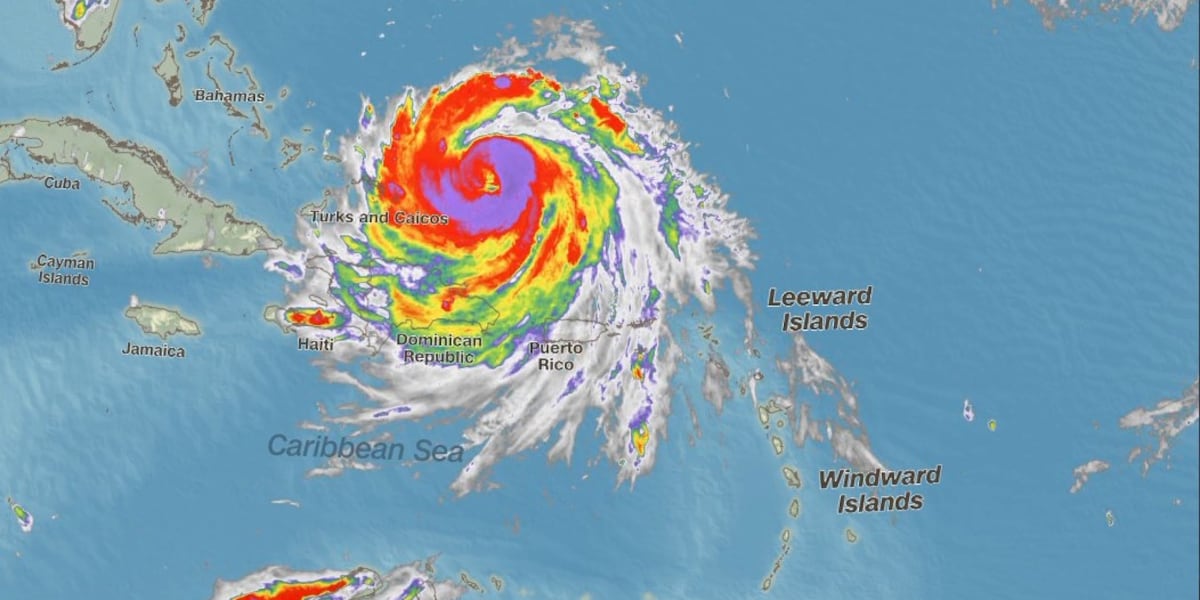
Credit: www.kptv.com

Credit: www.mercycorps.org
Frequently Asked Questions
What Essentials Should I Pack For A Caribbean Hurricane?
Pack water, non-perishable food, first aid kit, flashlight, batteries, and important documents. Include medications and protective clothing for safety during the hurricane.
How Can I Secure My Home Before A Hurricane?
Board up windows, secure doors, and remove outdoor items. Clear gutters and trim trees to prevent damage from strong winds.
When Should I Evacuate During A Caribbean Hurricane?
Evacuate when local authorities issue warnings or if your home is unsafe. Don’t wait until the last moment for safety.
How Can I Stay Informed About Hurricane Updates?
Use reliable sources like the National Hurricane Center, local news, and weather apps. Stay connected via phone or radio for emergency alerts.
Conclusion
Staying safe during a Caribbean hurricane takes preparation and calm actions. Know your risks and plan your shelter ahead. Keep emergency supplies ready and listen to local updates. Protect your home and stay indoors until the danger passes. Stay connected with family and neighbors for support.
Remember, quick decisions can save lives. By staying informed and prepared, you can face the storm with confidence. Safety is the top priority. Stay alert, stay ready, and protect yourself and loved ones.