Can Guinea Fowl Survive Cold Weather? Essential Survival Tips
Are you curious about how well guinea fowl handle the chill of winter? If you’ve ever wondered whether these unique birds can tough out cold weather, you’re not alone.
As a current or prospective guinea fowl owner, understanding their resilience to the cold can be crucial for ensuring their well-being. This piece will unravel the mystery surrounding guinea fowl’s ability to survive and thrive when temperatures drop. You’ll discover essential tips on keeping your feathery friends comfortable and healthy, even in the frostiest conditions.
Stay with us to learn how you can provide the best care for your guinea fowl during the winter months!
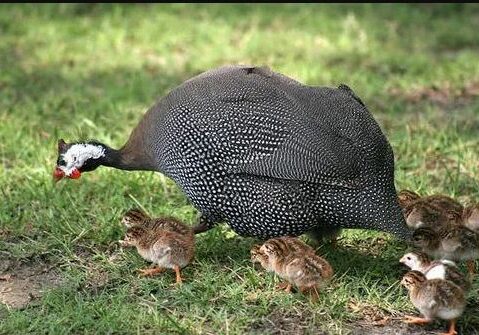
Credit: albertabotanicgarden.com
Guinea Fowl And Cold Climates
Guinea fowl are birds often kept for their meat and eggs. They come from warm areas in Africa. Many people wonder if these birds can live in cold weather.
This article looks at how guinea fowl handle cold climates. It explains their natural habitat and the challenges they face in cold weather.
Natural Habitat And Adaptability
Guinea fowl live mostly in warm and dry places. They are used to mild temperatures and open lands. These birds are strong and can adapt to some changes in weather.
- Native to sub-Saharan Africa
- Prefer warm savannas and grasslands
- Can find food in different environments
- Use feathers to keep warm at night
Cold Weather Challenges
Cold weather is hard for guinea fowl. They do not have thick feathers like some birds. Low temperatures can cause stress and illness. Owners need to take special care during winter.
| Cold Weather Issue | Effect on Guinea Fowl | Possible Solution |
| Frostbite | Damage to feet and combs | Provide dry and warm shelter |
| Low Appetite | Less food intake | Offer high-energy feed |
| Respiratory Problems | Illness from cold drafts | Keep housing draft-free |
| Reduced Egg Laying | Stress reduces productivity | Maintain stable temperature |

Credit: www.yahoo.com
Signs Of Cold Stress In Guinea Fowl
Guinea fowl can face challenges in cold weather. It is important to watch for signs of cold stress. Early detection helps keep them safe and healthy.
Cold stress weakens their immune system. It can cause illness or even death if not addressed quickly. Look for changes in behavior and physical symptoms.
Behavioral Changes
When guinea fowl feel cold, they act differently. They may huddle together to keep warm. They often reduce their activity to save energy.
Cold stress can make them less curious or alert. They may stop eating or drinking enough. These changes show they are struggling with the cold.
- Huddling closely in groups
- Reduced movement or activity
- Less eating and drinking
- Decreased alertness or curiosity
Physical Symptoms
Physical signs of cold stress include fluffed feathers. Guinea fowl fluff feathers to trap heat. They may also shiver to generate warmth.
Look for pale or blue skin, especially on the comb and wattles. Swollen or frostbitten feet can also appear. These signs mean the bird is very cold.
- Fluffed or ruffled feathers
- Shivering or trembling
- Pale or bluish skin color
- Swollen or frostbitten feet
Shelter Solutions For Winter
Guinea fowl need proper shelter to stay safe in cold weather. Their coop must keep them warm and dry.
Good shelter helps protect guinea fowl from harsh winds and moisture. It also keeps them comfortable during winter.
Insulated Coop Designs
Insulation keeps the coop warm by blocking cold air. Use materials like foam boards or straw to add insulation.
Make sure the coop walls, floor, and roof are insulated well. This helps maintain a steady temperature inside.
- Use foam board or rigid insulation inside walls
- Add straw or hay bedding on the floor
- Seal gaps to prevent cold drafts
- Include a small door flap to keep heat in
Wind And Moisture Protection
Protecting guinea fowl from wind and moisture is key in winter. Wind chills can make cold feel worse for them.
Use windbreaks and waterproof materials to keep the coop dry and calm. This prevents illnesses and stress in birds.
- Place the coop in a sheltered area, away from strong winds
- Use plastic sheets or tarps on one side as windbreaks
- Ensure the roof is waterproof and leaks-free
- Install vents that prevent moisture buildup but block drafts
Feeding Strategies For Cold Months
Guinea fowl need special care in cold weather to stay healthy. Feeding them right helps them keep warm and strong.
Adjusting their diet and water access is key during winter. These changes support their energy and hydration.
High-energy Diets
In cold months, guinea fowl use more energy to keep warm. Feed them foods with more calories to help.
Grains like corn and oats give extra energy. Adding some protein, like mealworms or cooked eggs, supports muscle health.
- Feed more grains like corn and oats
- Add protein sources such as mealworms or eggs
- Include some vegetables for vitamins
- Give small, frequent meals for steady energy
Water Access And Prevention Of Freezing
Clean water is important for guinea fowl in winter. Water helps digestion and keeps them healthy.
Make sure water does not freeze. Use heated water bowls or change water often to keep it fresh and liquid.
- Use heated water bowls to prevent freezing
- Check and refill water at least twice a day
- Place water containers in sheltered spots
- Keep water clean to avoid illness
Health Care During Winter
Guinea fowl can survive cold weather with proper care. Winter can be hard on their health.
Good health care helps them stay strong and avoid sickness in cold months.
Preventing Respiratory Issues
Cold weather can cause breathing problems in guinea fowl. Keep their coop dry and warm.
Good ventilation is important. It stops damp air that can cause illness.
- Use dry bedding to keep moisture low
- Fix leaks and drafts in the coop
- Provide fresh air without cold winds
- Clean the coop regularly to reduce germs
Boosting Immunity
Strong immunity helps guinea fowl fight winter diseases. Feed them nutritious food every day.
Give extra vitamins and minerals to keep their bodies healthy.
- Offer a balanced diet with grains and seeds
- Add fresh greens or vegetables when possible
- Provide clean water at all times
- Consider vitamin supplements after talking to a vet
Exercise And Outdoor Time
Guinea fowl need regular outdoor time to stay healthy. Exercise helps them keep warm during cold weather.
It is important to provide safe and accessible outdoor areas. This encourages movement and keeps them active.
Safe Outdoor Access
Make sure outdoor areas are free from hazards. Check for sharp objects, deep snow, or ice patches that could cause injury.
- Clear walkways to prevent slipping
- Provide shelter from wind and rain
- Use fencing to protect from predators
- Offer dry ground for resting
Encouraging Movement In Cold
Guinea fowl stay warm by moving around often. Encourage them to exercise with simple activities.
| Activity | Benefit |
| Foraging in leaves or snow | Keeps them active and warm |
| Walking on varied terrain | Strengthens muscles |
| Flapping wings | Improves circulation |
| Group roaming | Promotes social interaction |
Common Mistakes To Avoid
Guinea fowl can survive cold weather if cared for properly. Many people make mistakes that harm their birds in winter.
Avoid these common errors to keep your guinea fowl safe and healthy during cold months.
Overheating Risks
People often try to keep guinea fowl very warm. Too much heat can cause stress and illness.
Use safe heating methods and monitor the temperature carefully. Avoid using heat sources that can burn or scare the birds.
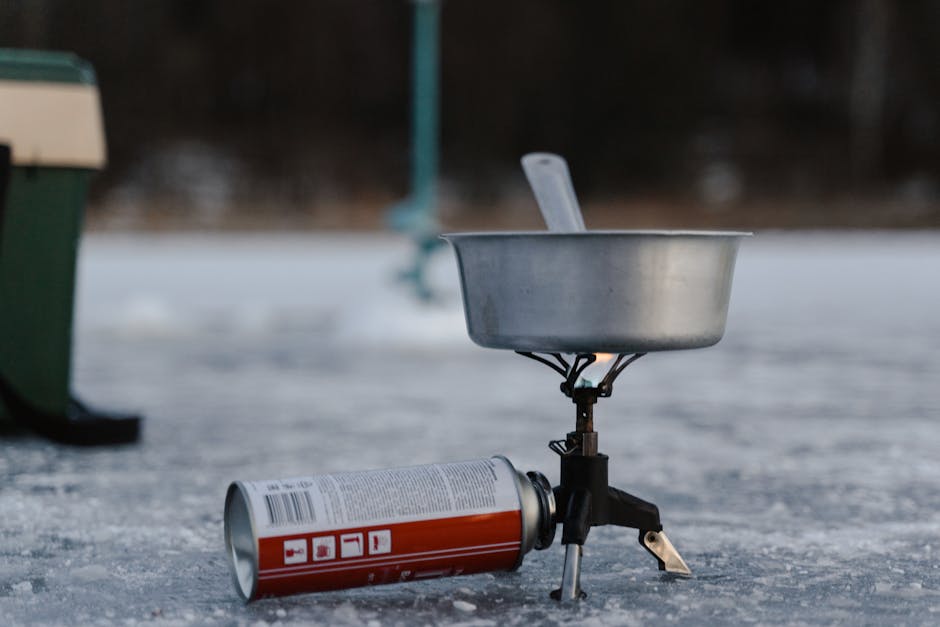
- Do not use open flames or unsafe heaters
- Keep heat sources away from bedding and feathers
- Check temperature regularly to avoid overheating
- Provide room for birds to move away from heat
Neglecting Ventilation
Good air flow is important in cold weather. Without ventilation, moisture builds up and causes health problems.
Make sure the coop has vents that let fresh air in but block drafts. This helps keep the birds dry and warm.
- Install vents near the roof for warm air to escape
- Cover vents with mesh to keep predators out
- Avoid blocking vents with bedding or equipment
- Check ventilation often during cold days

Credit: fatbirder.com
Frequently Asked Questions
Can Guinea Fowl Tolerate Freezing Temperatures?
Yes, guinea fowl can tolerate freezing temperatures if properly sheltered. They need dry, draft-free housing to stay warm and healthy.
How To Protect Guinea Fowl From Cold Weather?
Provide insulated coops, fresh bedding, and avoid dampness. Ensure access to unfrozen water and nutritious food to boost their immunity.
Do Guinea Fowl Need Extra Food In Winter?
Yes, guinea fowl require extra calories in cold weather. High-energy feed helps maintain their body heat and supports overall health.
Can Guinea Fowl Survive Snow And Frost?
Guinea fowl can survive snow and frost with proper care. Limit their outdoor exposure during extreme cold and provide warm shelter.
Conclusion
Guinea fowl can survive cold weather with the right care. They need dry shelter and enough food to stay warm. Keep their living space clean and protected from wind. Watch them closely during very cold days. Healthy guinea fowl handle cold better than weak ones.
Simple steps help them stay safe and comfortable. Cold weather is tough, but not impossible for guinea fowl. Taking good care makes a big difference. Keep their needs in mind all winter long.