How to Survive a Hurricane Outside: Essential Safety Tips
When a hurricane approaches, it can feel overwhelming, especially if you find yourself outside. Panic might creep in, but knowing the right steps to take can be your lifeline.
Imagine being equipped with the knowledge to protect yourself even in the eye of the storm. This guide is crafted for you, focusing on simple and effective strategies to stay safe when the unexpected happens. By arming yourself with these survival tactics, you empower your instincts and boost your confidence.
Dive into this essential read to unlock the secrets of staying safe and calm during a hurricane, and ensure you’re prepared when it matters the most.
Preparing For The Storm
Surviving a hurricane outside requires careful preparation. You must get ready before the storm arrives.
Knowing what to do can keep you safe during dangerous weather. Planning is key to facing the storm.
Gathering Emergency Supplies
Collect important supplies to help you stay safe and healthy. Bring items that last for several days.
- Water, at least one gallon per person daily
- Non-perishable food like canned goods and energy bars
- First aid kit with bandages and medicine
- Flashlight with extra batteries
- Sturdy clothing and rain gear
- Portable phone charger or power bank
- Emergency blanket or sleeping bag
- Multi-tool or pocket knife
- Whistle to signal for help
Creating A Communication Plan
Make a plan to stay in touch with family and friends. Decide how you will communicate if phones do not work.
Choose a meeting place and share your location. Keep important phone numbers written down in case your phone dies.
- Pick one person outside the storm area to contact
- Agree on a meeting spot after the storm
- Use text messages to save phone battery
- Keep a list of emergency contacts
- Inform others about your plans and location
Knowing Your Surroundings
Understand the area where you will be during the hurricane. Know the nearest safe places and hazards around you.
Be aware of flood zones, high ground, and shelters nearby. Look for sturdy buildings you can reach quickly.
- Identify safe shelters or high ground in the area
- Learn the fastest routes to reach safety
- Avoid low-lying and flood-prone areas
- Note places with strong structures to protect you
- Check weather updates and emergency alerts regularly

Credit: www.youtube.com
Choosing A Safe Location
Being outside during a hurricane is very dangerous. Picking the right place to stay can save your life.
Find a spot that protects you from wind, rain, and flooding. Think about the risks around you.
Avoiding Flood-prone Areas
Floods happen fast during hurricanes. Stay away from low lands, rivers, and streams.
Look for higher ground to keep dry. Avoid places that fill with water easily.
- Do not stay near rivers or creeks
- Move away from areas known for flooding
- Choose hills or raised land if possible
Finding Natural Shelters
Natural shelters can block wind and rain. Look for caves, large rocks, or thick bushes.
These places can give some protection but may not be safe from flooding or falling debris.
- Find a spot behind large rocks or hills
- Use dense trees or bushes as windbreaks
- Check that the ground is dry and stable
Staying Away From Trees And Power Lines
Trees can fall in strong winds. Power lines may drop or spark. Both are dangerous to be near.
Choose open areas away from tall trees and electrical poles. This lowers the risk of injury.
- Avoid standing under or near large trees
- Keep distance from power lines and poles
- Look for clear spaces with no overhead hazards
Protecting Yourself During The Hurricane
Facing a hurricane outside is dangerous. You must protect your body from strong winds and flying debris.
Follow simple actions to keep safe until the storm passes or help arrives.
Securing Your Body Against Debris
Debris can cause serious injuries during a hurricane. Cover your head and body as best as you can.
- Wear thick clothing like a jacket or long sleeves to protect your skin.
- Use sturdy shoes to protect your feet from sharp objects.
- If possible, use a helmet or hard hat to shield your head.
- Hold something firm to cover your face and eyes, like a bag or folded cloth.
Staying Low And Shielded
Stay close to the ground to avoid strong winds. Find a low spot or shelter behind a solid object.
Tips for staying low and shielded:
- Lie flat in a ditch or depression if no shelter is nearby.
- Cover your head and neck with your arms.
- Avoid trees or poles that can fall or snap.
- Stay away from windows or glass surfaces.
Handling Strong Winds And Rain
Strong winds and heavy rain can make it hard to breathe and see. Protect your face and keep steady.
| Action | Reason |
| Face away from the wind | Reduces the force of wind hitting your face |
| Cover mouth and nose with a cloth | Filters dust and rain from air you breathe |
| Hold onto a stable object | Keeps you from falling in strong gusts |
| Wear waterproof clothing if available | Keeps your body dry and warmer |
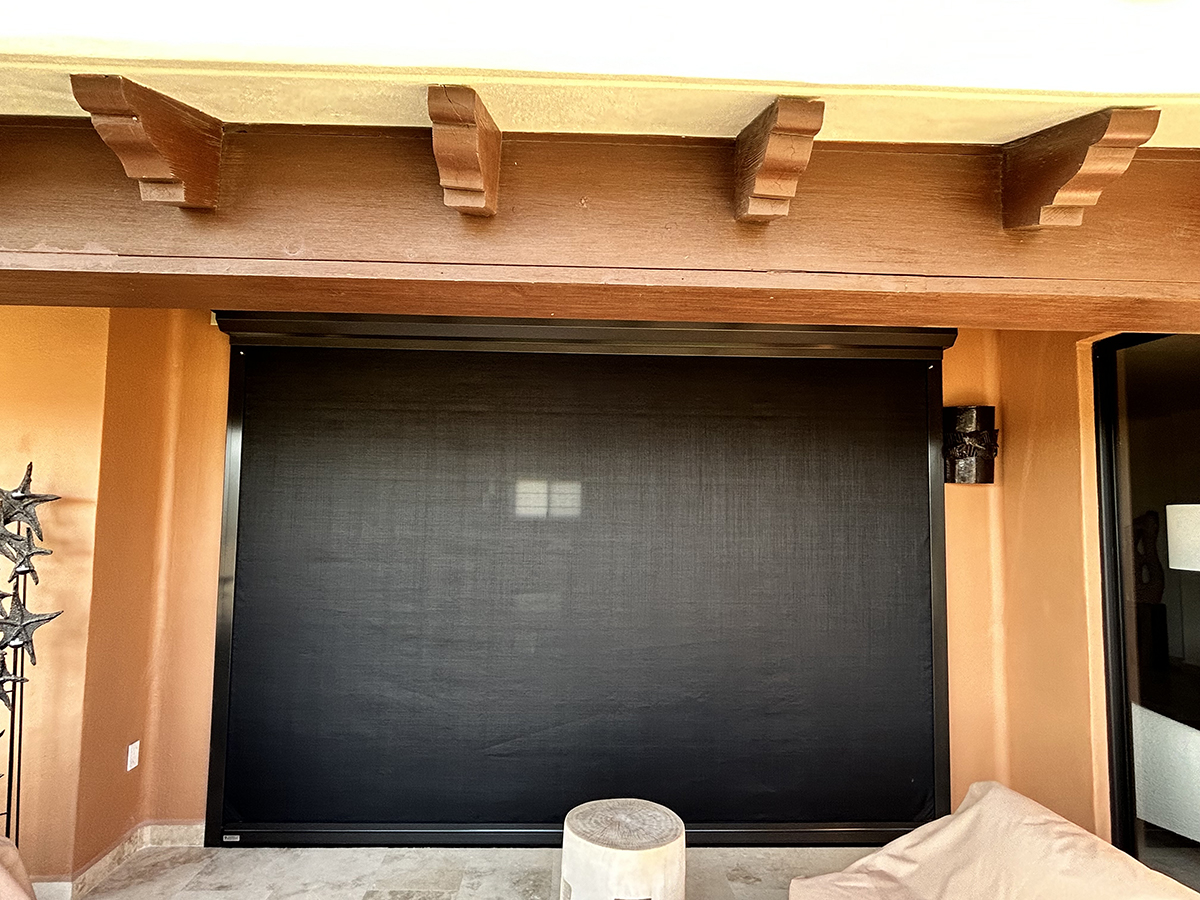
Credit: www.atlasarmor.com
Dealing With Aftermath
After a hurricane, the situation outside can still be dangerous. You must stay alert and careful to protect yourself and others.
Knowing what to do after the storm helps you avoid injury and get the help you need quickly.
Assessing Immediate Dangers
Look around carefully for any dangers like downed power lines, sharp debris, or unstable buildings. Stay away from these hazards to avoid injury.
Check for gas leaks or fires. If you smell gas, leave the area and call emergency services once you are safe.
- Watch for broken glass and nails on the ground
- Avoid flooded areas as water may hide dangers
- Do not enter damaged buildings until inspected
- Stay clear of fallen trees and wires
Seeking Help And Medical Attention
If you or someone else is hurt, get medical help right away. Call emergency services or find the nearest shelter with medical staff.
Even small injuries can get worse if not treated. Clean wounds with safe water and cover them to prevent infection.
- Call 911 or local emergency numbers if needed
- Visit emergency shelters for medical care
- Keep first aid supplies handy for minor injuries
- Do not wait to seek help if symptoms worsen
Avoiding Contaminated Water And Food
Do not drink water from taps or natural sources unless it is declared safe. Contaminated water can cause serious illness.
Eat only sealed or canned food. Throw away food that got wet or looks spoiled to avoid sickness.
- Use bottled or boiled water for drinking and cooking
- Discard food exposed to floodwaters
- Wash hands with clean water before eating
- Listen to local officials for water safety updates
Essential Gear For Outdoor Survival
Surviving a hurricane outside needs the right gear. Your equipment can protect you from rain, wind, and cold.
Knowing what to bring helps you stay safe and comfortable during harsh weather conditions.
Waterproof Clothing And Footwear
Waterproof clothing keeps you dry and warm. Choose jackets, pants, and boots made from water-resistant materials. Avoid cotton because it holds water and cools your body.
- Wear a waterproof jacket with a hood
- Use waterproof pants or rain pants
- Select boots with good grip and waterproof lining
- Use moisture-wicking base layers
- Carry extra dry socks
Emergency Kits And Tools
Emergency kits provide essentials for survival. Keep your kit light but full of useful tools. A good kit helps you handle injuries, find food, and create shelter.
| Item | Purpose |
| First aid kit | Treat injuries and wounds |
| Flashlight with extra batteries | See in the dark |
| Multi-tool or knife | Cutting and repairs |
| Water purification tablets | Make water safe to drink |
| Firestarter kit | Start fires for warmth and cooking |
| Emergency blanket | Retain body heat |
Communication Devices
Communication devices keep you connected to help and others. Make sure your devices have power or backup options. A radio can give weather updates without needing cell service.
- Battery-powered or hand-crank weather radio
- Fully charged mobile phone with power bank
- Whistle for signaling
- Two-way radios for group communication

Credit: www.newsobserver.com
Frequently Asked Questions
What Is The Safest Outdoor Spot During A Hurricane?
Seek low ground away from trees, power lines, and flood zones. Avoid open fields and coastal areas. Find sturdy natural shelters like caves or dense forests if possible.
How Can I Protect Myself From Flying Debris Outside?
Use thick blankets or sleeping bags to cover your body. Wear sturdy shoes, goggles, and a helmet if available. Stay low and shield your head with your arms.
How Do I Stay Dry And Warm Outside In A Hurricane?
Use waterproof clothing and layers to retain heat. Find natural windbreaks like hills or dense bushes. Keep moving gently to maintain body warmth without sweating.
What Should I Avoid Doing During A Hurricane Outside?
Never stand near windows, tall objects, or bodies of water. Avoid driving or seeking shelter under bridges. Don’t try to outrun floodwaters or strong winds.
Conclusion
Surviving a hurricane outside takes quick thinking and smart choices. Find strong shelter and stay low to avoid flying debris. Keep calm and protect your head at all times. Stay alert for changing weather and move if needed. Being prepared can save your life in a storm.
Remember, safety comes first. Stay safe and stay aware.