What are Survival Tips for Hurricanes: Essential Safety Strategies
When a hurricane looms on the horizon, panic and confusion can easily set in. But with the right preparation, you can face the storm with confidence and clarity.
Imagine feeling secure knowing exactly what to do before, during, and after a hurricane strikes. This peace of mind isn’t just a dream—it’s achievable with a few practical survival tips. In this guide, you’ll discover key strategies that could make all the difference for you and your loved ones.
Ready to transform anxiety into action? Let’s dive into the essential survival tips for hurricanes that could safeguard your home and ensure your safety.
Preparing Before A Hurricane
Hurricanes can bring strong winds and heavy rain. Being ready helps keep you safe. Prepare early to protect your family and home.
Planning and gathering supplies are key parts of hurricane preparation. Follow these tips to be ready before the storm arrives.
Creating An Emergency Kit
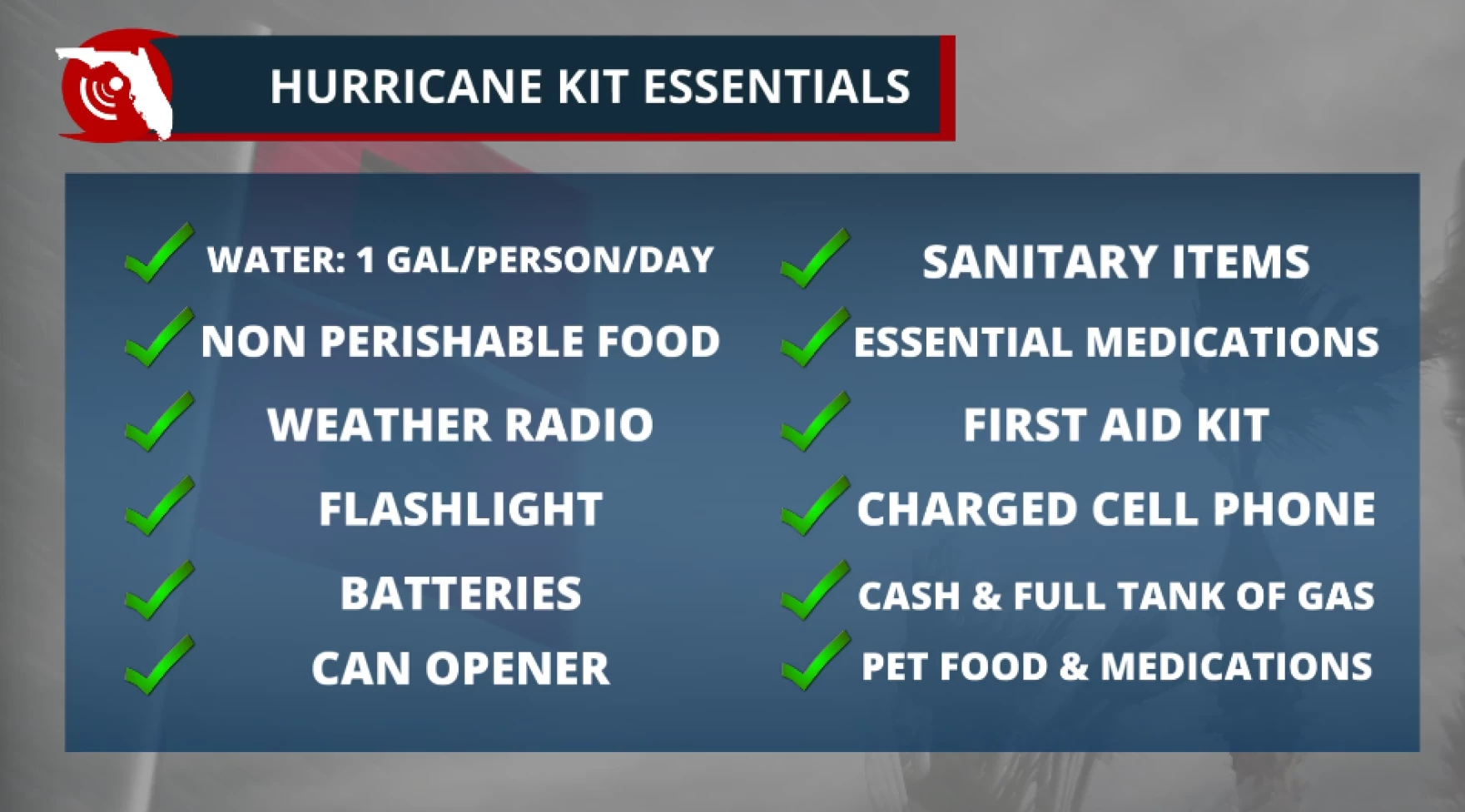
Having an emergency kit is important during a hurricane. Your kit should have enough supplies for at least three days.
- Water: one gallon per person per day
- Non-perishable food items
- Battery-powered or hand crank radio
- Flashlights and extra batteries
- First aid supplies and medications
- Important documents in a waterproof container
- Cash in small bills
- Personal hygiene items
- Cell phone charger and power bank
Developing A Family Plan
Discuss plans with your family before a hurricane hits. Know where to meet and how to contact each other.
| Plan Item | Details |
| Meeting Place | Choose a safe spot near your home and one outside your neighborhood |
| Emergency Contacts | List phone numbers of relatives and local emergency services |
| Evacuation Routes | Know several ways to leave your area if needed |
| Special Needs | Plan for pets, elderly, or anyone with health issues |
Securing Your Home
Protect your home to reduce damage during a hurricane. Take steps to secure windows, doors, and the roof.
- Install storm shutters or board up windows with plywood
- Clear gutters and drains to prevent water buildup
- Bring outdoor furniture and items inside
- Secure loose roof tiles or shingles
- Trim trees and remove dead branches
- Check that garage doors are strong and locked
Credit: www.lemon8-app.com
Monitoring Weather Updates
Staying informed about hurricanes helps you prepare and stay safe. Watch for updates often during hurricane season.
Weather conditions can change fast. Checking the latest alerts keeps you ready for any emergency.
Reliable Sources For Alerts
Use trusted sources to get accurate hurricane alerts. Official agencies provide the best information.
- National Hurricane Center (NHC)
- Local weather stations and news channels
- National Weather Service (NWS)
- Emergency management offices
Using Technology For Real-time Information
Technology helps you get alerts fast. Use apps and devices that notify you in real time.
| Technology | Purpose |
| Weather Apps | Live updates and alerts |
| Emergency Alert Systems | Push notifications for warnings |
| Social Media | Quick news from official accounts |
| NOAA Weather Radio | Continuous weather broadcasts |
Evacuation Strategies
Preparing to evacuate during a hurricane can save your life. Knowing when to leave, where to go, and what to take is very important.
This guide covers key tips for evacuation to help you stay safe and ready.
When To Evacuate
Evacuate as soon as local officials advise. Do not wait until the last minute.
Leaving early avoids traffic jams and dangerous conditions on the road.
Choosing Safe Shelters
Pick shelters that are outside flood zones and built to resist storms.
- Check if the shelter is open and accepting evacuees.
- Confirm the shelter has space and necessary facilities.
- Consider shelters with support for children, elderly, or pets.
- Know the shelter’s address and transport options.
Packing Essentials For Evacuation
| Item | Reason |
| Water (one gallon per person per day) | Stay hydrated during and after evacuation |
| Non-perishable food | Easy to store and eat without cooking |
| Medications and prescriptions | Maintain health and manage conditions |
| Important documents | Proof of identity and insurance claims |
| Flashlight and batteries | Light source during power outages |
| Clothing and blankets | Stay warm and dry |
| Phone charger and power bank | Keep communication devices working |

Credit: www.cpap.com
Staying Safe During The Storm
Hurricanes can bring strong winds and heavy rain. It is important to stay safe and calm during the storm. Preparing your home and knowing what to do can protect you and your family.
Follow safety tips to reduce risks and stay protected. Being ready helps you face the storm with confidence.
Safe Areas Inside Your Home
Choose a safe place inside your home to stay during the hurricane. This place should be away from windows and glass doors. It should be small and interior, like a closet or bathroom.
Stay low and cover yourself with a mattress or heavy blankets. Keep a flashlight and emergency supplies nearby.
- Pick a room without windows
- Stay on the lowest floor
- Avoid large open spaces
- Keep your emergency kit close
Handling Power Outages
Power outages often happen during hurricanes. Have flashlights and batteries ready. Use candles carefully to avoid fires. Turn off electrical devices to protect them.
Keep your phone charged before the storm. Use power banks if possible. Avoid opening the fridge too often to keep food fresh.
- Have flashlights and batteries
- Use candles safely or avoid them
- Charge phones and power banks
- Turn off unused electronics
- Keep refrigerator closed
Dealing With Flooding
Flooding can happen after heavy rain. Avoid walking or driving through floodwater. Water may be deeper or faster than it looks. It can hide dangerous debris or wires.
Move to higher ground if water enters your home. Use sandbags to block water from doors if you have time. Stay alert for updates from authorities.
- Do not walk or drive through floodwater
- Move to higher ground if flooded
- Use sandbags to block water
- Listen to official updates
Post-hurricane Safety Measures
After a hurricane passes, staying safe is very important. The storm may cause hidden dangers. You must be careful when checking your home and neighborhood.
Follow safety steps to protect yourself and get help if needed. Knowing what to do can keep you and your family safe.
Assessing Damage Safely
Before entering your home, look for signs of damage from outside. Watch for broken windows, fallen power lines, and flooding. Wear sturdy shoes and gloves.
Do not go inside if you smell gas or see sparks. Take photos of damage for insurance. Move carefully to avoid injury.
Avoiding Hazards
Stay away from downed power lines and flooded areas. These can cause serious injuries or death. Use a flashlight, not candles, to avoid fire risks.
- Keep children and pets indoors
- Do not touch electrical equipment if wet
- Throw away food that may be spoiled
- Wear protective clothing when cleaning debris
Accessing Emergency Assistance
Call emergency services if you or someone else is hurt. Use a battery-powered radio to hear updates. Follow instructions from local officials carefully.
Visit shelters if your home is unsafe. Share your location with family or friends. Stay calm and wait for help if needed.
Credit: www.wmnf.org
Special Considerations
Preparing for a hurricane requires extra care for those who need special help.
This guide covers tips for pets, vulnerable individuals, and mental health support.
Caring For Pets
Pets need safety plans just like people do during hurricanes.
- Keep a supply of food and water for your pets.
- Have a carrier or leash ready for quick evacuation.
- Make sure pets have ID tags with your contact information.
- Keep pets inside during the storm to protect them from injury.
- Prepare a pet first aid kit with basic supplies.
Helping Vulnerable Individuals
People with disabilities, seniors, and children need extra support during emergencies.
| Group | Needs | Support Tips |
| Disabled Individuals | Mobility aids, medication | Arrange transport and keep medicines handy |
| Seniors | Comfort, medical devices | Check on them often and provide easy access to essentials |
| Children | Emotional support, safety | Explain the situation calmly and keep them close |
Managing Mental Health
Stress and fear increase during hurricanes. Mental health care is important.
Tips to manage mental health:
- Stay connected with family and friends.
- Practice deep breathing or meditation.
- Limit exposure to scary news updates.
- Ask for help if feeling overwhelmed.
- Create a calm space with familiar items.
Frequently Asked Questions
What Should I Include In A Hurricane Emergency Kit?
A hurricane emergency kit must have water, non-perishable food, flashlight, batteries, first aid supplies, and important documents. Include medications, a multi-tool, and hygiene items. Keep it accessible and update it regularly to ensure readiness during a hurricane.
How Can I Secure My Home Before A Hurricane?
Secure windows with storm shutters or plywood, reinforce doors, and clear gutters. Bring outdoor furniture inside to prevent damage. Trim trees and secure loose items to minimize risks and protect your property during hurricane-force winds.
When Is The Best Time To Evacuate For A Hurricane?
Evacuate as soon as local authorities issue a mandatory order or if you live in flood-prone areas. Don’t wait until the last minute, as roads may become congested. Early evacuation ensures safety and reduces stress during emergencies.
How Can I Stay Informed About Hurricane Updates?
Use reliable sources like the National Hurricane Center, local news, and weather apps. Sign up for emergency alerts and monitor social media for real-time updates. Staying informed helps you make timely decisions before and during a hurricane.
Conclusion
Staying safe during a hurricane needs careful planning. Know your area’s risks and prepare early. Keep emergency supplies ready and stay informed. Follow official advice and leave if told to. Protect your home as best as you can. Stay calm and help others if possible.
These simple steps can save lives and reduce harm. Being ready makes a big difference in tough times. Stay safe and stay prepared.