How Do Squirrels Survive Extreme Cold Weather: Secrets Revealed
Ever wondered how squirrels manage to thrive when winter chills the world around them? These tiny creatures seem to defy the harshness of extreme cold weather, continuing their lively antics without missing a beat.
Understanding their survival tactics can be both fascinating and enlightening for you. You might even discover some surprising parallels with your own ways of coping with the cold. This isn’t just about squirrels; it’s about unraveling nature’s incredible adaptability. By the end of this article, you’ll gain a deeper appreciation for these furry survivalists and perhaps even pick up a tip or two for staying cozy during those frosty months.
Ready to uncover the secrets behind their winter survival? Let’s dive in!
Credit: www.discovermagazine.com
Squirrel Adaptations
Squirrels live in many places with cold winters. They have special ways to stay warm. These adaptations help them survive harsh weather.
Understanding how squirrels stay warm shows how animals adapt to nature. Their fur, fat, and tail all play important roles.
Fur And Insulation
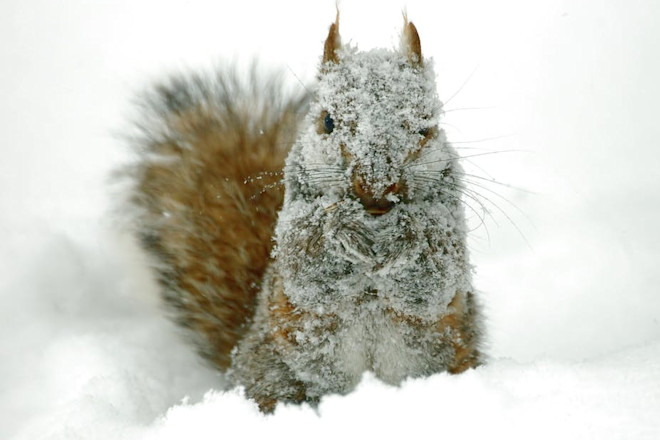
Squirrels grow thick fur during cold months. Their fur traps air close to their skin. This air keeps heat from escaping. The fur also blocks cold wind.
- Thicker fur in winter
- Dense undercoat for warmth
- Long guard hairs for wind protection
Body Fat Reserves
Before winter, squirrels eat more food to build fat. This fat stores energy and helps keep their body warm. During cold days, the fat acts like insulation.
| Fat Purpose | How It Helps |
| Energy Storage | Provides fuel when food is scarce |
| Insulation | Keeps body heat inside |
| Protection | Cushions organs from cold |
Tail As A Blanket
Squirrels use their bushy tails like blankets. They wrap their tails around their bodies to stay warm. The tail covers their face and back, blocking cold air.
Using the tail as a blanket helps squirrels:
- Keep heat close to the body
- Protect face from frostbite
- Reduce heat loss during sleep
Behavioral Strategies
Squirrels face very cold weather by changing their behavior. They find ways to stay warm and safe.
These animals use smart habits to survive when temperatures drop a lot. Their actions help them keep energy and stay alive.
Shelter Building
Squirrels build nests called dreys. They use leaves, twigs, and moss to make a cozy shelter.
The drey protects them from wind and snow. Sometimes, squirrels use tree holes for extra warmth.
Food Storage Habits
Squirrels save food to eat during winter. They hide nuts and seeds in many places.
- Hide food under leaves or soil
- Use different spots to avoid losing all food
- Remember hiding places to find food later
Reduced Activity
Squirrels stay less active in cold weather. They rest more to save energy.
| Behavior | Purpose |
|---|---|
| Stay inside dreys | Keep warm and avoid cold winds |
| Move less | Save energy during scarce food times |
| Sleep longer | Reduce calorie use when food is low |
Physiological Changes
Squirrels face harsh cold weather with smart body changes. These changes help them stay alive and active.
Their bodies adjust inside to handle cold without losing too much energy or warmth.
Metabolic Adjustments
Squirrels change how their body uses energy in cold times. They slow down their metabolism to save energy.
This means they burn fewer calories and can survive longer without eating much food.
- Lower energy use helps conserve fat stores
- Fat turns into heat slowly to keep body warm
- Metabolism slows but keeps vital functions working
Temperature Regulation
Squirrels keep their body temperature steady in cold weather. They use thick fur to trap heat close to the skin.
They also reduce blood flow to their skin and limbs to keep core body heat safe.
- Thick fur acts like a warm blanket
- Blood flow changes keep the body core warm
- Small body parts get less warm to save heat
Hibernation Vs. Torpor
Squirrels use two main ways to survive cold: hibernation and torpor. Both lower their body activity.
Hibernation lasts longer and lets squirrels save lots of energy. Torpor is short and helps during very cold nights.
- Hibernation:Long sleep, very low body functions
- Torpor:Short rest, body slows but can wake fast
- Both help squirrels avoid freezing and food shortage

Credit: www.willyswilderness.org
Environmental Factors
Squirrels face many challenges during cold weather. Their survival depends on how they adapt to their surroundings.
Environmental factors like habitat, temperature, and food sources play a big role in their ability to stay warm and fed.
Habitat Selection
Squirrels choose habitats that help protect them from cold winds and snow. Trees with thick branches offer good shelter. They often use tree hollows or build nests called dreys.
- Dense forests provide wind protection
- Tree hollows offer insulated shelter
- Dreys are made with leaves and twigs for warmth
- Close to food sources to save energy
Microclimates
Microclimates are small areas where temperature and humidity differ from the surroundings. Squirrels use these spots to stay warm.
| Microclimate Type | Benefit for Squirrels |
| South-facing slopes | Warmer due to sunlight |
| Thick vegetation | Blocks cold wind |
| Under snow cover | Insulates from freezing air |
| Near buildings or rocks | Retains heat longer |
Seasonal Food Availability
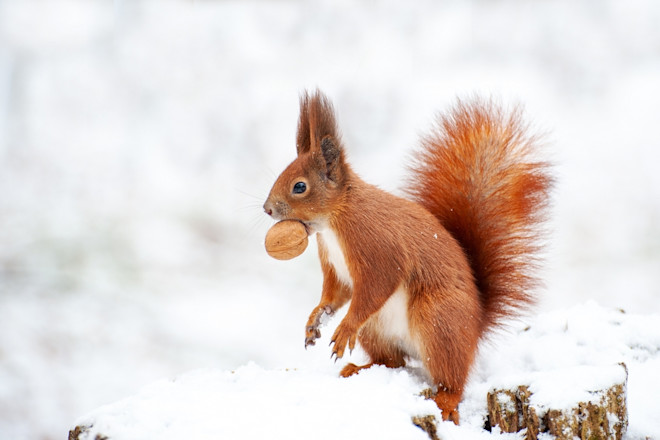
Food is harder to find in winter. Squirrels prepare by storing nuts and seeds in fall. These food caches help them survive when fresh food is scarce.
Common stored foods include:
- Acorns
- Walnuts
- Hickory nuts
- Sunflower seeds
Survival Challenges
Squirrels face many problems during cold winters. They need to find food and stay warm to survive.
Winter makes life harder for squirrels. They must avoid dangers and compete for limited resources.
Predators In Winter
Predators like hawks and foxes hunt squirrels even in winter. Snow makes it easier to spot them.
Squirrels stay alert and use quick movements to escape. They hide in trees or burrows to avoid being caught.
Extreme Weather Events
Freezing temperatures and heavy snow threaten squirrels. Cold weather can cause hypothermia or frostbite.
Strong winds and storms damage nests. Squirrels must find shelter and keep their nests insulated.
- Thick fur helps keep body heat
- Build nests with leaves and twigs
- Use tree cavities for shelter
- Reduce activity to save energy
Competition For Resources
Food is scarce in winter. Squirrels compete with other animals for nuts, seeds, and berries.
They store food in fall to prepare. Still, some squirrels may not find enough to eat during cold months.
- Cache food in hidden spots
- Search wide areas for food
- Compete with birds and other rodents
- Eat bark or buds if needed

Credit: www.cbc.ca
Frequently Asked Questions
How Do Squirrels Keep Warm In Cold Weather?
Squirrels grow thicker fur during winter to insulate their bodies. They also curl up tightly to conserve heat and reduce exposure to cold winds.
What Do Squirrels Eat During Extreme Cold?
Squirrels rely on stored nuts and seeds they gathered in warmer months. They may also eat bark, buds, and fungi when food is scarce.
Do Squirrels Hibernate In Winter?
No, squirrels do not hibernate. Instead, they remain active, using their nests for shelter and food caches to survive cold spells.
Where Do Squirrels Stay During Freezing Temperatures?
Squirrels stay in nests called dreys, built from leaves and twigs. These nests provide protection from wind, snow, and freezing temperatures.
Conclusion
Squirrels use clever ways to stay warm in cold weather. They find cozy places like tree holes and nests. Their thick fur helps block the cold wind. Storing food ahead keeps them fed when snow covers the ground. They slow down their body to save energy.
These smart habits help squirrels survive winter’s chill. Nature gave them strong tools to live through cold days. Watching squirrels shows us how animals adapt and stay alive. Survival takes patience, planning, and a little bit of warmth.