How to Survive a Hurricane Article: Essential Tips to Stay Safe
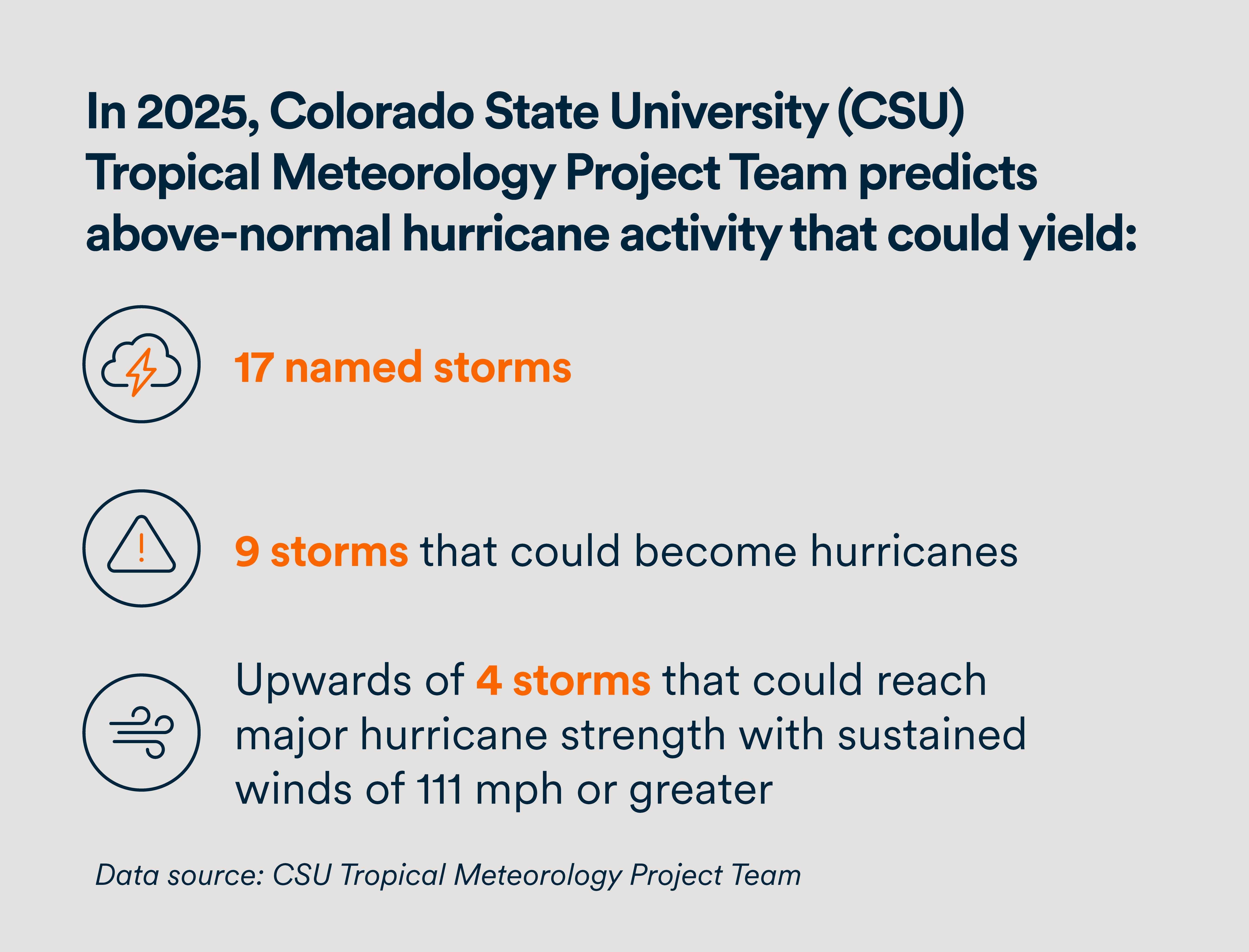
When a hurricane is on the horizon, uncertainty can swirl as powerfully as the storm itself. You might wonder how to best protect yourself and your loved ones.
The thought of facing nature’s fury is daunting, but you don’t have to do it alone. Imagine having a clear, step-by-step guide to calm your fears and prepare you effectively. This guide is here to empower you with practical tips and insights.
By the end of this article, you will feel confident and ready to handle whatever the storm may bring. Dive in, and let’s turn anxiety into action together.
Preparing Before The Storm
Hurricanes can cause serious damage. Preparing early helps keep you and your family safe.
Take time to plan and gather supplies before the storm arrives. This reduces risks and stress.
Creating An Emergency Plan
Make a clear plan for what to do during a hurricane. Share it with everyone in your home.
Decide where to go if you must leave. Choose a safe place and know the route to get there.
- List emergency contacts and important phone numbers
- Plan how to care for pets
- Know how to turn off utilities like gas and water
- Agree on a meeting spot if separated
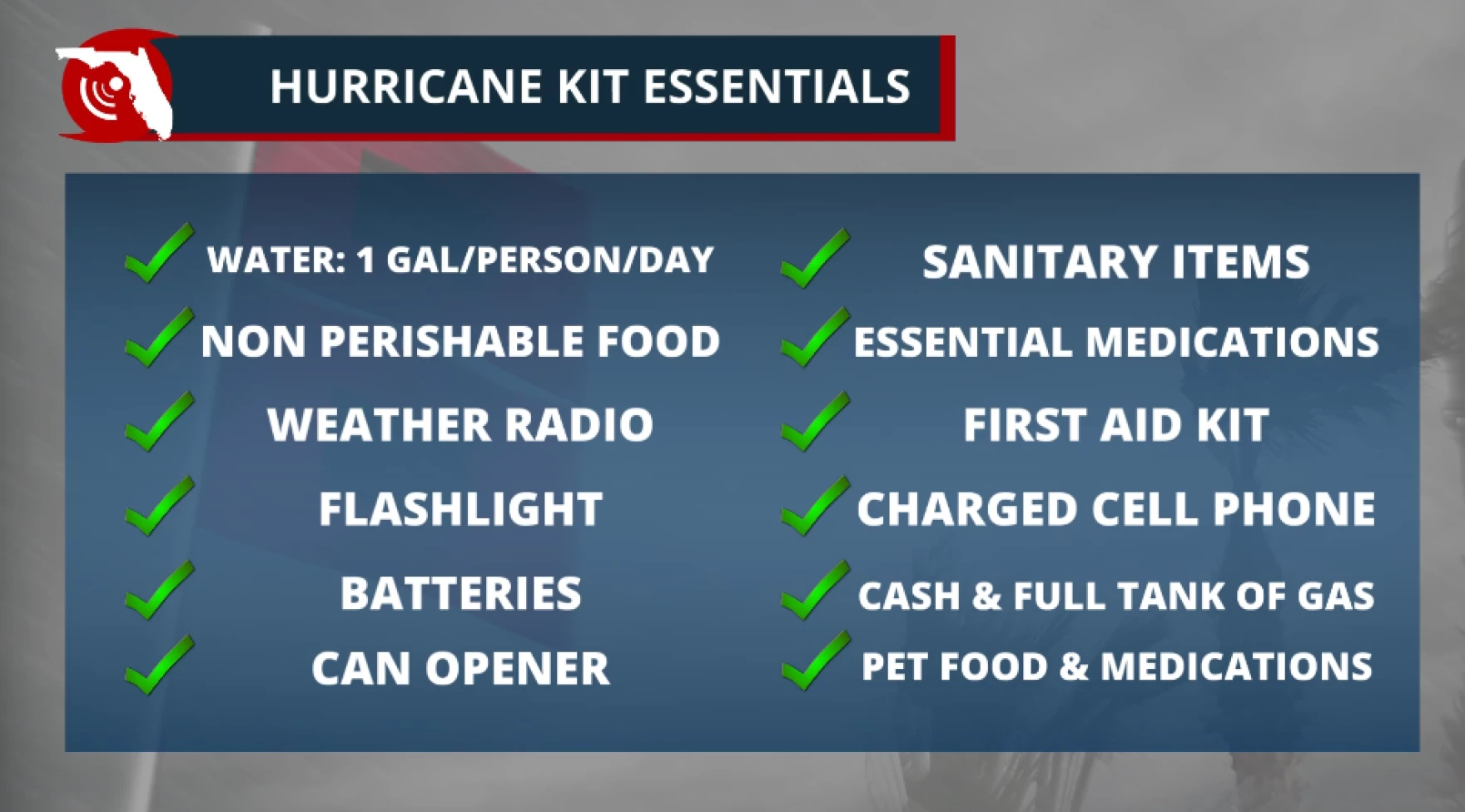
Assembling A Survival Kit
Gather supplies you will need if the power goes out or you cannot leave home.
Include items that support basic needs for several days. Check and update the kit regularly.
- Water (one gallon per person per day)
- Non-perishable food
- Flashlights and extra batteries
- First aid kit and medicines
- Battery-powered radio
- Important documents in a waterproof bag
- Cash in small bills
- Personal hygiene items
Securing Your Property
Protect your home and belongings to reduce damage from strong winds and rain.
Check your property early. Fix weak areas and move items indoors to keep them safe.
- Install storm shutters or cover windows with plywood
- Clear gutters and drains of debris
- Secure outdoor furniture and loose objects
- Trim trees and remove dead branches
- Check your roof for loose shingles
Staying Informed With Weather Updates
Keep up-to-date with the latest weather information during hurricane season.
Use reliable sources to receive alerts and warnings. This helps you act quickly if needed.
- Listen to local news and weather stations
- Sign up for emergency alerts on your phone
- Follow official government websites and social media
- Have a battery-powered or hand-crank radio
Credit: www.wmnf.org
During The Hurricane
Hurricanes bring strong winds and heavy rain. Staying safe during the storm is very important. Follow these tips to protect yourself and your family.
Find a safe place, keep power issues in mind, guard yourself from debris, and keep communication open. Each action helps you stay secure until the storm passes.
Finding A Safe Shelter
Choose a small, windowless room on the lowest floor of your home. Basements are best if you have one. Stay away from glass doors and windows to avoid injury.
- Use interior rooms like closets or bathrooms
- Bring pillows or blankets for comfort
- Keep a flashlight and a battery-powered radio nearby
- Stay inside until officials say it is safe
Managing Power Outages
Power may go out during the hurricane. Avoid opening the refrigerator often to keep food cold. Use flashlights instead of candles to prevent fires.
Tips for Power Outages:
- Charge your phone and devices before the storm
- Turn off electrical appliances to prevent damage
- Use generators outdoors only and away from windows
- Keep extra batteries for radios and flashlights
Protecting Against Flying Debris
Flying debris can cause serious injuries. Cover yourself with thick blankets or mattresses if you cannot reach a safe room. Wear sturdy shoes to protect your feet.
| Protection Item | Purpose |
| Thick blankets | Shield from flying glass and debris |
| Mattress | Extra barrier from impact |
| Sturdy shoes | Protect feet from sharp objects |
| Helmet or hard hat | Protect head from falling objects |
Communicating With Family And Authorities
Keep your phone charged and conserve battery life. Use text messages or social media to update your family. Call 911 only for emergencies to keep lines open.
- Set a meeting spot if you get separated
- Use a battery-powered radio for official updates
- Let others know you are safe when you can
- Follow instructions from local officials
Evacuation Tips
Knowing when and how to evacuate during a hurricane can save lives. Planning ahead helps you stay safe and reduces stress.
This guide covers key tips for evacuation. Follow these steps to protect yourself and your loved ones.
When To Evacuate
Evacuate as soon as local authorities order it. Do not wait until the last minute. Early evacuation avoids traffic and danger.
Choosing Safe Evacuation Routes
Select routes away from flood zones and low-lying areas. Use main roads and highways recommended by officials.
- Check for official evacuation maps online
- Avoid routes near rivers or coastlines
- Have an alternate route in case of roadblocks
- Keep gas tanks full before leaving
Packing Essentials For Evacuation
Pack light but include all critical items. Prepare a bag with supplies for at least three days.
| Item | Reason |
| Water (1 gallon per person/day) | Stay hydrated |
| Non-perishable food | Maintain energy |
| Medications | Health needs |
| Important documents | Proof of identity and property |
| Clothing and blankets | Comfort and warmth |
| Flashlight and batteries | Light during power outages |
| Phone charger | Stay connected |
Helping Vulnerable Individuals
Assist elderly, disabled, and children during evacuation. Plan extra time and support for their needs.
- Arrange transportation if they cannot drive
- Carry necessary medical devices or supplies
- Keep emergency contacts handy
- Stay close and communicate clearly
Credit: www.projecthope.org
After The Hurricane
After a hurricane passes, your safety is still very important. Many dangers remain in your area. It is important to stay calm and act carefully.
This guide helps you know what to do right after the storm ends. Follow these steps to stay safe and recover faster.
Assessing Damage Safely
Before checking your property, wait for official news that it is safe outside. Wear protective clothing like boots and gloves. Watch for broken glass and sharp objects.
Look for damage to your home and property carefully. Take photos for insurance claims. Do not enter buildings that seem unsafe.
Avoiding Hazards
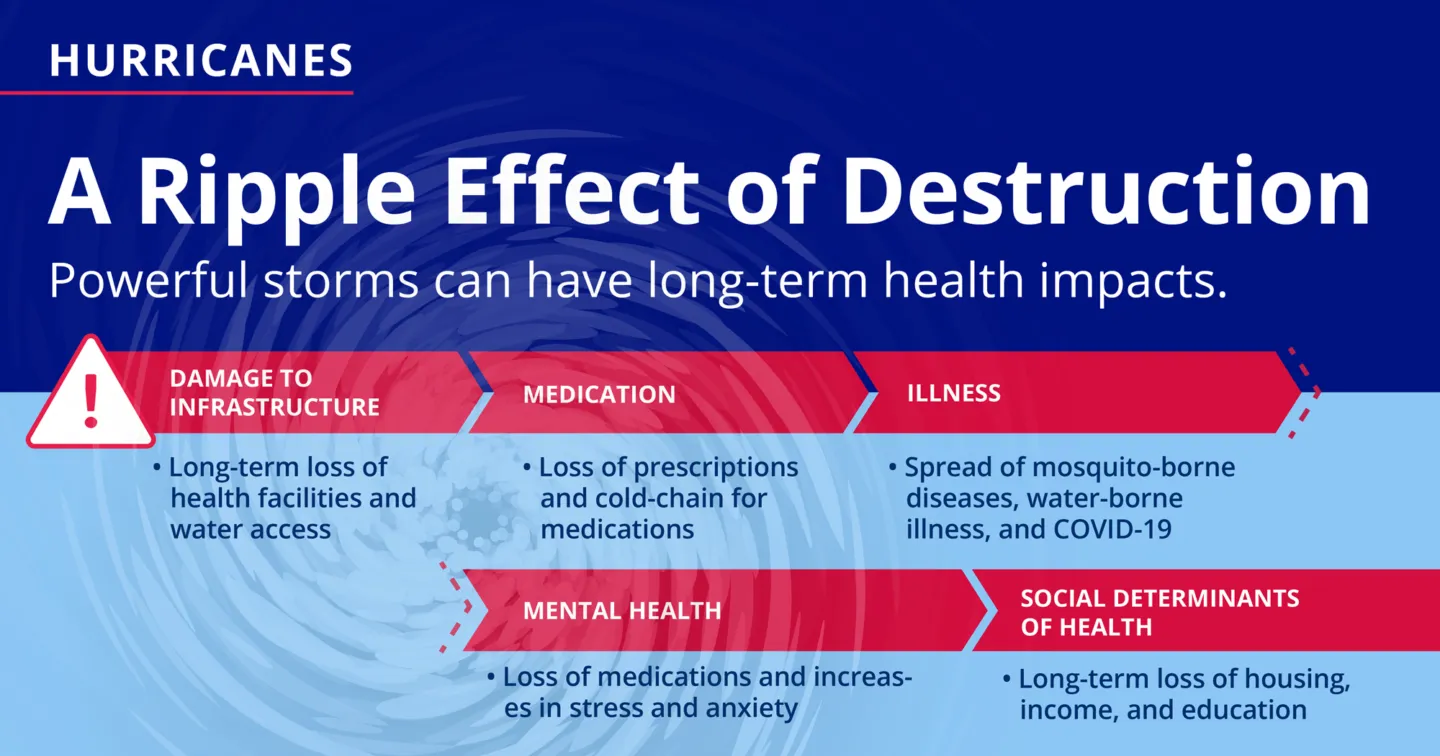
Stay away from fallen power lines and flooded areas. Water may hide dangerous objects or chemicals. Do not drink tap water until it is declared safe.
- Do not use candles to avoid fire risk
- Keep children and pets indoors
- Watch for snakes or wild animals
Restoring Utilities
Check if your gas, water, and electricity are working. If you smell gas, leave immediately and call emergency services. Do not turn power back on until a professional says it is safe.
Use generators outside your home to avoid carbon monoxide poisoning. Follow local instructions for safe utility restoration.
Accessing Emergency Services
If you need help, call emergency numbers or visit relief centers. Keep your phone charged and have a list of important contacts. Share your location if you are trapped or injured.
Emergency workers may take time to reach you. Stay patient and follow safety advice until help arrives.
Special Considerations
Surviving a hurricane needs extra care for some family members and pets. Planning for their needs helps keep everyone safe.
Here are key tips to care for pets, support children, assist the elderly and disabled, and handle emotional stress during the storm.
Caring For Pets
Pets rely on us for safety during a hurricane. Prepare a kit with food, water, and medicines for them. Keep them indoors to avoid danger.
- Store at least three days of food and water
- Keep leashes and carriers ready
- Have recent photos of your pets for identification
- Plan for a safe place to stay with your pets
- Never leave pets behind during evacuation
Supporting Children During The Storm
Children may feel scared or confused. Speak softly and answer their questions. Keep routines as normal as possible to help them feel safe.
- Explain what is happening in simple words
- Allow them to express their feelings
- Keep favorite toys or blankets nearby
- Stay close and offer comfort often
- Engage them in quiet activities like drawing or reading
Assisting Elderly And Disabled
The elderly and disabled need special help before and during a hurricane. Make sure they have medicines and supplies ready. Check if they need extra support.
| Need | Action |
| Medication | Fill prescriptions early and pack enough |
| Mobility | Arrange transport if needed for evacuation |
| Communication | Keep phone and emergency contacts handy |
| Assistance | Assign a family member or neighbor to check on them |
Dealing With Emotional Stress
Storms cause stress for everyone. Take breaks and talk with others. Use deep breathing to stay calm. Avoid too much news at once.
Tips for managing stress:
- Share feelings with family or friends
- Keep a simple routine for meals and rest
- Do light exercises if safe
- Focus on what you can control
- Ask for help if feeling overwhelmed
Credit: www.generac.com
Frequently Asked Questions
What Are The First Steps To Prepare For A Hurricane?
Start by securing your home and gathering emergency supplies. Create an evacuation plan and stay informed through official weather updates.
How Can I Create An Effective Hurricane Emergency Kit?
Include water, non-perishable food, flashlight, batteries, first aid, and important documents. Prepare enough supplies for at least three days.
When Should I Evacuate During A Hurricane Warning?
Evacuate immediately if local authorities advise. Don’t wait until the last minute to avoid traffic and danger.
How Can I Stay Safe Indoors During A Hurricane?
Stay away from windows and glass doors. Take shelter in a small, windowless room on the lowest floor.
Conclusion
Surviving a hurricane takes careful planning and quick action. Stay informed by following weather updates closely. Prepare your home and gather emergency supplies early. Always have a safe place to go during the storm. Remember, staying calm helps you make better decisions.
Protect yourself and your loved ones by following safety tips. Being ready can save lives and reduce damage. Keep this guide in mind to face hurricanes with confidence. Safety starts with preparation and staying alert at all times.