Does a Virus Survive in Cold Weather? Shocking Facts Revealed
Have you ever wondered if the chill in the air affects the viruses around you? It’s a question many of us ponder, especially as the seasons change and the temperature drops.
The idea that viruses could thrive in cold weather might make you feel uneasy, but understanding the truth can help you take control of your health. You’ll uncover whether viruses really do survive better in the cold and what that means for you and your loved ones.
Get ready to dive into some fascinating insights that could change how you view the frosty months ahead. Keep reading to find out how you can stay one step ahead of those pesky viruses.

Credit: weather.com
Virus Behavior In Cold Weather
Viruses can survive better in cold weather than in warm weather. Cold temperatures slow down their breakdown.
Understanding how viruses act in cold helps us prevent infections during winter.
How Low Temperatures Affect Viruses
Low temperatures make virus particles last longer on surfaces. Cold air also slows virus decay.
Viruses can stay active in the cold because their outer shell stays firm. This helps them infect people more easily.
- Cold slows virus breakdown
- Viruses can survive on surfaces longer
- Low humidity often comes with cold, helping viruses spread
- Cold weather makes people stay indoors, increasing virus spread
Common Viruses And Their Cold Resistance
Some viruses do better in cold weather than others. Flu viruses and coronaviruses survive well in low temperatures.
Other viruses, like those causing stomach flu, can also resist cold but may behave differently.
| Virus | Cold Resistance | Notes |
|---|---|---|
| Influenza (Flu) | High | Spreads more in winter due to cold air |
| Coronavirus | Moderate to High | Lasts longer on surfaces in cold, dry air |
| Rhinovirus (Common Cold) | Moderate | Thrives in cool, dry conditions |
| Norovirus | Moderate | Resistant but spread depends on hygiene |

Credit: www.weforum.org
Cold Weather And Virus Transmission
Cold weather can affect how viruses spread. Some viruses survive longer in cold air.
Understanding these effects helps us reduce infection risks during winter.
Impact On Airborne Spread
Viruses travel through tiny droplets in the air. Cold air is often dry, which helps these droplets stay longer.
- Low humidity in cold weather keeps droplets airborne.
- Cold temperatures slow virus decay outside the body.
- Viruses can remain infectious longer in cold, dry air.
- People breathe more through the nose, which can trap fewer viruses.
Role Of Indoor Crowding
Cold weather makes people stay indoors more. Crowded indoor spaces help viruses spread quickly.
| Factor | Effect on Virus Spread |
| Close contact | Increases virus transmission |
| Poor ventilation | Allows virus to build up in air |
| Longer time indoors | Raises chance of infection |
| Shared surfaces | Spreads virus by touch |
Survival Mechanisms Of Viruses
Viruses can survive outside a host for different times. Cold weather can affect their survival in many ways.
Understanding how viruses protect themselves helps explain how long they last in cold conditions.
Protective Viral Structures
Viruses have special parts that help them survive harsh environments. These parts protect their genetic material.
The outer layer, called a capsid, is made of proteins. Some viruses also have a lipid envelope that covers the capsid.
- The capsid keeps the virus stable and safe from damage.
- The envelope can protect the virus from drying out in cold air.
- Some viruses form tough shells to survive freezing temperatures.
Environmental Factors Influencing Longevity
Cold weather slows down virus activity. Low temperatures help viruses stay alive longer on surfaces.
Other factors affect how long viruses survive in cold weather. These include humidity, sunlight, and surface type.
- High humidity can help viruses stay active longer.
- Sunlight, especially UV rays, can destroy viruses quickly.
- Viruses last longer on hard, non-porous surfaces than soft ones.

Credit: www.mdpi.com
Misconceptions About Cold And Viruses
Many people believe cold weather helps viruses live longer. This idea is common during winter months.
This article explains what science says about cold weather and virus survival. It clears up myths and facts.
Myths Vs. Scientific Facts
Some think cold air directly causes viruses to spread more. This is not always true. Viruses behave differently depending on many factors.
- Myth:Cold air kills viruses quickly.
- Fact:Some viruses survive longer in cold, dry air.
- Myth:You catch a cold only because you are cold.
- Fact:Viruses cause colds, not low temperature alone.
- Myth:Viruses cannot live in warm weather.
- Fact:Many viruses spread in all seasons, not just winter.
Why Cold Itself Isn’t The Main Cause
Cold weather may help viruses last longer outside the body. But it is not the main reason people get sick in winter.
| Factor | Effect on Virus Spread |
| Indoor Crowding | More close contact increases virus spread. |
| Low Humidity | Helps some viruses stay in the air longer. |
| Weakened Immunity | Cold may reduce body defenses slightly. |
| Cold Temperature | Can help viruses survive outside the body. |
Preventing Virus Spread In Winter
Cold weather can help viruses survive longer on surfaces. This makes it easier for viruses to spread during winter. Taking steps to stop viruses is very important.
Simple actions can reduce the chance of getting sick. Keeping clean and getting vaccines are key ways to protect yourself and others.
Effective Hygiene Practices
Washing hands often stops germs from spreading. Use soap and water for at least 20 seconds. If soap is not available, use hand sanitizer with at least 60% alcohol.
Cover your mouth and nose when coughing or sneezing. Use a tissue or your elbow. Throw tissues away right after use and wash your hands.
- Wash hands after touching public surfaces
- Avoid touching your face with unwashed hands
- Clean and disinfect frequently touched objects
- Keep distance from people who are sick
Importance Of Vaccination
Vaccines help your body fight viruses. They lower your chance of getting sick in winter. Vaccines also reduce how severe illness can be.
Getting vaccinated protects you and people around you. It helps stop the virus from spreading in the community. Check with your doctor about recommended vaccines.
- Get the flu vaccine every year
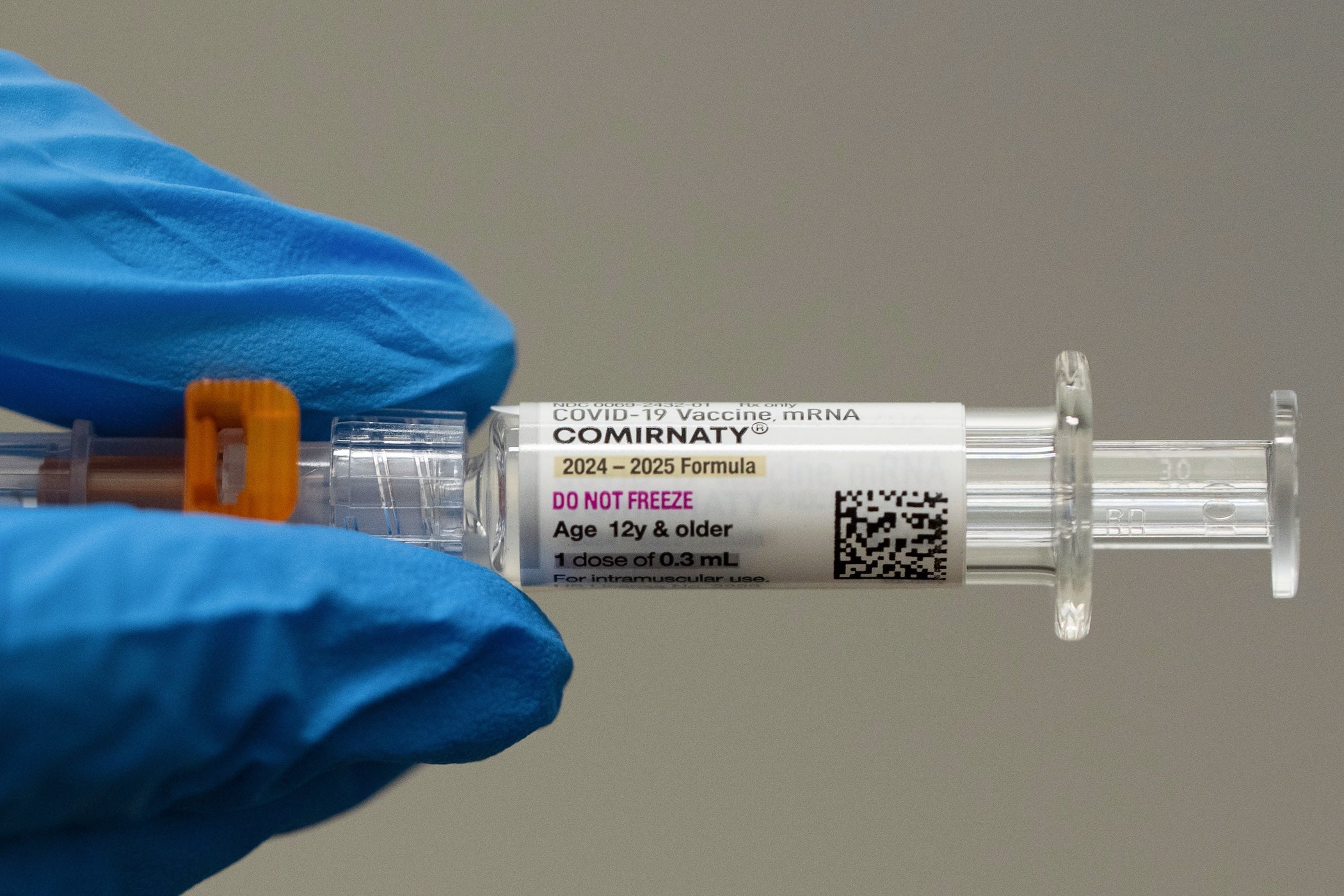
- Consider COVID-19 vaccines and boosters
- Vaccines are safe and tested
- Vaccination helps protect children and elderly
Frequently Asked Questions
Does Cold Weather Help Viruses Survive Longer?
Yes, cold weather can help some viruses survive longer on surfaces. Low temperatures slow down virus decay, extending their lifespan. This increases the risk of transmission, especially in winter months when people gather indoors.
Can Viruses Spread More Easily In Cold Climates?
Viruses spread more easily in cold climates due to close indoor contact. Dry air in cold weather also weakens immune defenses, making infections more likely. This combination increases virus transmission during colder seasons.
Do All Viruses Survive Equally In Cold Weather?
No, not all viruses survive equally in cold weather. Some viruses, like the flu and coronaviruses, thrive in cold conditions. Others may be less stable or inactive in low temperatures, depending on their structure.
How Does Cold Weather Affect Virus Transmission Rates?
Cold weather increases virus transmission rates by promoting indoor gatherings. It also reduces humidity, which helps viruses stay airborne longer. These factors combined lead to higher infection rates in cold seasons.
Conclusion
Viruses can survive longer in cold weather. Cold slows down their breakdown. This means they stay active on surfaces more. But cold alone does not make viruses spread faster. Human behavior also plays a big role. Washing hands and wearing masks still help a lot.
Staying warm and healthy supports your immune system. Understanding these facts helps us stay safe year-round. Stay cautious and protect yourself no matter the season.