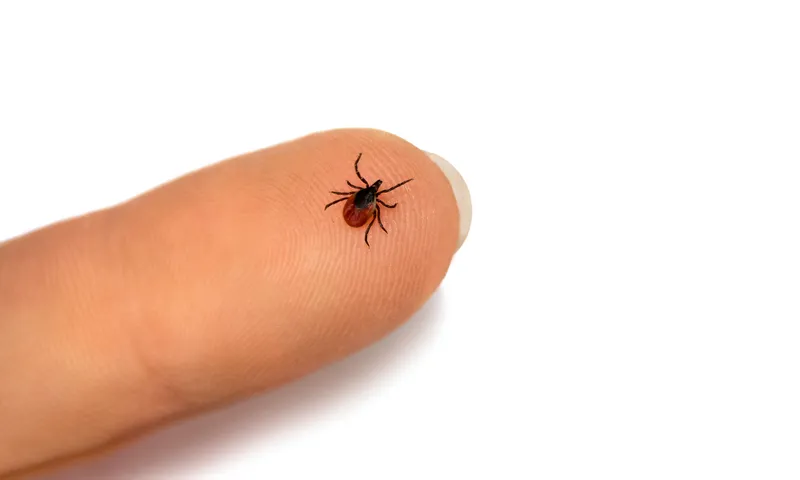
Do Ticks Survive Cold Weather: Shocking Truth Revealed
As the chilly winds of winter approach, you might think you can finally relax about ticks. After all, cold weather should mean the end of those pesky parasites, right?
But the truth might surprise you. Understanding how ticks survive—and thrive—even in freezing temperatures is crucial for keeping you, your family, and your pets safe. You’ll discover the surprising resilience of ticks in cold weather and learn how to protect yourself year-round.
Don’t let your guard down just because the temperature drops. Read on to find out why ticks are a concern every season and what you can do to stay one step ahead.
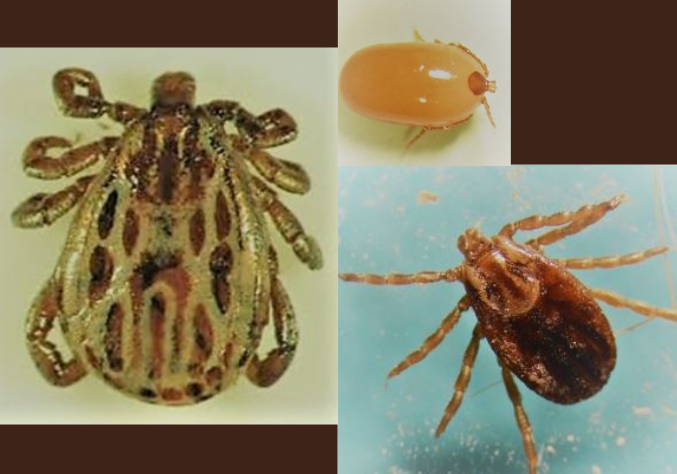
Credit: www.drovers.com
Tick Biology And Cold Weather
Ticks are small parasites that feed on blood from animals and humans. They live in many places worldwide. Cold weather affects their behavior and survival.
Understanding how ticks survive cold helps us know when they are active. This can reduce the risk of tick bites.
Tick Species And Habitats
Ticks belong to many species. Each species prefers different habitats. Some live in forests, others in grasslands or gardens.
- Deer ticks often live in wooded areas with tall grass.
- Lone star ticks are found in warm, humid forests.
- Dog ticks prefer open fields and low vegetation.
- Some ticks survive in cold mountain regions.
How Ticks Respond To Temperature
Ticks react differently to cold. Some stop feeding and enter a state like hibernation. Others seek shelter to avoid freezing.
| Tick Species | Cold Weather Strategy | Survival Rate |
| Deer Tick | Burrows in leaf litter | High |
| Lone Star Tick | Seeks warm microhabitats | Medium |
| Dog Tick | Dies if exposed to freezing | Low |
| Winter Tick | Active under snow cover | High |
Survival Mechanisms In Winter
Ticks face cold temperatures in winter. They use special ways to survive the cold. These methods help them stay alive until warm weather returns.
Understanding these survival mechanisms shows how ticks adapt to tough conditions. It explains why ticks can still be found after winter.
Antifreeze Proteins In Ticks
Ticks produce antifreeze proteins to avoid freezing inside their bodies. These proteins lower the freezing point of their body fluids. This stops ice crystals from forming.
- Antifreeze proteins bind to ice crystals
- They stop ice from growing larger
- This protects cells from damage
- Helps ticks survive very low temperatures
Burrowing And Shelter Strategies
Ticks use the environment to stay safe from cold. Many ticks burrow into soil or hide under leaves. These spots are warmer than the air.
| Strategy | How It Helps |
| Burrowing into soil | Protects from frost and wind |
| Hiding under leaf litter | Keeps moisture and warmth |
| Climbing low vegetation | Reduces exposure to cold air |
Impact Of Cold On Tick Activity
Ticks are small parasites that feed on blood from animals and humans. Their activity changes a lot when cold weather arrives. Cold temperatures affect how often ticks move and look for hosts.
Understanding how ticks behave in cold weather helps us know the risk of tick bites during winter. Ticks use different ways to survive the cold months.
Behavioral Changes During Winter
Ticks become less active when the temperature drops. They stop moving around as much and hide in places that protect them from cold. This helps them avoid freezing.
Ticks usually stay under leaves, soil, or bark where it is warmer. They wait quietly for spring to come before they start looking for hosts again.
- Ticks reduce their movement
- They hide in protected spots
- They avoid freezing by staying in warm places
Dormancy And Reduced Metabolism
Ticks enter a state called dormancy during cold months. Their body processes slow down a lot. This helps them save energy when food is hard to find.
Reduced metabolism means ticks do not need to eat often. They can survive long periods without a blood meal while they wait for warmer weather.
- Dormancy lowers ticks’ energy use
- Metabolism slows to save energy
- Ticks survive long cold periods without feeding
Ticks And Climate Variability
Ticks are tiny creatures that live outdoors. They can carry diseases and affect people and animals.
Climate changes can change how ticks survive and grow. Understanding this helps us stay safe.
Effects Of Mild Winters
Mild winters mean warmer temperatures and less snow. These conditions help ticks survive longer.
- Ticks face less cold stress in mild winters.
- More ticks survive to the next season.
- Warmer weather can lengthen tick activity periods.
- Hosts like deer also stay active longer, helping ticks feed.
Winter Tick Population Trends
Winter tick numbers vary based on temperature and snow cover. Scientists track these changes to predict risks.
| Year | Average Winter Temperature (°F) | Tick Population Growth (%) |
|---|---|---|
| 2018 | 30 | 5 |
| 2019 | 35 | 15 |
| 2020 | 38 | 25 |
| 2021 | 40 | 30 |
Health Risks In Cold Seasons
Ticks are small insects that can spread diseases to humans. Many people think ticks die in cold weather. This is not always true. Some ticks can survive winter and still bite people.
Cold weather does not stop all tick activity. Ticks can hide in leaves and soil to stay warm. They wait for a chance to find a host. This means health risks from ticks continue in cold seasons.
Tick-borne Diseases Year-round
Ticks can carry diseases all year. These diseases can make people very sick. Some common tick-borne diseases include Lyme disease and Rocky Mountain spotted fever.
Even in winter, ticks can bite and pass on diseases. People who work or play outside in cold weather should stay aware. Early signs of tick diseases need quick medical care.
- Lyme disease causes fever, fatigue, and rash
- Rocky Mountain spotted fever leads to headache and muscle pain
- Other diseases cause joint pain and tiredness
- Cold weather does not stop ticks from spreading germs
Preventing Tick Bites In Winter
Protect yourself from tick bites even in winter. Wearing proper clothing helps stop ticks from reaching your skin. Use gloves and boots when working outside.
Check your body and clothes for ticks after being outdoors. Removing ticks quickly lowers the chance of disease. Keep your yard clean from leaves and tall grass where ticks hide.
- Wear long sleeves and pants
- Use insect repellent approved for ticks
- Inspect your skin and clothes after outdoor activities
- Clear leaf litter and brush near your home
- Remove ticks with tweezers promptly
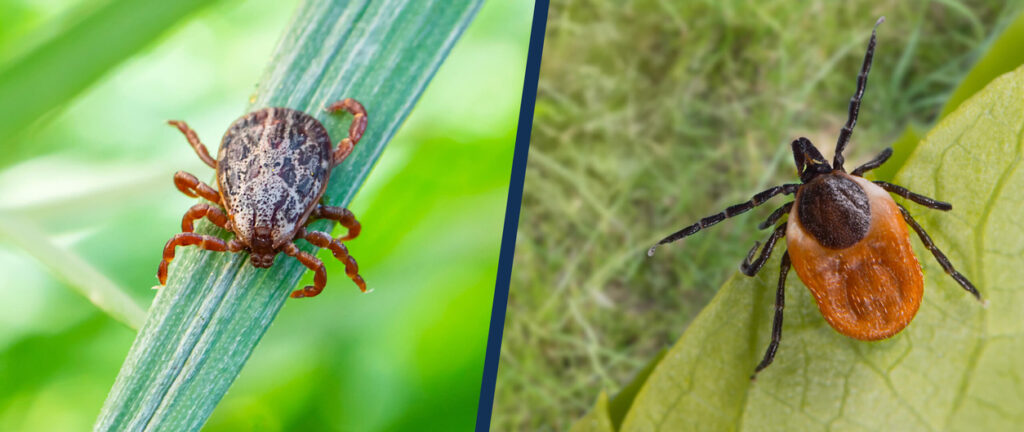
Credit: americanpest.net

Credit: tickcontrol.com
Frequently Asked Questions
Do Ticks Survive Freezing Winter Temperatures?
Yes, ticks can survive freezing temperatures by burrowing into leaf litter or soil, entering a dormant state until warmer weather returns.
How Do Ticks Stay Active In Cold Weather?
Ticks reduce activity in cold weather but remain alive under snow or debris, reactivating when temperatures rise above freezing.
Can Cold Weather Kill All Ticks?
Cold weather alone rarely kills all ticks. Many species adapt by seeking insulated areas to survive winter months.
When Do Ticks Become Inactive Due To Cold?
Ticks generally become inactive below 35°F (1. 6°C), entering dormancy but can survive until conditions improve in spring.
Conclusion
Ticks can survive cold weather by hiding in warm places. They slow down but do not die easily. Snow and ice do not kill all ticks. This means you should stay careful even in winter. Check yourself and pets after being outside.
Wearing protective clothes helps too. Knowing this keeps you safe from tick bites. Stay aware all year round to avoid problems.


