
Can Aloe Plants Survive Cold Weather? Essential Care Tips
Have you ever wondered if your aloe plants can brave the chill of winter? You’re not alone.
Many plant enthusiasts face the dilemma of protecting their beloved aloe plants from the harsh, cold weather. These resilient succulents, known for their healing properties and low-maintenance care, may surprise you with their ability to endure the cold. But how cold is too cold for an aloe plant?
And what can you do to ensure they thrive even when temperatures drop? Stick around, as we delve into the secrets of keeping your aloe plants healthy and vibrant, no matter what the weather throws their way.

Credit: www.reddit.com
Aloe Plant Basics
Aloe plants are easy to grow and care for. They have thick, fleshy leaves that store water.
These plants are popular for their health benefits and unique look. They can survive in dry places.
Common Aloe Varieties
There are many aloe types. Some are small, some grow tall. Each has different leaf shapes and colors.
- Aloe Vera: The most known type with thick green leaves.
- Aloe Aristata: Small with spotted leaves and soft spikes.
- Aloe Ferox: Large with red-tipped leaves, used in medicines.
- Aloe Juvenna: Compact with triangular leaves and white spots.
- Aloe Maculata: Has wide leaves with dark spots and sharp teeth.
Natural Habitat And Climate
Aloe plants come from warm, dry places. They grow in deserts and rocky areas.
| Climate | Temperature Range | Rainfall | Soil Type |
| Desert | 50°F to 90°F (10°C to 32°C) | Very low | Sandy, well-drained |
| Coastal | 60°F to 80°F (15°C to 27°C) | Low to moderate | Loamy, well-drained |
| Mountainous | 40°F to 75°F (4°C to 24°C) | Low | Rocky, well-drained |
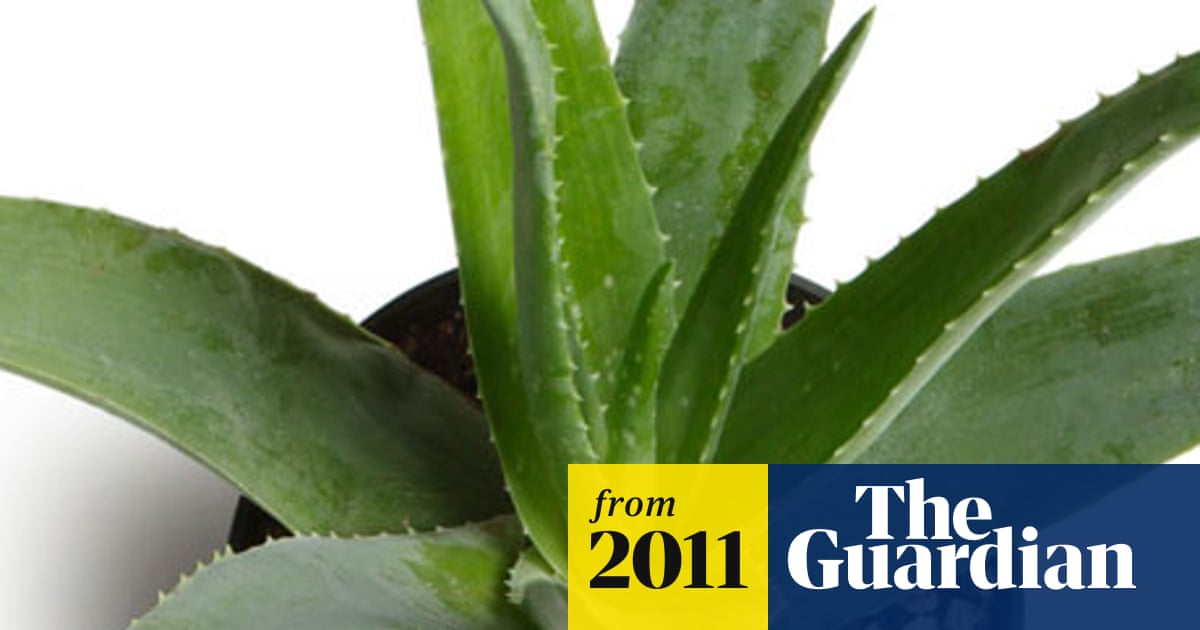
Credit: www.theguardian.com
Cold Weather Effects
Aloe plants grow well in warm climates. Cold weather can cause problems for them. Understanding how cold affects aloe helps you protect them.
Cold can slow aloe growth or even kill the plant. Knowing the signs and temperature limits is important for plant care.
Temperature Thresholds
Aloe plants do best above 50°F (10°C). They can survive short drops near freezing but suffer damage below 32°F (0°C). Prolonged cold harms their leaves and roots.
| Temperature Range | Effect on Aloe |
| Above 50°F (10°C) | Healthy growth |
| 32°F to 50°F (0°C to 10°C) | Slow growth, stress |
| Below 32°F (0°C) | Frost damage, death risk |
Signs Of Cold Damage
Cold damage shows in aloe leaves and overall plant health. Early detection helps save the plant.
- Leaves turn brown or black
- Leaves become soft or mushy
- Plant looks wilted or shriveled
- Growth stops or slows significantly
- Roots may rot if soil stays cold and wet
Protecting Aloe In Winter
Aloe plants do not like cold weather. They can get damaged when temperatures drop below freezing. Protecting aloe in winter helps it stay healthy.
Knowing how to care for aloe indoors and outdoors is important. Use frost covers and mulch to keep your plant safe from cold.
Indoor Vs Outdoor Care
Indoor aloe plants need less protection from cold. Keep them near a sunny window where they get light and warmth. Avoid placing aloe near cold drafts or heaters.
Outdoor aloe plants face more risks in winter. They need extra care to survive frost or snow. Moving them indoors or to a sheltered area can help. If moving is not possible, use frost covers and mulch.
Using Frost Covers And Mulch
Frost covers protect aloe leaves from freezing air. Use light cloth or special frost blankets. Do not use plastic directly on the plant because it can trap moisture and cause rot.
Mulch helps keep the soil warm and protects the roots. Use dry leaves, straw, or bark around the base of the plant. Mulch also keeps moisture in the soil during cold months.
- Cover aloe with breathable frost cloth at night
- Remove covers during sunny daytime
- Apply 2-3 inches of mulch around aloe base
- Check soil moisture and water lightly if dry
Watering And Soil Tips
Aloe plants need special care in cold weather. Water and soil play a big role in their survival.
Adjusting how you water and the soil type can help aloe plants stay healthy during cold months.
Adjusting Watering In Cold
Aloe plants need less water in cold weather. Too much water can cause root rot.
- Water only when the soil is dry to touch.
- Reduce watering frequency to once every 3-4 weeks.
- Use room temperature water to avoid shocking the roots.
- Do not let water sit in the pot’s saucer.
- Keep the plant in a spot with good air circulation.
Best Soil Conditions
Well-draining soil helps aloe plants survive cold weather. It prevents water from pooling around roots.
| Soil Type | Features |
| Sandy Soil | Drains quickly, prevents root rot |
| Perlite Mix | Improves aeration and drainage |
| Cactus Potting Mix | Specially made for succulents |
| Peat-Free Soil | Reduces moisture retention |
Light And Temperature Needs
Aloe plants are popular for their easy care and health benefits. Knowing their light and temperature needs helps them survive cold weather.
This guide explains how to provide the right light and temperature for aloe plants during cold seasons.
Ideal Light Exposure
Aloe plants need bright light to grow well. They prefer indirect sunlight or filtered light inside.
Too much direct sun can burn their leaves, especially through cold, clear windows.
- Place aloe near a south or east window
- Use sheer curtains to soften direct sun
- Avoid dark or low-light areas
- Consider grow lights if natural light is weak
Maintaining Optimal Temperature
Aloe plants do not tolerate freezing temperatures. Keep them in a warm spot above 50°F (10°C).
Cold drafts and sudden temperature drops can harm the plant. Avoid placing aloe near doors or windows that open often.
- Ideal temperature range: 55°F to 80°F (13°C to 27°C)
- Move aloe indoors before frost or cold snaps
- Use a room with stable temperature
- Keep aloe away from heaters or vents

Credit: www.reddit.com
Rescuing Cold-damaged Aloe
Aloe plants do not like cold weather. Freezing temperatures can hurt their leaves and roots. If your aloe gets cold damage, you can help it recover.
Act quickly to save your aloe. The right care helps the plant grow strong again.
Pruning And Recovery
Cut off parts of the aloe that look brown or mushy. These parts are dead and can spread disease to healthy areas. Use clean scissors or a sharp knife to prune.
After pruning, keep the aloe in a warm, bright place. Avoid direct sunlight at first. Water only when the soil is dry to prevent root rot.
- Remove dead leaves carefully
- Use clean tools for cutting
- Place aloe in indirect light
- Water sparingly during recovery
Preventing Future Damage
Keep aloe plants indoors or in a protected area during cold months. Use frost cloth or blankets if temperatures drop. Avoid watering too much in winter.
Choose spots that get sunlight but stay shielded from strong winds. Check the weather forecast and move plants if frost is expected.
- Move aloe indoors before cold weather
- Cover plants with frost cloth if outside
- Water only when soil is dry in winter
- Choose sheltered, sunny locations
Frequently Asked Questions
Can Aloe Plants Tolerate Frost And Freezing Temperatures?
Aloe plants are sensitive to frost and cannot survive freezing temperatures. Exposure to frost damages their leaves and roots, causing death. They thrive best in temperatures above 50°F (10°C). Protect aloe plants by bringing them indoors or covering them during cold spells.
How To Protect Aloe Plants During Cold Weather?
To protect aloe plants in cold weather, move them indoors or into a greenhouse. Use frost cloths or blankets when outdoors. Avoid watering during cold snaps to prevent root rot. Ensure they receive enough sunlight and maintain well-draining soil.
What Is The Ideal Temperature Range For Aloe Plants?
Aloe plants prefer temperatures between 55°F and 80°F (13°C to 27°C). They grow best in warm, dry climates. Temperatures below 50°F (10°C) can stress the plant, and below freezing can kill it. Maintain warmth for healthy aloe growth.
Can Aloe Plants Recover After Cold Damage?
Aloe plants can sometimes recover if cold damage is mild. Remove damaged leaves and reduce watering to prevent rot. Keep the plant in a warm, bright spot to encourage new growth. Severe frost damage may be irreversible.
Conclusion
Aloe plants struggle in cold weather below 50°F. They need warmth and sunlight to stay healthy. Protect them by bringing indoors or using covers during frost. Some aloe types handle cooler temps better than others. Watch for signs of cold damage like browning leaves.
With proper care, aloe plants can survive mild chills. Keep them dry and avoid freezing conditions. Remember, warmth is key for these desert plants. Simple steps help your aloe thrive, even when cold weather comes.


