Can a House Survive a Cat 4 Hurricane? Essential Survival Tips
Imagine the sky turning dark and the wind howling fiercely outside your window. A Category 4 hurricane is approaching, and you wonder, “Can my house withstand the storm?”
This question might be racing through your mind, sparking a mix of anxiety and urgency. Understanding the resilience of your home in the face of such a powerful force of nature is crucial for your peace of mind and safety.
We’ll uncover the secrets of what makes a house strong enough to weather a Category 4 hurricane. You’ll discover essential tips and strategies to fortify your home, ensuring it stands tall against the storm’s wrath. By the end, you’ll feel empowered and ready to take the necessary steps to protect your home and loved ones. Stick with us as we explore these vital insights that could make all the difference.
Cat 4 Hurricane Impact
A Category 4 hurricane brings very strong winds and heavy rain. These storms can cause serious damage to homes and buildings.
Understanding how a house can survive such a storm helps with better preparation and safety.
Wind Speeds And Damage
Category 4 hurricanes have wind speeds between 130 and 156 mph. These winds can tear off roofs and break windows.
Flying debris can hit walls and cause holes. Strong winds can also push trees onto houses, damaging them further.
- Roofs may be lifted or removed
- Windows can shatter from debris
- Walls may crack or collapse
- Outdoor structures like garages can be destroyed
Flooding Risks
Heavy rain and storm surge cause flooding during a Category 4 hurricane. Water can enter homes through doors, windows, and cracks.
Flooding damages floors, walls, and electrical systems inside the house. It can also weaken the building’s foundation.
- Storm surge can flood coastal areas
- Rainwater may collect around the house
- Basements and lower floors are most at risk
- Flood water can cause mold and rot
Common Structural Failures
Houses often fail at weak points during a Category 4 hurricane. These include the roof, windows, and foundation.
Poor construction or old materials increase the risk of damage. Houses without storm shutters or strong doors may lose protection.
- Roof trusses can break under wind pressure
- Windows and doors may blow in
- Walls can crack or fall down
- Foundations can shift or crack from flooding

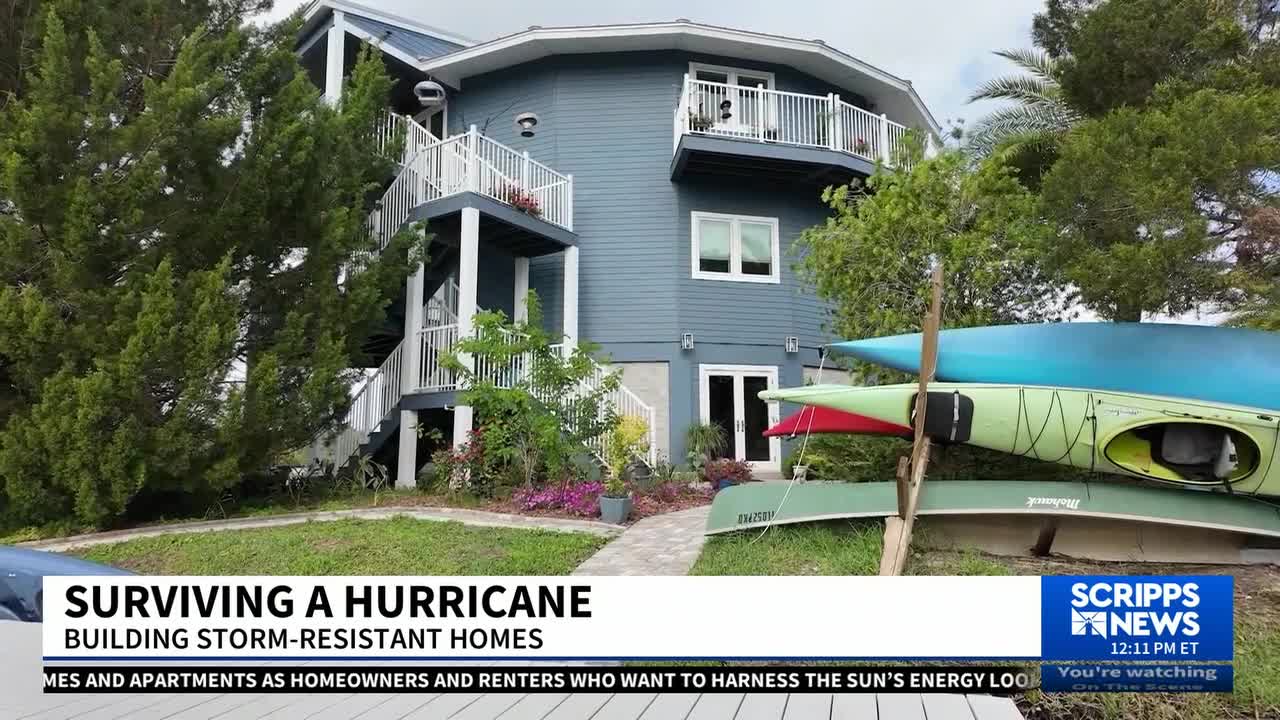
Credit: www.scrippsnews.com
House Design For Durability
Houses must be strong to survive a Category 4 hurricane. This storm can bring very high winds and heavy rain. Good house design helps protect against damage.
Building with durable materials and smart features can keep homes safer. Key parts to focus on are the roof, windows, and foundation.
Reinforced Roofs
Roofs face the strongest winds in a hurricane. A reinforced roof uses strong materials and extra support. This helps it stay in place and not blow off.
Metal straps or clips connect the roof to the walls. Roofs with fewer seams also lose less wind pressure. A steep roof helps rainwater run off quickly.
- Use metal straps to anchor the roof
- Choose strong materials like metal or concrete tiles
- Design a steep slope for water runoff
Storm-resistant Windows
Windows are vulnerable during hurricanes. Storm-resistant windows use special glass that does not break easily. They also have strong frames to hold the glass tight.
Shutters add extra protection by covering the windows. These windows reduce water and wind damage inside the house.
- Install impact-resistant glass
- Use strong window frames made of vinyl or aluminum
- Add shutters or storm panels for extra safety
Elevated Foundations
Flooding is common in hurricanes. An elevated foundation raises the house above flood levels. This keeps water from entering the home.
Piers, stilts, or raised concrete bases are used to lift the house. This design also helps avoid damage from debris in floodwaters.
- Build on piers or stilts above flood level
- Use strong concrete bases to support weight
- Ensure good drainage around the foundation
Materials That Withstand Storms
Building a house that can survive a Category 4 hurricane means using strong materials. These materials protect the house from wind, rain, and flying debris.
Choosing the right siding, framing, and waterproof barriers helps keep the home safe and dry during a storm.
Impact-resistant Siding
Impact-resistant siding can stop strong winds and flying debris from damaging the outside walls. This siding is made from tough materials like fiber cement and reinforced vinyl.
- Fiber cement siding is dense and does not catch fire easily.
- Reinforced vinyl siding is flexible and can bend without breaking.
- Metal siding offers strong resistance to wind and hail.
Strong Framing Options
The frame holds the entire house together. Strong framing options use heavy wood or steel to resist hurricane forces.
| Framing Material | Strength | Resistance to Hurricane |
| Heavy Timber | High | Good |
| Steel | Very High | Excellent |
| Engineered Wood | Medium | Moderate |
Waterproof Barriers
Waterproof barriers stop water from entering the house during heavy rain. These barriers protect walls and the interior from water damage.
Common types of waterproof barriers include:
- House wrap sheets that block water but allow vapor to escape
- Liquid-applied membranes that seal gaps and joints
- Roof underlayment to protect the roof deck from leaks
Pre-storm Preparation
Preparing your house before a Category 4 hurricane is very important. It helps protect your home and family from strong winds and heavy rain.
Taking the right steps early can reduce damage and keep everyone safe during the storm.
Securing Outdoor Items
Loose outdoor items can become dangerous flying objects during a hurricane. You must secure or remove them to prevent damage.
Bring in furniture, grills, and toys. Tie down heavy items if you cannot move them inside.
- Store patio furniture inside
- Secure trash cans and bins
- Bring pets’ items indoors
- Trim weak tree branches
Protecting Windows And Doors
Windows and doors are vulnerable points in a hurricane. Protecting them can stop wind and water damage.
Use storm shutters or plywood to cover windows. Make sure doors are strong and locked tightly.
- Install impact-resistant shutters
- Cover windows with 5/8 inch plywood
- Seal door gaps with weather stripping
- Reinforce garage doors if possible
Emergency Supplies Checklist
Have emergency supplies ready before the storm arrives. These supplies help you stay safe and comfortable if power or water is lost.
| Supplies | Details |
|---|---|
| Water | At least one gallon per person per day for 3 days |
| Non-perishable Food | Ready-to-eat canned goods and snacks |
| Flashlights and Batteries | Extra batteries for light and communication |
| First Aid Kit | Basic medical supplies and medications |
| Portable Phone Charger | Keep your phone charged without electricity |
| Cash | Small bills in case ATMs are down |
During The Hurricane
Hurricanes bring strong winds and heavy rain that can damage homes. Staying safe during the storm is very important.
Knowing where to go and how to stay connected can protect you and your family.
Safe Areas In The Home
Choose a small, windowless room on the lowest floor to stay safe. Bathrooms, closets, and interior hallways work well.
- Avoid rooms with many windows
- Stay away from glass doors
- Keep a mattress or heavy blankets nearby for protection
- Bring a flashlight and emergency kit
Emergency Communication
Keep your phone charged and ready. Text messages often work better than calls during storms.
| Device | Use | Tip |
| Cell Phone | Text family and emergency services | Save important numbers in advance |
| Battery Pack | Charge phones if power goes out | Keep fully charged before the hurricane |
| Radio | Listen to weather updates | Use a hand-crank or battery-powered radio |
Power Outage Management
Power outages are common during hurricanes. Prepare to manage without electricity.
- Turn off appliances to avoid damage
- Use flashlights instead of candles
- Keep refrigerator and freezer doors closed
- Have extra batteries and power banks ready
Credit: www.sunherald.com
Post-storm Recovery
After a Category 4 hurricane, recovering your home takes time and care. Safety comes first before starting repairs.
Knowing how to check damage, stop mold, and handle insurance helps your home get back to normal.
Assessing Structural Damage
Look for cracks in walls, broken windows, and roof damage. Do not enter if the building feels unsafe.
- Check the foundation for cracks or shifts.
- Inspect the roof for missing shingles or holes.
- Look inside for water damage and fallen ceilings.
- Note any broken doors and windows.
- Take photos for records and insurance.
Preventing Mold And Mildew
Wet areas can grow mold fast. Dry your home quickly to keep mold away.
- Open windows to air out rooms.
- Use fans and dehumidifiers to remove moisture.
- Remove wet carpets and furniture.
- Clean hard surfaces with mold-killing solutions.
- Wear gloves and masks during cleanup.
Insurance Claims Tips
Filing a claim right helps you get money for repairs. Keep good records of your losses.
| Tip | Reason |
| Take photos of all damage | Proof for your claim |
| Keep receipts for repairs and cleaning | Show costs spent |
| Contact your insurer quickly | Start the claim process |
| Document conversations with agents | Track your claim progress |
| Get professional estimates | Support your damage value |
Long-term Resilience Strategies
Hurricanes can damage homes badly, especially strong ones like a Category 4. Planning for long-term strength helps houses stand better against storms. It is important to use smart building methods and community efforts.
These strategies include fixing old homes, preparing communities, and following building rules. Each part plays a role in protecting lives and property from hurricane damage.
Retrofitting Older Homes
Older homes often need upgrades to survive strong winds and water. Retrofitting means adding parts or strengthening the structure to resist hurricanes better.
- Install storm shutters on windows and doors
- Reinforce the roof with hurricane straps
- Secure garage doors to prevent blowouts
- Seal gaps to stop water leaks inside
- Strengthen foundation and walls with braces
Community Preparedness
Communities that prepare together reduce damage and risks during hurricanes. Sharing resources and information helps everyone stay safe.
| Preparedness Action | Benefit |
| Emergency drills | Teach quick and safe evacuation |
| Storm shelters | Provide safe places for residents |
| Community alerts | Warn residents early about dangers |
| Resource sharing | Ensure enough supplies like water and food |
| Local training | Help first responders and volunteers |
Building Codes And Regulations
Strong building codes guide builders to create safer homes. These laws require materials and designs that resist hurricane forces.
Key building code elements for hurricane resilience:
- Wind load requirements for roofs and walls
- Impact-resistant windows and doors
- Elevated structures to avoid flooding
- Proper anchoring of the foundation
- Regular inspections to enforce rules

Credit: www.multifamilyexecutive.com
Frequently Asked Questions
Can A House Withstand Cat 4 Hurricane Winds?
A house can survive Cat 4 hurricane winds if built with strong materials. Proper design, reinforced windows, and secure roofing increase survival chances significantly.
What Building Materials Resist Cat 4 Hurricanes Best?
Concrete, reinforced steel, and impact-resistant glass offer the best protection. These materials help houses endure strong winds and flying debris during Cat 4 hurricanes.
How Does Roof Design Impact Hurricane Survival?
Roof shape and fastening methods affect wind resistance. Hip roofs with secure connections perform better in Cat 4 hurricanes compared to gable roofs.
Are Windows Vulnerable During A Cat 4 Hurricane?
Yes, windows are highly vulnerable. Impact-resistant or storm shutters provide essential protection against flying debris and strong winds.
Conclusion
A Category 4 hurricane can cause serious damage to many homes. Strong building materials and good design improve a house’s chances. Proper preparation helps protect your family and belongings. No house is completely safe from such storms. Staying informed and ready is the best defense.
Think about upgrades before the next big storm hits. Safety starts with smart choices and action today.