Can the Murder Hornets Survive in Cold Weather? Shocking Truth Revealed!
Imagine stepping out into your garden and spotting a large, intimidating insect you’ve only seen on the news. The infamous murder hornets have been making headlines, capturing attention and stirring concerns across the globe.
But as temperatures drop, you might wonder: can these fearsome creatures withstand the chill of winter? Understanding their survival tactics could be crucial for your safety and peace of mind. In this post, we’re diving into the cold, hard facts about whether murder hornets can brave the cold weather.
Stay with us to uncover if your winter might have an unexpected buzz.
Murder Hornet Basics
Murder hornets are a type of large wasp known for their aggressive behavior. They have gained attention because they can harm honeybee populations.
This article explains where murder hornets come from, how they look, and how they act.
Origin And Habitat
Murder hornets originally live in East Asia, including Japan, China, and Korea. They like warm forests and low mountains. These hornets build nests in tree holes or underground.
They have spread to parts of North America, where they survive by finding similar habitats.
Physical Traits
| Feature | Description |
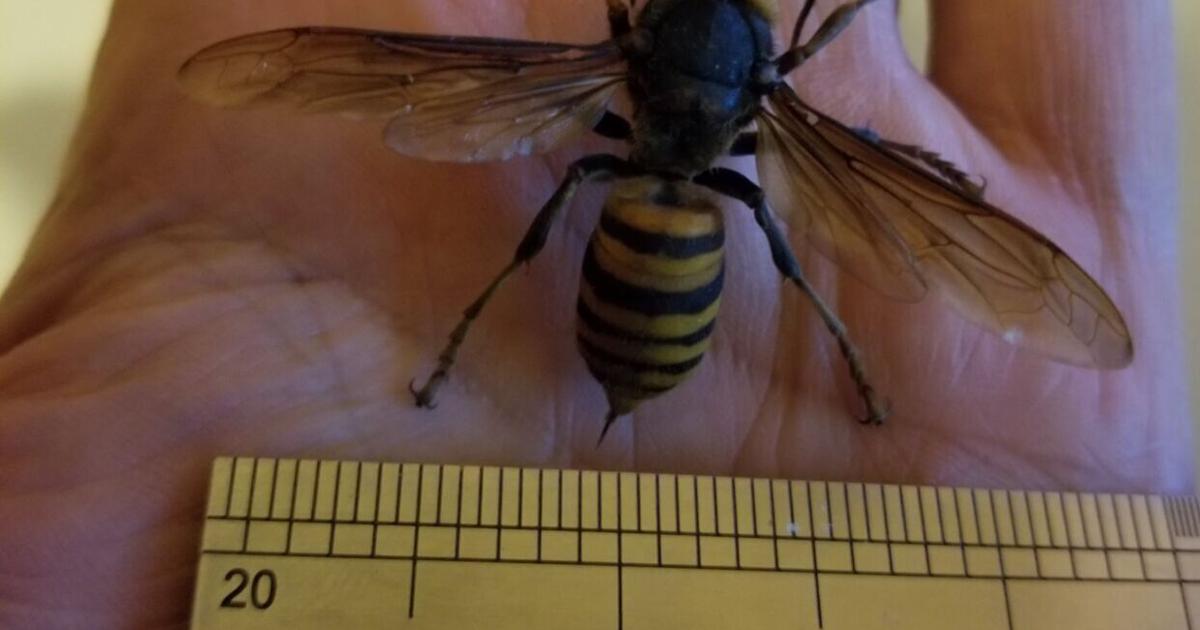
| Size | About 1.5 to 2 inches long |
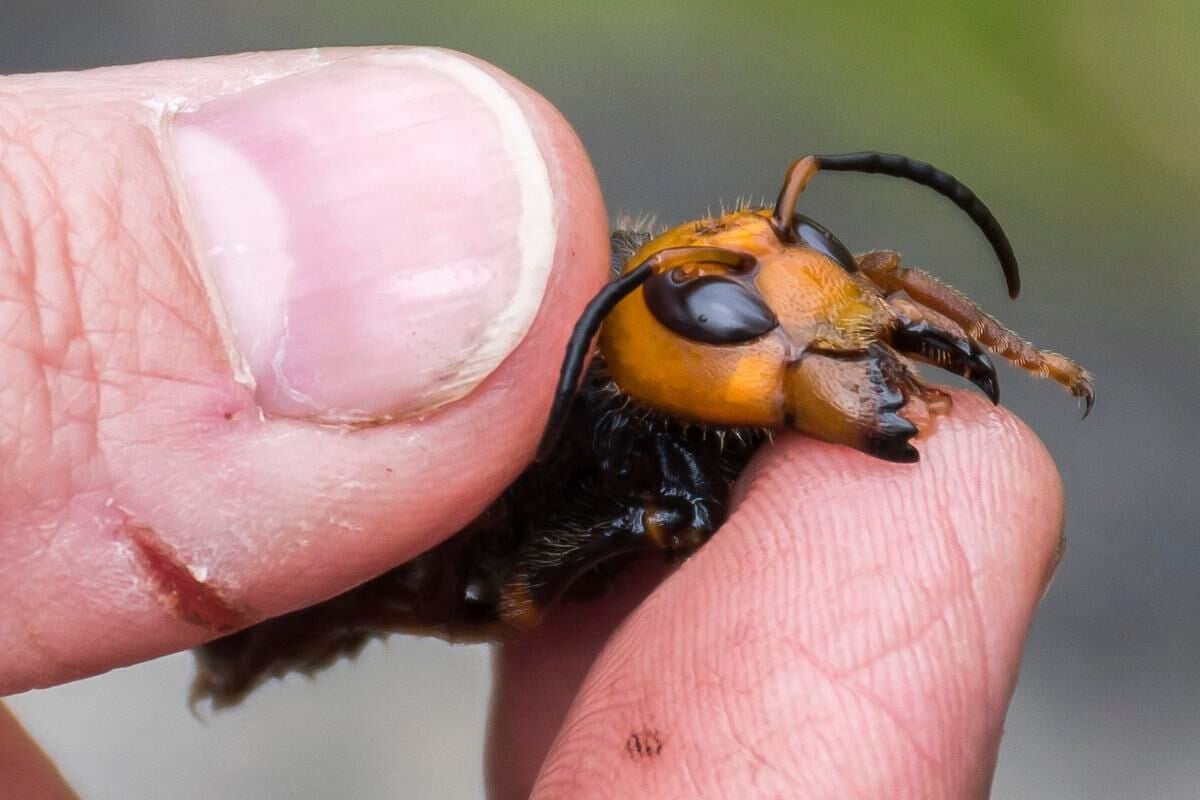
| Color | Yellow-orange head, dark brown body with yellow stripes |
| Wings | Dark, with a wingspan up to 3 inches |
| Stinger | Long and can sting multiple times |
Behavior Patterns
Murder hornets are active hunters. They attack other insects, especially honeybees. These hornets work in groups to kill bees quickly.
- They fly fast and can cover long distances.
- They build large nests that house many hornets.
- Only the queen hornet survives the winter by hiding in protected places.
- Workers die off before cold weather arrives.
Credit: www.insidehalton.com
Cold Weather Challenges
Murder hornets face many problems in cold weather. Low temperatures make survival hard for them.
Cold weather affects their body and behavior. Understanding these effects helps explain their survival.
Temperature Tolerance
Murder hornets can only live in a small temperature range. Too cold, and they risk freezing to death.
Their bodies do not have strong protection against extreme cold. This limits their spread to colder places.
Effects On Activity
Cold weather slows down murder hornets. They move less and hunt less when it is cold.
They reduce their activity to save energy. This means less feeding and slower colony growth.
- Less flying and hunting
- Reduced food intake
- Slower reproduction rates
Survival Strategies
Murder hornets use some ways to survive cold weather. They hide in safe places like tree holes.
Queens stay inactive in protected nests until spring. This helps them avoid the worst cold.
- Hiding in insulated nests
- Queens going into dormancy
- Using stored food during winter
Winter Survival Tactics
Murder hornets face tough challenges during cold weather. They use special tactics to survive winter. These tactics help the colony stay alive until spring.
This article explains how murder hornets protect their nest, how their colony works, and the queen’s role in survival.
Nest Protection
Murder hornets build strong nests to survive the cold. They choose sheltered places like hollow trees or underground spots. The nest walls keep cold air out.
- The nest is made with layers of wood fibers.
- Hornets repair any damage quickly.
- They keep the nest entrance small to keep warmth inside.
- The nest is hidden to avoid predators.
Colony Dynamics
The colony works together to survive winter. Most workers die off, but the colony keeps its core alive. They stay close inside the nest and share warmth.
| Colony Member | Winter Role |
| Workers | Protect nest and help queen |
| Queen | Survives and starts new colony |
| Larvae | Do not survive winter |
Queen’s Role In Survival
The queen is the key to colony survival. She hides deep in the nest during cold months. Her body can resist freezing better than others.
The queen uses these tactics to survive winter:
- She lowers her activity to save energy.
- She is fed by workers before winter.
- She waits for warmer days to lay eggs again.
Comparison With Other Hornets
Murder hornets, also known as Asian giant hornets, face unique challenges in cold weather. Understanding their survival helps compare them to other hornet species.
This comparison covers how well murder hornets adapt to cold and the limits on their range expansion compared to other hornets.
Cold Adaptation Differences
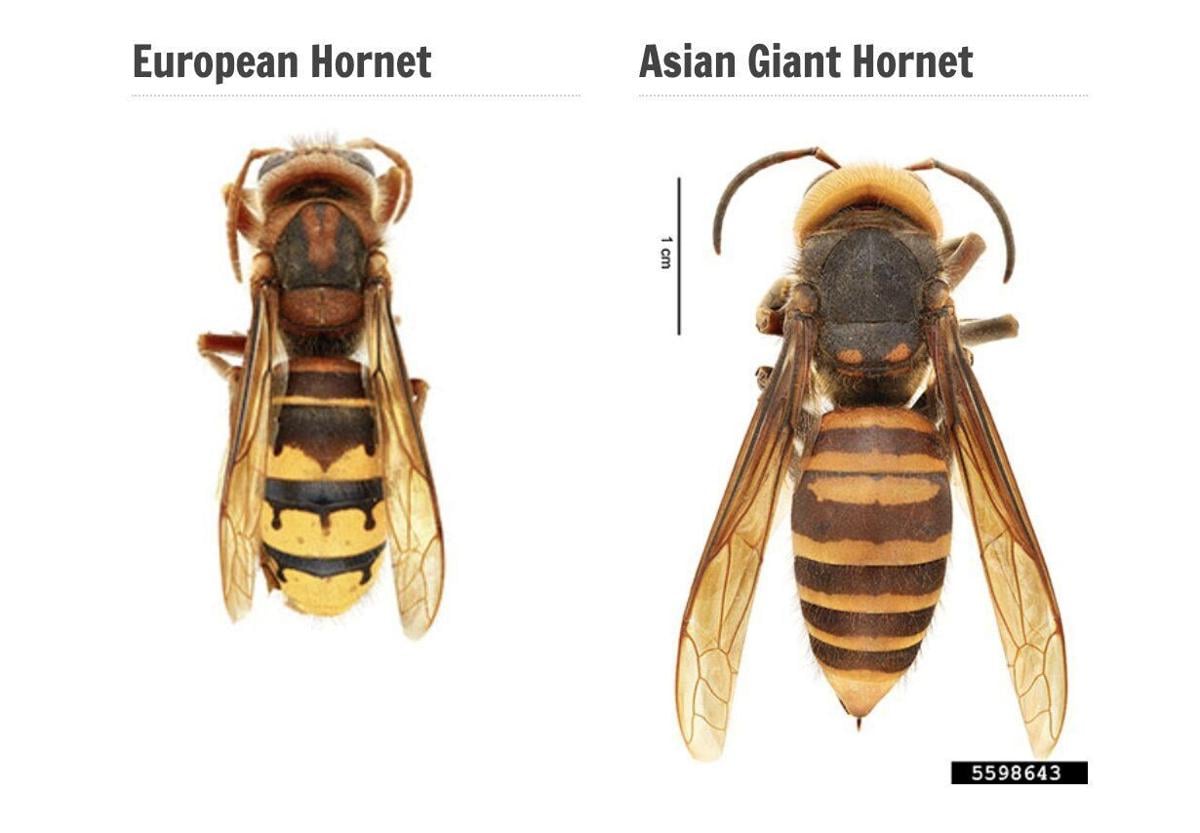
Murder hornets do not have strong cold resistance. They survive winters by staying deep in their nests. Other hornets, like the European hornet, can tolerate colder climates better.
- Murder hornets build large nests underground to avoid freezing.
- European hornets have thicker exoskeletons that retain heat.
- Some hornets produce antifreeze proteins to survive cold.
- Murder hornets rely more on shelter than on biological adaptations.
Range Expansion Limits
The range of murder hornets is limited by how well they handle cold weather. Their spread in colder regions is slower than that of some other hornets.
| Hornet Species | Cold Tolerance | Typical Range | Range Expansion Speed |
|---|---|---|---|
| Murder Hornet | Low | East Asia, parts of North America | Slow in cold regions |
| European Hornet | Medium | Europe, North America | Moderate |
| Japanese Hornet | Medium-High | Japan, Korea | Faster in cold areas |
Impact On Ecosystems In Cold Regions
The arrival of murder hornets in cold regions raises concerns about the local ecosystem. These hornets could change how native species live and interact.
Understanding their survival in cold weather helps us see the risks they pose to animals and plants in these areas.
Potential Threats To Local Species
Murder hornets can harm local bees, which are important for pollination. Their presence may reduce bee populations and affect plants that rely on bees.
- Attack and kill native bees and other insects
- Compete with local predators for food
- Disrupt pollination by reducing bee numbers
- Change the balance of insect populations
Seasonal Behavior Changes
Murder hornets change their behavior with the seasons to survive cold weather. They build nests in protected areas and slow down their activity.
| Season | Behavior |
| Spring | Start new nests and hunt actively |
| Summer | Expand nests and increase hunting |
| Fall | Prepare for winter, reduce activity |
| Winter | Stay dormant in protected nests |

Credit: www.cbc.ca
Human Efforts To Control Spread
Murder hornets pose a serious threat to local bee populations. People work hard to stop their spread. Controlling them requires careful planning and action.
This section explains how humans monitor these hornets and use cold weather to control them. These efforts help reduce the hornet numbers safely.
Monitoring Techniques
Tracking murder hornets is important to find their nests. People use traps and cameras to watch them. This helps catch them early and stop their growth.
- Setting baited traps near known hornet areas
- Using infrared cameras to locate nests
- Collecting samples to confirm species
- Sharing data with experts and local communities
Cold Weather Control Methods
Cold weather slows murder hornets and affects their survival. Humans use this to control their spread. They remove nests before winter or use cold air treatments.
| Method | How It Works | Effectiveness |
| Nest Removal | Destroy nests before cold sets in | High |
| Cold Air Treatment | Freeze nests using cold air machines | Medium |
| Winter Monitoring | Check for surviving hornets after winter | Low |
Credit: www.insidehalton.com
Frequently Asked Questions
Can Murder Hornets Survive In Cold Winter Climates?
Murder hornets can survive mild cold but struggle in extreme winter. They protect their queen in insulated nests, allowing the colony to endure cooler temperatures but not harsh, freezing conditions.
How Do Murder Hornets Protect Themselves From Cold Weather?
Murder hornets protect the queen by clustering tightly in insulated nests. The colony generates warmth collectively, which helps them survive colder temperatures but only within a limited temperature range.
Do Murder Hornets Hibernate During Winter Months?
Murder hornets do not hibernate like some insects. Instead, only the fertilized queen survives winter by staying dormant inside a protected nest, while the rest of the colony dies off.
What Temperatures Can Murder Hornets Tolerate?
Murder hornets tolerate temperatures above freezing, around 40°F (4°C) and higher. Below this, their survival rate drops significantly due to limited cold resistance.
Conclusion
Murder hornets struggle to survive in cold weather. Their bodies cannot handle freezing temperatures. They stay active mostly in warm seasons. Cold winters reduce their numbers and slow growth. This helps control their spread naturally. Scientists watch them closely every year.
Understanding their limits helps protect local bees. Nature has ways to fight these pests. Winter acts as a natural barrier for them. So, cold weather plays a key role in their survival.