How to Survive a Hurricane Brochure: Essential Tips for Safety
When a hurricane is approaching, knowing exactly what to do can save your life and protect your loved ones. You might feel overwhelmed by all the information out there, but a clear, easy-to-follow hurricane brochure can make all the difference.
Imagine having a simple guide that walks you through every step, so you feel confident and ready when the storm hits. You’ll discover how to create or use a hurricane brochure that keeps you safe, calm, and prepared. Keep reading—you don’t want to miss these crucial tips that could make all the difference when it matters most.

Credit: mountainhouse.com
Preparing Ahead
Hurricanes can cause serious damage and danger. Preparing before a storm helps keep you safe.
It is important to plan, gather supplies, and protect your home early. This guide shows how to get ready.
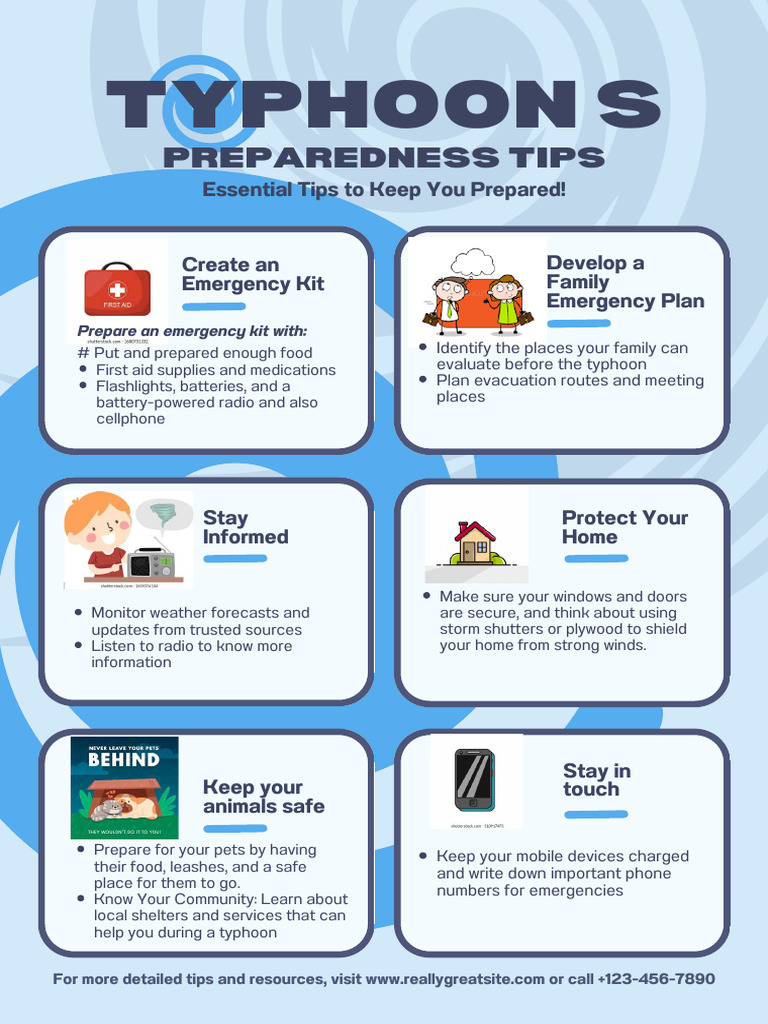
Creating An Emergency Plan
Make a clear plan for your family. Know where to go and how to stay in touch during a hurricane.
- Choose a safe place to meet after the storm.
- Write down emergency phone numbers.
- Decide who will care for pets if you must leave.
- Plan how to turn off gas, water, and electricity safely.
- Keep a list of your important documents in a waterproof bag.
Building A Supply Kit
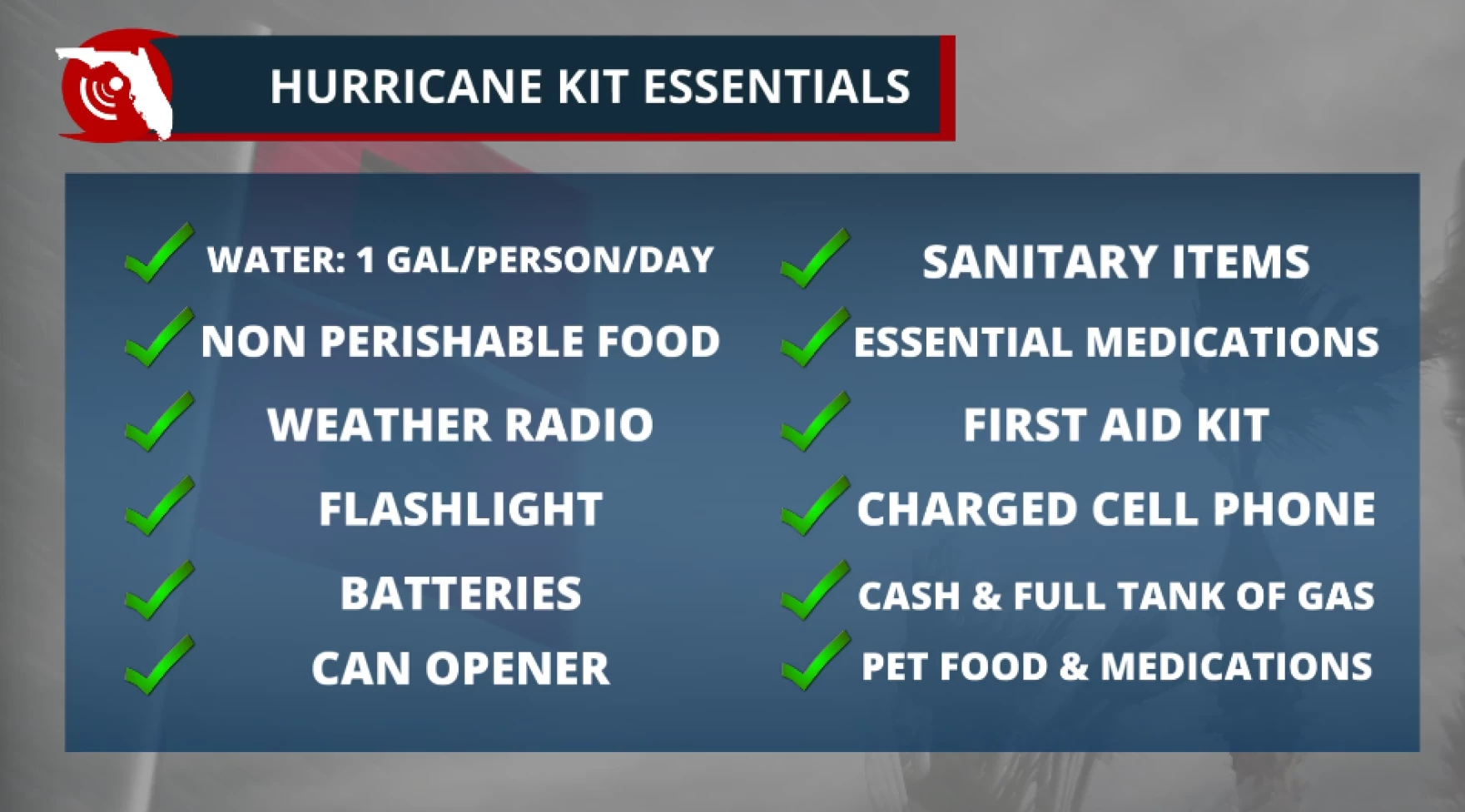
Gather supplies that will last for several days. This kit helps you live safely if you lose power or water.
- Bottled water (one gallon per person per day)
- Non-perishable food (canned or dried)
- Battery-powered or hand-crank radio
- Flashlights and extra batteries
- First aid kit and medicines
- Personal hygiene items
- Important documents and cash
- Clothing and blankets
Securing Your Home
Protect your home to reduce damage. Check doors, windows, and the roof for weak spots.
| Action | Purpose | Materials Needed |
| Install storm shutters | Protect windows from flying debris | Metal or plywood panels, screws |
| Secure loose items | Prevent objects from becoming projectiles | Storage bins, tie-down straps |
| Check roof and gutters | Prevent leaks and water damage | Sealant, nails, ladder |
| Trim trees and bushes | Reduce risk of falling branches | Pruning tools, gloves |

Credit: www.onenassau.com
Monitoring Weather Alerts
Knowing the latest weather updates helps you stay safe during a hurricane. You need to watch for alerts often. This way, you can act quickly if danger comes.
Use trusted sources and clear alerts to understand the threat. Staying informed keeps you ready and calm.
Using Reliable Sources
Always check weather information from official and trusted places. These sources give accurate and timely alerts. Avoid rumors or unverified posts.
- National Weather Service (NWS)
- Local government emergency pages
- Trusted news stations
- Weather apps with good reviews
- NOAA Weather Radio
Understanding Warning Levels
Weather alerts have different levels. Each level shows how serious the situation is. Knowing these helps you decide what to do next.
| Warning Level | Meaning | Action |
| Watch | Conditions possible soon | Prepare and stay alert |
| Warning | Conditions happening or soon | Take immediate action |
| Advisory | Less serious but caution needed | Be careful and informed |
Staying Connected
Keep in touch with family and local officials. Use devices that work even if power goes out. This helps you get updates and ask for help if needed.
- Charge phones and power banks regularly
- Use a battery-powered or hand-crank radio
- Sign up for text alerts from local agencies
- Follow official social media accounts
- Have a contact plan with family members
Evacuation Strategies
Evacuating safely during a hurricane is very important. You must plan ahead to keep yourself and your family safe. Knowing when to leave, where to go, and what to bring can save lives.
This guide covers key points about evacuation. Follow these steps to prepare for a fast and safe exit if a hurricane threatens your area.
When To Evacuate
Listen to local officials for evacuation orders. They will tell you when it is time to leave. Do not wait too long. Leaving early helps you avoid traffic and danger from the storm.
If you live in a low-lying area or near water, evacuate as soon as a warning is issued. These areas can flood quickly during a hurricane.
Choosing Safe Routes
Plan your evacuation route before the hurricane hits. Pick main roads that are less likely to flood or close. Avoid routes near rivers or the coast.
- Use highways and major roads
- Check traffic updates before you leave
- Have a backup route in case your first choice is blocked
- Follow signs and instructions from emergency workers
Packing Essentials
Packing the right items is key for a safe evacuation. Bring enough supplies for at least three days. Include food, water, and important documents.
| Item | Purpose | Suggested Amount |
| Water | Stay hydrated | One gallon per person per day |
| Non-perishable food | Nutrition without cooking | Three days’ supply |
| First aid kit | Treat minor injuries | One kit per family |
| Important documents | Proof of identity and insurance | Keep in waterproof bag |
| Flashlight and batteries | Light source during power outage | One per person |
| Clothing and blankets | Keep warm and dry | Enough for several days |
During The Hurricane
During a hurricane, your safety depends on how well you stay inside and protect yourself. Avoid going outdoors until officials say it is safe.
Stay calm and follow safety steps to reduce risks. Prepare your home and valuables to prevent damage.
Staying Indoors Safely
Stay in a small interior room, away from windows and glass doors. Keep doors and windows closed tightly at all times.
- Use a battery-powered radio to listen for updates.
- Keep flashlights and extra batteries nearby.
- Do not use candles to avoid fire risks.
- Stay away from floodwaters and electrical appliances.
Handling Power Outages
Power outages are common during hurricanes. Use generators carefully and avoid using them indoors to prevent carbon monoxide poisoning.
- Turn off all electrical appliances to avoid damage when power returns.
- Use flashlights instead of candles for light.
- Keep your refrigerator and freezer doors closed to keep food cold longer.
- Charge mobile phones and keep them in a safe place.
Protecting Valuables
Keep important documents and valuables safe and dry. Use waterproof containers or sealable plastic bags.
| Item | Protection Method |
| Passports and ID | Waterproof pouch |
| Cash and Credit Cards | Sealable plastic bag |
| Family Photos | Plastic container with lid |
| Electronics | Keep in high, dry place |
After The Storm
The hurricane has passed, but dangers remain. It is important to stay safe and act carefully. Take time to check your home and neighborhood before moving around.
This guide helps you understand what to do after the storm ends. Use it to protect yourself and find help if needed.
Assessing Damage
Look for damage to your home and property. Check the roof, windows, and doors first. Do not enter if the building looks unsafe.
- Take photos of damage for insurance claims.
- Note broken utilities like gas, water, or electricity.
- Report major damage to local authorities.
- Keep children and pets away from damaged areas.
Avoiding Hazards
Storms leave many hidden dangers. Stay alert to avoid injury or illness.
| Hazard | Safety Tip |
| Downed power lines | Do not touch or go near them |
| Flooded areas | Walk around, never through water |
| Gas leaks | Leave immediately and call emergency services |
| Sharp debris | Wear sturdy shoes and gloves |
| Contaminated water | Drink bottled or boiled water only |
Seeking Help And Resources
If you need help, find local shelters or aid centers. Emergency workers can assist with food, water, and shelter.
- Call local emergency numbers for rescue or medical aid.
- Visit community centers for food and water supplies.
- Check radio or official websites for updates.
- Register with disaster relief agencies if you lost your home.
Special Considerations
Preparing for a hurricane means thinking about everyone affected. Some needs require extra care. This guide covers important tips for pets, vulnerable people, and flooding.
Planning ahead helps keep all family members safe during the storm. Use these ideas to prepare better and act quickly.
Caring For Pets
Pets need safety plans just like people. Keep food, water, and medicines ready. Make sure your pet has a secure carrier or leash.
- Prepare a pet emergency kit with food and water for three days.
- Include any medicines and vaccination records.
- Keep a photo of your pet for identification.
- Plan where to take your pet if you must evacuate.
- Never leave pets alone during a hurricane.
Helping Vulnerable Individuals
People who are elderly, disabled, or ill may need extra help. Make sure you check on them and have a plan for their care.
| Type of Assistance | What to Prepare | Helpful Tips |
| Elderly | Medication, mobility aids, emergency contacts | Keep medicines in easy reach; have a caregiver on call |
| Disabled | Special equipment, extra batteries, support person | Prepare accessible shelter options; ensure power backup |
| Children | Comfort items, snacks, identification | Explain the situation calmly; keep items to reduce stress |
Dealing With Flooding
Flooding is a common danger during hurricanes. Protect your home and stay safe by following these steps.
- Move valuables to higher floors.
- Turn off electricity and gas if flooding is expected.
- Do not walk or drive through floodwaters.
- Keep a battery-powered radio for updates.
- Use sandbags to block water entry points.
Credit: www.wmnf.org
Frequently Asked Questions
What Should I Include In A Hurricane Survival Kit?
A hurricane survival kit should include water, non-perishable food, a flashlight, batteries, a first aid kit, medications, and important documents. It’s crucial to prepare enough supplies for at least 72 hours. Don’t forget to pack essential items for pets and infants, if applicable.
How Do I Stay Informed During A Hurricane?
Stay informed by monitoring local news, radio, and official weather apps. Ensure your phone is charged and set to receive emergency alerts. Follow updates from reliable sources like the National Hurricane Center. Social media can also provide real-time information, but verify the credibility of sources.
How Can I Protect My Home From A Hurricane?
Secure windows with storm shutters or plywood. Reinforce doors and garage doors. Trim trees and remove loose debris from your yard. Consider elevating electrical appliances and sealing gaps to prevent water entry. These steps can significantly reduce damage during a hurricane.
What Should I Do If I Need To Evacuate?
Follow local evacuation orders promptly. Pack essential items, including your hurricane kit, and have a plan for your destination. Share your evacuation route with family or friends. Ensure your vehicle has a full tank of gas. Remember to secure your home before leaving.
Conclusion
Staying safe during a hurricane starts with good preparation. Keep your emergency kit ready and know your evacuation routes. Listen to weather updates and follow official advice without delay. Secure your home and protect your family as best as you can.
Remember, quick action saves lives and reduces damage. Stay calm and stay informed. Your safety depends on the steps you take today. Be ready, stay strong, and face the storm with confidence.