Do Mobile Homes Survive Hurricanes? Essential Survival Insights
When you think about hurricanes, what comes to mind? Powerful winds, heavy rain, and the potential for damage, right?
If you live in or are considering buying a mobile home, you might be wondering, “Do mobile homes survive hurricanes? ” This is a crucial question, especially if you reside in a hurricane-prone area. Understanding how mobile homes withstand these natural forces can help you make informed decisions about your safety and investment.
Let’s dive into the truth behind mobile homes and hurricanes, so you can feel confident and prepared no matter what Mother Nature has in store. Keep reading to discover the facts and tips that could make all the difference for you and your home.

Credit: m.youtube.com
Mobile Homes And Hurricane Risks
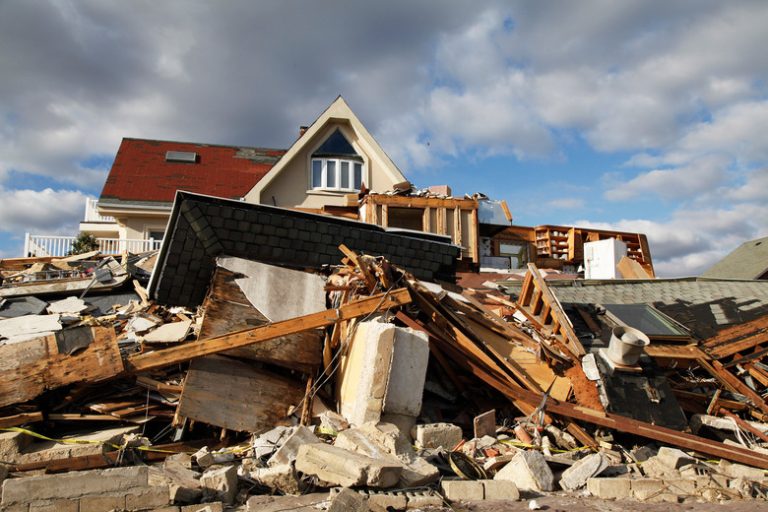
Mobile homes face many risks during hurricanes. Their design and materials can make them vulnerable to strong winds and flooding. It is important to know how these homes react in storms.
This article explains the main weaknesses of mobile homes in hurricanes. It also shows common damage patterns seen after storms hit.
Vulnerabilities Of Mobile Homes
Mobile homes often have weaker structures than regular houses. They can be lifted or damaged by high winds. The connection points to the ground may not hold well in storms.
- Lightweight construction materials
- Weak anchoring to the foundation
- Large surface areas exposed to wind
- Elevated floors vulnerable to flooding
- Limited protection from flying debris
Common Damage Patterns
Damage to mobile homes after hurricanes often follows certain patterns. Knowing these can help in preparing better.
| Type of Damage | Description | Cause |
|---|---|---|
| Roof Damage | Roofs blown off or torn | Strong winds lifting roof panels |
| Structural Shifts | Walls bent or collapsed | Weak frame and high wind pressure |
| Flood Damage | Water inside the home causing mold and rot | Floodwaters rising under and around the home |
| Window Breakage | Broken windows allowing wind and rain inside | Flying debris hitting glass |
| Foundation Issues | Anchors pulled loose or shifted | Inadequate ground fastening |
Building Standards And Safety Features
Mobile homes face many challenges during hurricanes. Strong building standards and safety features help protect them. These features include materials, wind resistance, and anchoring systems.
Understanding these features shows how mobile homes can survive harsh weather. Careful design and construction improve their safety and durability.
Construction Materials
Mobile homes use materials designed to withstand strong winds and heavy rain. Steel frames and reinforced walls are common. These materials add strength and prevent damage during storms.
- Steel or aluminum framing for better strength
- Wind-resistant roofing materials
- Impact-resistant windows and doors
- Water-resistant siding to avoid leaks
Wind Resistance Ratings
Mobile homes must meet wind resistance ratings set by building codes. These ratings show how well a home can resist hurricane-force winds. Higher ratings mean better protection.
| Wind Speed Rating | Description |
| 90 mph | Basic protection for mild storms |
| 110 mph | Meets HUD standards for most areas |
| 130 mph | Enhanced protection for high-risk zones |
| 150 mph | Maximum rating for hurricane-prone regions |
Anchoring Systems
Anchoring systems keep mobile homes fixed to their foundations. They stop homes from lifting or sliding during strong winds. Proper anchoring is key to survival in hurricanes.
- Steel straps or cables secure the home
- Anchors embed deep into the ground
- Cross-bracing adds extra stability
- Regular inspection ensures system strength
Preparation Tips For Hurricane Season
Hurricanes can cause serious damage to mobile homes. It is important to prepare early for safety.
Taking the right steps helps protect your home and family during storms.
Securing Your Mobile Home
Mobile homes are more vulnerable to strong winds. You need to secure your home well before a hurricane.
Check that the tie-downs and anchors are tight and in good condition. Cover windows with storm shutters or plywood.
- Inspect and tighten all tie-downs
- Install hurricane straps if needed
- Cover windows and glass doors
- Clear loose objects from around the home
- Secure the roof and doors
Evacuation Plans
Have an evacuation plan ready in case you must leave your mobile home. Know where to go and how to get there.
Share the plan with your family and practice it. Keep your car fueled and packed with essentials.
- Identify nearby shelters or safe locations
- Plan several routes to your destination
- Prepare a list of emergency contacts
- Decide on a meeting place if separated
- Keep important documents in a safe bag
Emergency Supplies
Gather emergency supplies to last at least three days. Include food, water, and first aid items.
Keep supplies in a portable container. Check and replace expired items regularly.
- Non-perishable food and bottled water
- Flashlights and extra batteries
- First aid kit and medications
- Battery-powered radio
- Personal hygiene items
- Cash and important documents
Real-life Survival Stories
Mobile homes face many risks during hurricanes. Some survive strong winds and floods. Others do not. These stories show what can happen in real life.
Understanding these cases helps to learn how mobile homes hold up. It also shows what can go wrong and why.
Successful Cases
Some mobile homes stand firm during hurricanes. Proper anchoring and strong construction help. Location and preparation matter too.
- A mobile home in Florida survived Hurricane Irma with no damage due to reinforced anchors.
- During Hurricane Harvey, a Texas home remained intact because it was elevated above flood levels.
- In Louisiana, a mobile home survived wind speeds over 100 mph after extra bracing was added.
Lessons From Failures
Many mobile homes fail in hurricanes. Weak anchors and poor placement cause damage. Flooding also destroys homes fast.
| Common Problems | Effects |
| Weak or no anchoring | Home lifted or blown away |
| Low elevation | Flood damage to structure |
| Old or damaged materials | Walls and roof collapse |
| Poor maintenance | Weakened resistance to wind |
Alternatives And Upgrades
Mobile homes face challenges during hurricanes due to their structure. Many owners look for ways to improve safety and protection. There are several upgrades and alternatives that can help mobile homes survive storms.
This section covers two important options: storm shelters and retrofitting. Each can increase safety and reduce damage during strong winds.
Storm Shelters And Safe Rooms
Storm shelters and safe rooms offer a secure place during hurricanes. These spaces protect people from flying debris and strong winds. They can be built inside or near mobile homes.
- Underground storm shelters provide the best protection from wind and debris.
- Safe rooms built with reinforced concrete or steel can be installed inside the home.
- Some shelters have ventilation and emergency supplies stored inside.
- Safe rooms must meet local building codes for hurricane resistance.
Retrofitting Options
Retrofitting a mobile home can strengthen it against hurricane damage. Many upgrades focus on securing the roof, walls, and foundation.
| Retrofitting Option | Description | Benefit |
|---|---|---|
| Roof Strapping | Adding metal straps to secure the roof to walls | Prevents roof lifting during high winds |
| Storm Shutters | Installing shutters to protect windows | Reduces risk of broken glass and interior damage |
| Anchoring Systems | Using ground anchors to secure the home | Keeps the home from shifting or lifting |
| Reinforced Doors | Strengthening doors with metal frames | Improves resistance to wind pressure and debris |
Credit: sparkhomestexas.com
Insurance And Financial Protection
Mobile homes face many risks during hurricanes. Insurance helps protect your home and finances. Understanding your coverage is important to stay safe and secure.
Knowing how to file a claim correctly speeds up the process. It also ensures you get the help you need after a storm.
Coverage Options
Mobile home insurance covers different damages. You can choose policies that fit your needs and budget. Common coverage types include windstorm damage, flooding, and personal property loss.
- Wind and hail damage protection
- Flood insurance (often separate)
- Liability coverage for accidents
- Contents coverage for personal belongings
- Additional living expenses if you must relocate
| Coverage Type | What It Covers | Notes |
| Windstorm | Damage to structure | Essential during hurricanes |
| Flood | Water damage | Usually a separate policy |
| Liability | Injury or damage claims | Protects you from lawsuits |
| Personal Property | Loss of belongings | Furniture, clothes, electronics |
Claim Process Tips
Filing a claim quickly helps you recover faster. Keep clear records and follow the insurer’s instructions closely.
- Take photos of all damage before cleanup
- Contact your insurance agent right away
- Fill out claim forms carefully and completely
- Keep receipts for repairs and replacements
- Stay in touch with your adjuster for updates
Credit: sparkhomestexas.com
Frequently Asked Questions
Can Mobile Homes Withstand Hurricane-force Winds?
Mobile homes built after 1994 follow stronger HUD standards. These homes can better resist high winds but may still need extra anchoring for hurricanes.
What Safety Measures Protect Mobile Homes During Hurricanes?
Anchoring systems, storm shutters, and reinforced tie-downs improve safety. Evacuation plans and nearby storm shelters are also crucial for mobile home residents.
Are Older Mobile Homes More Vulnerable In Hurricanes?
Yes, older mobile homes lack modern construction standards. They are more prone to severe damage and often require additional reinforcement or evacuation during storms.
Should Mobile Home Owners Evacuate During Hurricanes?
Evacuation is highly recommended if a hurricane warning is issued. Mobile homes are less safe than traditional houses in extreme storm conditions.
Conclusion
Mobile homes face many challenges during hurricanes. Strong winds and flooding can cause serious damage. Some mobile homes have better designs and anchors to stay safe. Choosing a home built to hurricane standards can improve chances of survival. Regular maintenance and preparation also help protect your home.
Stay informed about weather warnings and have an emergency plan. Safety depends on both the home and the actions you take. Mobile homes can survive hurricanes with the right care and precautions.