Can Burmese Pythons Survive Cold Weather: Shocking Truth Revealed
Are you curious about the adaptability of one of the world’s most fascinating reptiles? Burmese pythons are known for their size and strength, but can they withstand the chill of cold weather?
The answer might surprise you. Understanding how these remarkable creatures cope with temperature changes could change the way you think about wildlife survival. If you’ve ever wondered about the resilience of nature or how climate impacts animal behavior, you’re in the right place.
Get ready to uncover the secrets behind the survival strategies of Burmese pythons and discover whether they can defy the odds in colder climates. Keep reading to satisfy your curiosity and learn something new about these incredible snakes!
Burmese Python Basics
Burmese pythons are large snakes native to Southeast Asia. They can grow over 20 feet long.
These snakes are non-venomous and use constriction to catch their prey. Understanding their natural habitat helps us know if they can survive cold weather.
Natural Habitat
Burmese pythons live in warm, wet environments. They are found in forests, grasslands, and near water bodies like rivers and swamps.
- Tropical rainforests
- Marshes and swamps
- Grasslands
- Near rivers and lakes
Typical Climate Conditions
The climate in their habitat is usually hot and humid. Temperatures stay warm most of the year with little change.
| Season | Average Temperature | Humidity Level |
| Dry Season | 75-90°F (24-32°C) | 50-70% |
| Wet Season | 80-95°F (27-35°C) | 80-90% |
Cold Weather Impact
Burmese pythons come from warm climates and are not built for cold weather. Cold temperatures affect their body and behavior strongly.
This article explains how cold weather impacts Burmese pythons. We look at changes in their body and actions.
Effects On Physiology
Burmese pythons are cold-blooded, so their body temperature depends on the environment. Cold weather slows down their metabolism.
Low temperatures can cause muscle stiffness and reduce their ability to digest food. They may become weak or stop eating.
- Metabolism slows down
- Muscle stiffness increases
- Digestion becomes difficult
- Risk of illness rises
Behavioral Changes
Burmese pythons try to find warm places to stay during cold weather. They move less and hide to keep warm.
They may stay in burrows or under debris to protect themselves. Cold weather reduces their hunting and activity levels.
- Seek warm shelters
- Reduce movement
- Hunt less often
- Become less active
Survival Mechanisms
Burmese pythons live in warm places. Cold weather can be hard for them.
They use special ways to survive when it gets cold. These ways help them stay alive.
Hibernation And Brumation
Burmese pythons do not hibernate like some animals. They enter brumation instead.
Brumation is a slow, inactive state. The python’s body works less and it eats little.
- They move less to save energy.
- They stay quiet and hide from cold.
- Their heart rate and breathing slow down.
Seeking Shelter
Burmese pythons find warm places to stay safe from cold. Shelter helps keep their body heat.
They hide under leaves, logs, or burrows. These places protect them from wind and cold air.
- Natural shelters like hollow trees or caves
- Underground burrows or animal dens
- Thick vegetation for warmth and cover

Credit: www.miamiherald.com
Temperature Thresholds
Burmese pythons are tropical snakes. They live in warm places and need heat to survive.
This section explains how cold affects them. It shows the lowest temperatures they can handle.
Minimum Tolerable Temperatures
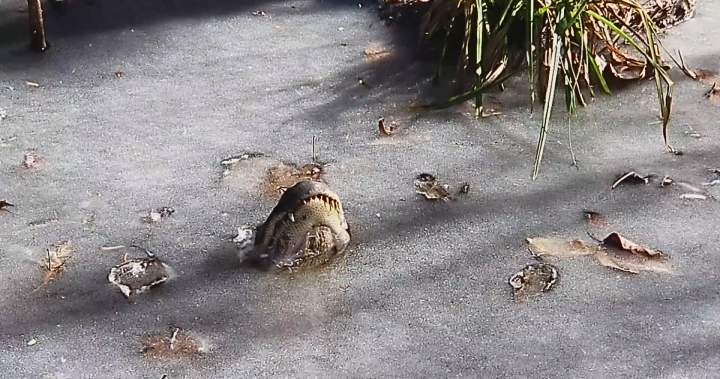
Burmese pythons can survive short cold spells but not long ones. They need temperatures above 50°F (10°C).
Temperatures below 50°F slow their body functions. Below 40°F (4°C), they can get very sick or die.
- Ideal temperature: 80-90°F (27-32°C)
- Minimum tolerable: 50°F (10°C)
- Dangerous temperature: below 40°F (4°C)
Signs Of Cold Stress
When pythons get too cold, they show signs of stress. These signs warn that they need warmth.
Cold stress can make them weak and slow. Watch for changes in behavior and body condition.
- Slow movement or lack of activity
- Refusing to eat or drink
- Muscle stiffness or twitching
- Unusual hiding or curling up
- Weak or shallow breathing
Adaptation Limits
Burmese pythons are tropical snakes. They live in warm places with little cold weather. Their bodies are not built to handle freezing temperatures.
This means they can only survive cold weather for a short time. Long cold spells can harm or kill them.
Short-term Vs Long-term Exposure
Short cold spells make Burmese pythons slow and less active. They may hide to keep warm. They can survive if the cold ends quickly.
Long-term cold exposure causes serious problems. Their body functions slow down too much. They can get sick or die if cold lasts for days or weeks.
- Short-term cold: temporary slow movement, hiding behavior
- Long-term cold: health decline, risk of death
Geographic Range Constraints
Burmese pythons live mostly in Southeast Asia. They prefer warm, humid climates. Cold temperatures limit where they can live and spread.
Places with cold winters are not suitable for these snakes. Their range stops where temperatures drop too low. This limits their natural and invasive spread.
- Native range: tropical and subtropical regions
- Too cold outside range stops python survival
- Cold weather prevents wider distribution

Credit: www.miamiherald.com
Captive Care In Cold Climates
Burmese pythons come from warm places. Cold weather can be hard for them to handle. If you keep one in a cold area, you must take care to keep it warm.
Proper heating and a good enclosure help your python stay healthy. Learn how to set up a safe space for your snake in cold climates.
Heating Requirements
Burmese pythons need warm temperatures to digest food and stay active. The enclosure should have a warm side and a cooler side.
Keep the warm side between 88 and 92 degrees Fahrenheit. The cooler side can be around 78 to 80 degrees. Night temperatures should not drop below 75 degrees.
- Use heat lamps or ceramic heaters for warmth
- Use thermostats to control temperature
- Check temperatures daily with a reliable thermometer
Enclosure Setup
Choose a large, secure enclosure to keep your python safe and warm. Insulate the enclosure to keep heat from escaping.
Add hiding spots on both warm and cool sides. Use thick bedding that holds heat well, like cypress mulch or aspen shavings.
- Use a thermostat-controlled heat source
- Keep humidity between 50% and 70%
- Place water bowls to avoid spills on heat sources
- Seal any drafts or cold air leaks
Ecological Implications
Burmese pythons are large snakes that usually live in warm places. Their ability to survive cold weather affects local ecosystems.
Understanding how cold weather impacts them helps us see their role in new environments.
Impact On Invasive Populations
Burmese pythons are invasive in places like Florida. Cold weather can limit their spread by causing deaths.
If they survive cold spells, they can keep growing their populations and hurt native animals.
- Cold kills young pythons more than adults
- Cold limits python hunting and movement
- Warmer winters help more pythons survive
- Survival leads to bigger invasive populations
Climate Change Effects
Climate change causes warmer winters in some areas. This helps Burmese pythons survive cold seasons better.
More pythons surviving means bigger impacts on local wildlife and ecosystems.
- Warmer winters reduce cold-related python deaths
- Longer warm periods increase python breeding
- Python range may expand northwards with warming
- Native species face more pressure from pythons

Credit: www.miamiherald.com
Frequently Asked Questions
Can Burmese Pythons Tolerate Cold Temperatures?
Burmese pythons are cold-blooded and cannot tolerate cold temperatures well. They thrive in warm, tropical climates and risk health issues in cold weather.
What Happens If A Burmese Python Faces Cold Weather?
Exposure to cold can cause Burmese pythons to become lethargic and immune-compromised. Prolonged cold can lead to respiratory infections and even death.
How Do Burmese Pythons Survive In Cooler Environments?
Burmese pythons seek warm microhabitats or burrows to regulate body temperature. Without heat sources, survival in cold climates is unlikely.
Can Burmese Pythons Adapt To Colder Climates Naturally?
No, Burmese pythons lack natural adaptations for cold climates. They rely on warm environments and cannot survive extended cold periods without artificial heat.
Conclusion
Burmese pythons do not handle cold weather well. They need warmth to stay healthy and active. In cold temperatures, their body slows down. This can cause health problems and even death. These snakes thrive in warm, tropical places. Cold climates are not safe for them.
Keep this in mind if you find or keep a Burmese python. Their survival depends on a warm environment. Always provide the right temperature for these reptiles to live well.